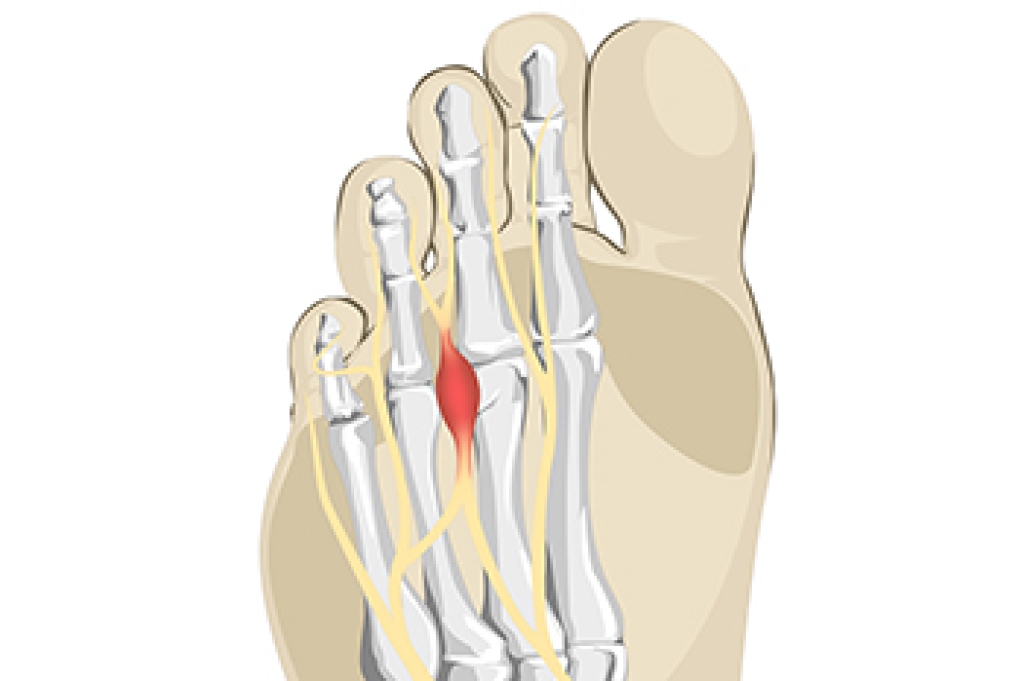
What Causes Morton’s Neuroma?

The foot condition that is known as Morton’s neuroma is painful. It is caused by wearing shoes that do not have enough room in the toe area and it affects the nerve between the third and fourth toes. High heels can fall into this category, and women can develop this condition if high heels are worn often and for long periods of time. Patients may feel this affected nerve can be malignant, however, it is considered to be a benign growth. The pain is often felt in the ball of the foot, and it may be difficult to walk. Temporary relief may be found when wider shoes with lower heels are worn. There may be swelling that accompanies this ailment, and it can be helpful to elevate the feet. In severe cases, some patients may choose surgery that can remove the nerve, and normal activities may be resumed. If you have foot pain from for Morton’s neuroma, it is strongly suggested that you contact a podiatrist who can effectively diagnose and offer the correct treatment methods. 

Morton’s neuroma is a very uncomfortable condition to live with. If you think you have Morton’s neuroma, contact one of our podiatrists of East Ocean Podiatry . Our doctors will attend to all of your foot care needs and answer any of your related questions.  

Morton’s Neuroma

Morton's neuroma is a painful foot condition that commonly affects the areas between the second and third or third and fourth toe, although other areas of the foot are also susceptible. Morton’s neuroma is caused by an inflamed nerve in the foot that is being squeezed and aggravated by surrounding bones.

What Increases the Chances of Having Morton’s Neuroma?

  • Ill-fitting high heels or shoes that add pressure to the toe or foot
  • Jogging, running or any sport that involves constant impact to the foot
  • Flat feet, bunions, and any other foot deformities

Morton’s neuroma is a very treatable condition. Orthotics and shoe inserts can often be used to alleviate the pain on the forefront of the feet. In more severe cases, corticosteroids can also be prescribed. In order to figure out the best treatment for your neuroma, it’s recommended to seek the care of a podiatrist who can diagnose your condition and provide different treatment options.

If you have any questions, please feel free to contact our office located in Deerfield Beach, FL . We offer the newest diagnostic and treatment technologies for all your foot care needs.

Read more about Morton's Neuroma

What Has Caused My Ingrown Toenail?

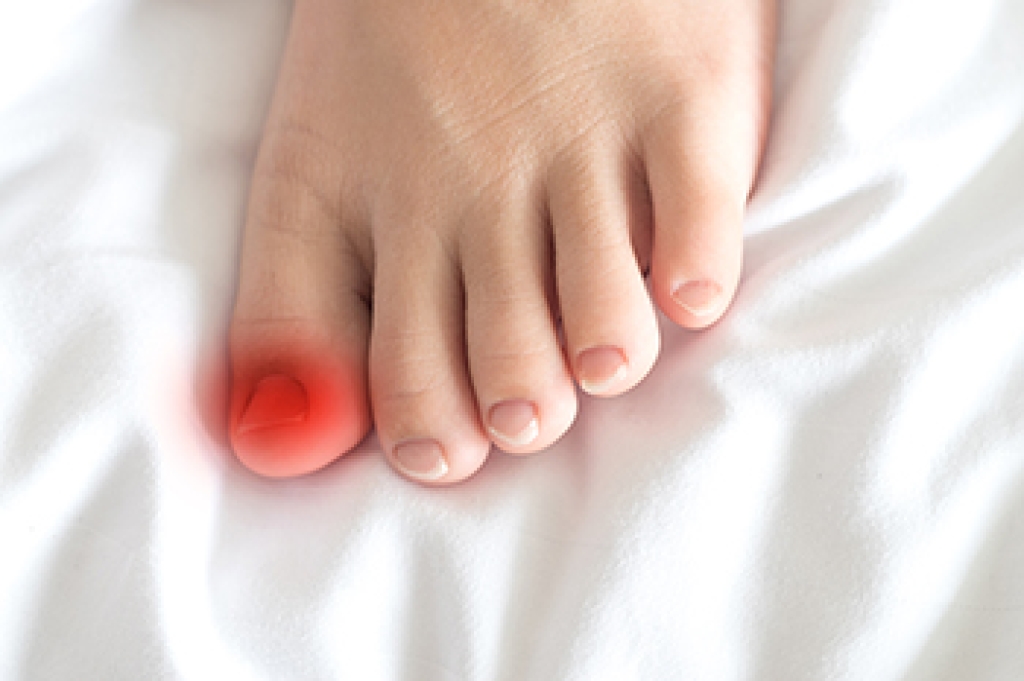
Toenails grow over the skin, and an ingrown toenail occurs when the nail grows into the skin instead of over it. This can be an extremely painful foot condition, and may be caused by genetic reasons, or from wearing shoes that are too tight. It may also happen if a toe injury has occurred, such as stubbing the foot against a piece of furniture. Research has indicated that having poor posture may lead to developing an ingrown toenail. This may cause the toes to push together, and pressure can be exerted on them as they grow. Additionally, a common reason to have an ingrown toenail can be from cutting the toenails incorrectly, or from having poor foot hygiene. If you have an ingrown toenail, it is strongly suggested that you are under the care of a podiatrist who can correct this painful condition, which may include surgery for permanent relief. 

Ingrown toenails can become painful if they are not treated properly. For more information about ingrown toenails, contact one of our podiatrists of East Ocean Podiatry . Our doctors can provide the care you need to keep you pain-free and on your feet.

Ingrown Toenails

Ingrown toenails occur when a toenail grows sideways into the bed of the nail, causing pain, swelling, and possibly infection.

Causes

  • Bacterial infections
  • Improper nail cutting such as cutting it too short or not straight across
  • Trauma to the toe, such as stubbing, which causes the nail to grow back irregularly
  • Ill-fitting shoes that bunch the toes too close together
  • Genetic predisposition

Prevention

Because ingrown toenails are not something found outside of shoe-wearing cultures, going barefoot as often as possible will decrease the likeliness of developing ingrown toenails. Wearing proper fitting shoes and using proper cutting techniques will also help decrease your risk of developing ingrown toenails.

Treatment

Ingrown toenails are a very treatable foot condition. In minor cases, soaking the affected area in salt or antibacterial soaps will not only help with the ingrown nail itself, but also help prevent any infections from occurring. In more severe cases, surgery is an option. In either case, speaking to your podiatrist about this condition will help you get a better understanding of specific treatment options that are right for you.

If you have any questions, please feel free to contact our office located in Deerfield Beach, FL . We offer the newest diagnostic and treatment technologies for all your foot care needs.
Read more about Ingrown Toenail Care

Wounds That Don't Heal Need to Be Checked

Your feet are covered most of the day. If you're diabetic, periodic screening is important for good health. Numbness is often a sign of diabetic foot and can mask a sore or wound.

What Can I Wear Besides Flip Flops?

Flip-flops are certainly a popular shoe style. However, they are not a completely healthy option due to the lack of support that they provide. Many patients often wonder what they can wear besides flip-flops. The answer is that there are a variety of different summer shoes that a person might consider wearing. For example, a person might wear a supportive pair of sandals that have a strap around the back of the foot. A person also might consider wearing espadrilles instead of flip-flops. These are essentially canvas shoes. The benefit is that, unlike flip flops, the feet need not scrunch up to keep the shoe on the foot. Also, it can be important to select shoes that provide adequate support. If you are someone that is looking for an alternative to flip flops, it is suggested that you contact a podiatrist today for more information.

Flip-flops are not always the best choice of footwear. If you have any concerns about your feet or ankles, contact one of our podiatrists from East Ocean Podiatry . Our doctors will assist you with all of your foot and ankle needs.

Flip-Flops and Feet

When the weather starts warming up, people enjoy wearing flip-flops.  Flip-flops are comfortable, stylish, and easy to slip on and off; they're perfect for any summer beach goer.  However, these shoes can cause harm to the feet.

How Can Flip-Flops Affect Me Long-Term?

  • Ankle problems
  • Hip problems
  • Lower back problems
  • Pain in the balls of the feet
  • Problems with foot arches
  • Changes in the way you walk

Are There Injuries Associated with Flip-Flops?

Yes.  Since flip-flops are relatively weak and do not provide the same amount of support as sneakers, people who wear flip-flops regularly are more susceptible to injuries. On top of that, the open nature of the shoe makes your feet more prone to other problems, such as cuts and even infections.  Common injuries and ailments include:

  • Sprained ankles
  • Blisters
  • Infections
  • Cuts and Scrapes

I like Wearing Flip-Flops. Are There Safe Alternatives?

When buying flip-flops, try to find ones that have sturdy soles and that are made of high-quality materials that will support for your feet.  These flip-flops will cost more but will also last longer as a result.

If you have any questions, please feel free to contact our office located in Deerfield Beach, FL . We offer the newest diagnostic and treatment technologies for all your foot care needs.
Read more about Flipping Out About Flip Flops

What Can Cause Plantar Fasciitis?

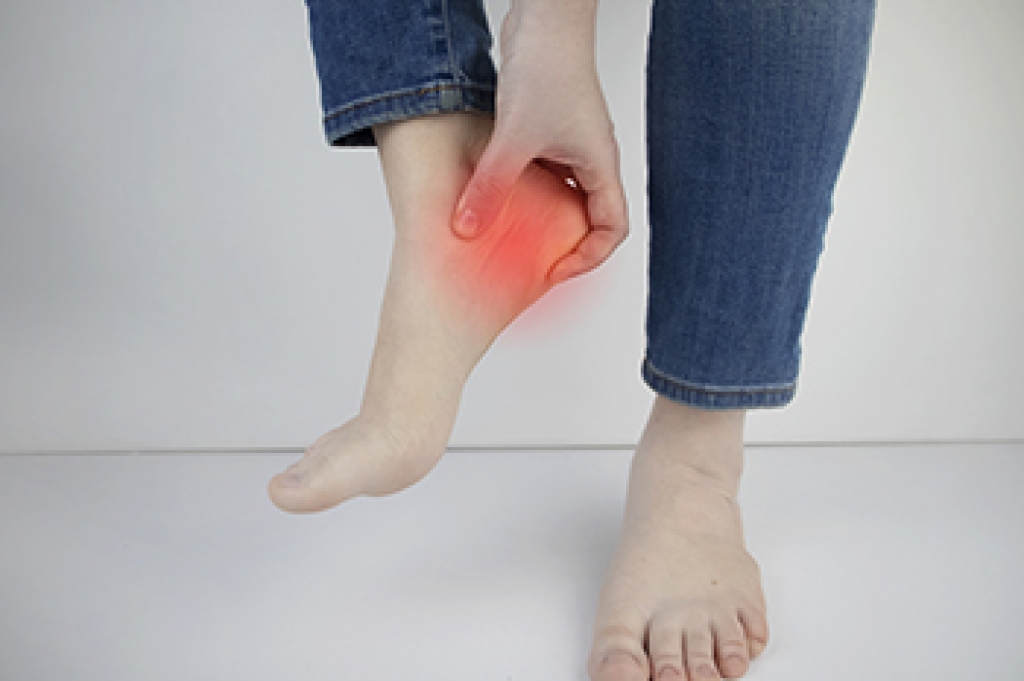
The plantar fascia is found on the bottom of the foot. It is a long portion of tissue that connects the heel to the toes and can become quite painful if it becomes irritated. A heel injury or gradual wear and tear may lead to developing plantar fasciitis. This foot condition is defined as inflammation or tears that happen to the plantar fascia, which can occur from wearing shoes that do not have adequate cushioning in the heel area. It can also happen to people who stand on hard or uneven surfaces for most of the day, causing excess pressure on the heel and surrounding areas. Many people enjoy running and jogging, and it is helpful to be aware of how this can negatively impact the heels. Pregnant women may develop plantar fasciitis, as a result of the added weight the feet must endure. Temporary relief may be found when the affected foot is elevated, and walking is kept to a minimum. A podiatrist is a specialist that can effectively treat plantar fasciitis, and it is suggested that you contact this type of doctor who can offer you the treatment option that is best for you.

Plantar fasciitis is a common foot condition that is often caused by a strain injury. If you are experiencing heel pain or symptoms of plantar fasciitis, contact one of our podiatrists from East Ocean Podiatry . Our doctors can provide the care you need to keep you pain-free and on your feet.

What Is Plantar Fasciitis?

Plantar fasciitis is one of the most common causes of heel pain. The plantar fascia is a ligament that connects your heel to the front of your foot. When this ligament becomes inflamed, plantar fasciitis is the result. If you have plantar fasciitis you will have a stabbing pain that usually occurs with your first steps in the morning. As the day progresses and you walk around more, this pain will start to disappear, but it will return after long periods of standing or sitting.

What Causes Plantar Fasciitis?

  • Excessive running
  • Having high arches in your feet
  • Other foot issues such as flat feet
  • Pregnancy (due to the sudden weight gain)
  • Being on your feet very often

There are some risk factors that may make you more likely to develop plantar fasciitis compared to others. The condition most commonly affects adults between the ages of 40 and 60. It also tends to affect people who are obese because the extra pounds result in extra stress being placed on the plantar fascia.

Prevention

  • Take good care of your feet – Wear shoes that have good arch support and heel cushioning.
  • Maintain a healthy weight
  • If you are a runner, alternate running with other sports that won’t cause heel pain

There are a variety of treatment options available for plantar fasciitis along with the pain that accompanies it. Additionally, physical therapy is a very important component in the treatment process. It is important that you meet with your podiatrist to determine which treatment option is best for you.

If you have any questions, please feel free to contact our office located in Deerfield Beach, FL . We offer the newest diagnostic and treatment technologies for all your foot care needs.


Read more about Plantar Fasciitis

Connect With Us