How Do the Toe Joints Work?

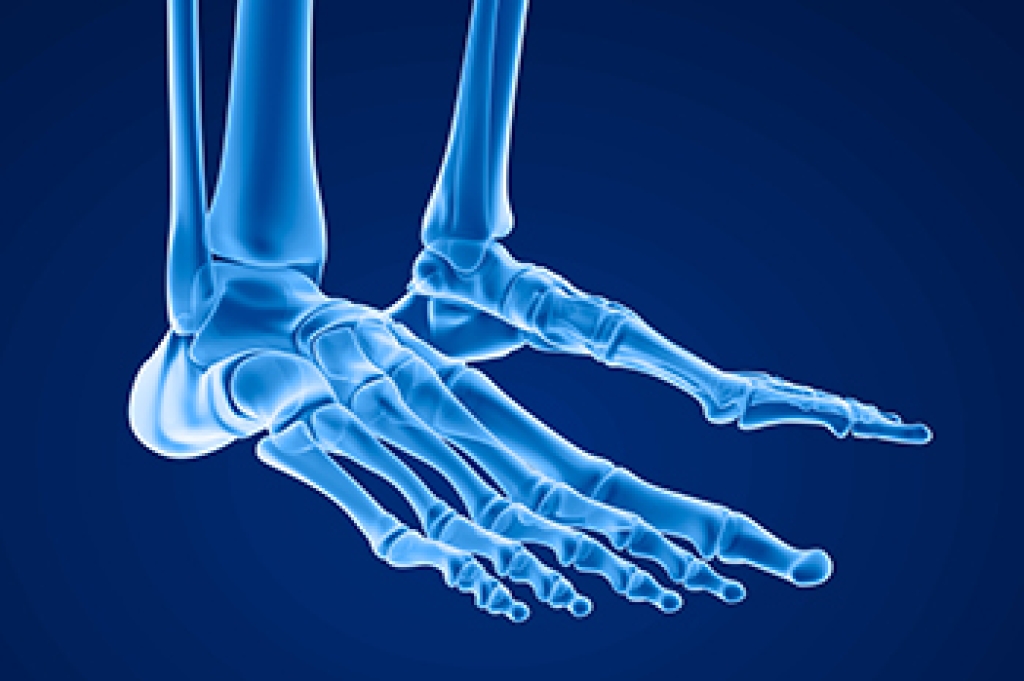
Many bones throughout the body are situated near joints, which allow the bones to move and the body to function. The toes are no different. Each toe in the feet has different joints that make movement possible and serve important functions. Every toe but the big toe has three joints, which are known as the metatarsophalangeal joint, the proximal interphalangeal joint, and the distal phalangeal joint. The big toe has only two joints. These joints in the toes are protected by several different things. Each joint is covered by cartilage and a membrane that produces a kind of fluid for lubrication. These joints are critical parts of the feet because they importantly enable the feet to bear a significant amount of weight and propel the body forward. If you are interested in learning more about the joints of the toes, contact a podiatrist today.

If you have any concerns about your feet, contact one of our podiatrists from East Ocean Podiatry . Our doctors can provide the care you need to keep you pain-free and on your feet.

Biomechanics in Podiatry

Podiatric biomechanics is a particular sector of specialty podiatry with licensed practitioners who are trained to diagnose and treat conditions affecting the foot, ankle and lower leg. Biomechanics deals with the forces that act against the body, causing an interference with the biological structures. It focuses on the movement of the ankle, the foot and the forces that interact with them.

A History of Biomechanics

  • Biomechanics dates back to the BC era in Egypt where evidence of professional foot care has been recorded.
  • In 1974, biomechanics gained a higher profile from the studies of Merton Root, who claimed that by changing or controlling the forces between the ankle and the foot, corrections or conditions could be implemented to gain strength and coordination in the area.

Modern technological improvements are based on past theories and therapeutic processes that provide a better understanding of podiatric concepts for biomechanics. Computers can provide accurate information about the forces and patterns of the feet and lower legs.

Understanding biomechanics of the feet can help improve and eliminate pain, stopping further stress to the foot.

If you have any questions please feel free to contact our office located in Deerfield Beach, FL . We offer the newest diagnostic and treatment technologies for all your foot and ankle needs.

Read more about The Importance of Biomechanics in Podiatry

Finding the Right Shoe for Trail Running

Runners who run on tracks or other smooth surfaces may have the perfect shoes for that environment. However, if a runner switches to trail running, the old footwear may not fill the requirements. Running experts suggest that trail runners wear shoes that include extra protection against sharp objects and provide soles with extra grip. Lug patterns on the bottom of the sole may differ for runs on muddy or rugged terrain. A wide forefoot in the shoe is important for running long distances or for runners who have wide feet. The weight of the shoe is another factor that must be considered, depending on how far you plan to run. Having a padded collar and tongue can also cushion the feet and provide support. For more information on protecting your feet during a trail run, it might be a good idea to consult with a podiatrist. 

If you are a runner, wearing the right running shoe is essential. For more information, contact one of our podiatrists from East Ocean Podiatry . Our doctors can provide the care you need to keep you pain-free and on your feet.

Choosing the Right Running Shoe for Your Foot Type

To increase performance and avoid the risk of injury, it is important to choose the right running shoe based on your foot type. The general design of running shoes revolves around pronation, which is how the ankle rolls from outside to inside when the foot strikes the ground.

  • Neutral runners are able to choose from a wide variety of shoes, including minimalist shoes or even going barefoot.
  • Runners who overpronate, or experience an over-abundance of ankle rolling, should choose shoes that provide extra motion control and stability.
  • Runners who underpronate, or supinate, have feet that have high arches and lack flexibility, preventing shock absorption. They require shoes with more flexibility and cushion.

If you have any questions, please feel free to contact our office located in Deerfield Beach, FL . We offer the newest diagnostic and treatment technologies for all your foot care needs.

Read more about Choosing the Right Running Shoe for Your Foot Type

Paring Down Foot Corns

Foot corns are just one of the many types of foot conditions that can be of great annoyance to a patient. A corn is a hard, thick spot of skin that typically develops on a person’s foot as the result of friction or pressure. One way in which a medical professional, such as a podiatrist, might attempt to treat persistent corns is by paring down the affected skin. More specifically, a podiatrist can use a scalpel blade to make the skin less thick. In some cases, multiple sessions may be needed for a podiatrist to completely pare down the affected skin. After a corn has been pared down, there is a chance that it may return if the patient does not wear footwear that fits properly. If you have corns, it is recommended that you contact your podiatrist today for treatment.

If you have any concerns regarding your feet and ankles, contact one of our podiatrists of East Ocean Podiatry . Our doctors will treat your foot and ankle needs.

Corns: What Are They? and How Do You Get Rid of Them?
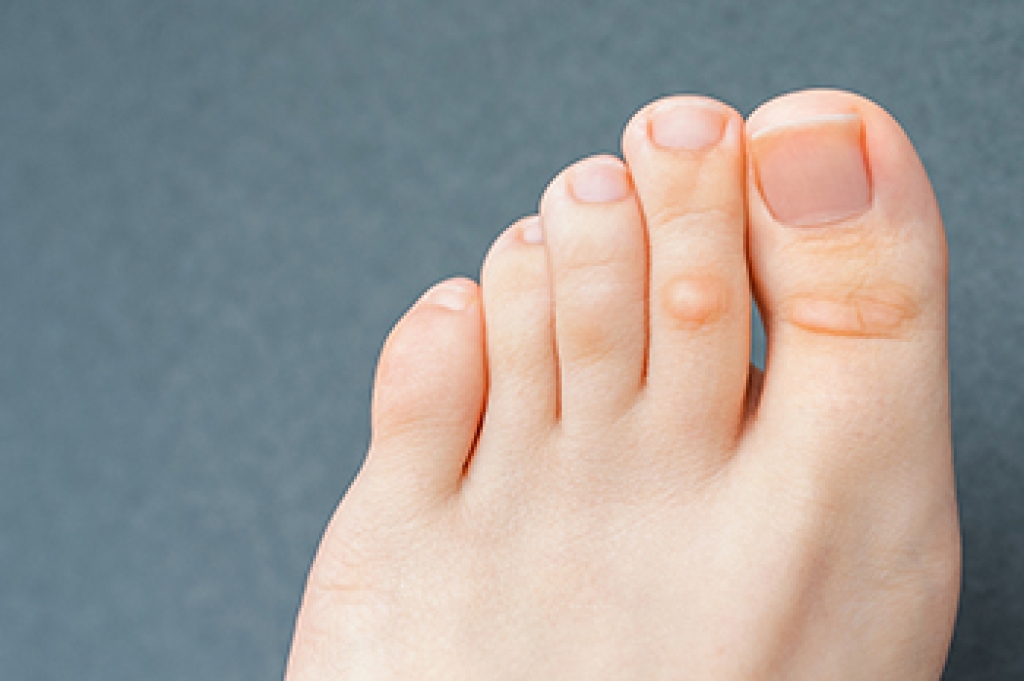
Corns can be described as areas of the skin that have thickened to the point of becoming painful or irritating. They are often layers and layers of the skin that have become dry and rough, and are normally smaller than calluses.

Ways to Prevent Corns
There are many ways to get rid of painful corns such as wearing:

  • Well-fitting socks
  • Comfortable shoes that are not tight around your foot
  • Shoes that offer support

Treating Corns
Treatment of corns involves removing the dead skin that has built up in the specific area of the foot. Consult with Our doctors to determine the best treatment option for your case of corns.

If you have any questions, please feel free to contact our office located in Deerfield Beach, FL . We offer the newest diagnostic and treatment technologies for all your foot care needs.

Read more about Understanding Corns and Calluses

Several Causes of Neuropathy

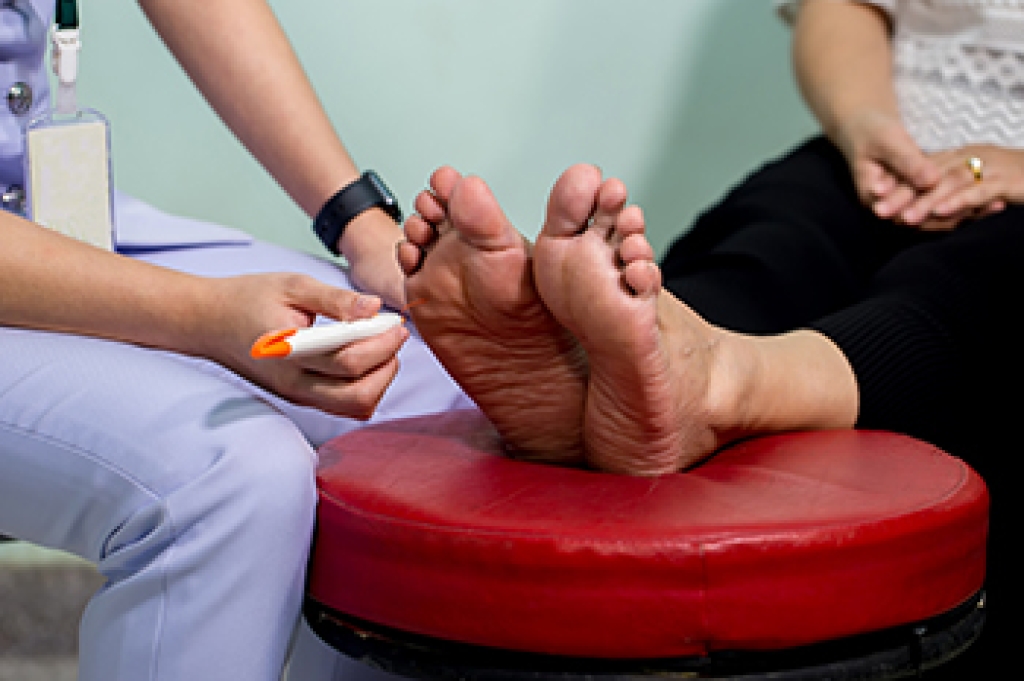
One of the symptoms that are associated with neuropathy includes a burning sensation in the feet. This can be a result of nerve damage and it can also cause a tingling or numbing feeling. Diabetic patients may develop neuropathy, and this can be from having elevated blood sugar levels. Additionally, other medical conditions can cause neuropathy, such as obesity and high blood pressure. Neuropathy may also affect people who smoke cigarettes and drink excessive alcohol. Many people get fatigued easily when neuropathy is present, which may cause muscle and bone pain. People who have neuropathy can find it difficult and painful to walk and may notice a difference in skin color. Having nutritional deficiencies could result in the development of neuropathy, including vitamins B-12, B-6, and B-9. If you are afflicted with this foot condition, it is strongly advised that you are under the care of a podiatrist who can accurately treat and monitor neuropathy.

Neuropathy

Neuropathy can be a potentially serious condition, especially if it is left undiagnosed. If you have any concerns that you may be experiencing nerve loss in your feet, consult with one of our podiatrists from East Ocean Podiatry . Our doctors will assess your condition and provide you with quality foot and ankle treatment for neuropathy.

What Is Neuropathy?

Neuropathy is a condition that leads to damage to the nerves in the body. Peripheral neuropathy, or neuropathy that affects your peripheral nervous system, usually occurs in the feet. Neuropathy can be triggered by a number of different causes. Such causes include diabetes, infections, cancers, disorders, and toxic substances.

Symptoms of Neuropathy Include:

  • Numbness
  • Sensation loss
  • Prickling and tingling sensations
  • Throbbing, freezing, burning pains
  • Muscle weakness

Those with diabetes are at serious risk due to being unable to feel an ulcer on their feet. Diabetics usually also suffer from poor blood circulation. This can lead to the wound not healing, infections occurring, and the limb may have to be amputated.

Treatment

To treat neuropathy in the foot, podiatrists will first diagnose the cause of the neuropathy. Figuring out the underlying cause of the neuropathy will allow the podiatrist to prescribe the best treatment, whether it be caused by diabetes, toxic substance exposure, infection, etc. If the nerve has not died, then it’s possible that sensation may be able to return to the foot.

Pain medication may be issued for pain. Electrical nerve stimulation can be used to stimulate nerves. If the neuropathy is caused from pressure on the nerves, then surgery may be necessary.

If you have any questions, please feel free to contact our office located in Deerfield Beach, FL . We offer the newest diagnostic and treatment technologies for all your foot care needs.

Read more about Neuropathy

Do You Suffer From Painful Feet?

Painful deformities, such as hammertoes, can be treated. Stop living with foot pain, and have beautiful feet again!

Connect With Us