Hammertoe and Orthotics

A hammertoe is a condition that makes the toe point upwards at the joint in an unnatural way. As a result, the toe resembles a hammer. There are several ways that a medical professional might go about helping you correct this deformity. Orthotics can play an important role in the correction process. Orthotics are special inserts that can be either custom-made or one-size-fits-all, and they can help people correct deformities or their gait. A medical professional might recommend the use of orthotics for hammertoes. One specific kind of orthotic for hammertoes is known as a hammer toe crest pad. The hammertoe is essentially held in place by this pad, which is positioned underneath the toes. The crest pad resembles a kind of ring that goes around the hammertoe. This device is meant to support and mitigate the hammertoe condition. If you are afflicted with hammertoe and think that you might be a good candidate for orthotics, consult a podiatrist today for more information.


Hammertoe

Hammertoes can be a painful condition to live with. For more information, contact one of our podiatrists from East Ocean Podiatry . Our doctors will answer any of your foot- and ankle-related questions.

Hammertoe is a foot deformity that affects the joints of the second, third, fourth, or fifth toes of your feet. It is a painful foot condition in which these toes curl and arch up, which can often lead to pain when wearing footwear.

Symptoms

  • Pain in the affected toes
  • Development of corns or calluses due to friction
  • Inflammation
  • Redness
  • Contracture of the toes

Causes

Genetics – People who are genetically predisposed to hammertoe are often more susceptible

Arthritis – Because arthritis affects the joints in your toes, further deformities stemming from arthritis can occur

Trauma – Direct trauma to the toes could potentially lead to hammertoe

Ill-fitting shoes – Undue pressure on the front of the toes from ill-fitting shoes can potentially lead to the development of hammertoe

Treatment

Orthotics – Custom made inserts can be used to help relieve pressure placed on the toes and therefore relieve some of the pain associated with it

Medications – Oral medications such as anti-inflammatories or NSAIDs could be used to treat the pain and inflammation hammertoes causes. Injections of corticosteroids are also sometimes used

Surgery – In more severe cases where the hammertoes have become more rigid, foot surgery is a potential option

If you have any questions, please feel free to contact our office located in Deerfield Beach, FL . We offer the newest diagnostic and treatment technologies for all your foot care needs.
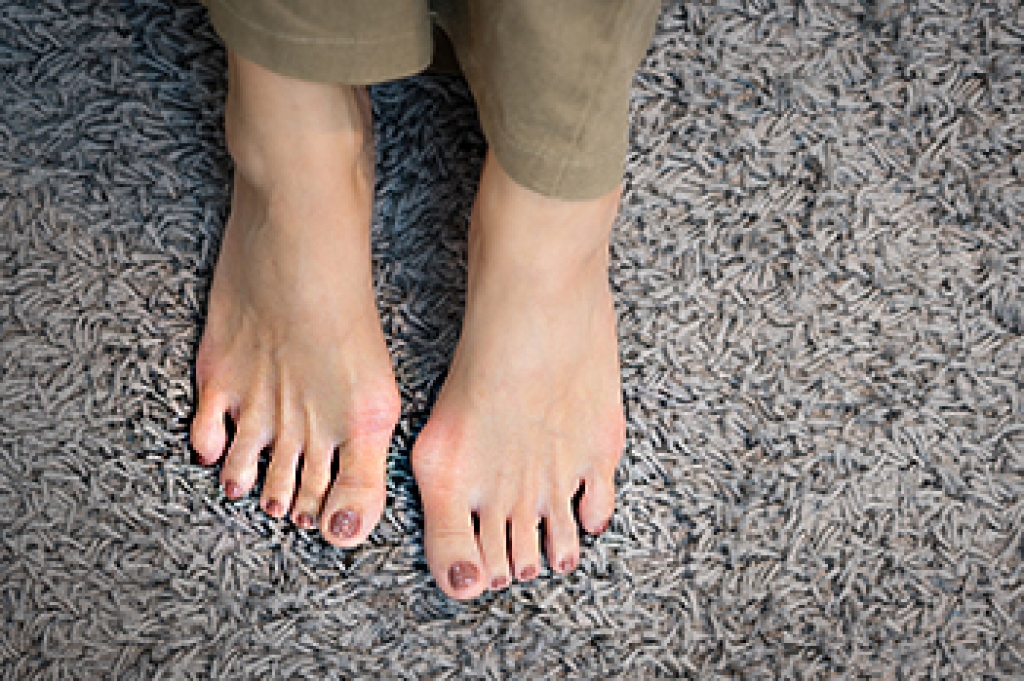

Read more about Hammertoe

Types and Causes of Bunions

Bunions, which are deformities in the toes, can be extremely painful. Most bunions occur on the big toe, forcing the bottom of the toe out and the tip of the toe inward toward the other toes. Another type of bunion is termed a bunionette, which causes the same effect, only this time it occurs on the little toe. Most people develop bunions because of a genetic predisposition to the deformity. The development of a bunion can be made worse by external factors. Among them is wearing shoes that are too tight or too small. Any footwear that pushes the toes inward may increase pressure on an already unstable toe joint. Some people with high arches are prone to developing bunions, as are those with flat feet. In some cases, ligaments in the toe structure may be loose, which contributes to abnormal movement of the bones. If you have bunions that have become painful and inhibit your ability to carry out daily activities, it is a good idea to visit a podiatrist. A number of treatment options, ranging from non-invasive to surgical, are available that can help correct this condition.

If you are suffering from bunions, contact one of our podiatrists of East Ocean Podiatry . Our doctors can provide the care you need to keep you pain-free and on your feet.

What Is a Bunion?

A bunion is formed of swollen tissue or an enlargement of boney growth, usually located at the base joint of the toe that connects to the foot. The swelling occurs due to the bones in the big toe shifting inward, which impacts the other toes of the foot. This causes the area around the base of the big toe to become inflamed and painful.

Why Do Bunions Form?

Genetics – Susceptibility to bunions are often hereditary

Stress on the feet – Poorly fitted and uncomfortable footwear that places stress on feet, such as heels, can worsen existing bunions

How Are Bunions Diagnosed?

Podiatrists often perform two tests – blood tests and x-rays – when trying to diagnose bunions, especially in the early stages of development. Blood tests help determine if the foot pain is being caused by something else, such as arthritis, while x-rays provide a clear picture of your bone structure to your provider.

How Are Bunions Treated?

  • Refrain from wearing heels or similar shoes that cause discomfort
  • Select wider shoes that can provide more comfort and reduce pain
  • Anti-inflammatory and pain management drugs
  • Orthotics or foot inserts
  • Surgery

If you have any questions, please feel free to contact our office located in Deerfield Beach, FL . We offer the newest diagnostic and treatment technologies for all your foot care needs.

Read more about Bunions

Causes of Plantar Fasciitis

If you have pain in your heel area, and it is worse in the morning after rising, you might have a condition known as plantar fasciitis. This is an inflammation of the plantar fascia, the tissue that connects the heel bone to the toes.  Risk factors for plantar fasciitis include age, having flat feet, and stress put on the feet from things like a poor gait or improper exercise form. The older one is, the higher the risk for plantar fasciitis. The body loses some of its elasticity and flexibility, two things that help control inflammation. An improper gait or poor exercise form can also cause plantar fasciitis as if the weight of the body lands on the heel when walking or exercising, excess strain can be put on the plantar fascia. If you have heel pain that does not resolve itself with rest, see a podiatrist for a proper diagnosis and treatment.

Plantar fasciitis is a common foot condition that is often caused by a strain injury. If you are experiencing heel pain or symptoms of plantar fasciitis, contact one of our podiatrists from East Ocean Podiatry . Our doctors can provide the care you need to keep you pain-free and on your feet.

What Is Plantar Fasciitis?

Plantar fasciitis is one of the most common causes of heel pain. The plantar fascia is a ligament that connects your heel to the front of your foot. When this ligament becomes inflamed, plantar fasciitis is the result. If you have plantar fasciitis you will have a stabbing pain that usually occurs with your first steps in the morning. As the day progresses and you walk around more, this pain will start to disappear, but it will return after long periods of standing or sitting.

What Causes Plantar Fasciitis?

  • Excessive running
  • Having high arches in your feet
  • Other foot issues such as flat feet
  • Pregnancy (due to the sudden weight gain)
  • Being on your feet very often

There are some risk factors that may make you more likely to develop plantar fasciitis compared to others. The condition most commonly affects adults between the ages of 40 and 60. It also tends to affect people who are obese because the extra pounds result in extra stress being placed on the plantar fascia.

Prevention

  • Take good care of your feet – Wear shoes that have good arch support and heel cushioning.
  • Maintain a healthy weight
  • If you are a runner, alternate running with other sports that won’t cause heel pain

There are a variety of treatment options available for plantar fasciitis along with the pain that accompanies it. Additionally, physical therapy is a very important component in the treatment process. It is important that you meet with your podiatrist to determine which treatment option is best for you.

If you have any questions, please feel free to contact our office located in Deerfield Beach, FL . We offer the newest diagnostic and treatment technologies for all your foot care needs.

 

Read more about Plantar Fasciitis

Different Types of Foot Fractures

There are 26 bones in each foot, and they all uniquely work together to walk, run, and maintain balance. A broken foot can happen from falling, incurring a foot injury, or from dropping a heavy object on it. The recovery time can be lengthy, and in most cases, weight needs to be kept off the foot. Many people choose to run and walk through the pain, and this may cause a delayed recovery. There are two types of foot fractures that can occur, a stress or full foot fracture. The former is considered to be a hairline fracture and happens when the foot gradually endures repeated stress from frequently running or jumping. The latter type of fracture often needs immediate medical attention and can fall into two categories. The surrounding skin is not damaged when a simple fracture occurs, and the opposite is true when a compound fracture happens, resulting in damaged skin or tissues. Common symptoms of a broken foot include severe pain, swelling, and the inability to walk on the affected foot. If you have endured a broken foot, please consult with a podiatrist who can properly diagnose a fractured foot and offer the best treatment for you. 

A broken foot requires immediate medical attention and treatment. If you need your feet checked, contact one of our podiatrists from East Ocean Podiatry . Our doctors can provide the care you need to keep you pain-free and on your feet.

Broken Foot Causes, Symptoms, and Treatment

A broken foot is caused by one of the bones in the foot typically breaking when bended, crushed, or stretched beyond its natural capabilities. Usually the location of the fracture indicates how the break occurred, whether it was through an object, fall, or any other type of injury. 

Common Symptoms of Broken Feet:

  • Bruising
  • Pain
  • Redness
  • Swelling
  • Blue in color
  • Numbness
  • Cold
  • Misshapen
  • Cuts
  • Deformities

Those that suspect they have a broken foot shoot seek urgent medical attention where a medical professional could diagnose the severity.

Treatment for broken bones varies depending on the cause, severity and location. Some will require the use of splints, casts or crutches while others could even involve surgery to repair the broken bones. Personal care includes the use of ice and keeping the foot stabilized and elevated.

If you have any questions, please feel free to contact our office located in Deerfield Beach, FL . We offer the newest diagnostic and treatment technologies for all your foot care needs.

Read more about Causes, Symptoms, and Treatment for a Broken Foot

Connect With Us