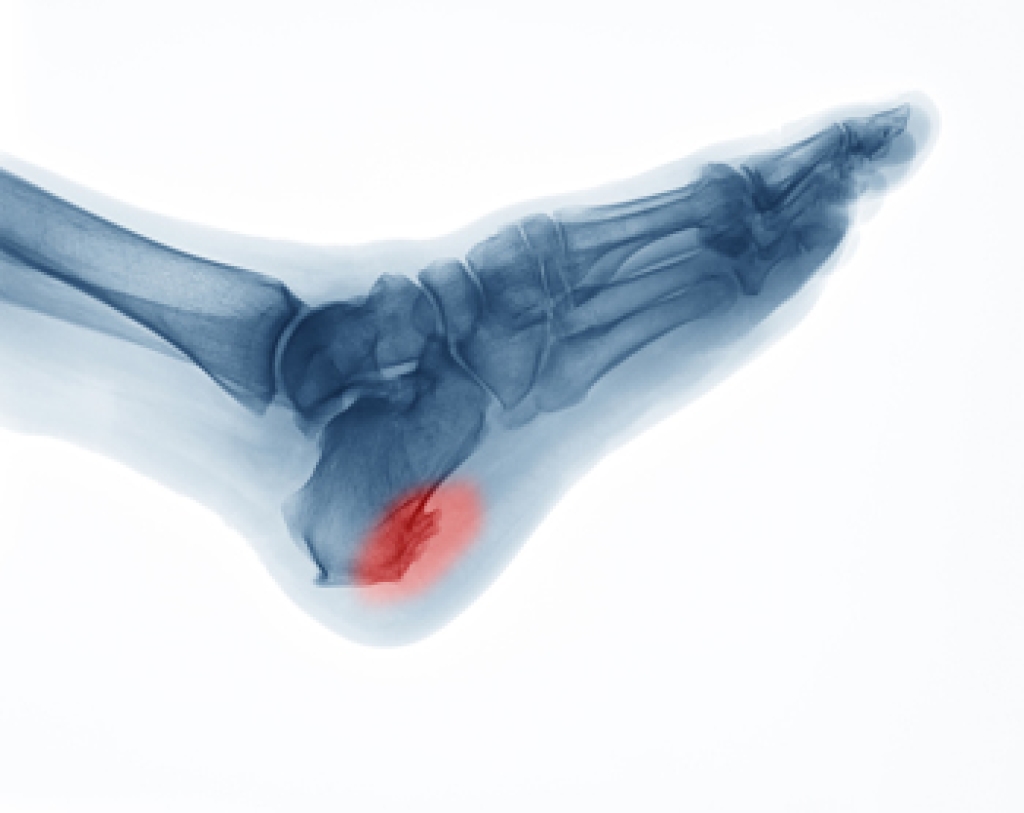
When Heel Pain Has a Hidden Cause

A calcaneal spur, often called a heel spur, is a bony growth that can quietly develop on the underside of the heel bone. While it may go unnoticed at first, it can lead to persistent or stabbing pain, especially with the first steps in the morning or after sitting for long periods. This condition is frequently associated with strain on the plantar fascia and is more common in individuals who spend long hours standing, have abnormal foot mechanics, or wear unsupportive shoes. The pain may worsen over time, eventually interfering with your ability to walk comfortably or maintain regular activity. In some cases, the discomfort leads to changes in posture or gait that cause further strain on other joints. Early attention can help prevent progression and reduce long-term impact. If you are experiencing ongoing heel pain, it is suggested that you see a podiatrist for a proper diagnosis and appropriate treatment.

Heel spurs can be incredibly painful and sometimes may make you unable to participate in physical activities. To get medical care for your heel spurs, contact one of our podiatrists from East Ocean Podiatry . Our doctors will do everything possible to treat your condition.

Heels Spurs

Heel spurs are formed by calcium deposits on the back of the foot where the heel is. This can also be caused by small fragments of bone breaking off one section of the foot, attaching onto the back of the foot. Heel spurs can also be bone growth on the back of the foot and may grow in the direction of the arch of the foot.

Older individuals usually suffer from heel spurs and pain sometimes intensifies with age. One of the main condition's spurs are related to is plantar fasciitis.

Pain

The pain associated with spurs is often because of weight placed on the feet. When someone is walking, their entire weight is concentrated on the feet. Bone spurs then have the tendency to affect other bones and tissues around the foot. As the pain continues, the feet will become tender and sensitive over time.

Treatments

There are many ways to treat heel spurs. If one is suffering from heel spurs in conjunction with pain, there are several methods for healing. Medication, surgery, and herbal care are some options.

If you have any questions, please feel free to contact our office located in Deerfield Beach, FL . We offer the newest diagnostic and treatment technologies for all your foot care needs.

Read more about How to Treat Heel Spurs

Protecting the Feet From the Effects of Falling

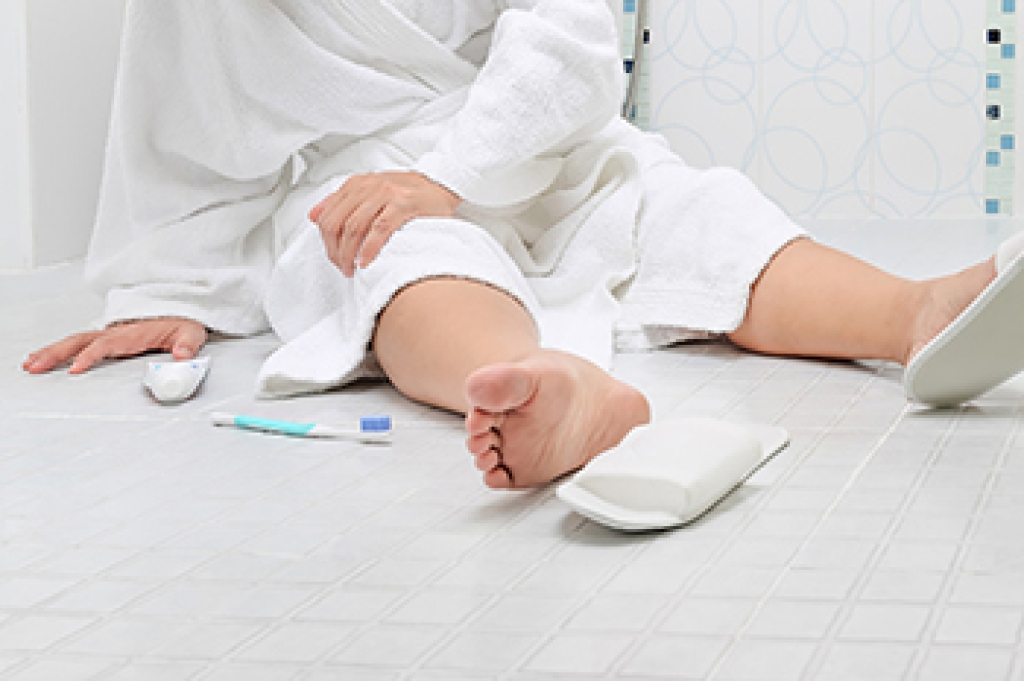
Falling can cause significant injuries to the feet, including sprains, fractures, and bruising. Impact from a fall may weaken the muscles and joints, leading to instability and discomfort. Strengthening the feet can help prevent falls by improving balance and stability. Using a resistance band to perform foot exercises enhances flexibility and strengthens the muscles that support the arches. Picking up marbles with the toes helps improve dexterity and grip strength, making the feet more responsive to changes in terrain. Regular stretching and strengthening exercises increase foot control, reducing the risk of missteps. Wearing supportive footwear and maintaining strong, flexible feet contribute to better stability. If you have fallen and have sustained a foot or ankle injury, it is suggested that you promptly visit a podiatrist who can treat various foot conditions.

Preventing falls among the elderly is very important. If you are older and have fallen or fear that you are prone to falling, consult with one of our podiatrists from East Ocean Podiatry . Our doctors will assess your condition and provide you with quality advice and care.

Every 11 seconds, an elderly American is being treated in an emergency room for a fall related injury. Falls are the leading cause of head and hip injuries for those 65 and older. Due to decreases in strength, balance, senses, and lack of awareness, elderly persons are very susceptible to falling. Thankfully, there are a number of things older persons can do to prevent falls.

How to Prevent Falls

Some effective methods that older persons can do to prevent falls include:

  • Enrolling in strength and balance exercise program to increase balance and strength
  • Periodically having your sight and hearing checked
  • Discuss any medications you have with a doctor to see if it increases the risk of falling
  • Clearing the house of falling hazards and installing devices like grab bars and railings
  • Utilizing a walker or cane
  • Wearing shoes that provide good support and cushioning
  • Talking to family members about falling and increasing awareness

Falling can be a traumatic and embarrassing experience for elderly persons; this can make them less willing to leave the house, and less willing to talk to someone about their fears of falling. Doing such things, however, will increase the likelihood of tripping or losing one’s balance. Knowing the causes of falling and how to prevent them is the best way to mitigate the risk of serious injury.  

If you have any questions, please feel free to contact our office located in Deerfield Beach, FL . We offer the newest diagnostic and treatment technologies for all your foot care needs.

Read more about Falls Prevention

Reminder: When Was the Last Time...?

Custom orthotics, or shoe inserts, should be periodically replaced. Orthotics must fit properly to give you the best results. Protect your feet and ankles!

Causes of Toe Joint Pain

Toe joint pain often results from gout, hammertoe, or arthritis. Gout is a form of arthritis that typically affects the big toe joint, causing sudden, intense pain, redness, and swelling. Hammertoe usually occurs in one or more of the smaller toes, as it bends unnaturally, creating discomfort, stiffness, and potential pain in the joint. Other causes of toe joint pain include overuse, trauma, or misalignment. Symptoms often include swelling, redness, or warmth in the affected area, along with difficulty walking or putting pressure on the toe. The pain can be sharp or throbbing, and may worsen at night or after certain activities. A podiatrist can help by diagnosing the underlying cause of the toe pain and recommending medication, targeted exercises, custom orthotics, or even surgery, in severe cases. If you have toe pain, it is suggested that you schedule an appointment with a podiatrist.

Toe pain can disrupt your daily activities. If you have any concerns, contact one of our podiatrists of East Ocean Podiatry . Our doctors can provide the care you need to keep you pain-free and on your feet.

What Causes Toe Pain?

Most severe toe pain is caused due to a sports injury, trauma from dropping something heavy on the toe, or bumping into something rigid. Other problems can develop over time for various reasons.

Toe pain can be caused by one or more ailments. The most common include:

  • Trauma
  • Sports injury
  • Wearing shoes that are too tight
  • Arthritis
  • Gout
  • Corns and calluses
  • Hammertoe
  • Bunions
  • Blisters
  • Ingrown toenails
  • Sprains
  • Fractures (broken bones)
  • Dislocations

When to See a Podiatrist

  • Severe pain
  • Persistent pain that lasts more than a week
  • Signs of infection
  • Continued swelling
  • Pain that prevents walking

Diagnosis

In many cases the cause of toe pain is obvious, but in others, a podiatrist may want to use more advanced methods to determine the problem. These can range from simple visual inspections and sensation tests to X-rays and MRI scans. Prior medical history, family medical history, and any recent physical traumatic events will all be taken into consideration for a proper diagnosis.

Treatment

Treatments for toe pain and injuries vary and may include shoe inserts, padding, taping, medicines, injections, and in some cases, surgery. If you believe that you have broken a toe, please see a podiatrist as soon as possible.

If you have any questions please contact our office located in Deerfield Beach, FL . We offer the newest diagnostic and treatment technologies for all your foot and ankle needs.

Read more about Toe Pain

Exercises Can Ease Morton’s Neuroma Pain

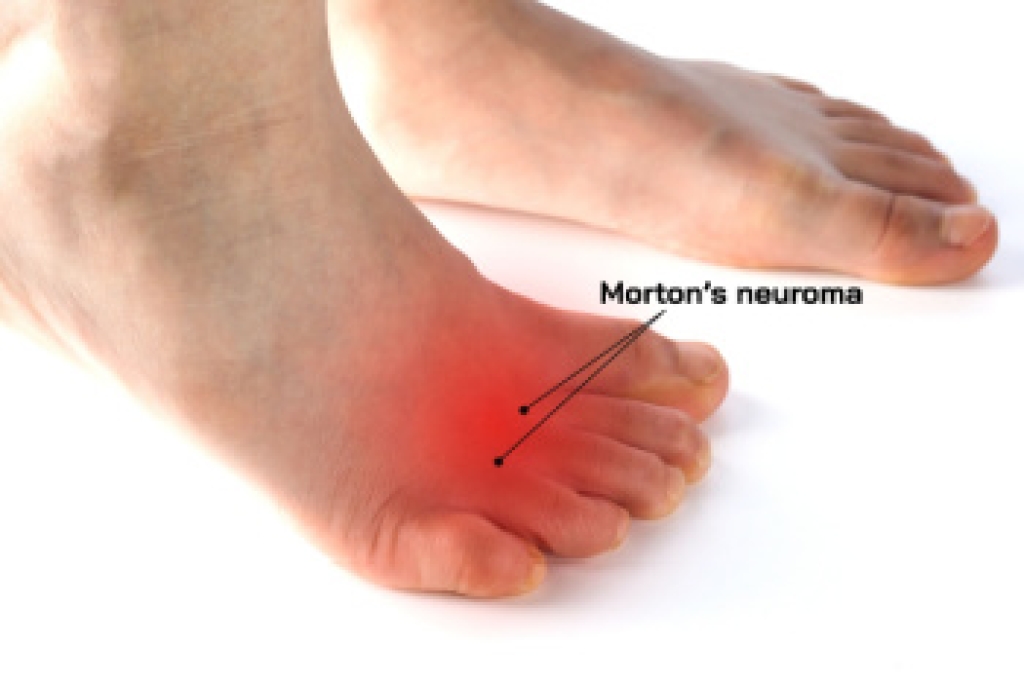
Morton’s neuroma affects the ball of the foot, often occurring between the third and fourth toes. Morton’s neuroma develops when the plantar digital nerve becomes compressed. This leads to thickened tissue and causes sharp or burning pain, numbness, or the sensation of a pebble inside the shoe. Exercises can help by improving foot strength, flexibility, and alignment to reduce pressure on the nerve. Toe-spreading exercises encourage natural toe positioning, while stretching the big toe and calf muscles can relieve tension in the forefoot. Strengthening exercises, such as towel curls and single-leg balance drills, help stabilize the foot and distribute weight more evenly during movement. Rolling a ball under the arch of the foot may also aid in reducing discomfort. While these exercises may provide relief, persistent symptoms should not be ignored. A podiatrist can evaluate your symptoms, recommend orthotic support if necessary, and determine whether additional treatment is required. If you have symptoms of Morton's neuroma, it is suggested that you schedule an appointment with a podiatrist for an exam, diagnosis, and treatment options.

Morton’s neuroma is a very uncomfortable condition to live with. If you think you have Morton’s neuroma, contact one of our podiatrists of East Ocean Podiatry . Our doctors will attend to all of your foot care needs and answer any of your related questions.  

Morton’s Neuroma

Morton's neuroma is a painful foot condition that commonly affects the areas between the second and third or third and fourth toe, although other areas of the foot are also susceptible. Morton’s neuroma is caused by an inflamed nerve in the foot that is being squeezed and aggravated by surrounding bones.

What Increases the Chances of Having Morton’s Neuroma?

  • Ill-fitting high heels or shoes that add pressure to the toe or foot
  • Jogging, running or any sport that involves constant impact to the foot
  • Flat feet, bunions, and any other foot deformities

Morton’s neuroma is a very treatable condition. Orthotics and shoe inserts can often be used to alleviate the pain on the forefront of the feet. In more severe cases, corticosteroids can also be prescribed. In order to figure out the best treatment for your neuroma, it’s recommended to seek the care of a podiatrist who can diagnose your condition and provide different treatment options.

If you have any questions, please feel free to contact our office located in Deerfield Beach, FL . We offer the newest diagnostic and treatment technologies for all your foot care needs.
Read more about What is Morton's Neuroma?

Connect With Us