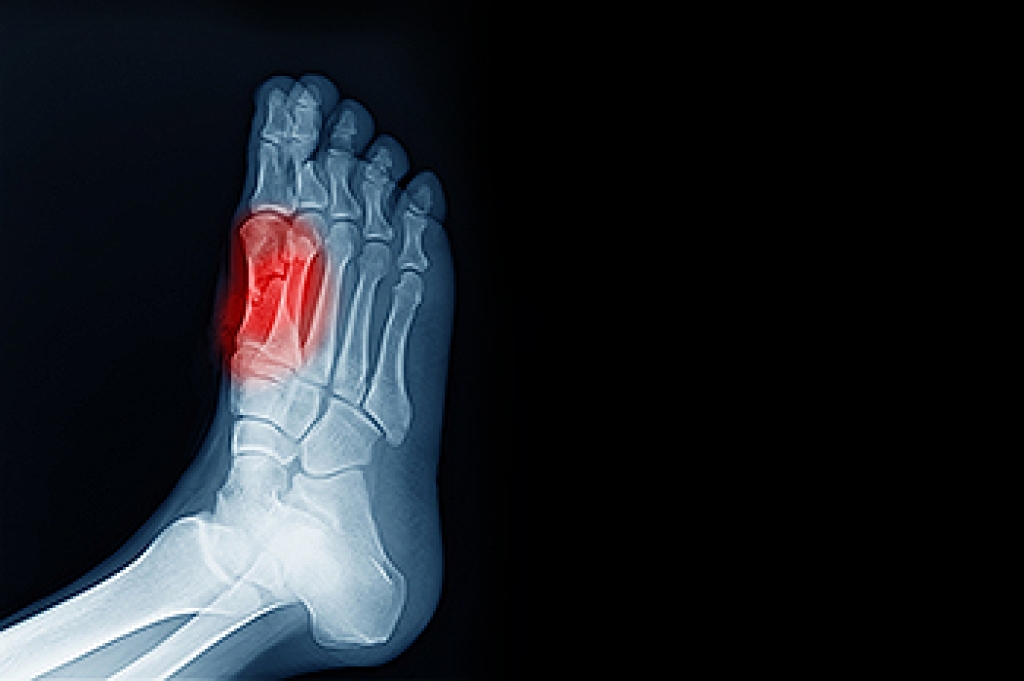
All About Sesamoiditis

Sesamoiditis is an inflammation of two tiny bones under the big toe and the tendons they are wrapped in. Sesamoids help support your weight as it transfers to the ball of the foot when you run, dance and walk in high heels. These bones are embedded in tendons, and when they become irritated from overuse they cause inflammation, or tendonitis. Symptoms of sesamoiditis include pain under the big toe, difficulty bending the big toe, swelling, redness and sometimes bruising. Just walking can be painful. People with high arches or flat feet, who roll their foot inward when they walk, or who have gout are at risk for sesamoiditis. A podiatrist can examine your feet and test for mobility, as well as to rule out other causes of your condition, such as bone fracture or turf toe. Treatment may include steroid injections or, in chronic cases, surgery. Please consult a podiatrist for further information. 

Sesamoiditis is an unpleasant foot condition characterized by pain in the balls of the feet. If you think you’re struggling with sesamoiditis, contact one of our podiatrists of East Ocean Podiatry . Our doctors will treat your condition thoroughly and effectively.

Sesamoiditis

Sesamoiditis is a condition of the foot that affects the ball of the foot. It is more common in younger people than it is in older people. It can also occur with people who have begun a new exercise program, since their bodies are adjusting to the new physical regimen. Pain may also be caused by the inflammation of tendons surrounding the bones. It is important to seek treatment in its early stages because if you ignore the pain, this condition can lead to more serious problems such as severe irritation and bone fractures.

Causes of Sesamoiditis

  • Sudden increase in activity
  • Increase in physically strenuous movement without a proper warm up or build up
  • Foot structure: those who have smaller, bonier feet or those with a high arch may be more susceptible

Treatment for sesamoiditis is non-invasive and simple. Doctors may recommend a strict rest period where the patient forgoes most physical activity. This will help give the patient time to heal their feet through limited activity. For serious cases, it is best to speak with your doctor to determine a treatment option that will help your specific needs.

If you have any questions, please feel free to contact our office located in Deerfield Beach, FL . We offer the newest diagnostic and treatment technologies for all your foot care needs.
Read more about Sesamoiditis

Blisters on the Feet

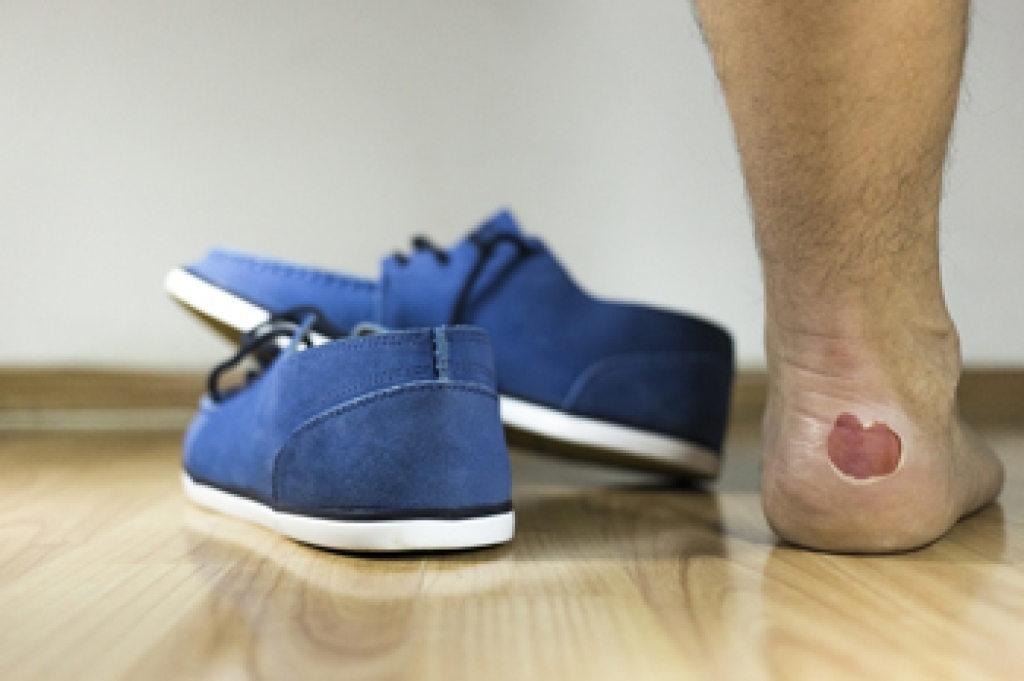
Blisters on feet and toes are a common and painful foot condition. A foot blister is a small, fluid filled bubble-like pocket that develops on the upper layers of the skin from damage or friction. Foot blisters are the body’s way of preventing further damage as the collection of fluid under the skin provides cushioning and allows the area to heal. Such blisters can vary in size and depth depending on how they come about. The different types of foot blisters that can develop include clear blisters, blood blisters, or infected blisters. Clear blisters are filled with clear plasma fluid, blood blisters contain blood and show that some of the small blood vessels and skin are damaged, and infected blisters may contain white or yellow tinged pus. Usually, blisters are caused by friction from the foot rubbing against a shoe that is too tight or loose or from walking or running long distances. However, blisters can also arise from infections, burns, extreme weather exposure, existing medical conditions, and chemical exposure. Many foot blisters will heal naturally – the skin will harden and fall off. It is important that one not attempt to burst a blister to avoid infection. If you have a foot blister that is not healing in a timely way, seems to be getting worse, is causing a lot of pain, or appears infected, see a podiatrist who is trained in providing treatment for these types of foot conditions.

Blisters are prone to making everyday activities extremely uncomfortable. If your feet are hurting, contact one of our podiatrists of East Ocean Podiatry . Our doctors can provide the care you need to keep you pain-free and on your feet.

Foot Blisters

Foot blisters develop as a result of constantly wearing tight or ill-fitting footwear. This happens due to the constant rubbing from the shoe, which can often lead to pain.

What Are Foot Blisters?

A foot blister is a small fluid-filled pocket that forms on the upper-most layer of the skin. Blisters are filled with clear fluid and can lead to blood drainage or pus if the area becomes infected.

How Do Blisters Form?

Blisters on the feet are often the result of constant friction of skin and material, usually by shoe rubbing. Walking in sandals, boots, or shoes that don’t fit properly for long periods of time can result in a blister. Having consistent foot moisture and humidity can easily lead to blister formation.

Prevention & Treatment

It is important to properly care for the affected area in order to prevent infection and ease the pain. Do not lance the blister and use a Band-Aid to provide pain relief. Also, be sure to keep your feet dry and wear proper fitting shoes. If you see blood or pus in a blister, seek assistance from a podiatrist.

If you have any questions, please feel free to contact our office located in Deerfield Beach, FL . We offer the newest diagnostic and treatment technologies for all your foot care needs.
Read more about Blisters

Dealing With Plantar Warts

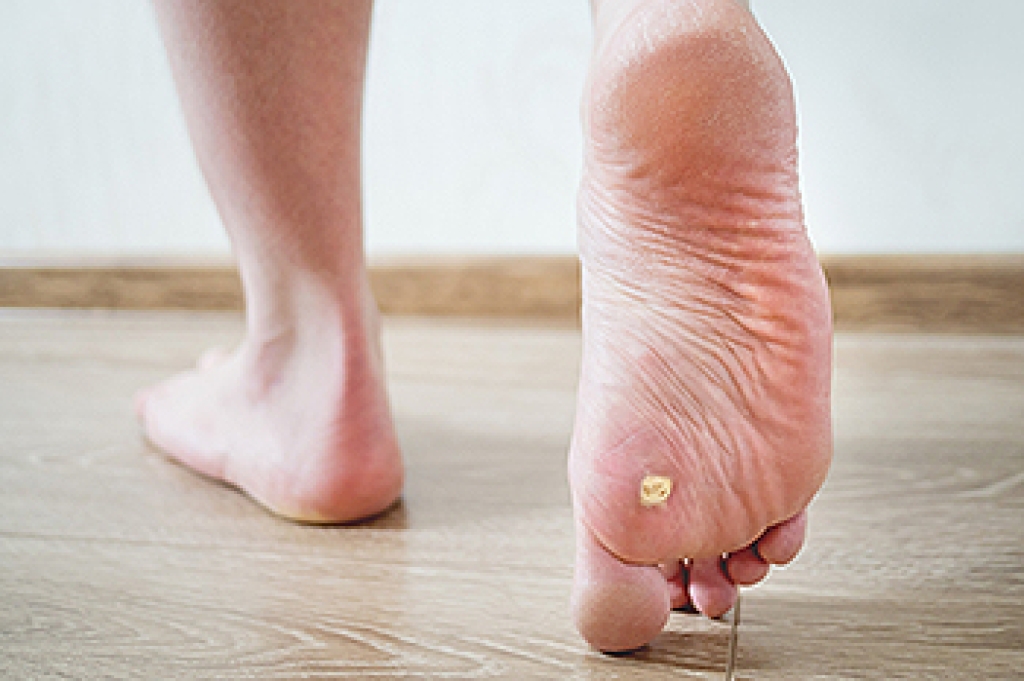
If you notice a flat hardened callus on the bottom of your foot with tiny black spots showing beneath the skin, you may have a plantar wart. The area might be tender, but try not to touch it. This growth may be caused by the human papillomavirus (HPV), which is highly contagious and can enter your body through cuts or sores. The most common places to come into contact with HPV are swimming pools, locker rooms, and bathroom floors, all areas in which you are more likely to walk barefooted. Generally speaking, plantar warts are not dangerous, but they do spread rapidly. The most effective preventative method is to wear foot coverings in places where the virus thrives. If plantar warts become a common occurrence, refuse to go away on their own, or inhibit your ability to walk, it is a good idea to visit a podiatrist for guidance and a range of treatment options.

Plantar warts can be very uncomfortable. If you need your feet checked, contact one of our podiatrists from East Ocean Podiatry . Our doctors will assist you with all of your foot and ankle needs.

About Plantar Warts

Plantar warts are the result of HPV, or human papillomavirus, getting into open wounds on the feet. They are mostly found on the heels or balls of the feet.

While plantar warts are generally harmless, those experiencing excessive pain or those suffering from diabetes or a compromised immune system require immediate medical care. Plantar warts are easily diagnosed, usually through scraping off a bit of rough skin or by getting a biopsy.

Symptoms

  • Lesions on the bottom of your feet, usually rough and grainy
  • Hard or thick callused spots
  • Wart seeds, which are small clotted blood vessels that look like little black spots
  • Pain, discomfort, or tenderness of your feet when walking or standing

Treatment

  • Freezing
  • Electric tool removal
  • Laser Treatment
  • Topical Creams (prescription only)
  • Over-the-counter medications

To help prevent developing plantar warts, avoid walking barefoot over abrasive surfaces that can cause cuts or wounds for HPV to get into. Avoiding direct contact with other warts, as well as not picking or rubbing existing warts, can help prevent the further spread of plantar warts. However, if you think you have developed plantar warts, speak to your podiatrist. He or she can diagnose the warts on your feet and recommend the appropriate treatment options.

If you have any questions, please feel free to contact our office located in Deerfield Beach, FL . We offer the newest diagnostic and treatment technologies for all your foot care needs.

Read more about What Are Plantar Warts?

Buddy Taping or Surgery May Be Options for a Broken Toe

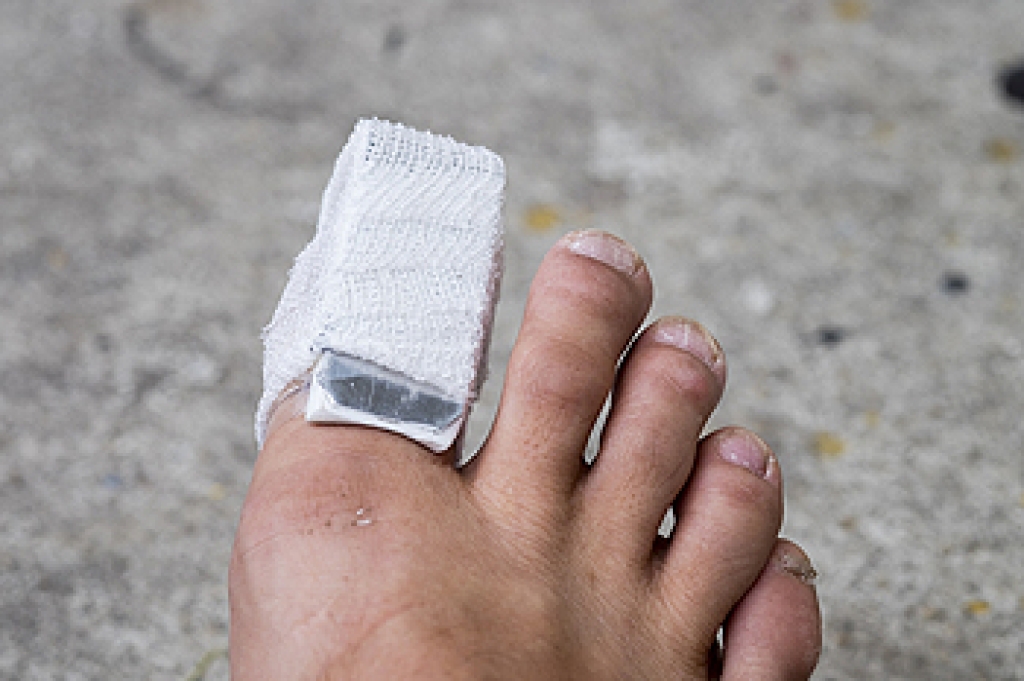
A broken toe can occur when a heavy object drops on it, or if it is stubbed against a piece of furniture. It generally causes immediate pain, and can look bruised and swollen. It is common for the surrounding ligaments and tendons to become damaged when a broken toe occurs, and walking can be difficult. A proper diagnosis consists of having an X-ray taken, in addition to assessing the alignment of the toes. If the fracture is mild, buddy taping may be an effective form of treatment. This is done by taping the broken toe to the toe next to it, and this can provide the stability that is needed as the healing process occurs. Some patients are able to wear a stiff-soled shoe that can help to eliminate toe movement. Surgery may be a necessary option to realign toes if they are significantly deformed. As healing takes place, it is beneficial to frequently elevate the foot which can help to reduce existing swelling. If you have fractured your toe, it is strongly suggested that you confer with a podiatrist as quickly as possible who can determine what the best course of treatment is for you.

A broken toe can be very painful and lead to complications if not properly fixed. If you have any concerns about your feet, contact one of our podiatrists from East Ocean Podiatry . Our doctors will treat your foot and ankle needs.

What to Know About a Broken Toe

Although most people try to avoid foot trauma such as banging, stubbing, or dropping heavy objects on their feet, the unfortunate fact is that it is a common occurrence. Given the fact that toes are positioned in front of the feet, they typically sustain the brunt of such trauma. When trauma occurs to a toe, the result can be a painful break (fracture).

Symptoms of a Broken Toe

  • Throbbing pain
  • Swelling
  • Bruising on the skin and toenail
  • The inability to move the toe
  • Toe appears crooked or disfigured
  • Tingling or numbness in the toe

Generally, it is best to stay off of the injured toe with the affected foot elevated.

Severe toe fractures may be treated with a splint, cast, and in some cases, minor surgery. Due to its position and the pressure it endures with daily activity, future complications can occur if the big toe is not properly treated.

If you have any questions, please feel free to contact our office located in Deerfield Beach, FL . We offer the newest diagnostic and treatment technologies for all your foot care needs.

Read more about What to Know About a Broken Toe

Keep Your Feet Healthy So You Can Stay Active

Have your feet inspected by a professional before starting a new sport or physical activity. Taking charge of your foot health will keep you in good physical condition and can help you avoid a potential injury, such as a fracture or sprained ankle.

Prevent injuries and see a foot specialist.

Connect With Us