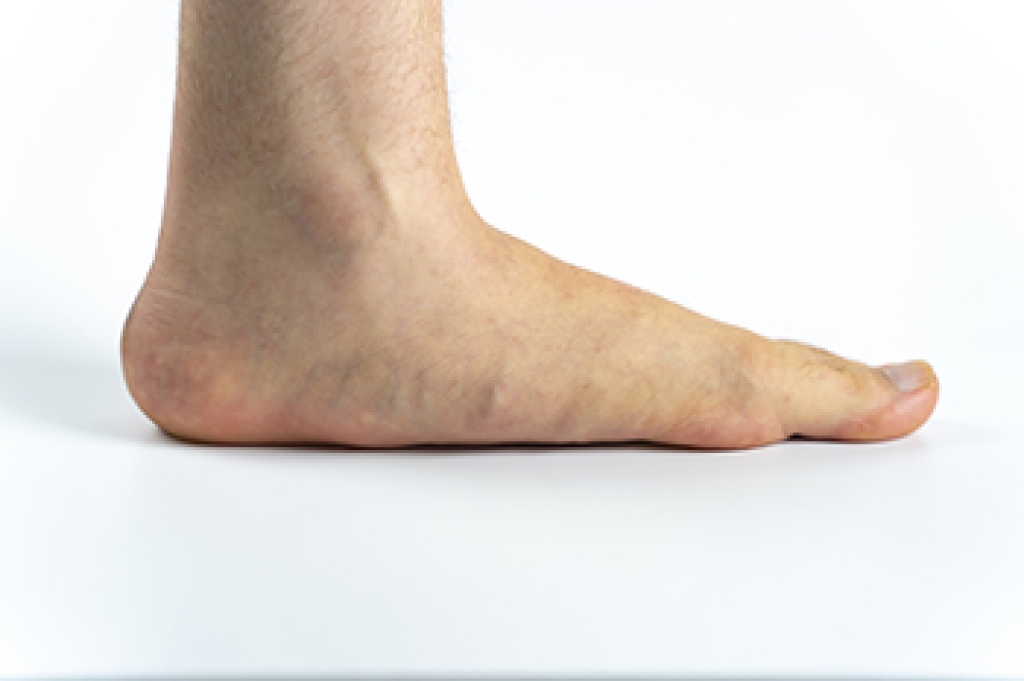
What Are the Causes and Symptoms of Flat Feet?

Flat feet, also known as fallen arches or pes planus, is a common condition where the arches of the feet are significantly reduced or nonexistent. This can be caused by various factors and is often associated with a range of symptoms. The most common cause of flat feet is genetics, where an individual inherits the condition from their family. In some cases, arches may not fully develop during childhood, leading to flat feet. Other causes can include injuries, muscle or tendon imbalances, and conditions such as arthritis, which can weaken the arch-supporting structures. Symptoms of flat feet can vary, with some people experiencing pain and discomfort, particularly in the arch area or heels. Others may not have any noticeable symptoms at all. The condition can lead to overpronation, causing the feet to roll inward when walking, which may result in problems like shin splints or knee pain. If you have flat feet, it is strongly suggested that you are under the care of a podiatrist who can offer you relief and treatment options.

Flatfoot is a condition many people suffer from. If you have flat feet, contact one of our podiatrists from East Ocean Podiatry . Our doctors will treat your foot and ankle needs.

What Are Flat Feet?

Flatfoot is a condition in which the arch of the foot is depressed and the sole of the foot is almost completely in contact with the ground. About 20-30% of the population generally has flat feet because their arches never formed during growth.

Conditions & Problems:

Having flat feet makes it difficult to run or walk because of the stress placed on the ankles.

Alignment – The general alignment of your legs can be disrupted, because the ankles move inward which can cause major discomfort.

Knees – If you have complications with your knees, flat feet can be a contributor to arthritis in that area.  

Symptoms

  • Pain around the heel or arch area
  • Trouble standing on the tip toe
  • Swelling around the inside of the ankle
  • Flat look to one or both feet
  • Having your shoes feel uneven when worn

Treatment

If you are experiencing pain and stress on the foot you may weaken the posterior tibial tendon, which runs around the inside of the ankle. 

If you have any questions, please feel free to contact our office located in Deerfield Beach, FL . We offer the newest diagnostic and treatment technologies for all your foot care needs.
Read more about Flat Feet

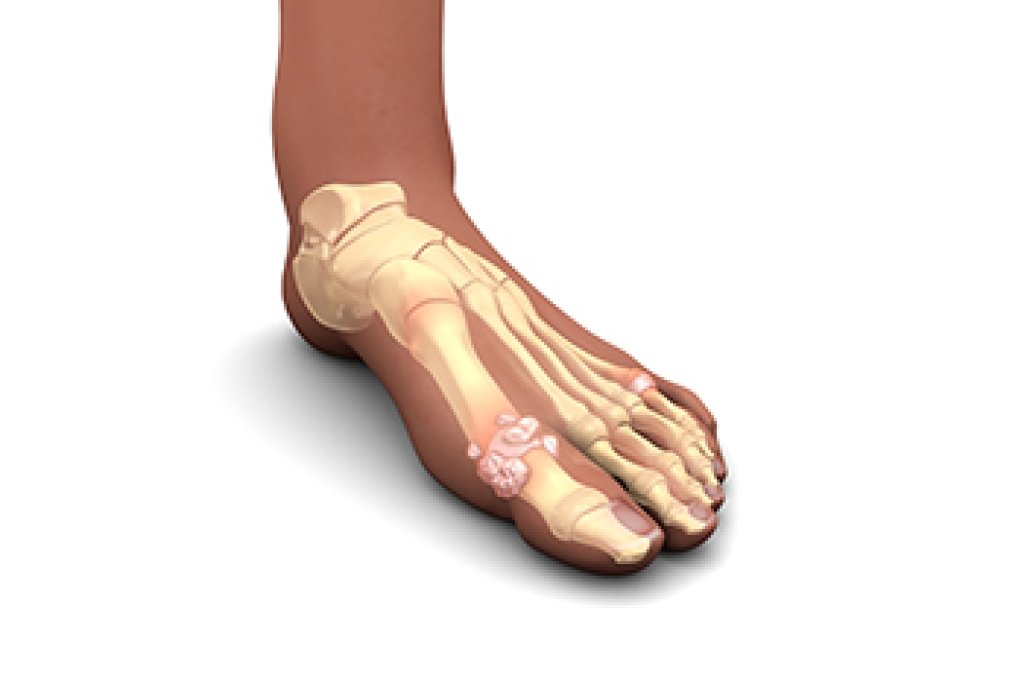
Who Is Prone to Getting Gout?

Gout is a form of arthritis characterized by painful, inflamed joints. It typically affects the joints in the big toe but can occur in other joints as well. Gout is primarily caused by the buildup of uric acid crystals in the affected joints. While gout was historically associated with rich diets, today, gout can affect anyone, regardless of social status. However, certain factors can increase one's vulnerability. Men are more susceptible than women, with an increased risk after the age of 30. A family history of gout can also predispose individuals. Lifestyle choices, such as consuming purine-rich foods, excessive alcohol consumption, and obesity, can contribute to higher uric acid levels, thereby increasing the risk of developing gout. Understanding the definition of gout and its risk factors is essential for early diagnosis and effective management. If you suspect you may be prone to gout or are experiencing symptoms, it is suggested that you contact a podiatrist who can properly diagnose this condition, and offer appropriate treatment and relief choices.

Gout is a painful condition that can be treated. If you are seeking treatment, contact one of our podiatrists from East Ocean Podiatry . Our doctors will treat your foot and ankle needs.

What Is Gout?

Gout is a form of arthritis that is characterized by sudden, severe attacks of pain, redness, and tenderness in the joints. The condition usually affects the joint at the base of the big toe. A gout attack can occur at any random time, such as the middle of the night while you are asleep.

Symptoms

  • Intense Joint Pain - Usually around the large joint of your big toe, and it most severe within the first four to twelve hours
  • Lingering Discomfort - Joint discomfort may last from a few days to a few weeks
  • Inflammation and Redness -Affected joints may become swollen, tender, warm and red
  • Limited Range of Motion - May experience a decrease in joint mobility

Risk Factors

  • Genetics - If family members have gout, you’re more likely to have it
  • Medications - Diuretic medications can raise uric acid levels
  • Gender/Age - Gout is more common in men until the age of 60. It is believed that estrogen protects women until that point
  • Diet - Eating red meat and shellfish increases your risk
  • Alcohol - Having more than two alcoholic drinks per day increases your risk
  • Obesity - Obese people are at a higher risk for gout

Prior to visiting your podiatrist to receive treatment for gout, there are a few things you should do beforehand. If you have gout you should write down your symptoms--including when they started and how often you experience them, important medical information you may have, and any questions you may have. Writing down these three things will help your podiatrist in assessing your specific situation so that he or she may provide the best route of treatment for you.

If you have any questions, please feel free to contact our office located in Deerfield Beach, FL . We offer the newest diagnostic and treatment technologies for all your foot care needs.

Read more about Gout

Common Causes of Heel Pain

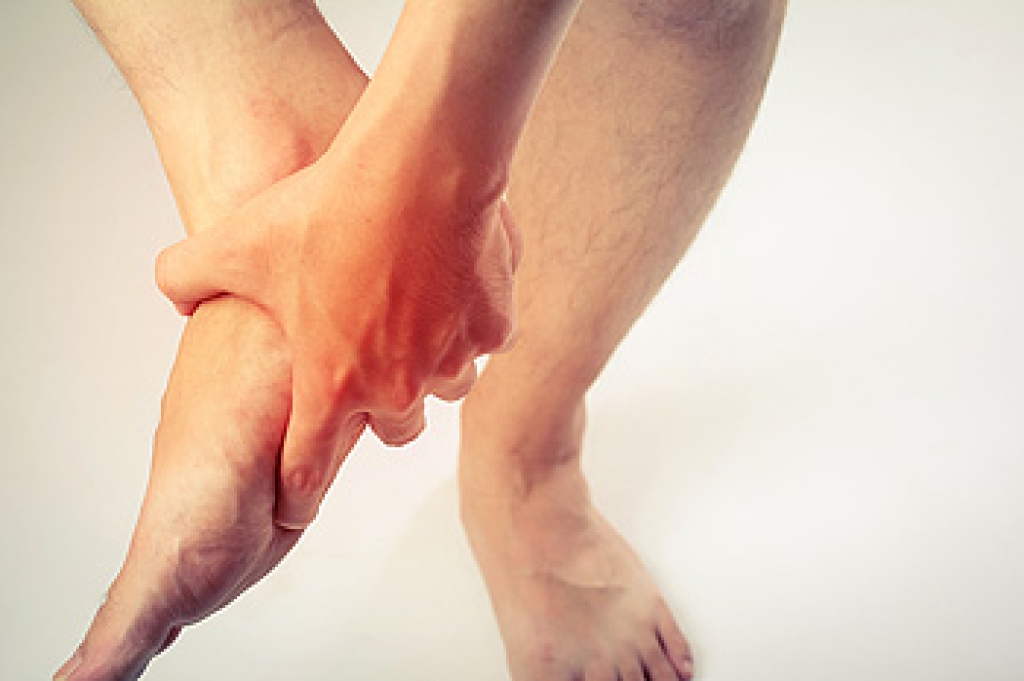
Heel pain is a prevalent issue that affects people of all ages, whether you are an athlete, a busy professional, or a parent. Plantar fasciitis is the most common complaint of heel pain. It occurs when excessive pressure on the feet damages the plantar fascia ligament, resulting in pain and stiffness. This condition is often associated with activities that put stress on the feet, like running or standing for extended periods. The next most common causes of heel pain are sprains and strains, which are injuries to the body. These ailments can range from minor to severe and are often the result of physical activities or accidents. A fractured heel can be caused by accidents, falls, or severe trauma. This is considered a medical emergency and requires urgent care. If you experience sudden, severe pain in your heel, in addition to swelling and difficulty bearing weight, it is beneficial to seek immediate medical attention. Achilles tendonitis is another common reason for heel pain, caused when the tendon connecting the calf muscles to the heel becomes inflamed due to overuse injuries. Finally, bursitis is an inflammation of the fluid filled sacs surrounding joints, where tendons, skin, and muscle tissues meet bones. It can lead to heel pain and discomfort. If you have any type of heel pain that inhibits your daily life, it is suggested that you make an appointment with a podiatrist for a diagnosis and treatment options. 

Many people suffer from bouts of heel pain. For more information, contact one of our podiatrists of East Ocean Podiatry . Our doctors can provide the care you need to keep you pain-free and on your feet.

Causes of Heel Pain

Heel pain is often associated with plantar fasciitis. The plantar fascia is a band of tissues that extends along the bottom of the foot. A rip or tear in this ligament can cause inflammation of the tissue.

Achilles tendonitis is another cause of heel pain. Inflammation of the Achilles tendon will cause pain from fractures and muscle tearing. Lack of flexibility is also another symptom.

Heel spurs are another cause of pain. When the tissues of the plantar fascia undergo a great deal of stress, it can lead to ligament separation from the heel bone, causing heel spurs.

Why Might Heel Pain Occur?

  • Wearing ill-fitting shoes                
  • Wearing non-supportive shoes
  • Weight change           
  • Excessive running

Treatments

Heel pain should be treated as soon as possible for immediate results. Keeping your feet in a stress-free environment will help. If you suffer from Achilles tendonitis or plantar fasciitis, applying ice will reduce the swelling. Stretching before an exercise like running will help the muscles. Using all these tips will help make heel pain a condition of the past.

If you have any questions, please feel free to contact our office located in Deerfield Beach, FL . We offer the newest diagnostic and treatment technologies for all your foot care needs.

Read more about Heel Pain

Get Professional Care for a Broken Foot or Ankle

Constant care and regular evaluation are important for a foot or ankle fracture. If left untreated, foot or ankle fractures can worsen over time and create more serious problems.

Don't wait to be examined if you believe you've experienced a foot or ankle fracture.

Fungal and Bacterial Infections From Wearing Flip-Flops

Wearing flip-flops leaves your feet vulnerable to various infections, from bacteria to viruses. When your feet are exposed in public places, harmful organisms, such as staphylococcus, can cling to them. This bacterium can cause skin irritation, and in extreme cases, serious foot conditions may emerge. The risk increases if you have open sores or even small wounds from recent pedicures. Another concern is athlete's foot, which is a contagious fungal infection that causes itching. Walking with minimal footwear increases the chances of encountering and contracting this fungus. You also risk exposure to the virus responsible for warts, which is HPV, while wearing flip-flops. If you enjoy wearing flip-flops, it is suggested that you make an appointment with a podiatrist to discuss similarly easy and comfortable footwear alternatives that are healthier for your feet.

Flip-flops can cause a lot of problems for your feet. If you have any concerns about your feet or ankles, contact one of our podiatrists from East Ocean Podiatry . Our doctors will assist you with all of your foot and ankle needs.

Flip-Flops and Feet

Flip-flops have managed to become a summer essential for a lot of people. While the shoes may be stylish and easy to slip on and off, they can be dangerous to those who wear them too often. These shoes might protect you from fungal infections such as athlete’s foot, but they can also give you foot pain and sprained ankles if you trip while wearing them.

When Are They Okay to Wear?

Flip-flops should only be worn for very short periods of time. They can help protect your feet in places that are crawling with fungi, such as gym locker rooms. Athlete’s foot and plantar warts are two common fungi that flip-flops may help protect your feet against.

Why Are They Bad for My Feet?

These shoes do not offer any arch support, so they are not ideal for everyday use. They also do not provide shock absorption or heel cushioning which can be problematic for your feet. Additionally, you may suffer from glass cuts, puncture wounds, and stubbed toes since they offer little protection for your feet.

More Reasons Why They Are Bad for Your Feet

  • They Slow You Down
  • May Cause Blisters and Calluses
  • Expose Your Feet to Bacteria

If you have any questions, please feel free to contact our office located in Deerfield Beach, FL . We offer the newest diagnostic and treatment technologies for all your foot care needs.

Read more about Flip Flops and Your Feet

Connect With Us