Typical Causes of Heel Pain

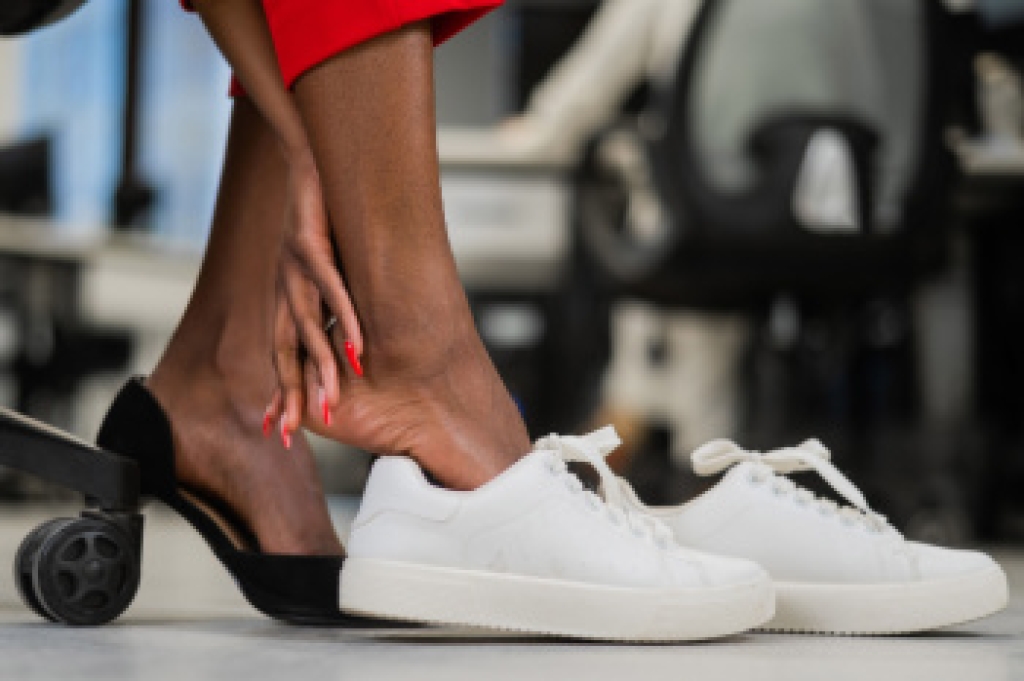
Heel pain can affect people of all ages and activity levels. It often stems from issues like plantar fasciitis, heel spurs, Achilles tendonitis, or bursitis. Plantar fasciitis, a leading cause of heel pain, occurs when the ligament supporting the foot's arch becomes inflamed due to overuse or stress. Similarly, heel spurs, which are bony growths at the bottom or back of the heel, may develop from prolonged strain on the plantar fascia. Inflammation of the Achilles tendon causes pain at the back of the heel where it connects the calf muscle to the heel bone. It is often triggered by repetitive activities or wearing poorly supportive footwear. Bursitis, or inflammation of the fluid-filled sacs that cushion the heel, can result from friction or underlying conditions like arthritis. A podiatrist can identify the root cause of heel pain by conducting a physical examination and ordering X-rays and digital imaging tests, if needed. If you are experiencing chronic or extreme heel pain, it is suggested that you schedule an appointment with a podiatrist for a diagnosis and treatment.

Many people suffer from bouts of heel pain. For more information, contact one of our podiatrists of East Ocean Podiatry . Our doctors can provide the care you need to keep you pain-free and on your feet.

Causes of Heel Pain

Heel pain is often associated with plantar fasciitis. The plantar fascia is a band of tissues that extends along the bottom of the foot. A rip or tear in this ligament can cause inflammation of the tissue.

Achilles tendonitis is another cause of heel pain. Inflammation of the Achilles tendon will cause pain from fractures and muscle tearing. Lack of flexibility is also another symptom.

Heel spurs are another cause of pain. When the tissues of the plantar fascia undergo a great deal of stress, it can lead to ligament separation from the heel bone, causing heel spurs.

Why Might Heel Pain Occur?

  • Wearing ill-fitting shoes                
  • Wearing non-supportive shoes
  • Weight change           
  • Excessive running

Treatments

Heel pain should be treated as soon as possible for immediate results. Keeping your feet in a stress-free environment will help. If you suffer from Achilles tendonitis or plantar fasciitis, applying ice will reduce the swelling. Stretching before an exercise like running will help the muscles. Using all these tips will help make heel pain a condition of the past.

If you have any questions, please feel free to contact our office located in Deerfield Beach, FL . We offer the newest diagnostic and treatment technologies for all your foot care needs.
Read more about Heel Pain

Do Your Child's Feet Hurt?

Have your child's feet been examined lately? Healthy feet are happy feet. If your child is complaining of foot pain, it may be a sign of underlying problems.

Improving Foot Health

Podiatrists play a vital role in maintaining and improving foot health through comprehensive assessments and tailored care. During an exam, these doctors evaluate the structure, alignment, and function of the feet, looking for issues like abnormal gait, skin changes, or signs of underlying conditions. They assess footwear choices and advise on proper shoe fit to prevent problems like bunions or calluses. For those with specific conditions like diabetes, podiatrists focus on preventing complications by examining the skin and checking circulation and nerve function. If issues like nail infections, corns, or chronic pain are present, podiatrists provide targeted treatments, which may include orthotics, wound care, or recommendations for daily foot care routines. If you would like to make sure you are tending to proper foot care or if you have specific concerns about your feet or ankles, it is suggested that you schedule regular appointments with a podiatrist who can monitor changes over time, address any emerging concerns, and promote long-term foot health.

Everyday foot care is very important to prevent infection and other foot ailments. If you need your feet checked, contact one of our podiatrists from East Ocean Podiatry . Our doctors can provide the care you need to keep you pain-free and on your feet.

Everyday Foot Care

Often, people take care of their bodies, face and hair more so than they do for their feet. But the feet are a very important aspect of our bodies, and one that we should pay more attention to. Without our feet, we would not be able to perform most daily tasks.

It is best to check your feet regularly to make sure there are no new bruises or cuts that you may not have noticed before. For dry feet, moisturizer can easily be a remedy and can be applied as often as necessary to the affected areas. Wearing shoes that fit well can also help you maintain good foot health, as well as making it easier to walk and do daily activities without the stress or pain of ill-fitting shoes, high heels, or even flip flops. Wearing clean socks with closed shoes is important to ensure that sweat and bacteria do not accumulate within the shoe. Clean socks help to prevent Athlete’s foot, fungi problems, bad odors, and can absorb sweat.

If you have any questions, please feel free to contact our office located in Deerfield Beach, FL . We offer the newest diagnostic and treatment technologies for all your foot care needs.
Read more about Every Day Foot Care

Using a Brannock Device to Measure Feet

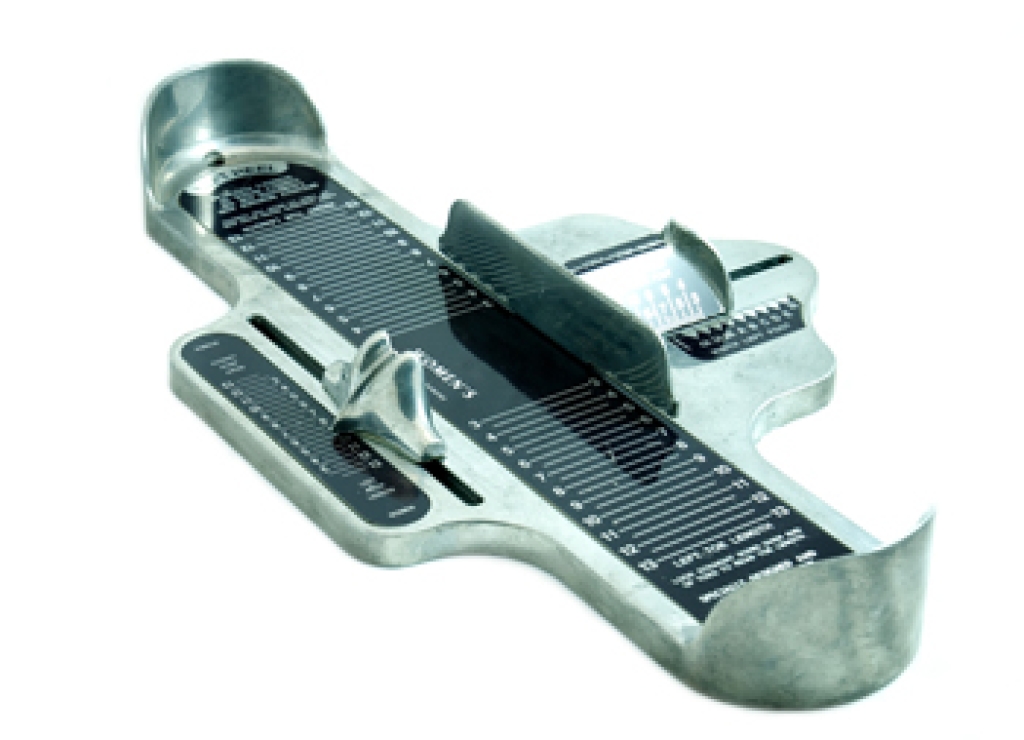
Measuring feet correctly using a Brannock device ensures that shoes fit properly, providing comfort and reducing the risk of foot problems. Begin by having the person stand upright with their weight evenly distributed on both feet. Place the Brannock device under the feet with the heel against the heel cup. Slide the arch gauge so that it rests just under the arch of the foot, ensuring it is snug but not tight. The length measurement is taken by sliding the heel piece to the back of the heel and reading the number on the scale. For width, use the sidebars to measure across the widest part of the foot, typically around the ball. Repeat the process for both feet, as one foot may be slightly larger than the other. These accurate measurements help in selecting the right shoe size for optimal fit and comfort. Wearing shoes that do not fit correctly can cause foot pain. If this has happened to you, it is suggested that you consult a podiatrist who can offer you treatment solutions and guide you on how to obtain the right shoe size.

It is important to find shoes that fit you properly in order to avoid a variety of different foot problems. For more information about treatment, contact one of our podiatrists from East Ocean Podiatry . Our doctors will treat your foot and ankle needs.

Proper Shoe Fitting

Shoes have many different functions. They cushion our body weight, protect our feet, and allow us to safely play sports. You should always make sure that the shoes you wear fit you properly in order to avoid injuries and deformities such as: bunions, corns, calluses, hammertoes, plantar fasciitis, stress fractures, and more. It is important to note that although a certain pair of shoes might be a great fit for someone else, that doesn’t mean they will be a great fit for you. This is why you should always try on shoes before buying them to make sure they are worth the investment. Typically, shoes need to be replaced ever six months to one year of regular use.

Tips for Proper Shoe Fitting

  • Select a shoe that is shaped like your foot
  • Don’t buy shoes that fit too tight, expecting them to stretch to fit
  • Make sure there is enough space (3/8” to ½”) for your longest toe at the end of each shoe when you are standing up
  • Walk in the shoes to make sure they fit and feel right
  • Don’t select shoes by the size marked inside the shoe, but by how the shoe fits your foot

The shoes you buy should always feel as good as they look. Shoes that fit properly will last longer, feel better, and improve your way of life each day.

If you have any questions please contact our office located in Deerfield Beach, FL . We offer the newest diagnostic and treatment technologies for all your foot and ankle needs.

Read more about How to Get a Proper Shoe Fit

Definition and Risk Factors of Clubfoot

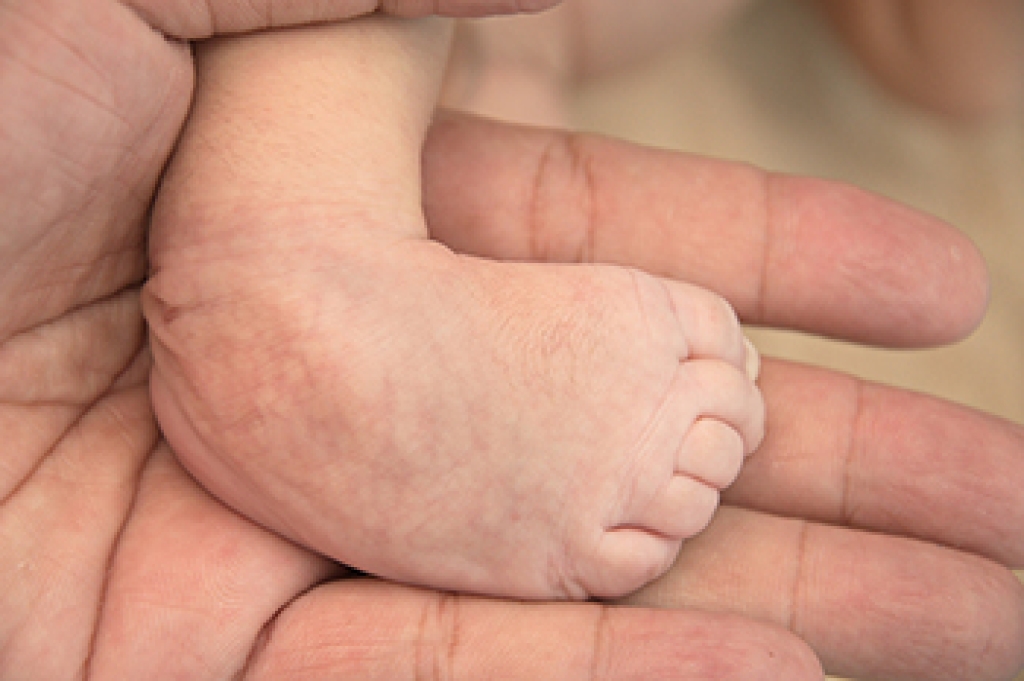
Clubfoot is a congenital condition characterized by a foot that is twisted out of shape or position, often causing the affected foot to appear smaller and turned inward. The condition arises during fetal development and is primarily caused by a shortened Achilles tendon, which limits the foot's range of motion. While the exact cause of clubfoot remains unknown, several risk factors may increase its likelihood. These include a family history of clubfoot, certain maternal conditions like diabetes, and environmental factors during pregnancy. The condition affects boys more frequently than girls and can occur in one or both feet. Early diagnosis and intervention are essential for effective treatment, typically involving gentle stretching exercises, bracing, or, in more severe cases, surgery. If your child has been born with clubfoot, it is suggested that you include a podiatrist on your team of healthcare professionals who can effectively treat this condition.

Congenital foot problems require immediate attention to avoid future complications. If you have any concerns, contact one of our podiatrists of East Ocean Podiatry . Our doctors can provide the care you need to keep you pain-free and on your feet.

Congenital foot problems are deformities affecting the feet, toes, and/or ankles that children are born with. Some of these conditions have a genetic cause while others just happen. Some specific foot ailments that children may be born with include clubfeet, polydactyly/macrodactyly, and cleft foot. There are several other foot anomalies that can occur congenitally. What all of these conditions have in common is that a child may experience difficulty walking or performing everyday activities, as well as trouble finding footwear that fits their foot deformity. Some of these conditions are more serious than others. Consulting with a podiatrist as early as possible will help in properly diagnosing a child’s foot condition while getting the necessary treatment underway.

What are Causes of Congenital Foot Problem?

A congenital foot problem is one that happens to a child at birth. These conditions can be caused by a genetic predisposition, developmental or positional abnormalities during gestation, or with no known cause.

What are Symptoms of Congenital Foot Problems?

Symptoms vary by the congenital condition. Symptoms may consist of the following:

  • Clubfoot, where tendons are shortened, bones are shaped differently, and the Achilles tendon is tight, causing the foot to point in and down. It is also possible for the soles of the feet to face each other.
  • Polydactyly, which usually consists of a nubbin or small lump of tissue without a bone, a toe that is partially formed but has no joints, or an extra toe.
  • Vertical talus, where the talus bone forms in the wrong position causing other bones in the foot to line up improperly, the front of the foot to point up, and the bottom of the foot to stiffen, with no arch, and to curve out.
  • Tarsal coalition, when there is an abnormal connection of two or more bones in the foot leading to severe, rigid flatfoot.
  • Cleft foot, where there are missing toes, a V-shaped cleft, and other anatomical differences.
  • Macrodactyly, when the toes are abnormally large due to overgrowth of the underlying bone or soft tissue.

Treatment and Prevention

While there is nothing one can do to prevent congenital foot problems, raising awareness and receiving neonatal screenings are important. Early detection by taking your child to a podiatrist leads to the best outcome possible.

If you have any questions, please feel free to contact our office located in Deerfield Beach, FL . We offer the newest diagnostic and treatment technologies for all your foot care needs.
Read more about Congenital Foot Problems

Connect With Us