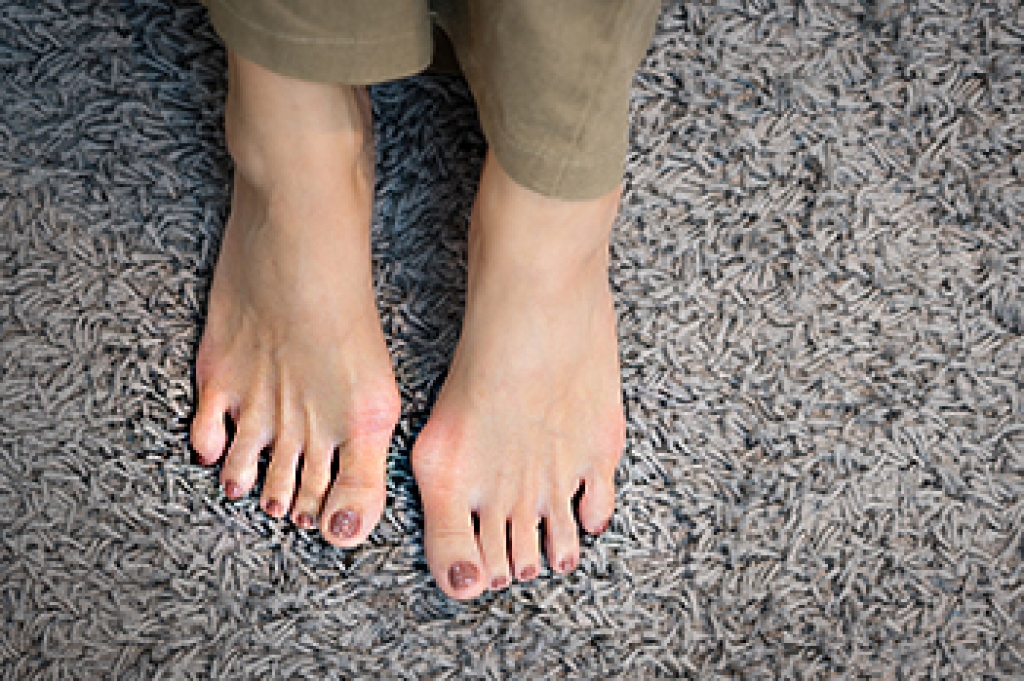
Successful Toe Surgery

There are various reasons patients may choose to have foot surgery, including conditions that involve the small toes. Deformities may develop such as hammertoe and claw toe, and severe cases may require the misaligned tendons to be repaired surgically. Medical ailments which can include rheumatoid arthritis can damage or dislocate the toes, possibly causing severe pain and discomfort. The object of having foot surgery done is to strengthen the toes, which can help shoes to fit comfortably. There are many options for toe surgery, and this depends on what the condition is. Surgery is generally a successful method of putting joints back into their normal place. This may be accomplished by cutting the bones of the toes, which may help them to realign. It is beneficial to prepare the body gradually before the surgery takes place. This can be done by quitting smoking, if applicable, and maintaining a healthy weight. If you have chronic foot or toe pain, it is strongly advised that you are under the care of a podiatrist who can determine if foot surgery is correct for you.

Foot surgery is sometimes necessary to treat a foot ailment. To learn more, contact one of our podiatrists of East Ocean Podiatry . Our doctors will assist you with all of your foot and ankle needs.

When Is Surgery Necessary?

Foot and ankle surgery is generally reserved for cases in which less invasive, conservative procedures have failed to alleviate the problem. Some of the cases in which surgery may be necessary include:

  • Removing foot deformities like bunions and bone spurs
  • Severe arthritis that has caused bone issues
  • Cosmetic reconstruction

What Types of Surgery Are There?

The type of surgery you receive will depend on the nature of the problem you have. Some of the possible surgeries include:

  • Bunionectomy for painful bunions
  • Surgical fusion for realignment of bones
  • Neuropathy decompression surgery to treat nerve damage

Benefits of Surgery

Although surgery is usually a last resort, it can provide more complete pain relief compared to non-surgical methods and may allow you to finally resume full activity.

Surgical techniques have also become increasingly sophisticated. Techniques like endoscopic surgery allow for smaller incisions and faster recovery times.

If you have any questions, please feel free to contact our office located in Deerfield Beach, FL . We offer the newest diagnostic and treatment technologies for all your foot care needs.

Read more about Foot Surgery

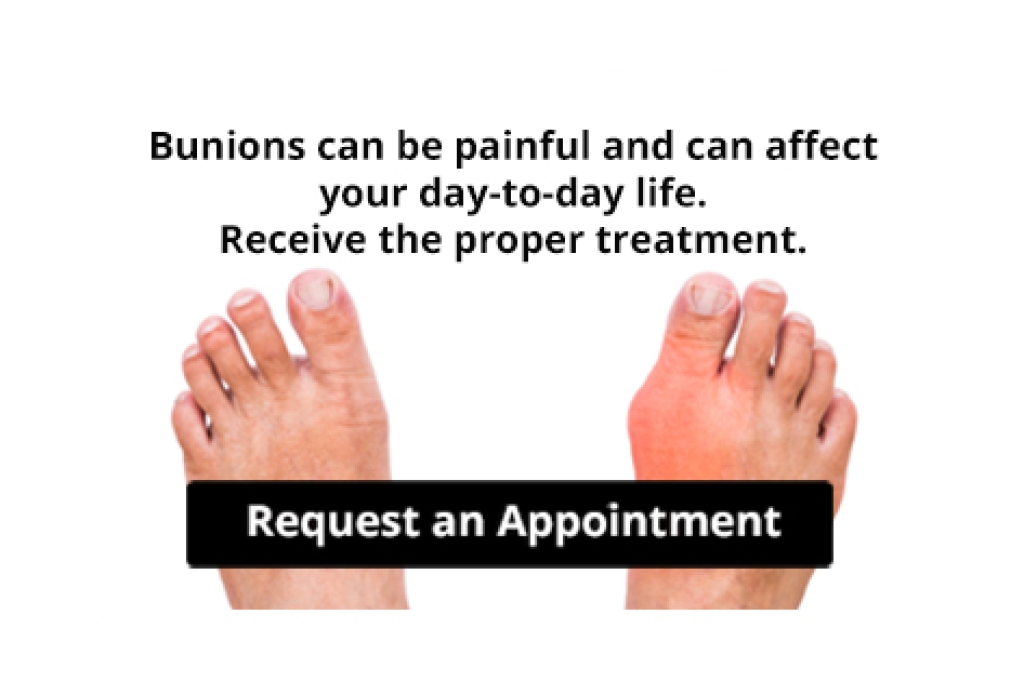
Are Bunions Affecting Your Everyday Life?

Have you noticed a bony protrusion on the side of your big toe? If so, you may have developed the foot condition known as a bunion. Don't let bunions interfere with your daily activities.

Why Pregnant Women May Have Foot Pain

Many pregnant women have foot pain, and despite it being a temporary condition, it is nonetheless difficult to deal with. It may become prevalent in the third trimester and can be a result of the extra weight that has been gained. It is common for the feet to become swollen during pregnancy, which can happen from the additional fluids the body produces to accommodate the growing fetus. Water retention may affect the feet and ankles, and the blood pressure can increase. The body naturally produces the hormone that is known as relaxin, which is meant to loosen the tendons, ligaments, and muscles. This can impact the feet, and they may become wider, often requiring larger shoes to be purchased. If you would like more information about how pregnancy affects the feet, in addition to learning about successful relief methods, please consult with a podiatrist.

Pregnant women with swollen feet can be treated with a variety of different methods that are readily available. For more information about other cures for swollen feet during pregnancy, consult with one of our podiatrists from East Ocean Podiatry . Our doctors will attend to all of your foot and ankle needs.

What Foot Problems Can Arise During Pregnancy?

One problem that can occur is overpronation, which occurs when the arch of the foot flattens and tends to roll inward.  This can cause pain and discomfort in your heels while you’re walking or even just standing up, trying to support your baby.  

Another problem is edema, or swelling in the extremities. This often affects the feet during pregnancy but tends to occur in the later stages. 

How Can I Keep My Feet Healthy During Pregnancy?

  • Wearing orthotics can provide extra support for the feet and help distribute weight evenly
  • Minimize the amount of time spent walking barefoot
  • Wear shoes with good arch support
  • Wear shoes that allow for good circulation to the feet
  • Elevate feet if you experience swelling
  • Massage your feet
  • Get regular, light exercise, such as walking, to promote blood circulation to the feet

If you have any questions, please feel free to contact our office located in Deerfield Beach, FL . We offer the newest diagnostic and treatment technologies for all your foot care needs.
Read more about Pregnancy and Foot Health

Foot Stretches That May Help Plantar Fasciitis

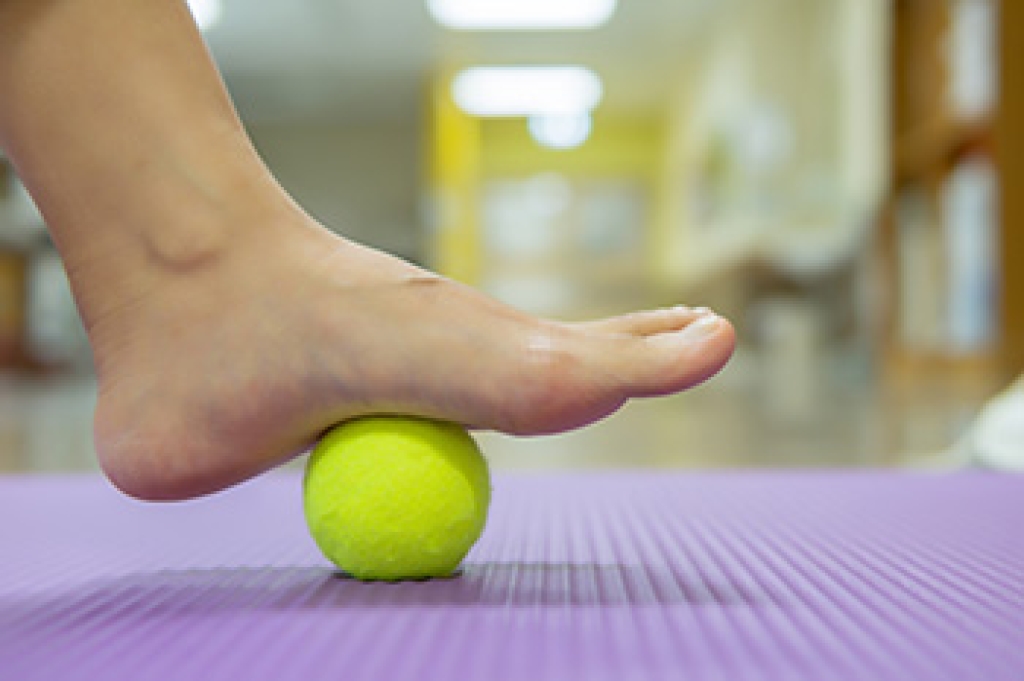
Foot pain may be reduced when specific stretches and exercises are frequently performed. Plantar fasciitis is a common form of foot pain, and is felt on the sole of the foot. The affected foot may feel better when the foot is placed on the opposite knee while sitting in a chair. As the heel is held with one hand and the toes are grasped with the other, a gentle stretch can be felt along the bottom of the foot. This can be followed by kneeling on a pillow, and placing the hands on the floor, while slowly sitting back on the ankles. This is another plantar fascia stretch that can help this foot condition. Additionally, some people enjoy rolling the bottom of their foot on a can or water bottle, which can be effective in strengthening the foot. If you would like to learn about additional foot stretches to help plantar fasciitis, please consult with a podiatrist who can give you expert advice about this condition.

Foot Pain

Foot pain can be extremely painful and debilitating. If you have a foot pain, consult with one of our podiatrists from East Ocean Podiatry . Our doctors will assess your condition and provide you with quality foot and ankle treatment.

Causes

Foot pain is a very broad condition that could be caused by one or more ailments. The most common include:

  • Bunions
  • Hammertoes
  • Plantar Fasciitis
  • Bone Spurs
  • Corns
  • Tarsal Tunnel Syndrome
  • Ingrown Toenails
  • Arthritis (such as Gout, Rheumatoid, and Osteoarthritis)
  • Flat Feet
  • Injury (from stress fractures, broken toe, foot, ankle, Achilles tendon ruptures, and sprains)
  • And more

Diagnosis

To figure out the cause of foot pain, podiatrists utilize several different methods. This can range from simple visual inspections and sensation tests to X-rays and MRI scans. Prior medical history, family medical history, and any recent physical traumatic events will all be taken into consideration for a proper diagnosis.

Treatment

Treatment depends upon the cause of the foot pain. Whether it is resting, staying off the foot, or having surgery; podiatrists have a number of treatment options available for foot pain.

If you have any questions, please feel free to contact our office located in Deerfield Beach, FL . We offer the newest diagnostic and treatment technologies for all your foot care needs.
Read more about Foot Pain

A Broken Toe Needs Rest

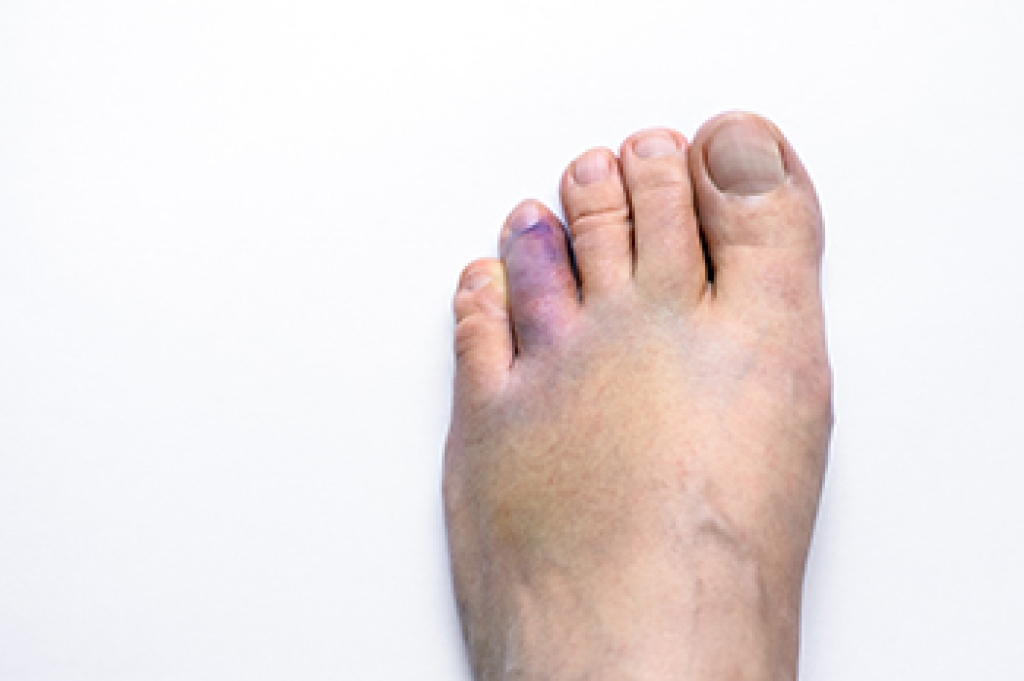
A broken toe can cause pain, discomfort, and temporarily change the way daily activities are accomplished. A broken toe is difficult to walk on, and rest is needed to accelerate recovery. Some patients may find it helpful to use crutches, which can keep the weight off of the toe. A broken toe can happen from stubbing it on a piece of furniture, enduring an injury, or dropping a heavy object on it. Fractured toes may occur more often than breaking other bones in the body. This is because the bones in the toes are small, and are located at the end of the body. Common symptoms of this type of injury can consist of immediate bruising, swelling, and the affected area may be red. If a toe is severely broken, a bone may protrude through the skin and can appear to be deformed. Many people have positive results in using the buddy taping method for treatment. This can be successful in less severe fractures and is done by taping the broken toe to the toe next to it. If you have broken your toe, please schedule an appointment with a podiatrist sooner rather than later who can guide you toward the correct treatment method.

Broken toes may cause a lot of pain and should be treated as soon as possible. If you have any concerns about your feet, contact one of our podiatrists from East Ocean Podiatry . Our doctors will treat your foot and ankle needs.

What Is a Broken Toe?

A broken toe occurs when one or more of the toe bones of the foot are broken after an injury. Injuries such as stubbing your toe or dropping a heavy object on it may cause a toe fracture.

Symptoms of a Broken Toe

  • Swelling
  • Pain (with/without wearing shoes)
  • Stiffness
  • Nail Injury

Although the injured toe should be monitored daily, it is especially important to have a podiatrist look at your toe if you have severe symptoms. Some of these symptoms include worsening or new pain that is not relieved with medication, sores, redness, or open wounds near the toe.

If you have any questions please feel free to contact our office located in Deerfield Beach, FL . We offer the newest diagnostic tools and technology to treat your foot and ankle needs.

Read more about What to Know About a Broken Toe

Helping Runners to Prevent Blisters

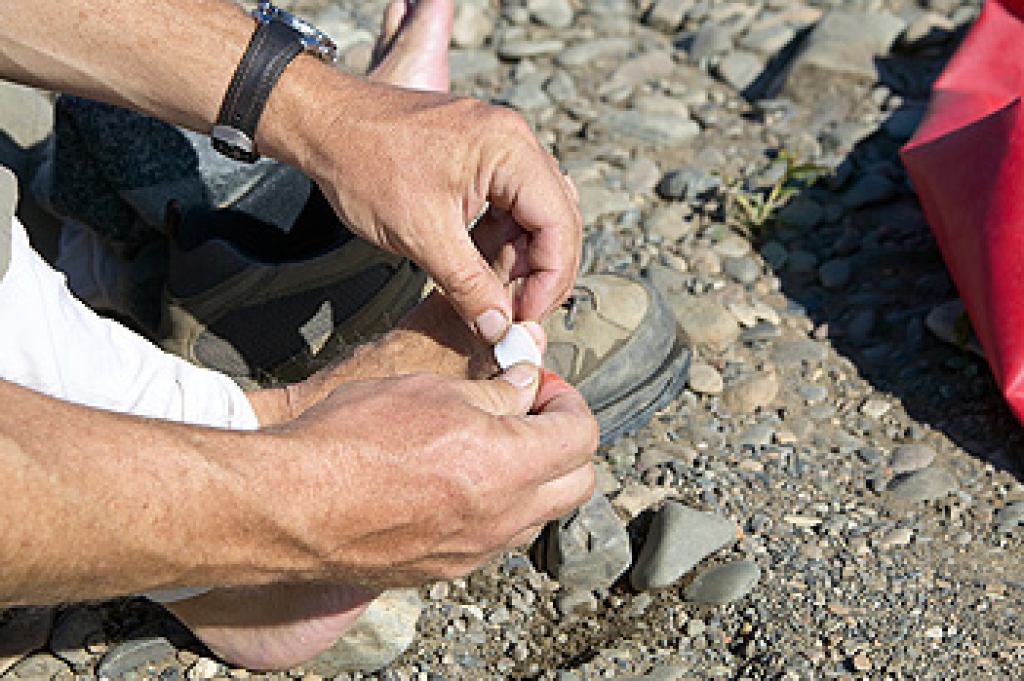
Blisters are one of the most common problems that runners encounter. While most blisters are not serious, these little pockets of fluid that form on the feet and toes can be annoying and quite painful. Knowing how to prevent a blister, which is nature’s way of protecting your skin from friction, is valuable information for runners. One way to prevent blisters is by wearing socks that wick moisture away from the foot and do not have seams that can cause rubbing. Along with proper socks, choosing the correct footwear is a second important prevention method. Running shoes should not be too narrow and should leave about half an inch of space in the toe box. Applying powders that absorb moisture on the feet and toes can help them stay dry during a run. Taping the places on your feet and toes that are likely to rub against your shoes can help to protect them as you run and keep blisters from forming. If you have blisters that have become infected or are otherwise interfering with your running, please consult a podiatrist for more information.

Blisters may appear as a single bubble or in a cluster. They can cause a lot of pain and may be filled with pus, blood, or watery serum. If your feet are hurting, contact one of our podiatrists of East Ocean Podiatry . Our doctors can provide the care you need to keep you pain-free and on your feet.

Foot Blisters

Foot blisters are often the result of friction. This happens due to the constant rubbing from shoes, which can lead to pain.

What Are Foot Blisters?

A foot blister is a small fluid-filled pocket that forms on the upper-most layer of the skin. Blisters are filled with clear fluid and can lead to blood drainage or pus if the area becomes infected.

Symptoms

(Blister symptoms may vary depending on what is causing them)

  • Bubble of skin filled with fluid
  • Redness
  • Moderate to severe pain
  • Itching

Prevention & Treatment

In order to prevent blisters, you should be sure to wear comfortable shoes with socks that cushion your feet and absorb sweat. Breaking a blister open may increase your chances of developing an infection. However, if your blister breaks, you should wash the area with soap and water immediately and then apply a bandage to the affected area. If your blisters cause severe pain it is important that you call your podiatrist right away.

If you have any questions, please feel free to contact our office located in Deerfield Beach, FL . We offer the newest diagnostic and treatment technologies for all your foot care needs.
Read more about Blisters on the Feet

Gout Pain Can Be Managed

Gout is a painful, inflammatory form of arthritis. Those affected will typically feel an intense stiffness in the joints of their feet, particularly in the big toe. Schedule a visit to learn about how gout can be managed and treated.

Various Types of Corns

A corn is one of the ways the body protects damaged skin against excessive friction. It is a small, hardened area of skin that can form on various areas of the foot. These can include the pinky toe, the soles of the feet, or the top of the toes. A corn that develops on the side of the pinky toe can be painful, and wider shoes may need to be purchased that may help to bring partial relief. Hard corns are found in the above areas and often occurs as a result of wearing shoes that do not fit correctly. Soft corns can be found between the toes, and are named for the consistent moisture that is found there. If the corn is small, a protective pad can be worn over it which may reduce the pressure from the shoe. Patients who have larger corns are often seen by a podiatrist who can use effective techniques for removal. Please confer with this type of doctor who can guide you toward effective prevention methods.

Corns can make walking very painful and should be treated immediately. If you have questions regarding your feet and ankles, contact one of our podiatrists of East Ocean Podiatry . Our doctors will treat your foot and ankle needs.

Corns: What Are They? And How Do You Get Rid of Them?
Corns are thickened areas on the skin that can become painful. They are caused by excessive pressure and friction on the skin. Corns press into the deeper layers of the skin and are usually round in shape.

Ways to Prevent Corns
There are many ways to get rid of painful corns such as:

  • Wearing properly fitting shoes that have been measured by a professional
  • Wearing shoes that are not sharply pointed or have high heels
  • Wearing only shoes that offer support

Treating Corns

Although most corns slowly disappear when the friction or pressure stops, this isn’t always the case. Consult with your podiatrist to determine the best treatment option for your case of corns.

If you have any questions, please feel free to contact our office located in Deerfield Beach, FL . We offer the newest diagnostic and treatment technologies for all your foot care needs.

Read more about Everything You Need to Know About Corns

Hammertoe and Orthotics

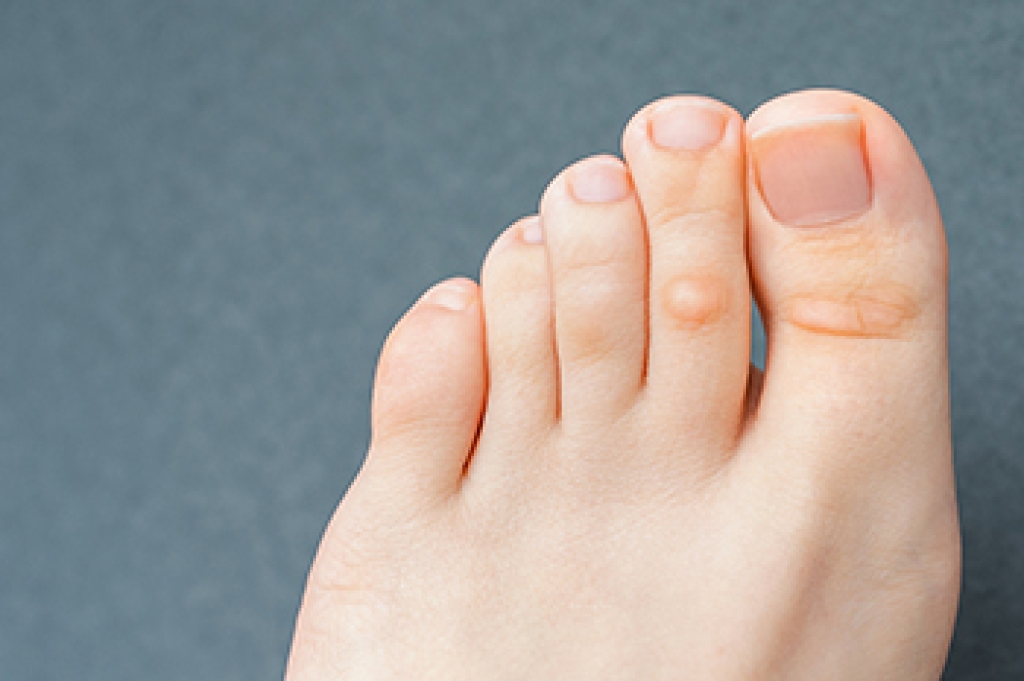
A hammertoe is a condition that makes the toe point upwards at the joint in an unnatural way. As a result, the toe resembles a hammer. There are several ways that a medical professional might go about helping you correct this deformity. Orthotics can play an important role in the correction process. Orthotics are special inserts that can be either custom-made or one-size-fits-all, and they can help people correct deformities or their gait. A medical professional might recommend the use of orthotics for hammertoes. One specific kind of orthotic for hammertoes is known as a hammer toe crest pad. The hammertoe is essentially held in place by this pad, which is positioned underneath the toes. The crest pad resembles a kind of ring that goes around the hammertoe. This device is meant to support and mitigate the hammertoe condition. If you are afflicted with hammertoe and think that you might be a good candidate for orthotics, consult a podiatrist today for more information.


Hammertoe

Hammertoes can be a painful condition to live with. For more information, contact one of our podiatrists from East Ocean Podiatry . Our doctors will answer any of your foot- and ankle-related questions.

Hammertoe is a foot deformity that affects the joints of the second, third, fourth, or fifth toes of your feet. It is a painful foot condition in which these toes curl and arch up, which can often lead to pain when wearing footwear.

Symptoms

  • Pain in the affected toes
  • Development of corns or calluses due to friction
  • Inflammation
  • Redness
  • Contracture of the toes

Causes

Genetics – People who are genetically predisposed to hammertoe are often more susceptible

Arthritis – Because arthritis affects the joints in your toes, further deformities stemming from arthritis can occur

Trauma – Direct trauma to the toes could potentially lead to hammertoe

Ill-fitting shoes – Undue pressure on the front of the toes from ill-fitting shoes can potentially lead to the development of hammertoe

Treatment

Orthotics – Custom made inserts can be used to help relieve pressure placed on the toes and therefore relieve some of the pain associated with it

Medications – Oral medications such as anti-inflammatories or NSAIDs could be used to treat the pain and inflammation hammertoes causes. Injections of corticosteroids are also sometimes used

Surgery – In more severe cases where the hammertoes have become more rigid, foot surgery is a potential option

If you have any questions, please feel free to contact our office located in Deerfield Beach, FL . We offer the newest diagnostic and treatment technologies for all your foot care needs.
Read more about Hammertoe

Types and Causes of Bunions

Bunions, which are deformities in the toes, can be extremely painful. Most bunions occur on the big toe, forcing the bottom of the toe out and the tip of the toe inward toward the other toes. Another type of bunion is termed a bunionette, which causes the same effect, only this time it occurs on the little toe. Most people develop bunions because of a genetic predisposition to the deformity. The development of a bunion can be made worse by external factors. Among them is wearing shoes that are too tight or too small. Any footwear that pushes the toes inward may increase pressure on an already unstable toe joint. Some people with high arches are prone to developing bunions, as are those with flat feet. In some cases, ligaments in the toe structure may be loose, which contributes to abnormal movement of the bones. If you have bunions that have become painful and inhibit your ability to carry out daily activities, it is a good idea to visit a podiatrist. A number of treatment options, ranging from non-invasive to surgical, are available that can help correct this condition.

If you are suffering from bunions, contact one of our podiatrists of East Ocean Podiatry . Our doctors can provide the care you need to keep you pain-free and on your feet.

What Is a Bunion?

A bunion is formed of swollen tissue or an enlargement of boney growth, usually located at the base joint of the toe that connects to the foot. The swelling occurs due to the bones in the big toe shifting inward, which impacts the other toes of the foot. This causes the area around the base of the big toe to become inflamed and painful.

Why Do Bunions Form?

Genetics – Susceptibility to bunions are often hereditary

Stress on the feet – Poorly fitted and uncomfortable footwear that places stress on feet, such as heels, can worsen existing bunions

How Are Bunions Diagnosed?

Podiatrists often perform two tests – blood tests and x-rays – when trying to diagnose bunions, especially in the early stages of development. Blood tests help determine if the foot pain is being caused by something else, such as arthritis, while x-rays provide a clear picture of your bone structure to your provider.

How Are Bunions Treated?

  • Refrain from wearing heels or similar shoes that cause discomfort
  • Select wider shoes that can provide more comfort and reduce pain
  • Anti-inflammatory and pain management drugs
  • Orthotics or foot inserts
  • Surgery

If you have any questions, please feel free to contact our office located in Deerfield Beach, FL . We offer the newest diagnostic and treatment technologies for all your foot care needs.

Read more about Bunions

Connect With Us