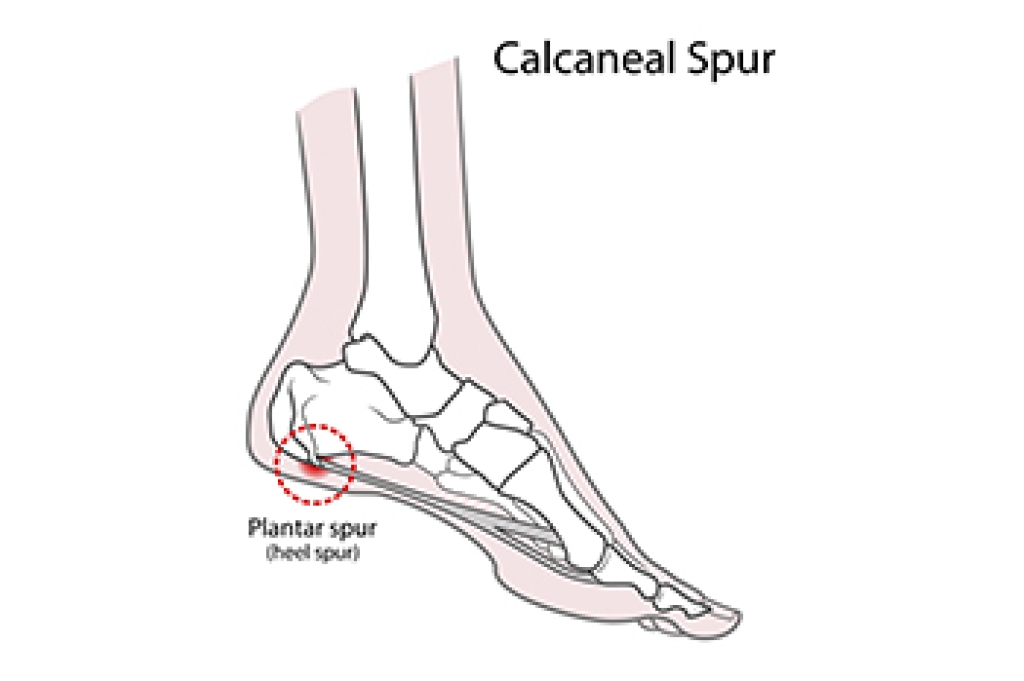
Can Exercises Help Heel Spurs?

Heel spurs, bony outgrowths at the bottom of the heel bone, can be a source of persistent foot discomfort. Formed due to calcium deposits, heel spurs often accompany conditions like plantar fasciitis. The pain associated with heel spurs typically arises during weight-bearing activities, especially after rest periods. While rest and proper footwear are important components of managing heel spurs, specific exercises can provide relief. Stretching exercises, such as calf stretches and towel curls, may help to alleviate tension in the Achilles tendon and plantar fascia. Rolling a frozen water bottle under the foot can reduce inflammation. Strengthening exercises, like toe-tapping and marble pickups, enhance foot and ankle muscles, promoting better support. A podiatrist treats heel spurs. If you have developed this condition, it is suggested that you visit this type of doctor who can help you with appropriate treatment and guide you toward additional stretches. 

Heel spurs can be incredibly painful and sometimes may make you unable to participate in physical activities. To get medical care for your heel spurs, contact one of our podiatrists from East Ocean Podiatry . Our doctors will do everything possible to treat your condition.

Heels Spurs

Heel spurs are formed by calcium deposits on the back of the foot where the heel is. This can also be caused by small fragments of bone breaking off one section of the foot, attaching onto the back of the foot. Heel spurs can also be bone growth on the back of the foot and may grow in the direction of the arch of the foot.

Older individuals usually suffer from heel spurs and pain sometimes intensifies with age. One of the main condition's spurs are related to is plantar fasciitis.

Pain

The pain associated with spurs is often because of weight placed on the feet. When someone is walking, their entire weight is concentrated on the feet. Bone spurs then have the tendency to affect other bones and tissues around the foot. As the pain continues, the feet will become tender and sensitive over time.

Treatments

There are many ways to treat heel spurs. If one is suffering from heel spurs in conjunction with pain, there are several methods for healing. Medication, surgery, and herbal care are some options.

If you have any questions, please feel free to contact our office located in Deerfield Beach, FL . We offer the newest diagnostic and treatment technologies for all your foot care needs.
Read more about Heel Spurs

Exploring Causes and Symptoms of Athlete’s Foot

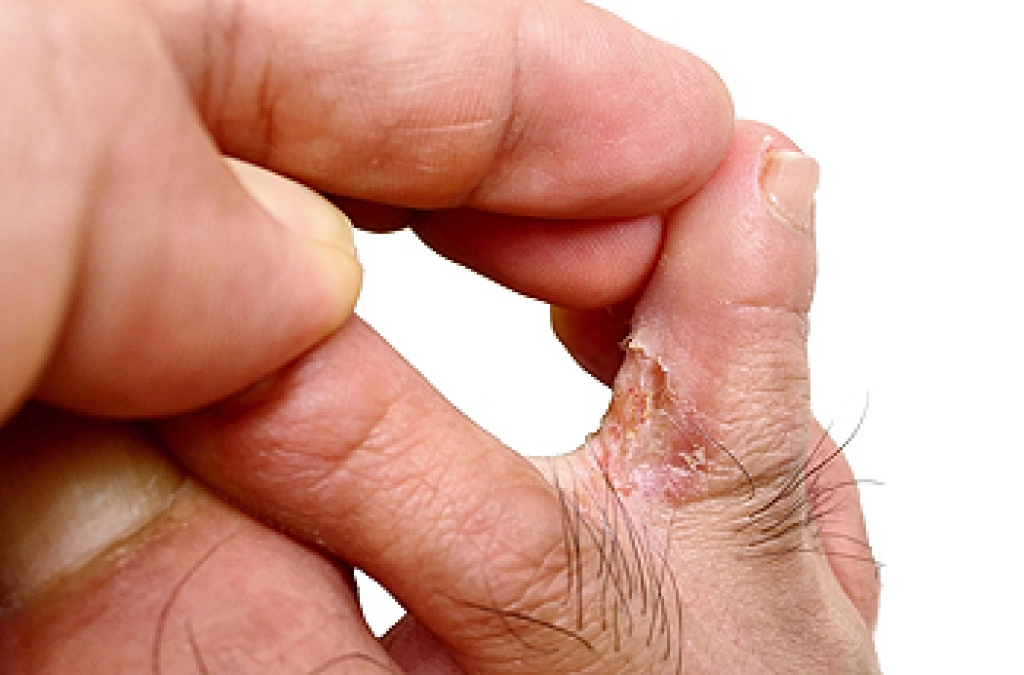
Athlete's foot, a common fungal infection, stealthily creeps into the lives of many, causing discomfort and irritation. The primary culprit behind this ailment is a group of fungi known as dermatophytes, which thrive in warm and moist environments. Shared spaces such as locker rooms, swimming pools, or communal showers become breeding grounds, facilitating the transmission of the infection. The symptoms of athlete's foot manifest in various ways, often starting with itching, burning, or stinging sensations between the toes. As the infection progresses, the skin may peel, crack, or develop blisters. In some cases, persistent fungal growth can lead to a distinctive, unpleasant odor. Recognizing the causes and symptoms is vital for swift intervention. If you have these symptoms of athlete’s foot, it is suggested that you visit a podiatrist who can successfully treat this condition in addition to educating you on effective prevention methods.

Athlete’s foot is an inconvenient condition that can be easily reduced with the proper treatment. If you have any concerns about your feet and ankles, contact one of our podiatrists from East Ocean Podiatry .  Our doctors will treat your foot and ankle needs.

Athlete’s Foot: The Sole Story

Athlete's foot, also known as tinea pedis, can be an extremely contagious foot infection. It is commonly contracted in public changing areas and bathrooms, dormitory style living quarters, around locker rooms and public swimming pools, or anywhere your feet often come into contact with other people.

Solutions to Combat Athlete’s Foot

  • Hydrate your feet by using lotion
  • Exfoliate
  • Buff off nails
  • Use of anti-fungal products
  • Examine your feet and visit your doctor if any suspicious blisters or cuts develop

Athlete’s foot can cause many irritating symptoms such as dry and flaking skin, itching, and redness. Some more severe symptoms can include bleeding and cracked skin, intense itching and burning, and even pain when walking. In the worst cases, Athlete’s foot can cause blistering as well. Speak to your podiatrist for a better understanding of the different causes of Athlete’s foot, as well as help in determining which treatment options are best for you.

If you have any questions please feel free to contact our office located in Deerfield Beach, FL . We offer the newest diagnostic and treatment technologies for all your foot and ankle needs.

Read more about Athlete's Foot

Definition and Progression of a Plantar Fibroma

A plantar fibroma affects the foot's plantar fascia, resulting in the development of nodules or fibrous tissue. Characterized by a thickening of the ligament that supports the arch, this disorder commonly manifests on the bottom of the foot, near the heel. In its early stages, a plantar fibroma may present as a small, painless nodule. As the condition progresses, these nodules can enlarge and become tender, causing discomfort with weight-bearing activities like walking or standing. Over time, the fibrous tissue may intertwine with the plantar fascia, potentially leading to a reduction in foot flexibility. The stages of a plantar fibroma vary, with some cases remaining relatively stable, while others may experience increased symptoms. Understanding the definition and progression of a plantar fibroma is essential for early recognition and intervention, enabling individuals to explore appropriate management strategies and maintain optimal foot health. If you have discomfort on the bottom of your foot, it is suggested that you visit a podiatrist who can accurately diagnose and treat a plantar fibroma.

A plantar fibroma may disrupt your daily activities. If you have any concerns, contact one of our podiatrists of East Ocean Podiatry . Our doctors can provide the care you need to keep you pain-free and on your feet.

Plantar Fibroma

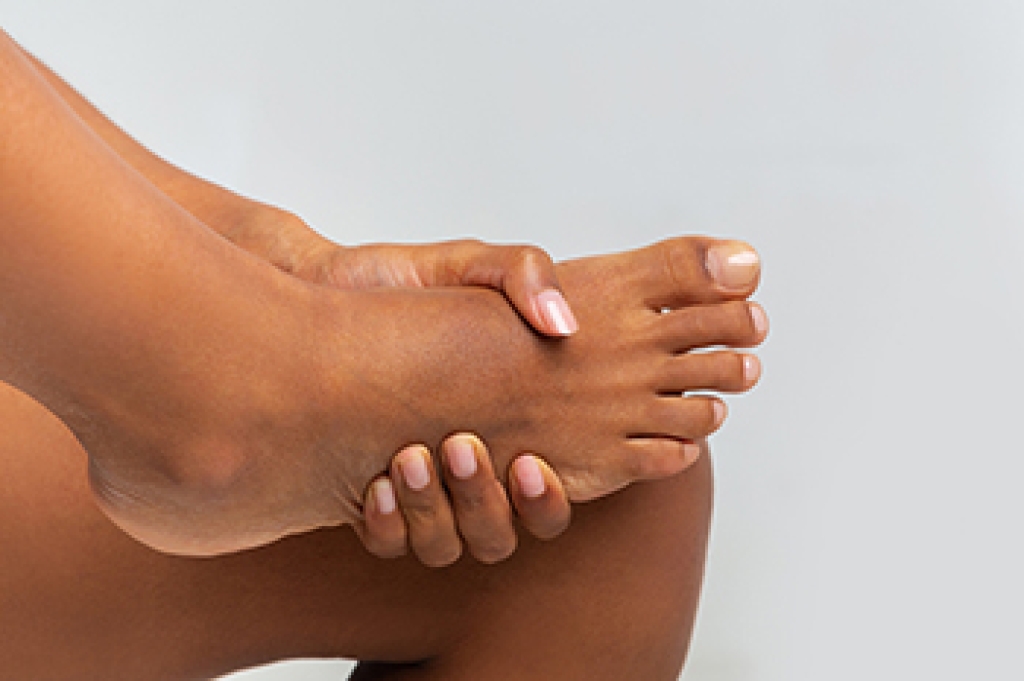
A plantar fibroma is a fibrous knot in the arch of the foot. It is embedded in the plantar fascia which is a band of tissue that extends from the heel to the toes along the bottom of the foot. There can be multiple plantar fibromas in the feet at the same time. There are no known causes for this condition. If you have a plantar fibroma, there will be a bump in the arch of your foot that cannot be missed. Any associated pain is most often due to a shoe rubbing against the nodule. Non-surgical options, such as steroid injections, physical therapy, and orthotics should be tried first. Surgery is a last resort and is the only thing that will remove a plantar fibroma entirely. Consult with a podiatrist for a proper diagnosis and to determine the treatment regimen that is right for you.

What Causes a Plantar Fibroma?

While there are no specific causes identified, a plantar fibroma can possibly come from genetic predisposition or the formation of scar tissue that forms from healing the tears in the plantar fascia.

What Are the Symptoms of a Plantar Fibroma?

There will be a noticeable lump in the arch of the foot that may or may not cause pain. If pain is felt, it is typically because a shoe is rubbing up against the lump or when walking or standing barefoot.

Treatment and Prevention

A plantar fibroma will not disappear without treatment, but it can get smaller and be a non-issue. If pain persists, a podiatrist examines the foot and when the arch of the foot is pressed, pain can be felt down to the toes. An MRI or biopsy might be performed to help diagnose or evaluate the plantar fibroma. The following non-surgical options are generally enough to reduce the size and pain of these nodules:

  • Steroid injections
  • Orthotics
  • Physical therapy to help apply anti-inflammatory creams on the bump 

Surgery is considered if the mass increases in size and the patient continues to feel pain after non-surgical methods are tried.

If you have any questions, please feel free to contact our office located in Deerfield Beach, FL . We offer the newest diagnostic and treatment technologies for all your foot care needs.
Read more about Plantar Fibroma

What Are the Causes and Symptoms of Flat Feet?

Flat feet, also known as fallen arches or pes planus, is a common condition where the arches of the feet are significantly reduced or nonexistent. This can be caused by various factors and is often associated with a range of symptoms. The most common cause of flat feet is genetics, where an individual inherits the condition from their family. In some cases, arches may not fully develop during childhood, leading to flat feet. Other causes can include injuries, muscle or tendon imbalances, and conditions such as arthritis, which can weaken the arch-supporting structures. Symptoms of flat feet can vary, with some people experiencing pain and discomfort, particularly in the arch area or heels. Others may not have any noticeable symptoms at all. The condition can lead to overpronation, causing the feet to roll inward when walking, which may result in problems like shin splints or knee pain. If you have flat feet, it is strongly suggested that you are under the care of a podiatrist who can offer you relief and treatment options.

Flatfoot is a condition many people suffer from. If you have flat feet, contact one of our podiatrists from East Ocean Podiatry . Our doctors will treat your foot and ankle needs.

What Are Flat Feet?

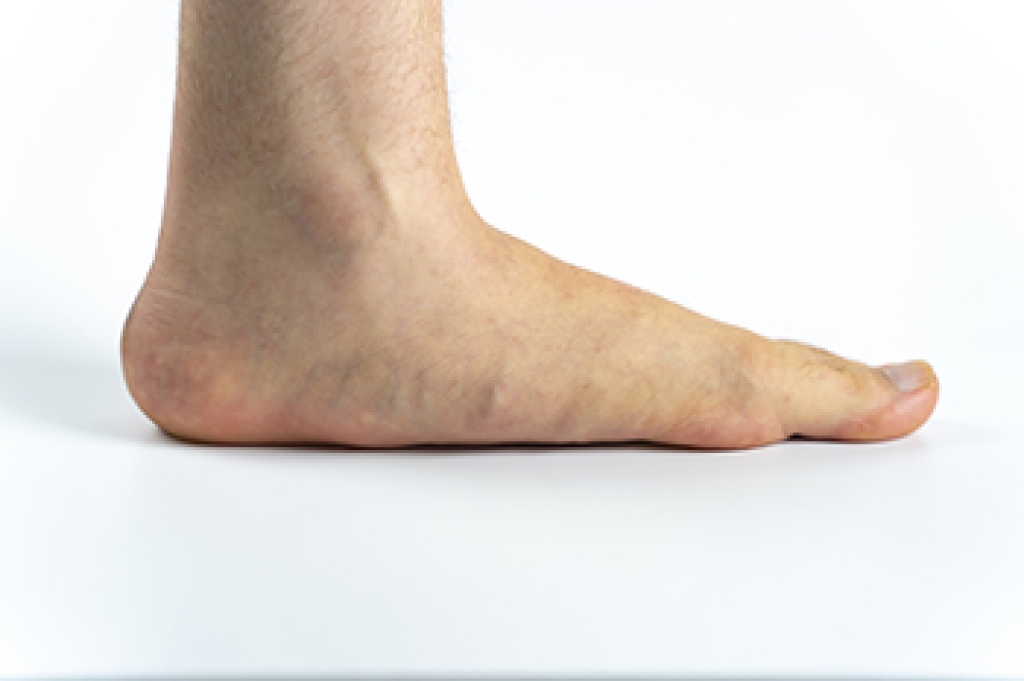
Flatfoot is a condition in which the arch of the foot is depressed and the sole of the foot is almost completely in contact with the ground. About 20-30% of the population generally has flat feet because their arches never formed during growth.

Conditions & Problems:

Having flat feet makes it difficult to run or walk because of the stress placed on the ankles.

Alignment – The general alignment of your legs can be disrupted, because the ankles move inward which can cause major discomfort.

Knees – If you have complications with your knees, flat feet can be a contributor to arthritis in that area.  

Symptoms

  • Pain around the heel or arch area
  • Trouble standing on the tip toe
  • Swelling around the inside of the ankle
  • Flat look to one or both feet
  • Having your shoes feel uneven when worn

Treatment

If you are experiencing pain and stress on the foot you may weaken the posterior tibial tendon, which runs around the inside of the ankle. 

If you have any questions, please feel free to contact our office located in Deerfield Beach, FL . We offer the newest diagnostic and treatment technologies for all your foot care needs.
Read more about Flat Feet

Who Is Prone to Getting Gout?

Gout is a form of arthritis characterized by painful, inflamed joints. It typically affects the joints in the big toe but can occur in other joints as well. Gout is primarily caused by the buildup of uric acid crystals in the affected joints. While gout was historically associated with rich diets, today, gout can affect anyone, regardless of social status. However, certain factors can increase one's vulnerability. Men are more susceptible than women, with an increased risk after the age of 30. A family history of gout can also predispose individuals. Lifestyle choices, such as consuming purine-rich foods, excessive alcohol consumption, and obesity, can contribute to higher uric acid levels, thereby increasing the risk of developing gout. Understanding the definition of gout and its risk factors is essential for early diagnosis and effective management. If you suspect you may be prone to gout or are experiencing symptoms, it is suggested that you contact a podiatrist who can properly diagnose this condition, and offer appropriate treatment and relief choices.

Gout is a painful condition that can be treated. If you are seeking treatment, contact one of our podiatrists from East Ocean Podiatry . Our doctors will treat your foot and ankle needs.

What Is Gout?

Gout is a form of arthritis that is characterized by sudden, severe attacks of pain, redness, and tenderness in the joints. The condition usually affects the joint at the base of the big toe. A gout attack can occur at any random time, such as the middle of the night while you are asleep.

Symptoms

  • Intense Joint Pain - Usually around the large joint of your big toe, and it most severe within the first four to twelve hours
  • Lingering Discomfort - Joint discomfort may last from a few days to a few weeks
  • Inflammation and Redness -Affected joints may become swollen, tender, warm and red
  • Limited Range of Motion - May experience a decrease in joint mobility

Risk Factors

  • Genetics - If family members have gout, you’re more likely to have it
  • Medications - Diuretic medications can raise uric acid levels
  • Gender/Age - Gout is more common in men until the age of 60. It is believed that estrogen protects women until that point
  • Diet - Eating red meat and shellfish increases your risk
  • Alcohol - Having more than two alcoholic drinks per day increases your risk
  • Obesity - Obese people are at a higher risk for gout

Prior to visiting your podiatrist to receive treatment for gout, there are a few things you should do beforehand. If you have gout you should write down your symptoms--including when they started and how often you experience them, important medical information you may have, and any questions you may have. Writing down these three things will help your podiatrist in assessing your specific situation so that he or she may provide the best route of treatment for you.

If you have any questions, please feel free to contact our office located in Deerfield Beach, FL . We offer the newest diagnostic and treatment technologies for all your foot care needs.

Read more about Gout

Connect With Us