Helping Runners to Prevent Blisters

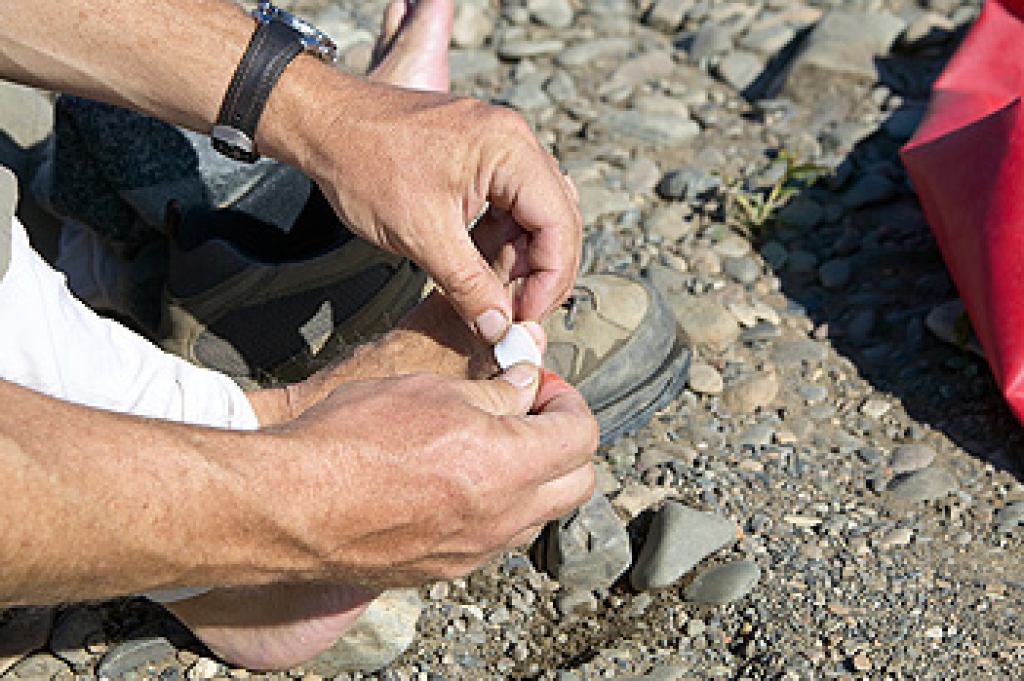
Blisters are one of the most common problems that runners encounter. While most blisters are not serious, these little pockets of fluid that form on the feet and toes can be annoying and quite painful. Knowing how to prevent a blister, which is nature’s way of protecting your skin from friction, is valuable information for runners. One way to prevent blisters is by wearing socks that wick moisture away from the foot and do not have seams that can cause rubbing. Along with proper socks, choosing the correct footwear is a second important prevention method. Running shoes should not be too narrow and should leave about half an inch of space in the toe box. Applying powders that absorb moisture on the feet and toes can help them stay dry during a run. Taping the places on your feet and toes that are likely to rub against your shoes can help to protect them as you run and keep blisters from forming. If you have blisters that have become infected or are otherwise interfering with your running, please consult a podiatrist for more information.

Blisters may appear as a single bubble or in a cluster. They can cause a lot of pain and may be filled with pus, blood, or watery serum. If your feet are hurting, contact one of our podiatrists of East Ocean Podiatry . Our doctors can provide the care you need to keep you pain-free and on your feet.

Foot Blisters

Foot blisters are often the result of friction. This happens due to the constant rubbing from shoes, which can lead to pain.

What Are Foot Blisters?

A foot blister is a small fluid-filled pocket that forms on the upper-most layer of the skin. Blisters are filled with clear fluid and can lead to blood drainage or pus if the area becomes infected.

Symptoms

(Blister symptoms may vary depending on what is causing them)

  • Bubble of skin filled with fluid
  • Redness
  • Moderate to severe pain
  • Itching

Prevention & Treatment

In order to prevent blisters, you should be sure to wear comfortable shoes with socks that cushion your feet and absorb sweat. Breaking a blister open may increase your chances of developing an infection. However, if your blister breaks, you should wash the area with soap and water immediately and then apply a bandage to the affected area. If your blisters cause severe pain it is important that you call your podiatrist right away.

If you have any questions, please feel free to contact our office located in Deerfield Beach, FL . We offer the newest diagnostic and treatment technologies for all your foot care needs.

Read more about Blisters on the Feet

Gout Pain Can Be Managed

Gout is a painful, inflammatory form of arthritis. Those affected will typically feel an intense stiffness in the joints of their feet, particularly in the big toe. Schedule a visit to learn about how gout can be managed and treated.

Various Types of Corns

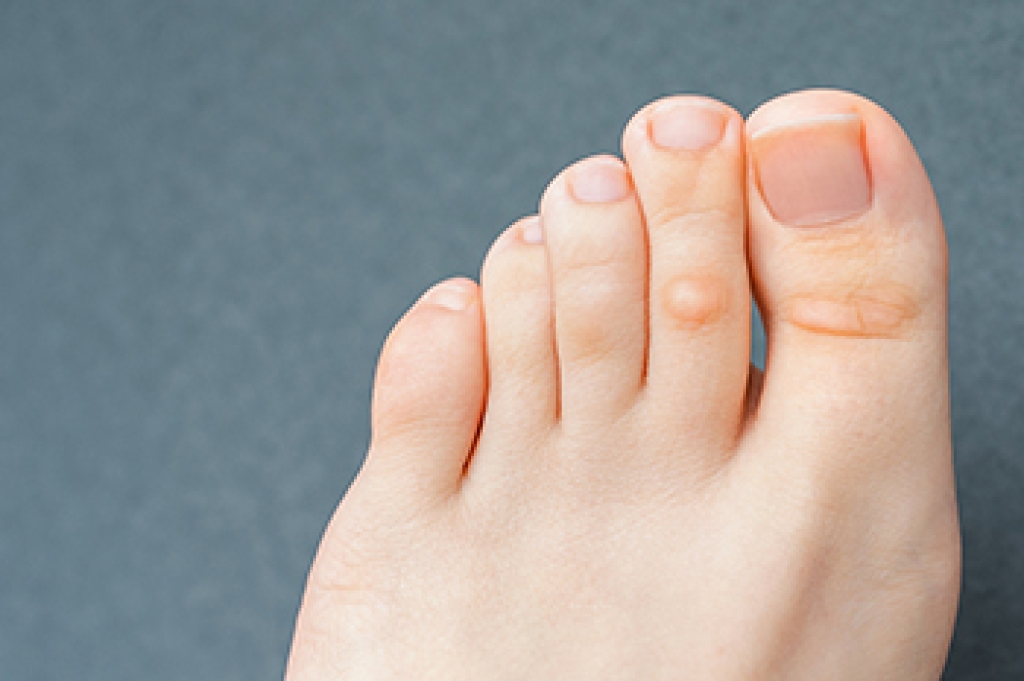
A corn is one of the ways the body protects damaged skin against excessive friction. It is a small, hardened area of skin that can form on various areas of the foot. These can include the pinky toe, the soles of the feet, or the top of the toes. A corn that develops on the side of the pinky toe can be painful, and wider shoes may need to be purchased that may help to bring partial relief. Hard corns are found in the above areas and often occurs as a result of wearing shoes that do not fit correctly. Soft corns can be found between the toes, and are named for the consistent moisture that is found there. If the corn is small, a protective pad can be worn over it which may reduce the pressure from the shoe. Patients who have larger corns are often seen by a podiatrist who can use effective techniques for removal. Please confer with this type of doctor who can guide you toward effective prevention methods.

Corns can make walking very painful and should be treated immediately. If you have questions regarding your feet and ankles, contact one of our podiatrists of East Ocean Podiatry . Our doctors will treat your foot and ankle needs.

Corns: What Are They? And How Do You Get Rid of Them?
Corns are thickened areas on the skin that can become painful. They are caused by excessive pressure and friction on the skin. Corns press into the deeper layers of the skin and are usually round in shape.

Ways to Prevent Corns
There are many ways to get rid of painful corns such as:

  • Wearing properly fitting shoes that have been measured by a professional
  • Wearing shoes that are not sharply pointed or have high heels
  • Wearing only shoes that offer support

Treating Corns

Although most corns slowly disappear when the friction or pressure stops, this isn’t always the case. Consult with your podiatrist to determine the best treatment option for your case of corns.

If you have any questions, please feel free to contact our office located in Deerfield Beach, FL . We offer the newest diagnostic and treatment technologies for all your foot care needs.

Read more about Everything You Need to Know About Corns

Hammertoe and Orthotics

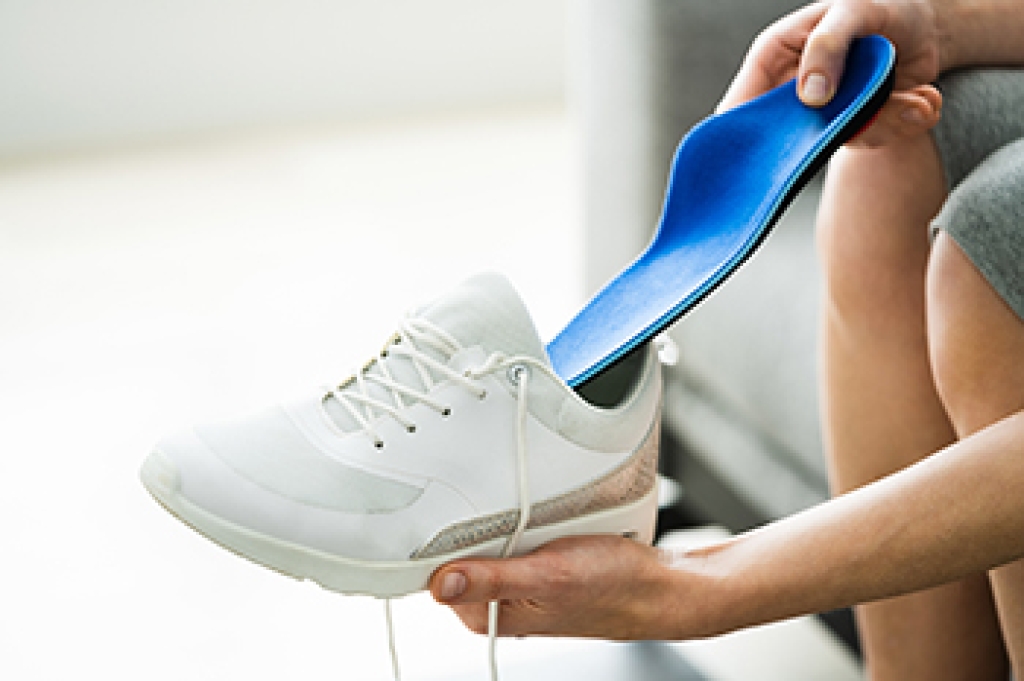
A hammertoe is a condition that makes the toe point upwards at the joint in an unnatural way. As a result, the toe resembles a hammer. There are several ways that a medical professional might go about helping you correct this deformity. Orthotics can play an important role in the correction process. Orthotics are special inserts that can be either custom-made or one-size-fits-all, and they can help people correct deformities or their gait. A medical professional might recommend the use of orthotics for hammertoes. One specific kind of orthotic for hammertoes is known as a hammer toe crest pad. The hammertoe is essentially held in place by this pad, which is positioned underneath the toes. The crest pad resembles a kind of ring that goes around the hammertoe. This device is meant to support and mitigate the hammertoe condition. If you are afflicted with hammertoe and think that you might be a good candidate for orthotics, consult a podiatrist today for more information.


Hammertoe

Hammertoes can be a painful condition to live with. For more information, contact one of our podiatrists from East Ocean Podiatry . Our doctors will answer any of your foot- and ankle-related questions.

Hammertoe is a foot deformity that affects the joints of the second, third, fourth, or fifth toes of your feet. It is a painful foot condition in which these toes curl and arch up, which can often lead to pain when wearing footwear.

Symptoms

  • Pain in the affected toes
  • Development of corns or calluses due to friction
  • Inflammation
  • Redness
  • Contracture of the toes

Causes

Genetics – People who are genetically predisposed to hammertoe are often more susceptible

Arthritis – Because arthritis affects the joints in your toes, further deformities stemming from arthritis can occur

Trauma – Direct trauma to the toes could potentially lead to hammertoe

Ill-fitting shoes – Undue pressure on the front of the toes from ill-fitting shoes can potentially lead to the development of hammertoe

Treatment

Orthotics – Custom made inserts can be used to help relieve pressure placed on the toes and therefore relieve some of the pain associated with it

Medications – Oral medications such as anti-inflammatories or NSAIDs could be used to treat the pain and inflammation hammertoes causes. Injections of corticosteroids are also sometimes used

Surgery – In more severe cases where the hammertoes have become more rigid, foot surgery is a potential option

If you have any questions, please feel free to contact our office located in Deerfield Beach, FL . We offer the newest diagnostic and treatment technologies for all your foot care needs.

Read more about Hammertoe

Types and Causes of Bunions

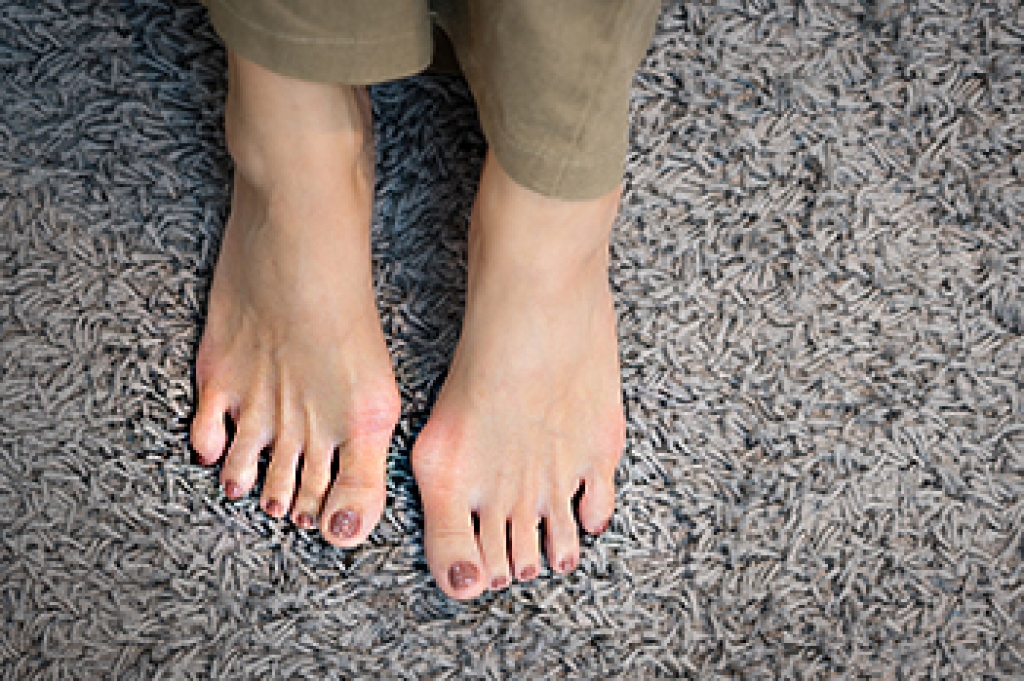
Bunions, which are deformities in the toes, can be extremely painful. Most bunions occur on the big toe, forcing the bottom of the toe out and the tip of the toe inward toward the other toes. Another type of bunion is termed a bunionette, which causes the same effect, only this time it occurs on the little toe. Most people develop bunions because of a genetic predisposition to the deformity. The development of a bunion can be made worse by external factors. Among them is wearing shoes that are too tight or too small. Any footwear that pushes the toes inward may increase pressure on an already unstable toe joint. Some people with high arches are prone to developing bunions, as are those with flat feet. In some cases, ligaments in the toe structure may be loose, which contributes to abnormal movement of the bones. If you have bunions that have become painful and inhibit your ability to carry out daily activities, it is a good idea to visit a podiatrist. A number of treatment options, ranging from non-invasive to surgical, are available that can help correct this condition.

If you are suffering from bunions, contact one of our podiatrists of East Ocean Podiatry . Our doctors can provide the care you need to keep you pain-free and on your feet.

What Is a Bunion?

A bunion is formed of swollen tissue or an enlargement of boney growth, usually located at the base joint of the toe that connects to the foot. The swelling occurs due to the bones in the big toe shifting inward, which impacts the other toes of the foot. This causes the area around the base of the big toe to become inflamed and painful.

Why Do Bunions Form?

Genetics – Susceptibility to bunions are often hereditary

Stress on the feet – Poorly fitted and uncomfortable footwear that places stress on feet, such as heels, can worsen existing bunions

How Are Bunions Diagnosed?

Doctors often perform two tests – blood tests and x-rays – when trying to diagnose bunions, especially in the early stages of development. Blood tests help determine if the foot pain is being caused by something else, such as arthritis, while x-rays provide a clear picture of your bone structure to your doctor.

How Are Bunions Treated?

  • Refrain from wearing heels or similar shoes that cause discomfort
  • Select wider shoes that can provide more comfort and reduce pain
  • Anti-inflammatory and pain management drugs
  • Orthotics or foot inserts
  • Surgery

If you have any questions, please feel free to contact our office located in Deerfield Beach, FL . We offer the newest diagnostic and treatment technologies for all your foot care needs.

Read more about Bunions

Connect With Us