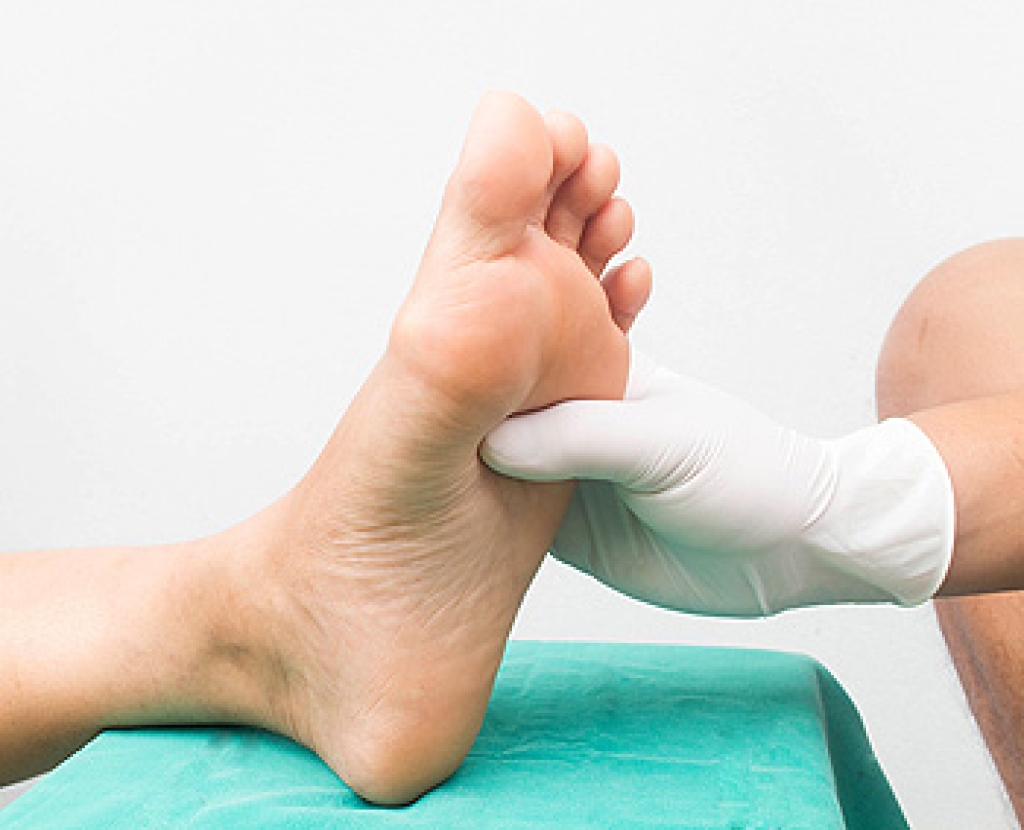
What You Should Know About Bunions

Bunions are bony bumps that form at the base of the big toe, causing the joint to stick out as the toe shifts inward. They often result from genetics, wearing tight or narrow shoes, flat feet, or arthritis. Bunions are more common in women, likely due to fashion footwear like high heels and pointed shoes. Over time, the misalignment worsens, leading to pain and inflammation. Symptoms include a visible bump on the side of the foot, swelling, redness, soreness, and limited movement of the big toe. It may feel like a dull, aching pain that worsens with walking or wearing certain shoes. A podiatrist may suggest shoe modifications, padding, custom orthotics, anti-inflammatory medications, or targeted exercises. In severe cases, surgery, called a bunionectomy, may be necessary to realign the toe joint.  If you are dealing with a painful bunion, it is suggested that you schedule an appointment with a podiatrist for appropriate treatment.

If you are suffering from bunions, contact one of our podiatrists of East Ocean Podiatry . Our doctors can provide the care you need to keep you pain-free and on your feet.

What Is a Bunion?

A bunion is formed of swollen tissue or an enlargement of boney growth, usually located at the base joint of the toe that connects to the foot. The swelling occurs due to the bones in the big toe shifting inward, which impacts the other toes of the foot. This causes the area around the base of the big toe to become inflamed and painful.

Why Do Bunions Form?

Genetics – Susceptibility to bunions are often hereditary

Stress on the feet – Poorly fitted and uncomfortable footwear that places stress on feet, such as heels, can worsen existing bunions

How Are Bunions Diagnosed?

Podiatrists often perform two tests – blood tests and x-rays – when trying to diagnose bunions, especially in the early stages of development. Blood tests help determine if the foot pain is being caused by something else, such as arthritis, while x-rays provide a clear picture of your bone structure to your provider.

How Are Bunions Treated?

  • Refrain from wearing heels or similar shoes that cause discomfort
  • Select wider shoes that can provide more comfort and reduce pain
  • Anti-inflammatory and pain management drugs
  • Orthotics or foot inserts
  • Surgery

If you have any questions, please feel free to contact our office located in Deerfield Beach, FL . We offer the newest diagnostic and treatment technologies for all your foot care needs.

Read more about Bunions

Speeding up Recovery From a Heel Spur

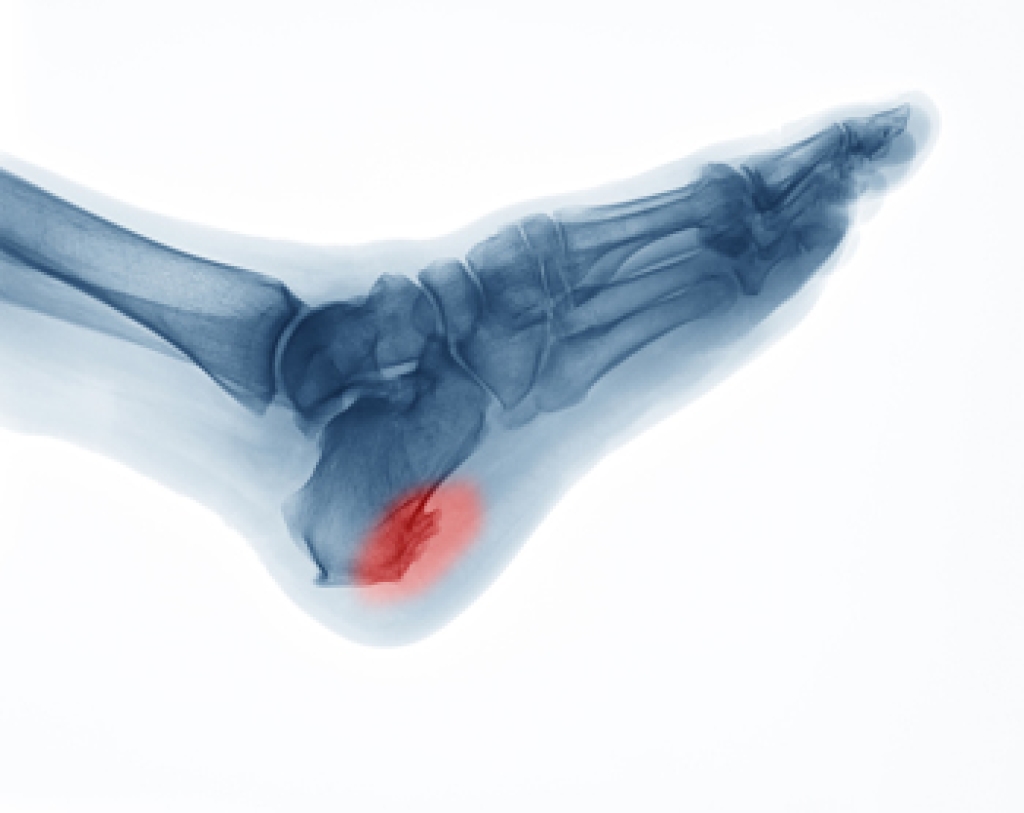
A heel spur is a calcium deposit that forms under the heel bone, often linked to ongoing strain on the foot. Although the spur itself may not always cause pain, the surrounding tissue can become irritated. Recovery focuses on reducing pressure and inflammation. Wearing supportive shoes with good arch structure, cushioned insoles, and soft heel pads can make a big difference. Stretching the calf and foot regularly helps ease tension along the bottom of the foot. Avoiding high-impact activities allows the area to calm down. In some cases, custom orthotics or targeted exercises may be helpful. While quick relief is possible with the right care, complete healing may still take time. If your heel pain does not improve or becomes more intense, it is suggested that you see a podiatrist for a proper diagnosis and a personalized treatment plan.

Heel spurs can be incredibly painful and sometimes may make you unable to participate in physical activities. To get medical care for your heel spurs, contact one of our podiatrists from East Ocean Podiatry . Our doctors will do everything possible to treat your condition.

Heels Spurs

Heel spurs are formed by calcium deposits on the back of the foot where the heel is. This can also be caused by small fragments of bone breaking off one section of the foot, attaching onto the back of the foot. Heel spurs can also be bone growth on the back of the foot and may grow in the direction of the arch of the foot.

Older individuals usually suffer from heel spurs and pain sometimes intensifies with age. One of the main condition's spurs are related to is plantar fasciitis.

Pain

The pain associated with spurs is often because of weight placed on the feet. When someone is walking, their entire weight is concentrated on the feet. Bone spurs then have the tendency to affect other bones and tissues around the foot. As the pain continues, the feet will become tender and sensitive over time.

Treatments

There are many ways to treat heel spurs. If one is suffering from heel spurs in conjunction with pain, there are several methods for healing. Medication, surgery, and herbal care are some options.

If you have any questions, please feel free to contact our office located in Deerfield Beach, FL . We offer the newest diagnostic and treatment technologies for all your foot care needs.

Read more about Heel Spurs

Do Your Feet Grow During Pregnancy?

Pregnancy affects nearly every part of the body, including your feet. Many pregnant women notice their feet changing in size. Studies show increases in length, width and volume during pregnancy. This is often due to hormonal changes that loosen ligaments and cause arches to flatten. Fluid retention can also lead to swelling, making shoes feel tighter or uncomfortable. Symptoms may include aching arches, increased shoe size, swollen ankles, and a general feeling of heaviness or fatigue in the feet, especially later in pregnancy. A podiatrist can provide significant relief during this time. They offer custom orthotics to support fallen arches, advice on proper footwear, and treatment to reduce swelling and pain. Routine care from a podiatrist can prevent long-term foot issues and help maintain mobility and comfort throughout pregnancy. If you are dealing with this condition, it is suggested that you make an appointment with a podiatrist.

Pregnant women with swollen feet can be treated with a variety of different methods that are readily available. For more information about other cures for swollen feet during pregnancy, consult with one of our podiatrists from East Ocean Podiatry . Our doctors will attend to all of your foot and ankle needs.

What Foot Problems Can Arise During Pregnancy?

One problem that can occur is overpronation, which occurs when the arch of the foot flattens and tends to roll inward.  This can cause pain and discomfort in your heels while you’re walking or even just standing up, trying to support your baby.  

Another problem is edema, or swelling in the extremities. This often affects the feet during pregnancy but tends to occur in the later stages. 

How Can I Keep My Feet Healthy During Pregnancy?

  • Wearing orthotics can provide extra support for the feet and help distribute weight evenly
  • Minimize the amount of time spent walking barefoot
  • Wear shoes with good arch support
  • Wear shoes that allow for good circulation to the feet
  • Elevate feet if you experience swelling
  • Massage your feet
  • Get regular, light exercise, such as walking, to promote blood circulation to the feet

If you have any questions, please feel free to contact our office located in Deerfield Beach, FL . We offer the newest diagnostic and treatment technologies for all your foot care needs.

Read more about Foot Care for Pregnant Women

We Can Treat Your Foot or Ankle Pain

Foot or ankle pain can negatively affect your day-to-day life and can occur due to several different conditions. Pain can also be an indicator of a more serious underlying condition, which is why you should seek professional help as soon as you notice any abnormalities in your feet.

Understanding and Treating Cracked Heels

Cracked heels, also known as heel fissures, occur when the skin on the heels becomes dry, thickened, and splits open. One common cause is a deficiency in essential nutrients like vitamin E, which helps maintain skin health. Other contributing factors include dry skin, harsh soaps that strip natural oils, poor foot hygiene, wearing improper footwear, and age-related skin thinning. Cracked heels can become painful and lead to infections if left untreated. A podiatrist can evaluate the severity, recommend moisturizing treatments, offer debridement of thick skin, and suggest proper footwear or custom inserts. Cracked heels can be painful. If this applies to you, it is suggested that you schedule a visit with a podiatrist who can provide expert care and tailored solutions for your foot health needs.

Cracked heels are unsightly and can cause further damage to your shoes and feet. If you have any concerns, contact one of our podiatrists from East Ocean Podiatry . Our doctors can provide the care you need to keep you pain-free and on your feet.

Cracked Heels

Cracked heels appear unappealing and can make it harder for you walk around in sandals. Aside from looking unpleasant, cracked heels can also tear stockings, socks, and wear out your shoes. There are several methods to help restore a cracked heel and prevent further damage.

How Do You Get Them?

Dry skin is the number one culprit in creating cracked heels. Many athletes, walkers, joggers, and even swimmers suffer from cracked heels. Age and skin oil production play a role to getting cracked heels as well.

Promote Healing

Over the counter medicines can help, especially for those that need instant relief or who suffer from chronic dry feet.

Wear Socks – Wearing socks with medicated creams helps lock in moisture.

Moisturizers – Applying both day and night will help alleviate dryness which causes cracking.

Pumice Stones – These exfoliate and remove dead skin, which allows for smoother moisturizer application and better absorption into the skin. 

Change in Diet

Eating healthy with a well-balanced diet will give the skin a fresh and radiant look. Your body responds to the kinds of food you ingest. Omega-3 fatty acids and zinc supplements can also revitalize skin tissue.

Most importantly, seek professional help if unsure how to proceed in treating cracked heels. A podiatrist will help you with any questions or information needed. 

If you have any questions, please feel free to contact our office located in Deerfield Beach, FL . We offer the newest diagnostic and treatment technologies for all your foot care needs.
Read more about Solutions for Cracked Heels

Understanding Congenital Foot Deformities in Children

Congenital foot deformities are conditions present at birth that affect the structure and alignment of a child's feet. Metatarsus adductus involves inward bending of the front part of the foot. Clubfoot causes the foot to turn inward and downward. Calcaneovalgus results in an upward and outward positioning of the foot, while congenital vertical talus creates a rigid flatfoot with the sole facing outward. These deformities can impact walking, balance, and comfort, if not treated early. A podiatrist can diagnose these conditions through physical examination and imaging, then develop a treatment plan that may include stretching, casting, bracing, or surgical correction. If you notice unusual positioning or movement in your child's feet, it is strongly suggested that you promptly consult a podiatrist to ensure early intervention and healthy development.

Congenital foot problems require immediate attention to avoid future complications. If you have any concerns, contact one of our podiatrists of East Ocean Podiatry . Our doctors can provide the care you need to keep you pain-free and on your feet.

Congenital foot problems are deformities affecting the feet, toes, and/or ankles that children are born with. Some of these conditions have a genetic cause while others just happen. Some specific foot ailments that children may be born with include clubfeet, polydactyly/macrodactyly, and cleft foot. There are several other foot anomalies that can occur congenitally. What all of these conditions have in common is that a child may experience difficulty walking or performing everyday activities, as well as trouble finding footwear that fits their foot deformity. Some of these conditions are more serious than others. Consulting with a podiatrist as early as possible will help in properly diagnosing a child’s foot condition while getting the necessary treatment underway.

What are Causes of Congenital Foot Problem?

A congenital foot problem is one that happens to a child at birth. These conditions can be caused by a genetic predisposition, developmental or positional abnormalities during gestation, or with no known cause.

What are Symptoms of Congenital Foot Problems?

Symptoms vary by the congenital condition. Symptoms may consist of the following:

  • Clubfoot, where tendons are shortened, bones are shaped differently, and the Achilles tendon is tight, causing the foot to point in and down. It is also possible for the soles of the feet to face each other.
  • Polydactyly, which usually consists of a nubbin or small lump of tissue without a bone, a toe that is partially formed but has no joints, or an extra toe.
  • Vertical talus, where the talus bone forms in the wrong position causing other bones in the foot to line up improperly, the front of the foot to point up, and the bottom of the foot to stiffen, with no arch, and to curve out.
  • Tarsal coalition, when there is an abnormal connection of two or more bones in the foot leading to severe, rigid flatfoot.
  • Cleft foot, where there are missing toes, a V-shaped cleft, and other anatomical differences.
  • Macrodactyly, when the toes are abnormally large due to overgrowth of the underlying bone or soft tissue.

Treatment and Prevention

While there is nothing one can do to prevent congenital foot problems, raising awareness and receiving neonatal screenings are important. Early detection by taking your child to a podiatrist leads to the best outcome possible.

If you have any questions, please feel free to contact our office located in Deerfield Beach, FL . We offer the newest diagnostic and treatment technologies for all your foot care needs.
Read more about Congenital Foot Problems

Lymphoedema and Foot Swelling

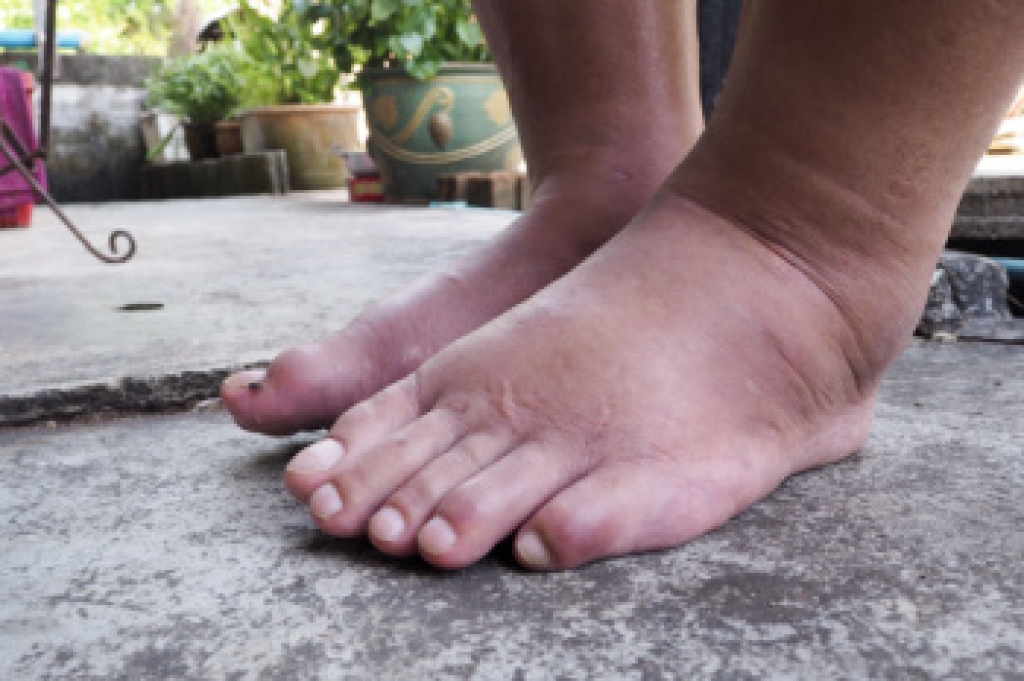
Lymphoedema ioccurs when the lymphatic system becomes damaged or blocked, leading to the buildup of lymphatic fluid in the tissues. This causes swelling, often in the arms or legs, and can significantly affect the feet. Swollen feet may feel heavy, tight, or uncomfortable, and the skin may become thickened or prone to infection. A podiatrist can help manage lymphoedema-related foot swelling by recommending proper footwear, compression therapy, and skin care routines to reduce discomfort and prevent complications. They can also monitor for signs of infection and support overall foot health. If you notice persistent swelling in your feet, it is suggested that you schedule a visit with a podiatrist for guidance, treatment, and relief.

Swollen feet can be a sign of an underlying condition. If you have any concerns, contact one of our podiatrists of East Ocean Podiatry . Our doctors can provide the care you need to keep you pain-free and on your feet.

Swollen feet are a common ailment among pregnant women and people who stand or sit for extended periods. Aging may increase the possibility of swollen feet and patients who are obese often notice when their feet are swelling too. There may be medical reasons why swollen feet occur:

  • Phlebitis - A condition that causes the veins to become inflamed and can also cause leg pain.
  • Liver disease - This may lead to low blood levels of albumin which is a protein. This can cause fluid in the blood to pass into the tissues and several areas of the body can become swollen.
  • Heart failure - When the heart doesn’t pump properly the blood that is normally pumped back to the heart can pool in the veins of the legs causing swollen feet.
  • Kidney disease - One of the main functions of the kidneys is releasing excess fluid in the body. This type of condition can make it difficult for the kidneys to function properly, and as a result the feet may become swollen.
  • Deep-vein thrombosis (DVT)- This is a serious condition where blood clots form in the veins of the legs. They can block the return of blood from the legs to the heart which may cause the feet to swell. It is important to be treated by a podiatrist if this condition is present.

Swollen feet can also be caused by bone and tendon conditions, including fractures, arthritis, and tendinitis. Additionally, there may be skin and toenail conditions and an infection may cause the feet to swell. Patients who take medicine to treat high blood pressure may be prone to getting swollen feet. 

Many patients elevate their feet to help relieve the swelling and this is generally a temporary remedy. When a podiatrist is consulted the reason behind the swelling can be uncovered and subsequently treated.

If you have any questions please contact our office located in Deerfield Beach, FL . We offer the newest diagnostic and treatment technologies for all your foot and ankle needs.

Read more about Swelling of the Feet

Causes and Risk Factors for Plantar Fasciitis

Plantar fasciitis causes pain in the heel and bottom of the foot. It occurs when the plantar fascia, a thick band of tissue that supports the arch, becomes inflamed or irritated. Causes include repetitive strain, long periods of standing, improper footwear, or sudden increases in activity. Symptoms often begin with sharp heel pain, especially with the first steps in the morning or after rest. Risk factors include high arches, flat feet, obesity, and tight calf muscles. A podiatrist can diagnose plantar fasciitis through examination and recommend treatments, such as stretching exercises, footwear changes, orthotics, or other therapies to relieve pain, improve function, and prevent further injury. If you have heel pain, it is suggested that you consult a podiatrist who can accurately diagnose the problem and offer effective treatment solutions.

Plantar fasciitis can be very painful and inconvenient. If you are experiencing heel pain or symptoms of plantar fasciitis, contact one of our podiatrists  from East Ocean Podiatry . Our doctors can provide the care you need to keep you pain-free and on your feet.

What Is Plantar Fasciitis?

Plantar fasciitis is the inflammation of the thick band of tissue that runs along the bottom of your foot, known as the plantar fascia, and causes mild to severe heel pain.

What Causes Plantar Fasciitis?

  • Excessive running
  • Non-supportive shoes
  • Overpronation
  • Repeated stretching and tearing of the plantar fascia

How Can It Be Treated?

  • Conservative measures – anti-inflammatories, ice packs, stretching exercises, physical therapy, orthotic devices
  • Shockwave therapy – sound waves are sent to the affected area to facilitate healing and are usually used for chronic cases of plantar fasciitis
  • Surgery – usually only used as a last resort when all else fails. The plantar fascia can be surgically detached from the heel

While very treatable, plantar fasciitis is definitely not something that should be ignored. Especially in severe cases, speaking to your doctor right away is highly recommended to avoid complications and severe heel pain. Your podiatrist can work with you to provide the appropriate treatment options tailored to your condition.

If you have any questions, please feel free to contact our office located in Deerfield Beach, FL . We offer the newest diagnostic and treatment technologies for all your foot care needs.

Read more about Plantar Fasciitis

Get Professional Care for a Broken Foot or Ankle

Constant care and regular evaluation are important for a foot or ankle fracture. If left untreated, foot or ankle fractures can worsen over time and create more serious problems.

Don't wait to be examined if you believe you've experienced a foot or ankle fracture.

How Diabetic Neuropathy Affects the Feet

Diabetic neuropathy is a complication of diabetes that affects the nerves in the feet and ankles. It often leads to numbness, tingling, burning sensations, or sharp pain. As the diabetic neuropathy progresses, patients may lose sensation in their feet, making it difficult to notice cuts, blisters, or pressure sores. This can increase the risk of infections, ulcers, and, in severe cases, lead to the need for surgery. Because diabetic neuropathy cannot be reversed, early diagnosis and medical treatment are essential to slow progression and reduce complications. A podiatrist can evaluate nerve function, monitor blood flow, and help manage the effects of peripheral neuropathy in the lower limbs. Treatment may involve medication to manage pain, custom footwear to reduce pressure points, and regular professional exams to prevent complications from unnoticed injuries. Ongoing medical foot care is especially important for people with decreased sensation. If you have complications from diabetes that affect the feet, it is suggested that you schedule regular visits to a podiatrist for expert advice.

Neuropathy

Neuropathy can be a potentially serious condition, especially if it is left undiagnosed. If you have any concerns that you may be experiencing nerve loss in your feet, consult with one of our podiatrists from East Ocean Podiatry . Our doctors will assess your condition and provide you with quality foot and ankle treatment for neuropathy.

What Is Neuropathy?

Neuropathy is a condition that leads to damage to the nerves in the body. Peripheral neuropathy, or neuropathy that affects your peripheral nervous system, usually occurs in the feet. Neuropathy can be triggered by a number of different causes. Such causes include diabetes, infections, cancers, disorders, and toxic substances.

Symptoms of Neuropathy Include:

  • Numbness
  • Sensation loss
  • Prickling and tingling sensations
  • Throbbing, freezing, burning pains
  • Muscle weakness

Those with diabetes are at serious risk due to being unable to feel an ulcer on their feet. Diabetics usually also suffer from poor blood circulation. This can lead to the wound not healing, infections occurring, and the limb may have to be amputated.

Treatment

To treat neuropathy in the foot, podiatrists will first diagnose the cause of the neuropathy. Figuring out the underlying cause of the neuropathy will allow the podiatrist to prescribe the best treatment, whether it be caused by diabetes, toxic substance exposure, infection, etc. If the nerve has not died, then it’s possible that sensation may be able to return to the foot.

Pain medication may be issued for pain. Electrical nerve stimulation can be used to stimulate nerves. If the neuropathy is caused from pressure on the nerves, then surgery may be necessary.

If you have any questions, please feel free to contact our office located in Deerfield Beach, FL . We offer the newest diagnostic and treatment technologies for all your foot care needs.

Read more about Neuropathy

Connect With Us