The Importance of Foot and Toe Stretches

Many podiatrists cannot stress the importance of stretching the feet enough. When the feet are frequently stretched, foot pain and fatigue may be reduced, and circulation can be improved. The feet can tire from standing or walking for several hours during the day, in addition to wearing shoes that do not fit correctly. A common foot stretch is known as a calf or runner’s stretch. This is done by standing on a step while lowering one heel at a time until a gentle stretch is felt. The movement of the foot is controlled by two calf muscles, which connect to the Achilles tendon. These muscles can generally be tight, and performing a runner’s stretch can be an effective way to loosen them. The muscles in the feet that provide movement to the toes are called intrinsic muscles, and are located between the metatarsal bones. They can weaken with age, and stretching them properly may slow down this process. There are numerous stretches that can be done for the feet and toes, and if you would like more information about how to perform these, it is suggested that you speak with a podiatrist.

Stretching the feet is a great way to prevent injuries. If you have any concerns with your feet consult with one of our podiatrists from East Ocean Podiatry . Our doctors will assess your condition and provide you with quality foot and ankle treatment.

Stretching the Feet

Stretching the muscles in the foot is an important part in any physical activity. Feet that are tight can lead to less flexibility and make you more prone to injury. One of the most common forms of foot pain, plantar fasciitis, can be stretched out to help ease the pain. Stretching can not only ease pain from plantar fasciitis but also prevent it as well. However, it is important to see a podiatrist first if stretching is right for you. Podiatrists can also recommend other ways to stretch your feet. Once you know whether stretching is right for you, here are some excellent stretches you can do.

  • Using a foam roller or any cylindrical object (a water bottle or soda can will do), roll the object under your foot back and forth. You should also exert pressure on the object. Be sure to do this to both feet for a minute. Do this exercise three times each.
  • Similar to the previous one, take a ball, such as a tennis ball, and roll it under your foot while seated and exert pressure on it.
  • Grab a resistance band or towel and take a seat. If you are using a towel, fold it length wise. Next put either one between the ball of your foot and heel and pull with both hands on each side towards you. Hold this for 15 seconds and then switch feet. Do this three times for each foot.
  • Finally hold your big toe while crossing one leg over the other. Pull the toe towards you and hold for 15 seconds. Once again do this three times per foot.

It is best to go easy when first stretching your foot and work your way up. If your foot starts hurting, stop exercising and ice and rest the foot. It is advised to then see a podiatrist for help.

If you have any questions please contact our office located in Deerfield Beach, FL . We offer the newest diagnostic and treatment technologies for all your foot and ankle needs.
Read more about Stretching Your Feet

The Definition of Clubfoot

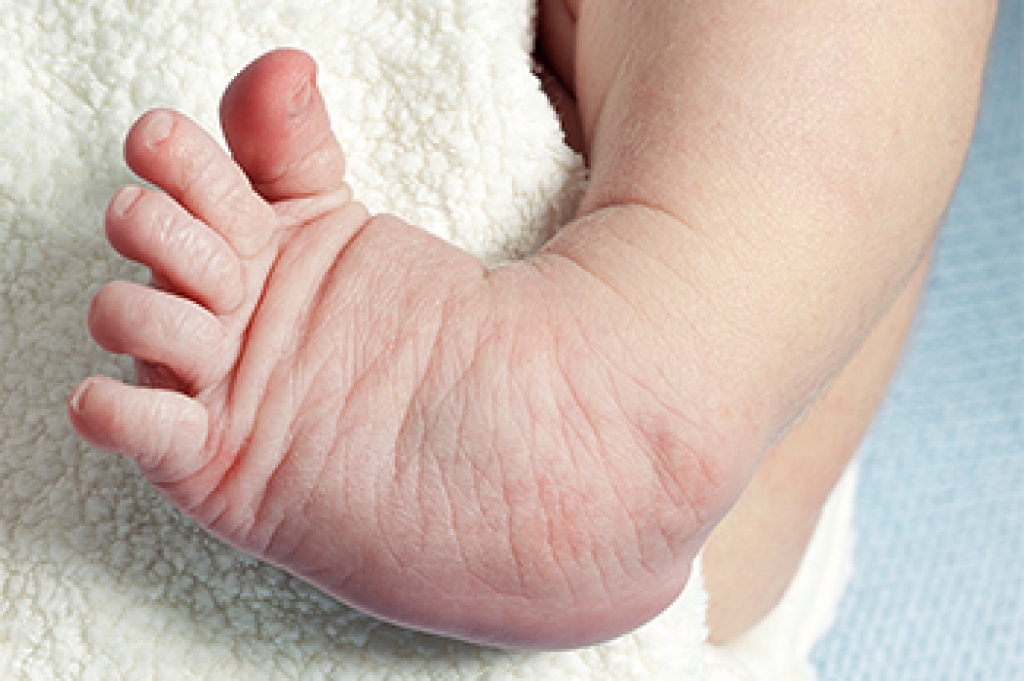
Clubfoot is a common congenital foot defect that causes a newborn’s foot to turn in or down, and the toes point toward the opposite foot. The foot, heel, and calf muscle on the affected foot may be smaller than in the other foot. In severe instances, the foot may be twisted upside down. The tendons that connect the leg muscles to the heel are too short, which causes the baby’s foot to twist into an unnatural position. It is thought that this can happen due to genetic reasons or if there is low amniotic fluid surrounding the baby in the womb. It is more common in babies with mothers who smoked or used recreational drugs during pregnancy. It is twice as likely to impact boy infants as girls. Clubfoot can affect one or both feet and may be mild or severe. Clubfoot is not painful and can often be corrected while the child is an infant if treated immediately. The success rate is high for those treated, and the majority of children will walk normally and lead an ordinary life. If you know your child has clubfoot in utero or is born with this affliction, it is strongly suggested that you visit a podiatrist as soon as possible after birth to have the severity of the deformity determined, and to begin the correct treatment.

Congenital foot problems require immediate attention to avoid future complications. If you have any concerns, contact one of our podiatrists of East Ocean Podiatry . Our doctors can provide the care you need to keep you pain-free and on your feet.

Congenital foot problems are deformities affecting the feet, toes, and/or ankles that children are born with. Some of these conditions have a genetic cause while others just happen. Some specific foot ailments that children may be born with include clubfeet, polydactyly/macrodactyly, and cleft foot. There are several other foot anomalies that can occur congenitally. What all of these conditions have in common is that a child may experience difficulty walking or performing everyday activities, as well as trouble finding footwear that fits their foot deformity. Some of these conditions are more serious than others. Consulting with a podiatrist as early as possible will help in properly diagnosing a child’s foot condition while getting the necessary treatment underway.

What are Causes of Congenital Foot Problem?

A congenital foot problem is one that happens to a child at birth. These conditions can be caused by a genetic predisposition, developmental or positional abnormalities during gestation, or with no known cause.

What are Symptoms of Congenital Foot Problems?

Symptoms vary by the congenital condition. Symptoms may consist of the following:

  • Clubfoot, where tendons are shortened, bones are shaped differently, and the Achilles tendon is tight, causing the foot to point in and down. It is also possible for the soles of the feet to face each other.
  • Polydactyly, which usually consists of a nubbin or small lump of tissue without a bone, a toe that is partially formed but has no joints, or an extra toe.
  • Vertical talus, where the talus bone forms in the wrong position causing other bones in the foot to line up improperly, the front of the foot to point up, and the bottom of the foot to stiffen, with no arch, and to curve out.
  • Tarsal coalition, when there is an abnormal connection of two or more bones in the foot leading to severe, rigid flatfoot.
  • Cleft foot, where there are missing toes, a V-shaped cleft, and other anatomical differences.
  • Macrodactyly, when the toes are abnormally large due to overgrowth of the underlying bone or soft tissue.

Treatment and Prevention

While there is nothing one can do to prevent congenital foot problems, raising awareness and receiving neonatal screenings are important. Early detection by taking your child to a podiatrist leads to the best outcome possible.

If you have any questions, please feel free to contact our office located in Deerfield Beach, FL . We offer the newest diagnostic and treatment technologies for all your foot care needs.

Read more about Congenital Foot Problems

What Causes Morton’s Neuroma?

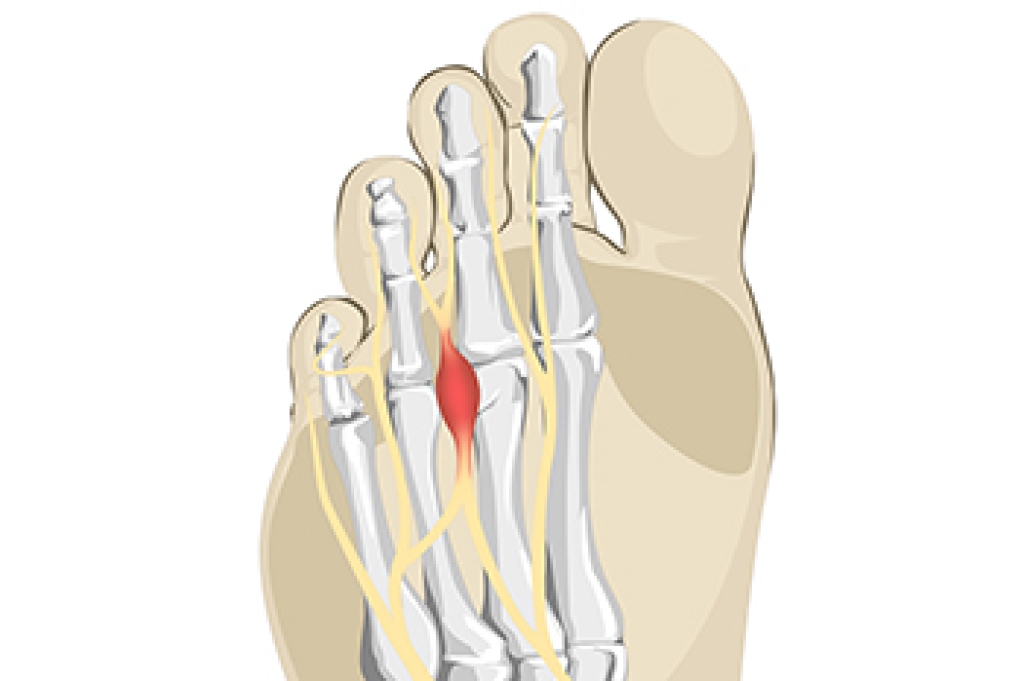
The foot condition that is known as Morton’s neuroma is painful. It is caused by wearing shoes that do not have enough room in the toe area and it affects the nerve between the third and fourth toes. High heels can fall into this category, and women can develop this condition if high heels are worn often and for long periods of time. Patients may feel this affected nerve can be malignant, however, it is considered to be a benign growth. The pain is often felt in the ball of the foot, and it may be difficult to walk. Temporary relief may be found when wider shoes with lower heels are worn. There may be swelling that accompanies this ailment, and it can be helpful to elevate the feet. In severe cases, some patients may choose surgery that can remove the nerve, and normal activities may be resumed. If you have foot pain from for Morton’s neuroma, it is strongly suggested that you contact a podiatrist who can effectively diagnose and offer the correct treatment methods. 

Morton’s neuroma is a very uncomfortable condition to live with. If you think you have Morton’s neuroma, contact one of our podiatrists of East Ocean Podiatry . Our doctors will attend to all of your foot care needs and answer any of your related questions.  

Morton’s Neuroma

Morton's neuroma is a painful foot condition that commonly affects the areas between the second and third or third and fourth toe, although other areas of the foot are also susceptible. Morton’s neuroma is caused by an inflamed nerve in the foot that is being squeezed and aggravated by surrounding bones.

What Increases the Chances of Having Morton’s Neuroma?

  • Ill-fitting high heels or shoes that add pressure to the toe or foot
  • Jogging, running or any sport that involves constant impact to the foot
  • Flat feet, bunions, and any other foot deformities

Morton’s neuroma is a very treatable condition. Orthotics and shoe inserts can often be used to alleviate the pain on the forefront of the feet. In more severe cases, corticosteroids can also be prescribed. In order to figure out the best treatment for your neuroma, it’s recommended to seek the care of a podiatrist who can diagnose your condition and provide different treatment options.

If you have any questions, please feel free to contact our office located in Deerfield Beach, FL . We offer the newest diagnostic and treatment technologies for all your foot care needs.

Read more about Morton's Neuroma

What Has Caused My Ingrown Toenail?

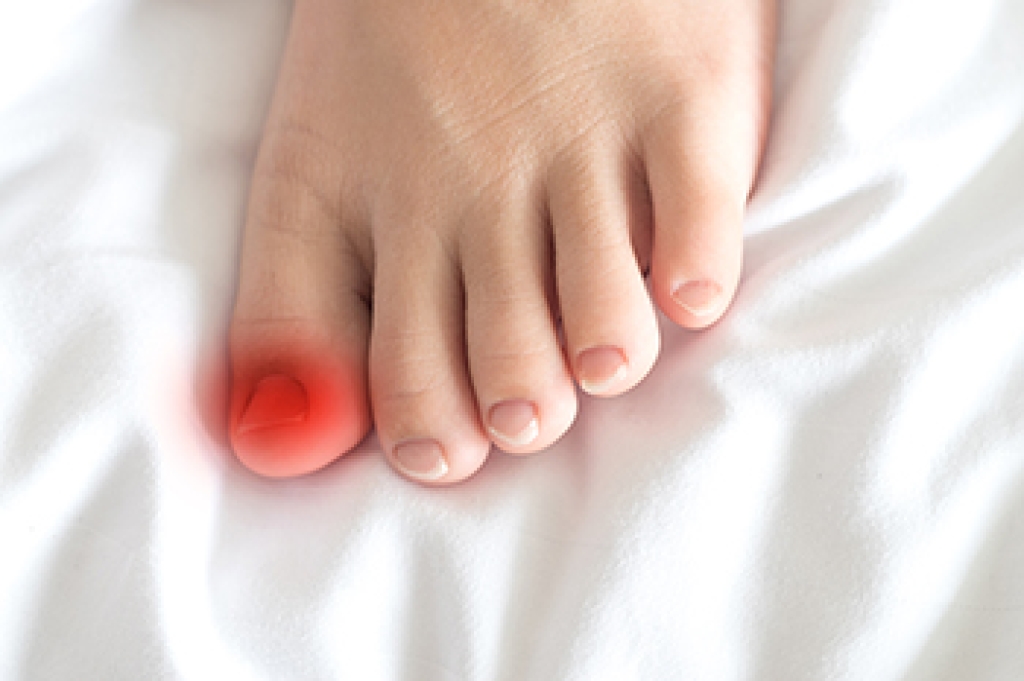
Toenails grow over the skin, and an ingrown toenail occurs when the nail grows into the skin instead of over it. This can be an extremely painful foot condition, and may be caused by genetic reasons, or from wearing shoes that are too tight. It may also happen if a toe injury has occurred, such as stubbing the foot against a piece of furniture. Research has indicated that having poor posture may lead to developing an ingrown toenail. This may cause the toes to push together, and pressure can be exerted on them as they grow. Additionally, a common reason to have an ingrown toenail can be from cutting the toenails incorrectly, or from having poor foot hygiene. If you have an ingrown toenail, it is strongly suggested that you are under the care of a podiatrist who can correct this painful condition, which may include surgery for permanent relief. 

Ingrown toenails can become painful if they are not treated properly. For more information about ingrown toenails, contact one of our podiatrists of East Ocean Podiatry . Our doctors can provide the care you need to keep you pain-free and on your feet.

Ingrown Toenails

Ingrown toenails occur when a toenail grows sideways into the bed of the nail, causing pain, swelling, and possibly infection.

Causes

  • Bacterial infections
  • Improper nail cutting such as cutting it too short or not straight across
  • Trauma to the toe, such as stubbing, which causes the nail to grow back irregularly
  • Ill-fitting shoes that bunch the toes too close together
  • Genetic predisposition

Prevention

Because ingrown toenails are not something found outside of shoe-wearing cultures, going barefoot as often as possible will decrease the likeliness of developing ingrown toenails. Wearing proper fitting shoes and using proper cutting techniques will also help decrease your risk of developing ingrown toenails.

Treatment

Ingrown toenails are a very treatable foot condition. In minor cases, soaking the affected area in salt or antibacterial soaps will not only help with the ingrown nail itself, but also help prevent any infections from occurring. In more severe cases, surgery is an option. In either case, speaking to your podiatrist about this condition will help you get a better understanding of specific treatment options that are right for you.

If you have any questions, please feel free to contact our office located in Deerfield Beach, FL . We offer the newest diagnostic and treatment technologies for all your foot care needs.

Read more about Ingrown Toenail Care

Wounds That Don't Heal Need to Be Checked

Your feet are covered most of the day. If you're diabetic, periodic screening is important for good health. Numbness is often a sign of diabetic foot and can mask a sore or wound.

Connect With Us