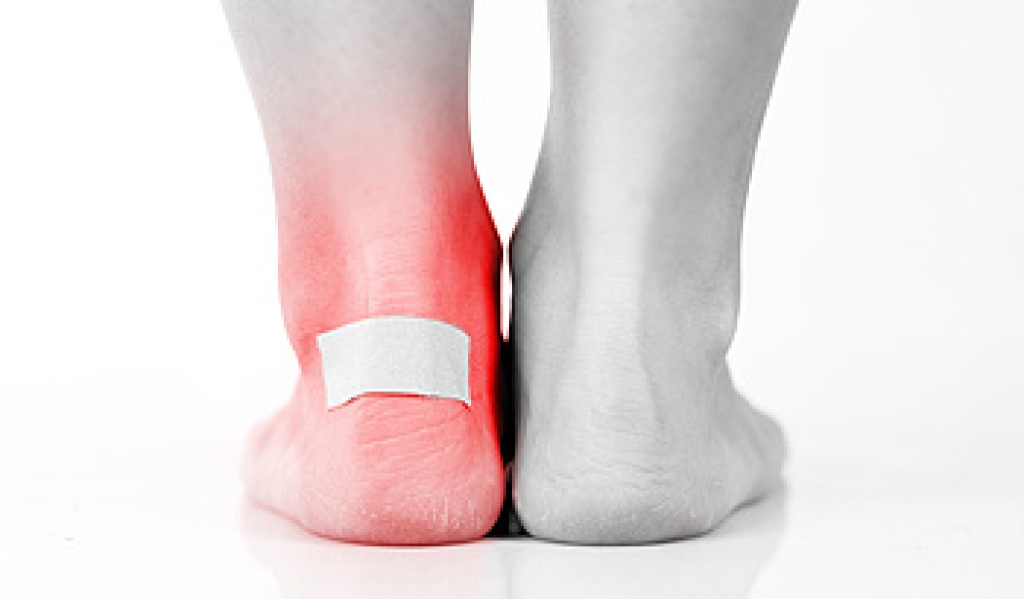
Blisters Will Gradually Drain

A small area on the skin that is filled with liquid and resembles a bubble is referred to as a blister. Its function is to protect the damaged skin while new skin grows, and will gradually drain when the body no longer needs it. A blister often develops as a result of excessive friction from wearing shoes that do not fit correctly. Additionally, blisters can form from certain medical conditions, including psoriasis, frostbite, and eczema. An allergic reaction to an insect bite may cause a blister, or one may develop from specific types of chemicals. The blister can be protected by placing a bandage over it, as daily activities are completed. If you frequently develop blisters on your feet, please consult with a podiatrist who can provide you with reasons why and suggest correct preventative techniques.

Blisters are prone to making everyday activities extremely uncomfortable. If your feet are hurting, contact one of our podiatrists of East Ocean Podiatry . Our doctors can provide the care you need to keep you pain-free and on your feet.

Foot Blisters

Foot blisters develop as a result of constantly wearing tight or ill-fitting footwear. This happens due to the constant rubbing from the shoe, which can often lead to pain.

What Are Foot Blisters?

A foot blister is a small fluid-filled pocket that forms on the upper-most layer of the skin. Blisters are filled with clear fluid and can lead to blood drainage or pus if the area becomes infected.

How Do Blisters Form?

Blisters on the feet are often the result of constant friction of skin and material, usually by shoe rubbing. Walking in sandals, boots, or shoes that don’t fit properly for long periods of time can result in a blister. Having consistent foot moisture and humidity can easily lead to blister formation.

Prevention & Treatment

It is important to properly care for the affected area in order to prevent infection and ease the pain. Do not lance the blister and use a Band-Aid to provide pain relief. Also, be sure to keep your feet dry and wear proper fitting shoes. If you see blood or pus in a blister, seek assistance from a podiatrist.

If you have any questions, please feel free to contact our office located in Deerfield Beach, FL . We offer the newest diagnostic and treatment technologies for all your foot care needs.


Read more about Blisters

What Is Peripheral Neuropathy?

The most common form of peripheral neuropathy affects the feet. When there is a problem affecting the nerves in the feet, one can experience tingling and numbness in the feet, shooting, stabbing, or burning pain there, loss of coordination and balance, and muscle weakness. There is typically an underlying condition for those with this disorder. Those with diabetes and the elderly are most apt to be affected by this condition. Loss of sensation and possible injury to the feet without knowing it is a dangerous combination. It is vital that one who suffers from this type of neuropathy takes proper and daily care of one’s feet. Such care includes keeping feet clean, looking for ingrown toenails, sores or signs of injury, moisturizing feet, and wearing proper fitting shoes. While symptoms can be intermittent, because of the danger involved and the progressive nature of the condition, it is suggested that one consult a podiatrist as early as possible for relief of symptoms and treatment recommendations.

Neuropathy

Neuropathy can be a potentially serious condition, especially if it is left undiagnosed. If you have any concerns that you may be experiencing nerve loss in your feet, consult with one of our podiatrists from East Ocean Podiatry . Our doctors will assess your condition and provide you with quality foot and ankle treatment for neuropathy.

What Is Neuropathy?

Neuropathy is a condition that leads to damage to the nerves in the body. Peripheral neuropathy, or neuropathy that affects your peripheral nervous system, usually occurs in the feet. Neuropathy can be triggered by a number of different causes. Such causes include diabetes, infections, cancers, disorders, and toxic substances.

Symptoms of Neuropathy Include:

  • Numbness
  • Sensation loss
  • Prickling and tingling sensations
  • Throbbing, freezing, burning pains
  • Muscle weakness

Those with diabetes are at serious risk due to being unable to feel an ulcer on their feet. Diabetics usually also suffer from poor blood circulation. This can lead to the wound not healing, infections occurring, and the limb may have to be amputated.

Treatment

To treat neuropathy in the foot, podiatrists will first diagnose the cause of the neuropathy. Figuring out the underlying cause of the neuropathy will allow the podiatrist to prescribe the best treatment, whether it be caused by diabetes, toxic substance exposure, infection, etc. If the nerve has not died, then it’s possible that sensation may be able to return to the foot.

Pain medication may be issued for pain. Electrical nerve stimulation can be used to stimulate nerves. If the neuropathy is caused from pressure on the nerves, then surgery may be necessary.

If you have any questions, please feel free to contact our office located in Deerfield Beach, FL . We offer the newest diagnostic and treatment technologies for all your foot care needs.

Read more about Neuropathy

Can Exercise Strengthen My Feet?

Exercise keeps our bodies strong! Given that our feet are an integral part of everyday life and getting us where we need to be, it stands to reason that exercising our feet is necessary to keep them strong and healthy. After all, they are relatively small appendages to carry our weight. In addition to improving your overall health, exercising your feet on a regular basis can reduce the risk of injury. When problems arise in your feet causing pain or gait instability, various exercises can be done to improve the issue. A podiatrist can examine your feet, diagnose any current or emerging problems, and suggest exercises to help.

Exercising your feet regularly with the proper foot wear is a great way to prevent injuries and build strength. If you have any concerns about your feet, contact one of our podiatrists from East Ocean Podiatry . Our doctors can provide the care you need to keep you pain-free and on your feet.

Exercise for Your Feet

Exercise for your feet can help you gain strength, mobility and flexibility in your feet. They say that strengthening your feet can be just as rewarding as strengthening another part of the body. Your feet are very important, and we often forget about them in our daily tasks. But it is because of our feet that are we able to get going and do what we need to. For those of us fortunate enough to not have any foot problems, it is an important gesture to take care of them to ensure good health in the long run.

Some foot health exercises can include ankle pumps, tip-toeing, toe rises, lifting off the floor doing reps and sets, and flexing the toes. It is best to speak with Our doctors to determine an appropriate regimen for your needs. Everyone’s needs and bodies are different, and the activities required to maintain strength in the feet vary from individual to individual. 

Once you get into a routine of doing regular exercise, you may notice a difference in your feet and how strong they may become.

If you have any questions, please feel free to contact our office located in Deerfield Beach, FL . We offer the newest diagnostic and treatment technologies for all your foot care needs.
Read more about Exercise for Your Feet

Are You Suffering From Nerve Damage?

Neuropathy is a condition that can lead to numbness or loss of sensation in the feet, but it can also cause pain. This condition is more likely to develop for those who are diabetic, obese, or with high blood pressure.

Dealing With a Sprained Toe

A common cause of a toe sprain is direct impact – bumping into something hard or dropping something heavy on the toe – which can injure the ligaments in the joint. The first thing to do is employ the RICE method of treatment: rest, ice, compression, and elevation. Rest: Try to stay off the foot as much as possible. Ice: This action helps reduce both pain and swelling. Compression: Unless it is the big toe, it is tough to wrap the injured area, so you may need to tape the injured toe to one next to it, being careful not to further injure the sore toe. Elevation: Keeping the foot up helps improve blood circulation and further reduces swelling. Healing should take a few days, depending on how much damage was done. If pain persists, it’s a good idea to contact a podiatrist who can examine the area and suggest more extensive treatment options. 


Foot Pain

Foot pain can be extremely painful and debilitating. If you have a foot pain, consult with one of our podiatrists from East Ocean Podiatry . Our doctors will assess your condition and provide you with quality foot and ankle treatment.

Causes

Foot pain is a very broad condition that could be caused by one or more ailments. The most common include:

  • Bunions
  • Hammertoes
  • Plantar Fasciitis
  • Bone Spurs
  • Corns
  • Tarsal Tunnel Syndrome
  • Ingrown Toenails
  • Arthritis (such as Gout, Rheumatoid, and Osteoarthritis)
  • Flat Feet
  • Injury (from stress fractures, broken toe, foot, ankle, Achilles tendon ruptures, and sprains)
  • And more

Diagnosis

To figure out the cause of foot pain, podiatrists utilize several different methods. This can range from simple visual inspections and sensation tests to X-rays and MRI scans. Prior medical history, family medical history, and any recent physical traumatic events will all be taken into consideration for a proper diagnosis.

Treatment

Treatment depends upon the cause of the foot pain. Whether it is resting, staying off the foot, or having surgery; podiatrists have a number of treatment options available for foot pain.

If you have any questions, please feel free to contact our office located in Deerfield Beach, FL . We offer the newest diagnostic and treatment technologies for all your foot care needs.
Read more about Foot Pain

Preparing for an ABI Test

An ankle-brachial index (ABI) test is a quick, safe, and noninvasive screening used to assess a patient’s risk of having peripheral artery disease or other conditions that can cause poor blood flow in the lower limbs. During an ABI test, the patient’s blood pressure is measured at the ankle and upper arm using a sphygmomanometer (blood pressure cuff) and ultrasound. The two numbers are then compared to calculate a ratio that correlates to the risk of having a lower extremity arterial disease. Patients do not have to do much to prepare for an ABI test. You may be asked to avoid heavy exercise or stimulants for an hour prior to the test and to wear loose clothing. To learn more about ABI tests, speak with your podiatrist today. 

Vascular testing plays an important part in diagnosing disease like peripheral artery disease. If you have symptoms of peripheral artery disease, or diabetes, consult with one of our podiatrists from East Ocean Podiatry . Our doctors will assess your condition and provide you with quality foot and ankle treatment.

What Is Vascular Testing?

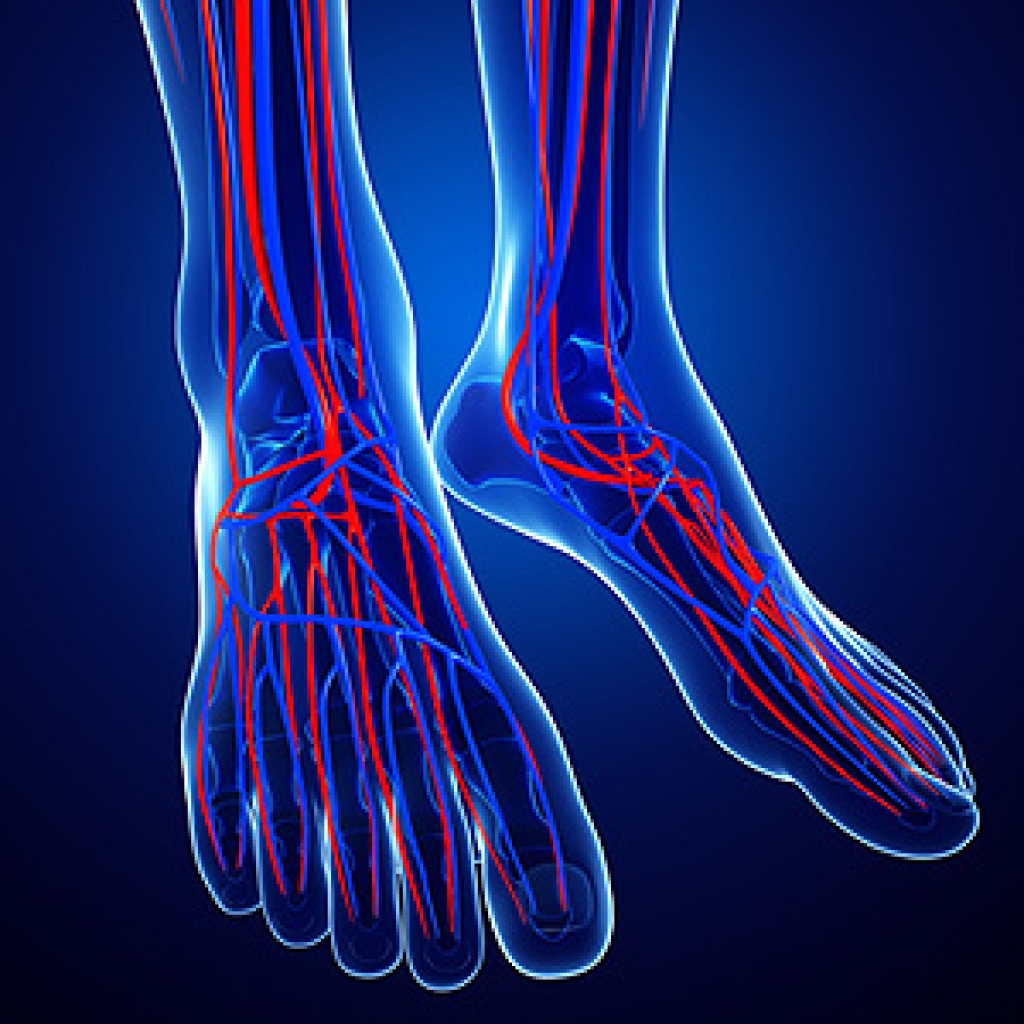
Vascular testing checks for how well blood circulation is in the veins and arteries. This is most often done to determine and treat a patient for peripheral artery disease (PAD), stroke, and aneurysms. Podiatrists utilize vascular testing when a patient has symptoms of PAD or if they believe they might. If a patient has diabetes, a podiatrist may determine a vascular test to be prudent to check for poor blood circulation.

How Is it Conducted?

Most forms of vascular testing are non-invasive. Podiatrists will first conduct a visual inspection for any wounds, discoloration, and any abnormal signs prior to a vascular test.

 The most common tests include:

  • Ankle-Brachial Index (ABI) examination
  • Doppler examination
  • Pedal pulses

These tests are safe, painless, and easy to do. Once finished, the podiatrist can then provide a diagnosis and the best course for treatment.

If you have any questions please contact our office located in Deerfield Beach, FL . We offer the newest diagnostic and treatment technologies for all your foot and ankle needs.

Read more about Vascular Testing in Podiatry

What You Should Know if You Have Heel Pain

If you have heel pain, you may have come across the medical term plantar fascia. This is a strong, fairly inflexible connective tissue on the bottom of the foot that connects the heel bone with the toes. When this tissue becomes damaged or torn, it is known as plantar fasciitis, a painful inflammation of the plantar fascia. There is a good chance that your heel pain may be caused by plantar fasciitis, as this is the most common form of heel pain. What caused your plantar fasciitis? Perhaps you run or walk quite a bit or have the type of job that requires you to stand for all or most of the day. Maybe you regularly wear flip-flops, high heels or other footwear that does not offer adequate support or cushioning. Arthritis can contribute to the development of plantar fasciitis, as well as tight calf muscles, high arches, flat feet, or other conditions you may have that cause an imbalance in the biomechanics of your feet. You may even be pregnant or carrying some extra weight, which can stress the plantar fascia. Whatever the reason is for your heel pain, you should know that help is available. You don’t need to learn to live with heel pain, especially if it is caused by plantar fasciitis. Podiatrists treat people with plantar fasciitis every day, and can offer you various forms of treatment to provide the relief you are looking for.

Plantar fasciitis can be very painful and inconvenient. If you are experiencing heel pain or symptoms of plantar fasciitis, contact one of our podiatrists  from East Ocean Podiatry . Our doctors can provide the care you need to keep you pain-free and on your feet.

What Is Plantar Fasciitis?

Plantar fasciitis is the inflammation of the thick band of tissue that runs along the bottom of your foot, known as the plantar fascia, and causes mild to severe heel pain.

What Causes Plantar Fasciitis?

  • Excessive running
  • Non-supportive shoes
  • Overpronation
  • Repeated stretching and tearing of the plantar fascia

How Can It Be Treated?

  • Conservative measures – anti-inflammatories, ice packs, stretching exercises, physical therapy, orthotic devices
  • Shockwave therapy – sound waves are sent to the affected area to facilitate healing and are usually used for chronic cases of plantar fasciitis
  • Surgery – usually only used as a last resort when all else fails. The plantar fascia can be surgically detached from the heel

While very treatable, plantar fasciitis is definitely not something that should be ignored. Especially in severe cases, speaking to your doctor right away is highly recommended to avoid complications and severe heel pain. Your podiatrist can work with you to provide the appropriate treatment options tailored to your condition.

If you have any questions, please feel free to contact our office located in Deerfield Beach, FL . We offer the newest diagnostic and treatment technologies for all your foot care needs.

Read more about Plantar Fasciitis

Is the Front of Your Ankle Hurting? It May Be Footballer’s Ankle

Bone spurs (osteophytes) are bony deposits or growths that develop on the ends of bones that sometimes occur in response to an abnormality around a joint. Overuse injuries or ankle sprains may cause bone spurs to form on the front of the ankle joint (on the tibia and/or talus bones). These spurs can pinch (impinge), cause pain, and decrease mobility in the ankle when the foot is bent upward (dorsiflexion). The medical term for this condition is anterior ankle impingement. It is sometimes referred to as "footballer's ankle,” or “athlete's ankle.” This is because athletes that need to frequently dorsiflex their ankles—such as ballet dancers, soccer and football players, runners and gymnasts alike—are more at risk of developing this condition. Treatment for footballer’s ankle may start by trying to reduce inflammation at the joint by resting and icing it, taking oral anti-inflammatory medicines, wearing ankle braces, or getting cortisone injections. If these more conservative measures do not provide adequate relief from the impingement, arthroscopic debridement may be necessary to remove the bone spur(s). If the front of your ankle is painful, or you are having difficulty bending your foot upward at the joint, it’s a good idea to consult with a podiatrist to see if you have a bone spur on your ankle.

Ankle pain can be caused by a number of problems and may be potentially serious. If you have ankle pain, consult with one of our podiatrists from East Ocean Podiatry . Our doctors will assess your condition and provide you with quality foot and ankle treatment.

Ankle pain is any condition that causes pain in the ankle. Due to the fact that the ankle consists of tendons, muscles, bones, and ligaments, ankle pain can come from a number of different conditions.

Causes

The most common causes of ankle pain include:

  • Types of arthritis (rheumatoid, osteoarthritis, and gout)
  • Ankle sprains
  • Broken ankles
  • Achilles tendonitis
  • Achilles tendon rupture
  • Stress fractures
  • Bursitis
  • Tarsal tunnel syndrome
  • Plantar fasciitis

Symptoms

Symptoms of ankle injury vary based upon the condition. Pain may include general pain and discomfort, swelling, aching, redness, bruising, burning or stabbing sensations, and/or loss of sensation.

Diagnosis

Due to the wide variety of potential causes of ankle pain, podiatrists will utilize a number of different methods to properly diagnose ankle pain. This can include asking for personal and family medical histories and of any recent injuries. Further diagnosis may include sensation tests, a physical examination, and potentially x-rays or other imaging tests.

Treatment

Just as the range of causes varies widely, so do treatments. Some more common treatments are rest, ice packs, keeping pressure off the foot, orthotics and braces, medication for inflammation and pain, and surgery.

If you have any questions please feel free to contact our office located in Deerfield Beach, FL . We offer the newest diagnostic tools and technology to treat your foot and ankle needs.

Read more about Ankle Pain

How to Get Your Baby Started on the Right Foot

Having healthy feet is a lifelong journey, and developing a foot care program for your child can start at birth. One way babies develop muscle strength is by kicking and wiggling their feet and legs. So it’s a good idea to avoid constricting bed covers and footwear. It is thought that going barefoot helps the child’s feet develop properly. If your baby wears socks or one-piece outfits with feet, be sure to check them frequently to make sure they are not too tight around the toes. It’s also important to keep the baby's feet clean and dry daily. Here are a few things to look for as your child gets older: turning the foot in or out, not walking independently by around 18 months, frequent tripping and falling, still walking on toes by age 3, skin rashes, bumps, or other foot problems. It is a good idea to start early with a visit to a podiatrist who can examine your child’s feet and deal with any problems that may arise as he or she grows.

Making sure that your children maintain good foot health is very important as they grow. If you have any questions, contact one of our podiatrists of East Ocean Podiatry . Our doctors can provide the care you need to keep you pain-free and on your feet.

Keeping Children's Feet Healthy

Having healthy feet during childhood can help prevent medical problems later in life, namely in the back and legs. As children grow, their feet require different types of care. Here are some things to consider...

Although babies do not walk yet, it is still very important to take care of their feet.

Avoid putting tight shoes or socks on his or her feet.

Allow the baby to stretch and kick his or her feet to feel comfortable.

As a toddler, kids are now on the move and begin to develop differently. At this age, toddlers are getting a feel for walking, so don’t be alarmed if your toddler is unsteady or ‘walks funny’. 

As your child gets older, it is important to teach them how to take care of their feet.

Show them proper hygiene to prevent infections such as fungus.

Be watchful for any pain or injury.

Have all injuries checked by a doctor as soon as possible.

Comfortable, protective shoes should always be worn, especially at play.

If you have any questions, please feel free to contact our office located in Deerfield Beach, FL . We offer the newest diagnostic and treatment technologies for all your foot care needs.
Read more about What to Do to Keep Your Child’s Feet Healthy

Connect With Us