Why Are My Feet and Ankles Swollen?

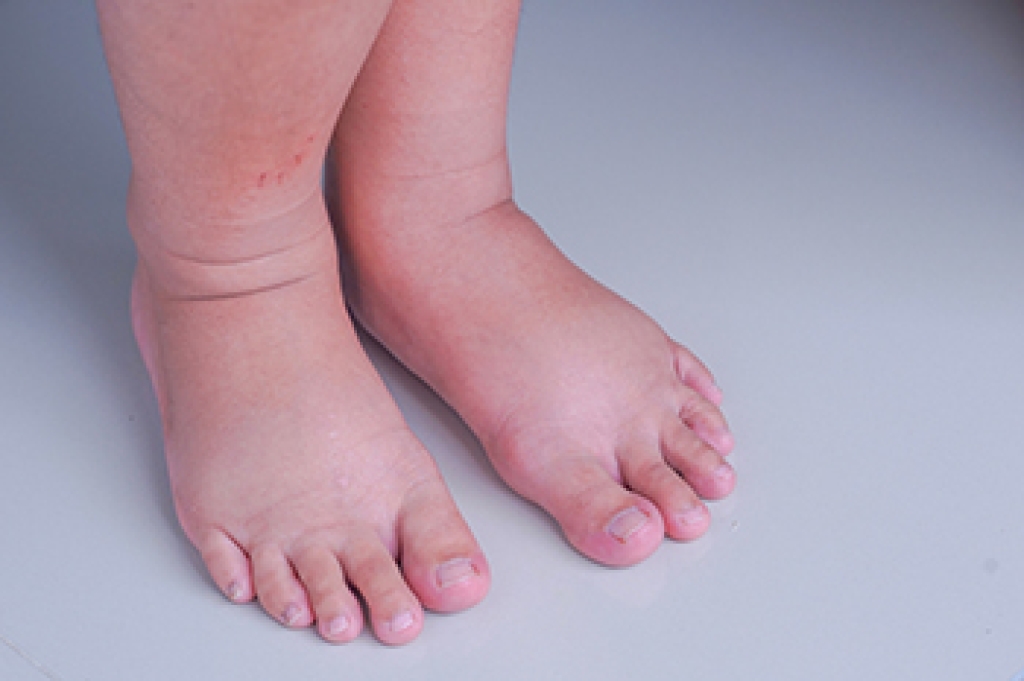
The feet and ankles are likely areas where excess fluid in the body can accumulate. The medical term for this is called edema, and swelling of the feet is a common condition. This swelling can occur for various reasons, including obesity, eating foods that are salty, and taking certain medications. Additionally, many pregnant women suffer from swollen feet and ankles, and this is a normal part of pregnancy. Swollen feet may also happen due to an allergic reaction, such as an insect bite or sting, or from an ankle injury. It is possible that swollen feet can be reduced by limiting sodium intake, gently stretching and exercising, and frequently elevating the feet. It can be beneficial to sit for short periods of time with the feet elevated and to wear shoes that fit correctly. If you have swollen feet or ankles, it is suggested that you speak with a podiatrist who can determine what the reason is and provide treatment solutions.

Swollen feet can be a sign of an underlying condition. If you have any concerns, contact one of our podiatrists of East Ocean Podiatry . Our doctors can provide the care you need to keep you pain-free and on your feet.

Swollen feet are a common ailment among pregnant women and people who stand or sit for extended periods. Aging may increase the possibility of swollen feet and patients who are obese often notice when their feet are swelling too. There may be medical reasons why swollen feet occur:

  • Phlebitis - A condition that causes the veins to become inflamed and can also cause leg pain.
  • Liver disease - This may lead to low blood levels of albumin which is a protein. This can cause fluid in the blood to pass into the tissues and several areas of the body can become swollen.
  • Heart failure - When the heart doesn’t pump properly the blood that is normally pumped back to the heart can pool in the veins of the legs causing swollen feet.
  • Kidney disease - One of the main functions of the kidneys is releasing excess fluid in the body. This type of condition can make it difficult for the kidneys to function properly, and as a result the feet may become swollen.
  • Deep-vein thrombosis (DVT)- This is a serious condition where blood clots form in the veins of the legs. They can block the return of blood from the legs to the heart which may cause the feet to swell. It is important to be treated by a podiatrist if this condition is present.

Swollen feet can also be caused by bone and tendon conditions, including fractures, arthritis, and tendinitis. Additionally, there may be skin and toenail conditions and an infection may cause the feet to swell. Patients who take medicine to treat high blood pressure may be prone to getting swollen feet. 

Many patients elevate their feet to help relieve the swelling and this is generally a temporary remedy. When a podiatrist is consulted the reason behind the swelling can be uncovered and subsequently treated.

If you have any questions please contact our office located in Deerfield Beach, FL . We offer the newest diagnostic and treatment technologies for all your foot and ankle needs.


Read more about Swelling of the Feet

Are You Suffering From Ingrown Toenails?

If left untreated, an ingrown toenail can lead to more serious concerns, such as an infection. Knowing proper nail care can help in the prevention of an ingrown toenail. Give us a call, and get treated!

Are Orthotics Right for Me?

Some people refer to orthotics as shoe inserts or foot pads. They are defined as a method to relieve foot pain, in addition to providing heel and arch support. The majority of people take thousands of steps per day, which may result in foot pain. This can make completing daily tasks difficult to accomplish, and relief is often sought. Once the source of the foot pain is identified, one of three types of orthotics may be prescribed. Pressure may be reduced while walking when soft orthotics are worn. These are designed with flexible materials, such as gel or foam. If stability is mostly needed, the choice may be rigid orthotics. They may also aid in having easier mobility. The most common type of orthotics is referred to as semi-rigid, which provides adequate cushioning and shock absorption. If you have foot pain, it is suggested that you speak with a podiatrist who can determine the cause and prescribe the type of orthotics that are right for you.

If you are having discomfort in your feet and would like to try orthotics, contact one of our podiatrists from East Ocean Podiatry . Our doctors can provide the care you need to keep you pain-free and on your feet.

What Are Orthotics?

Orthotics are inserts you can place into your shoes to help with a variety of foot problems such as flat feet or foot pain. Orthotics provide relief and comfort for minor foot and heel pain but can’t correct serious biomechanical problems in your feet.

Over-the-Counter Inserts

Orthotics come in a wide variety of over-the-counter inserts that are used to treat foot pain, heel pain, and minor problems. For example, arch supports can be inserted into your shoes to help correct overarched or flat feet, while gel insoles are often used because they provide comfort and relief from foot and heel pain by alleviating pressure.

Prescription Orthotics

If over-the-counter inserts don’t work for you or if you have a more severe foot concern, it is possible to have your podiatrist prescribe custom orthotics. These high-quality inserts are designed to treat problems such as abnormal motion, plantar fasciitis, and severe forms of heel pain. They can even be used to help patients suffering from diabetes by treating foot ulcers and painful calluses and are usually molded to your feet individually, which allows them to provide full support and comfort.

If you are experiencing minor to severe foot or heel pain, it’s recommended to speak with your podiatrist about the possibilities of using orthotics. A podiatrist can determine which type of orthotic is right for you and allow you to take the first steps towards being pain-free.

If you have any questions, please feel free to contact our office located in Deerfield Beach, FL . We offer the newest diagnostic and treatment technologies for all your foot care needs.

Read more about Ankle Foot Orthotics for Athletes

Blister Prevention

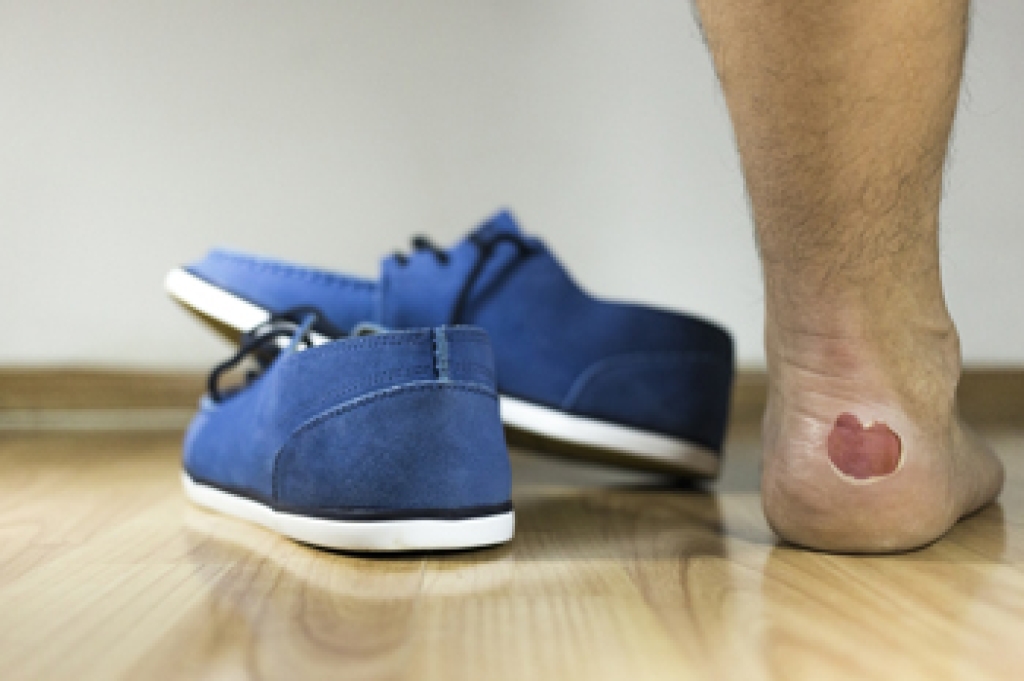
A blister is easy to notice. They typically form on the heel from excess friction caused by wearing shoes and socks that do not fit correctly. Blisters look like a small bubble that fills with a liquid to protect the raw skin. A blister will gradually drain when new skin has formed. When a blister forms, it can wreak havoc when attempting to complete daily activities. There are effective techniques to help prevent blisters, such as insoles if the feet slip inside the shoes and foot powders to absorb sweaty feet. It is beneficial to apply an antibiotic ointment, followed by covering the area with a bandage that can protect it from draining prematurely. If you frequently develop blisters on the feet, it is suggested that you speak with a podiatrist who can offer the correct prevention tips.

Blisters are prone to making everyday activities extremely uncomfortable. If your feet are hurting, contact one of our podiatrists of East Ocean Podiatry . Our doctors can provide the care you need to keep you pain-free and on your feet.

Foot Blisters

Foot blisters develop as a result of constantly wearing tight or ill-fitting footwear. This happens due to the constant rubbing from the shoe, which can often lead to pain.

What Are Foot Blisters?

A foot blister is a small fluid-filled pocket that forms on the upper-most layer of the skin. Blisters are filled with clear fluid and can lead to blood drainage or pus if the area becomes infected.

How Do Blisters Form?

Blisters on the feet are often the result of constant friction of skin and material, usually by shoe rubbing. Walking in sandals, boots, or shoes that don’t fit properly for long periods of time can result in a blister. Having consistent foot moisture and humidity can easily lead to blister formation.

Prevention & Treatment

It is important to properly care for the affected area in order to prevent infection and ease the pain. Do not lance the blister and use a Band-Aid to provide pain relief. Also, be sure to keep your feet dry and wear proper fitting shoes. If you see blood or pus in a blister, seek assistance from a podiatrist.

If you have any questions, please feel free to contact our office located in Deerfield Beach, FL . We offer the newest diagnostic and treatment technologies for all your foot care needs.

Read more about Blisters

Plantar Fasciitis and Pickleball

Pickleball is a sporting activity that dates back 50 years. It can be compared to tennis and badminton, and the feet can often become injured. Plantar fasciitis is an injury that commonly affects pickleball players. It is defined as an inflammation of the plantar fascia, which is found on the sole of the foot. It connects the heel to the toes, and can become inflamed from straining, which can happen from overuse. This sport is played on outdoor asphalt surfaces, and can be extremely demanding on the feet. Many people enjoy playing pickleball for several hours in a row, and may find they are limping off of the court. Effective prevention methods can include wearing shoes that fit correctly, and limiting the play time for this sport. Having an abnormal foot structure, such as flat feet or high arches, may contribute to developing plantar fasciitis. People who enjoy playing pickleball that have these existing foot conditions may benefit from wearing custom-made orthotics. If you would like to have more information about how to protect your feet while playing pickleball, it is suggested that you confer with a podiatrist who can offer you additional prevention methods.

Plantar fasciitis can be very painful and inconvenient. If you are experiencing heel pain or symptoms of plantar fasciitis, contact one of our podiatrists  from East Ocean Podiatry . Our doctors can provide the care you need to keep you pain-free and on your feet.

What Is Plantar Fasciitis?

Plantar fasciitis is the inflammation of the thick band of tissue that runs along the bottom of your foot, known as the plantar fascia, and causes mild to severe heel pain.

What Causes Plantar Fasciitis?

  • Excessive running
  • Non-supportive shoes
  • Overpronation
  • Repeated stretching and tearing of the plantar fascia

How Can It Be Treated?

  • Conservative measures – anti-inflammatories, ice packs, stretching exercises, physical therapy, orthotic devices
  • Shockwave therapy – sound waves are sent to the affected area to facilitate healing and are usually used for chronic cases of plantar fasciitis
  • Surgery – usually only used as a last resort when all else fails. The plantar fascia can be surgically detached from the heel

While very treatable, plantar fasciitis is definitely not something that should be ignored. Especially in severe cases, speaking to your doctor right away is highly recommended to avoid complications and severe heel pain. Your podiatrist can work with you to provide the appropriate treatment options tailored to your condition.

If you have any questions, please feel free to contact our office located in Deerfield Beach, FL . We offer the newest diagnostic and treatment technologies for all your foot care needs.

Read more about Plantar Fasciitis

Connect With Us