Improving Balance Helps to Avoid Falls

As people age, maintaining balance becomes increasingly vital to prevent falls, a common and potentially serious issue for seniors. Factors such as poor posture, lack of exercise, and inadequate diet can contribute to balance problems. Improving balance not only reduces the risk of falls but also alleviates the fear of falling, a condition that can hinder daily activities and diminish quality of life. Engaging in gentle exercises, such as standing on one leg while holding onto a chair, can significantly enhance balance. Joining exercise classes can further strengthen core muscles and improve stability. Additionally, practicing heel-to-toe walking helps to develop inner leg muscles, which is essential for maintaining balance. Consistency in these activities supports better bone health. However, it is essential to exercise safely by using sturdy supports or attending classes with certified instructors. Always consult your medical advisor before starting any new exercise regimen and be mindful of how medications might impact your balance. It is suggested that you schedule an appointment with a podiatrist for more guidance on how to improve your balance and prevent falls.

Preventing falls among the elderly is very important. If you are older and have fallen or fear that you are prone to falling, consult with one of our podiatrists from East Ocean Podiatry . Our doctors will assess your condition and provide you with quality advice and care.

Every 11 seconds, an elderly American is being treated in an emergency room for a fall related injury. Falls are the leading cause of head and hip injuries for those 65 and older. Due to decreases in strength, balance, senses, and lack of awareness, elderly persons are very susceptible to falling. Thankfully, there are a number of things older persons can do to prevent falls.

How to Prevent Falls

Some effective methods that older persons can do to prevent falls include:

  • Enrolling in strength and balance exercise program to increase balance and strength
  • Periodically having your sight and hearing checked
  • Discuss any medications you have with a doctor to see if it increases the risk of falling
  • Clearing the house of falling hazards and installing devices like grab bars and railings
  • Utilizing a walker or cane
  • Wearing shoes that provide good support and cushioning
  • Talking to family members about falling and increasing awareness

Falling can be a traumatic and embarrassing experience for elderly persons; this can make them less willing to leave the house, and less willing to talk to someone about their fears of falling. Doing such things, however, will increase the likelihood of tripping or losing one’s balance. Knowing the causes of falling and how to prevent them is the best way to mitigate the risk of serious injury.  

If you have any questions, please feel free to contact our office located in Deerfield Beach, FL . We offer the newest diagnostic and treatment technologies for all your foot care needs.

Read more about Falls Prevention

Well-Fitting Shoes

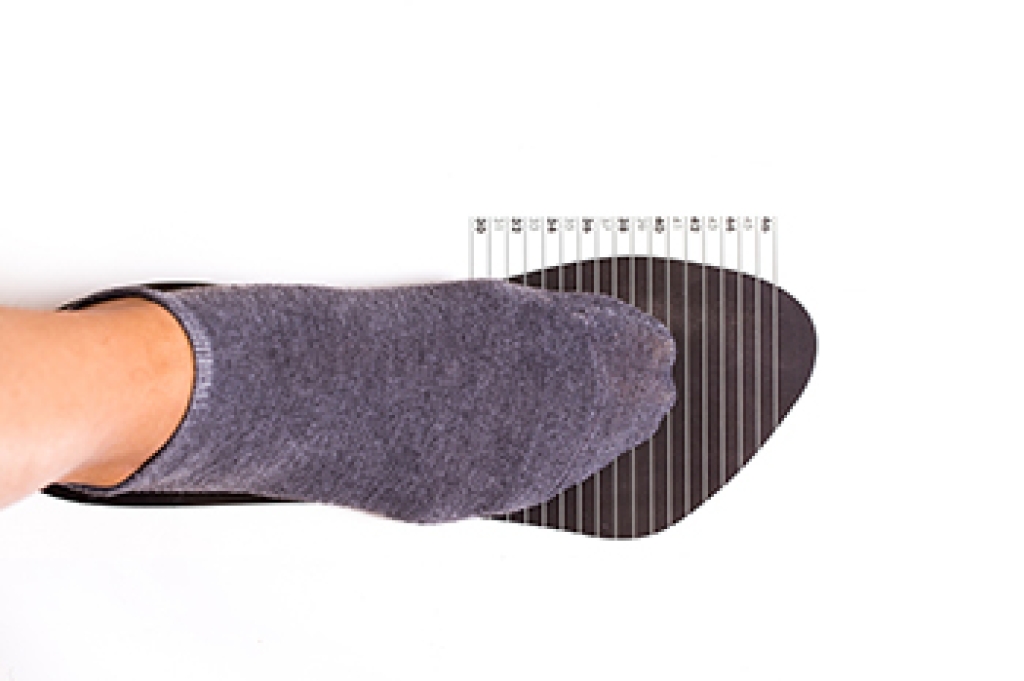
Finding the right shoe size is important for maintaining foot health and overall comfort. Wearing shoes that are too tight or loose can lead to a variety of foot problems, including blisters, calluses, bunions, and even long-term issues like hammertoes and plantar fasciitis. Properly fitting shoes provide the necessary support and cushioning to prevent these conditions and promote healthy foot mechanics. To find the right shoe size, measure your feet at the end of the day when they are at their largest. Ensure there is about a half-inch space between your longest toe and the end of the shoe. Consider the shoe's width, as shoes that are too narrow or wide can cause discomfort and foot deformities. It is also important to try on both shoes, as feet are rarely identical in size. A podiatrist can provide expert advice on the best shoe type for your foot shape and specific needs, helping you avoid common pitfalls, in addition to finding shoes that offer both comfort and support. It is suggested that you schedule an appointment with this type of medical professional for personalized advice and to address any existing foot issues.

Finding a properly-fitting shoe is important in reducing injuries and preventing foot problems. For more information about treatment, contact one of our podiatrists from East Ocean Podiatry . Our doctors will treat your foot and ankle needs.

Proper Shoe Fitting

A common concern when it comes to foot health, having properly fitted shoes can help prevent injuries to the foot. Out feet affect our posture and gait, which in turn affects the biomechanics and overall bodily structure. With 33 joints, 26 bones, and over 100 ligaments, the potential for serious injury is much greater than one realizes. Although the feet cease growth in adulthood, they still change shape as they mature. Here are some factors to consider when it comes to investing in proper fitting shoes:

  • Be sure the shoes fit correctly right away
  • Ensure the ball of your foot fits comfortably in the widest portion of the shoes
  • Even though they may look fashionable, improper fitting shoes can either create adverse conditions or exacerbate existing ones you may already have
  • Walk along a carpeted surface to ensure the shoes comfortably fit during normal activity

Keeping in mind how shoes fit the biomechanics of your body, properly-fitting shoes are vitally important. Fortunately, it is not difficult to acquire footwear that fits correctly. Be sure to wear shoes that support the overall structure of your body. Do your feet a favor and invest in several pairs of well-fitted shoes today.

If you have any questions, please feel free to contact our office located in Deerfield Beach, FL . We offer the newest diagnostic and treatment technologies for all your foot care needs.

Read more about Proper Shoe Fitting

Causes and Risks of Ankle Sprains in Athletes

Ankle sprains are common injuries, with half occurring during athletic activities. This injury happens when the ligaments that support the ankle stretch or tear, often due to sudden twisting or rolling of the foot. Athletes are particularly susceptible during sports that involve jumping, running, or rapid direction changes. The ligaments most frequently affected are the anterior talofibular ligament, the calcaneofibular ligament, and the posterior talofibular ligament. These ligaments connect the bones of the ankle and provide stability to the joint. When they are injured, symptoms include pain, swelling, and difficulty walking. Proper diagnosis and treatment are essential for recovery, often involving rest, compression, and elevation. Preventative measures include proper footwear, strength training, and exercises to reduce the risk of future sprains. If you have sprained your ankle, it is suggested that you make an appointment with a podiatrist who can properly treat this condition. 

Ankle sprains are common but need immediate attention. If you need your feet checked, contact one of our podiatrists from East Ocean Podiatry . Our doctors can provide the care you need to keep you pain-free and on your feet.

How Does an Ankle Sprain Occur?

Ankle sprains take place when the ligaments in your ankle are torn or stretched beyond their limits. There are multiple ways that the ankle can become injured, including twisting or rolling over onto your ankle, putting undue stress on it, or causing trauma to the ankle itself.

What Are the Symptoms?

  • Mild to moderate bruising
  • Limited mobility
  • Swelling
  • Discoloration of the skin (depending on severity)

Preventing a Sprain

  • Wearing appropriate shoes for the occasion
  • Stretching before exercises and sports
  • Knowing your limits

Treatment of a Sprain

Treatment of a sprain depends on the severity.  Many times, people are told to rest and remain off their feet completely, while others are given an air cast. If the sprain is very severe, surgery may be required.

If you have suffered an ankle sprain previously, you may want to consider additional support such as a brace and regular exercises to strengthen the ankle.

If you have any questions please feel free to contact our office located in Deerfield Beach, FL . We offer the newest diagnostic tools and technology to treat your foot and ankle needs.

Read more about Three Grades of Ankle Sprains

Treatment for Clubfoot

Clubfoot is a congenital condition where the baby’s foot is turned inward due to issues with bones and muscles. Treating clubfoot requires a multi-step treatment approach. Initially, the Ponseti method of serial casting is used to correct the foot's position. After achieving correction, the next vital step involves using a boots-and-bar orthosis. This device consists of two open-toed boots connected by a metal bar. It keeps the feet turned outward to maintain the corrected position. A podiatrist will fit your child with this device, ensuring that the boots fit snugly and the foot remains secure inside. For the first three months, your child will need to wear the device for 23 hours a day, gradually reducing to nighttime use after periodic evaluation by the podiatrist. It is important to consistently use the orthosis until your child is four to five years old to prevent the foot from reverting to its clubfoot position. Adherence to wearing the orthosis is key to successful long-term results. To ensure the best treatment for your child's clubfoot, it is suggested that you schedule an appointment with a podiatrist for a treatment plan.

Congenital foot problems require immediate attention to avoid future complications. If you have any concerns, contact one of our podiatrists of East Ocean Podiatry . Our doctors can provide the care you need to keep you pain-free and on your feet.

Congenital foot problems are deformities affecting the feet, toes, and/or ankles that children are born with. Some of these conditions have a genetic cause while others just happen. Some specific foot ailments that children may be born with include clubfeet, polydactyly/macrodactyly, and cleft foot. There are several other foot anomalies that can occur congenitally. What all of these conditions have in common is that a child may experience difficulty walking or performing everyday activities, as well as trouble finding footwear that fits their foot deformity. Some of these conditions are more serious than others. Consulting with a podiatrist as early as possible will help in properly diagnosing a child’s foot condition while getting the necessary treatment underway.

What are Causes of Congenital Foot Problem?

A congenital foot problem is one that happens to a child at birth. These conditions can be caused by a genetic predisposition, developmental or positional abnormalities during gestation, or with no known cause.

What are Symptoms of Congenital Foot Problems?

Symptoms vary by the congenital condition. Symptoms may consist of the following:

  • Clubfoot, where tendons are shortened, bones are shaped differently, and the Achilles tendon is tight, causing the foot to point in and down. It is also possible for the soles of the feet to face each other.
  • Polydactyly, which usually consists of a nubbin or small lump of tissue without a bone, a toe that is partially formed but has no joints, or an extra toe.
  • Vertical talus, where the talus bone forms in the wrong position causing other bones in the foot to line up improperly, the front of the foot to point up, and the bottom of the foot to stiffen, with no arch, and to curve out.
  • Tarsal coalition, when there is an abnormal connection of two or more bones in the foot leading to severe, rigid flatfoot.
  • Cleft foot, where there are missing toes, a V-shaped cleft, and other anatomical differences.
  • Macrodactyly, when the toes are abnormally large due to overgrowth of the underlying bone or soft tissue.

Treatment and Prevention

While there is nothing one can do to prevent congenital foot problems, raising awareness and receiving neonatal screenings are important. Early detection by taking your child to a podiatrist leads to the best outcome possible.

If you have any questions, please feel free to contact our office located in Deerfield Beach, FL . We offer the newest diagnostic and treatment technologies for all your foot care needs.

Read more about Congenital Foot Problems

Common Dance Injuries

Dance, a beautiful art form, demands physical prowess and dedication, but it also comes with the risk of injury. Among the most common dance injuries are sprains and strains, which occur due to overstretching or sudden movements. Ankle sprains, in particular, are prevalent among dancers, often resulting from improper landings or sudden changes in direction. Stress fractures, caused by repetitive impact on the bones, are also common, especially in the feet and lower legs. Additionally, muscle tears and strains can occur from overexertion or sudden movements beyond the body's limits. Understanding these common dance injuries highlights the importance of proper training, warm-up routines, and rest periods to prevent overuse and minimize the risk of injury. If you enjoy dancing and have endured a foot or ankle injury, it is suggested that you consult a podiatrist who can effectively diagnose and treat these types of foot conditions.

Sports related foot and ankle injuries require proper treatment before players can go back to their regular routines. For more information, contact one of our podiatrists of East Ocean Podiatry . Our doctors can provide the care you need to keep you pain-free and on your feet.

Sports Related Foot and Ankle Injuries

Foot and ankle injuries are a common occurrence when it comes to athletes of any sport. While many athletes dismiss the initial aches and pains, the truth is that ignoring potential foot and ankle injuries can lead to serious problems. As athletes continue to place pressure and strain the area further, a mild injury can turn into something as serious as a rupture and may lead to a permanent disability. There are many factors that contribute to sports related foot and ankle injuries, which include failure to warm up properly, not providing support or wearing bad footwear. Common injuries and conditions athletes face, including:

  • Plantar Fasciitis
  • Achilles Tendinitis
  • Achilles Tendon Rupture
  • Ankle Sprains

Sports related injuries are commonly treated using the RICE method. This includes rest, applying ice to the injured area, compression and elevating the ankle. More serious sprains and injuries may require surgery, which could include arthroscopic and reconstructive surgery. Rehabilitation and therapy may also be required in order to get any recovering athlete to become fully functional again. Any unusual aches and pains an athlete sustains must be evaluated by a licensed, reputable medical professional.

If you have any questions please contact our office located in Deerfield Beach, FL . We offer the newest diagnostic and treatment technologies for all your foot and ankle needs.

Read more about Sports Related Foot And Ankle Injuries

Characteristics of Hammertoe

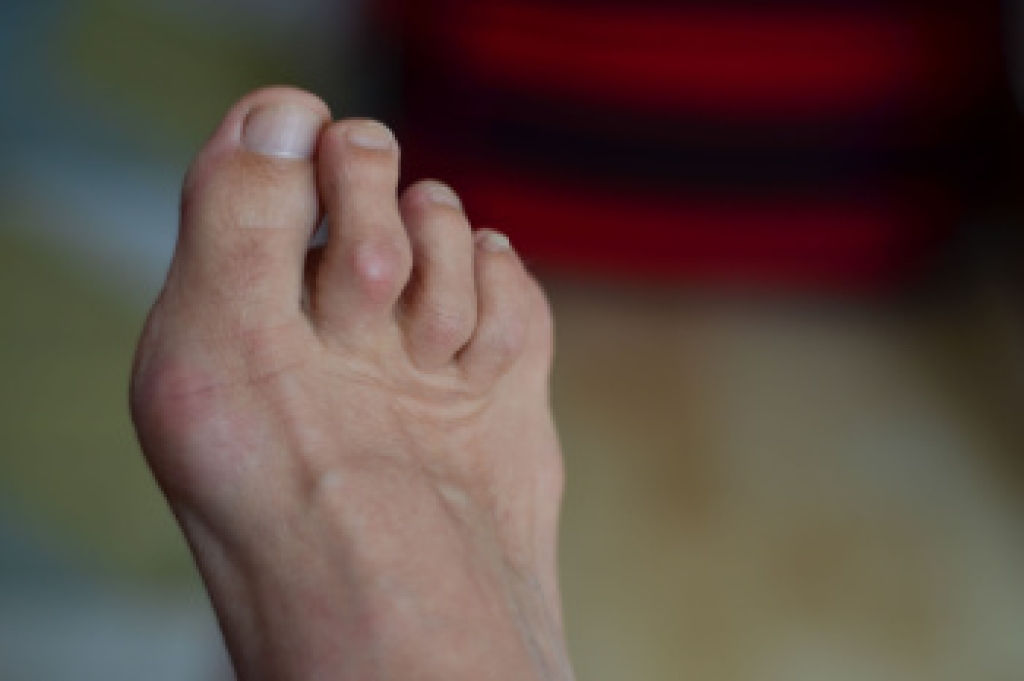
Hammertoe is a foot deformity characterized by an abnormal bending of the toe joints, causing the affected toes to resemble a hammer or claw. This condition typically affects the second, third, or fourth toes, although it can occur in any toe. Hammertoe often develops gradually over time, due to factors like ill-fitting shoes, foot structure abnormalities, or muscle imbalances. One of the noticeable features of hammertoe is the bending of the toe joints, resulting in a permanent, abnormal position that may cause pain, discomfort, or difficulty walking or wearing shoes. Other characteristic symptoms include corns or calluses forming on the tops of the affected toes due to friction and pressure from rubbing against footwear. Additionally, individuals with hammertoe may experience limited range of motion in the affected toes, making it challenging to straighten or flex them fully. If you notice a deformity in your toes, it is suggested that you make an appointment with a podiatrist for an exam, a diagnosis and the appropriate treatment. 

Hammertoes can be a painful condition to live with. For more information, contact one of our podiatrists of East Ocean Podiatry . Our doctors will answer any of your foot- and ankle-related questions.

Hammertoe

Hammertoe is a foot deformity that occurs due to an imbalance in the muscles, tendons, or ligaments that normally hold the toe straight. It can be caused by the type of shoes you wear, your foot structure, trauma, and certain disease processes.

Symptoms

  • Painful and/or difficult toe movement
  • Swelling
  • Joint stiffness
  • Calluses/Corns
  • Physical deformity

Risk Factors

  • Age – The risk of hammertoe increases with age
  • Sex – Women are more likely to have hammertoe compared to men
  • Toe Length – You are more likely to develop hammertoe if your second toe is longer than your big toe
  • Certain Diseases – Arthritis and diabetes may make you more likely to develop hammertoe

Treatment

If you have hammertoe, you should change into a more comfortable shoe that provides enough room for your toes. Exercises such as picking up marbles may strengthen and stretch your toe muscles. Nevertheless, it is important to seek assistance from a podiatrist in order to determine the severity of your hammertoe and see which treatment option will work best for you.

If you have any questions, please feel free to contact our office located in Deerfield Beach, FL . We offer the newest diagnostic and treatment technologies for all your foot care needs.

Read more about What Are Hammertoes?

Plantar Warts Can Be Treated!

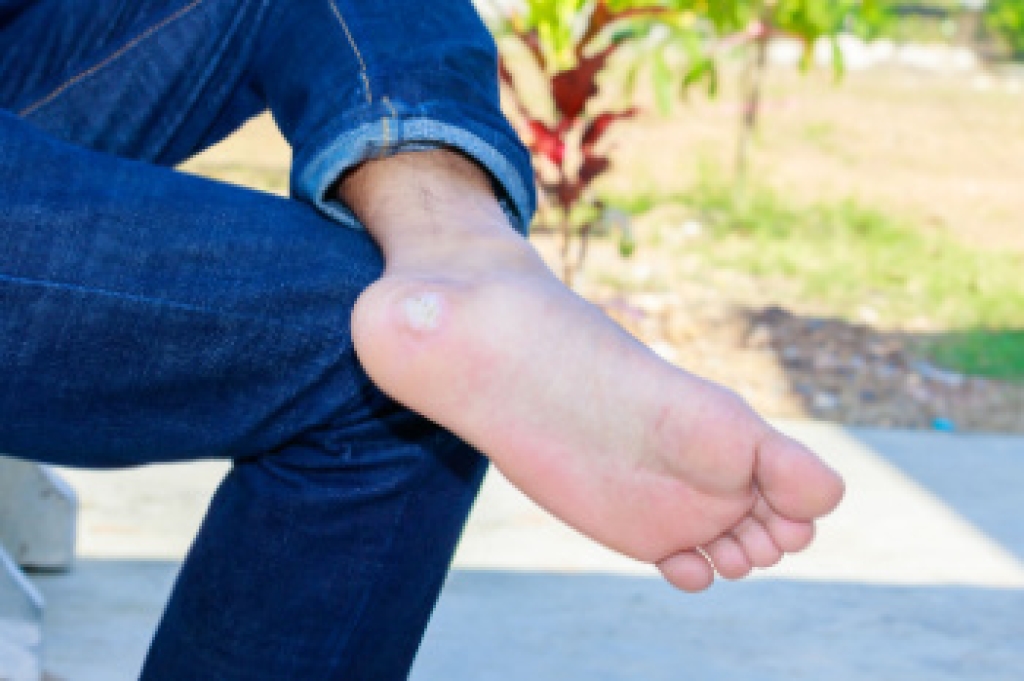
Plantar warts are small growths that develop on parts of the feet that bear weight. They're typically found on the bottom of the foot. Don't live with plantar warts, and call us today!

Treating Stubborn Plantar Warts

Plantar warts are skin growths, typically found on the soles of the feet, that are caused by the human papillomavirus, or HPV. They most often develop on pressure points, such as the heels or balls of your feet. They may cause discomfort or pain when standing or walking. Plantar warts are characterized by a rough, grainy appearance and may have small black dots at the center, which are actually clotted blood vessels. While some warts can eventually clear up on their own, stubborn plantar warts need medical intervention. A podiatrist, or foot doctor, can treat resistant warts using stronger medications like salicylic acid, cryotherapy, laser treatment, or even minor surgery to remove the wart. These methods not only help eliminate the warts, but also help prevent the spread of the virus to other parts of the foot or to other people. If you have plantar warts, it is suggested you consult a podiatrist for an exam and personalized treatment options. 

Plantar warts can be very uncomfortable. If you need your feet checked, contact one of our podiatrists from East Ocean Podiatry . Our doctors will assist you with all of your foot and ankle needs.

About Plantar Warts

Plantar warts are the result of HPV, or human papillomavirus, getting into open wounds on the feet. They are mostly found on the heels or balls of the feet.

While plantar warts are generally harmless, those experiencing excessive pain or those suffering from diabetes or a compromised immune system require immediate medical care. Plantar warts are easily diagnosed, usually through scraping off a bit of rough skin or by getting a biopsy.

Symptoms

  • Lesions on the bottom of your feet, usually rough and grainy
  • Hard or thick callused spots
  • Wart seeds, which are small clotted blood vessels that look like little black spots
  • Pain, discomfort, or tenderness of your feet when walking or standing

Treatment

  • Freezing
  • Electric tool removal
  • Laser Treatment
  • Topical Creams (prescription only)
  • Over-the-counter medications

To help prevent developing plantar warts, avoid walking barefoot over abrasive surfaces that can cause cuts or wounds for HPV to get into. Avoiding direct contact with other warts, as well as not picking or rubbing existing warts, can help prevent the further spread of plantar warts. However, if you think you have developed plantar warts, speak to your podiatrist. He or she can diagnose the warts on your feet and recommend the appropriate treatment options.

If you have any questions, please feel free to contact our office located in Deerfield Beach, FL . We offer the newest diagnostic and treatment technologies for all your foot care needs.
Read more about Plantar Warts

What Does a Podiatrist Do?

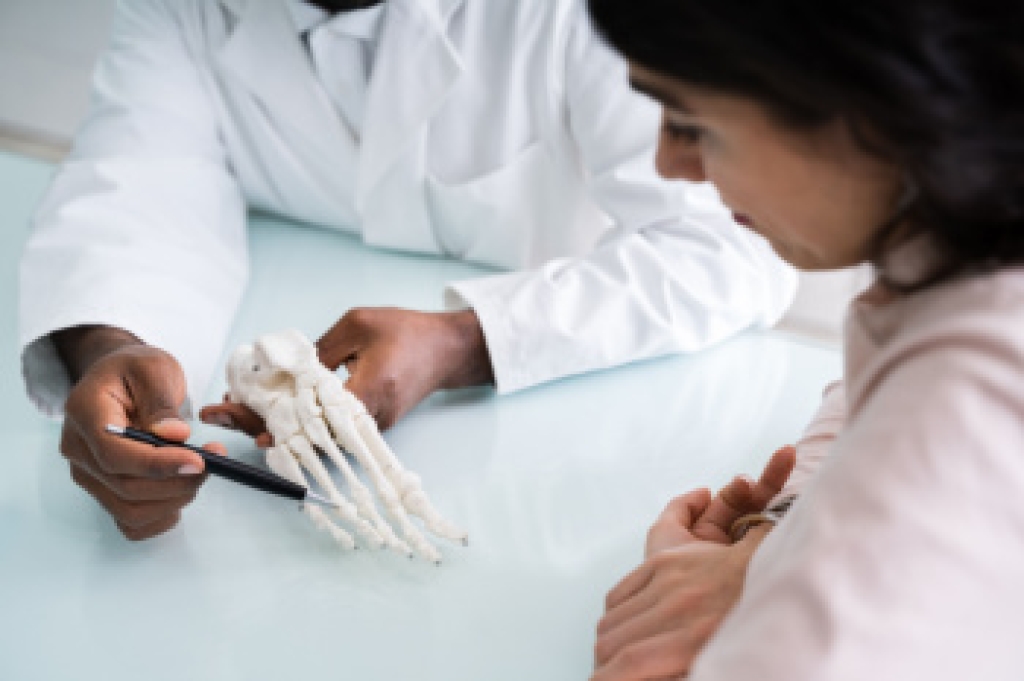
Podiatrists are medical professionals specializing in diagnosing, treating, and preventing foot and ankle disorders. Their expertise covers a wide range of conditions, including bunions, heel pain, ingrown toenails, sports injuries, and diabetic foot care. Podiatrists play an important role in maintaining mobility and overall health, particularly for individuals with chronic illnesses or those engaged in physical activities. To become a podiatrist, one must complete a Doctor of Podiatric Medicine, or DPM, degree, which involves four years of specialized medical education following a bachelor's degree. This training includes courses in anatomy, physiology, pharmacology, and pathology, as well as clinical rotations. After obtaining their degree, podiatrists must complete a residency program, usually lasting three years, to gain hands-on experience in various settings. Podiatrists can help people by providing tailored treatments, such as orthotics, medications, and surgical interventions, to alleviate pain and improve function. Regular visits to a podiatrist can prevent minor issues from becoming major problems. If you are in need of foot or ankle care, it is suggested that you seek guidance and treatment from this type of doctor.

If you are experiencing pain in the feet or ankles, don’t join the stubborn majority refusing treatment. Feel free to contact one of our podiatrists from East Ocean Podiatry . Our doctors can provide the care you need to keep you pain-free and on your feet.

What Is a Podiatrist?

Someone would seek the care of a podiatrist if they have suffered a foot injury or have common foot ailments such as heal spurs, bunions, arch problems, deformities, ingrown toenails, corns, foot and ankle problems, etc.

Podiatric Treatment

A podiatrist will treat the problematic areas of the feet, ankle or lower leg by prescribing the following:

  • Physical therapy
  • Drugs
  • Orthotic inserts or soles
  • Surgery on lower extremity fractures

A common podiatric procedure a podiatrist will use is a scanner or force plate which will allow the podiatrist to know the designs of orthotics. Patients are then told to follow a series of tasks to complete the treatment. The computer will scan the foot a see which areas show weight distribution and pressure points. The podiatrist will read the analysis and then determine which treatment plans are available.

If you have any questions, please feel free to contact our office located in Deerfield Beach, FL . We offer the newest diagnostic and treatment technologies for all your foot care needs.

Read more about What is a Podiatrist?

Connect With Us