What Causes Plantar Fasciitis?

Plantar fasciitis is a common condition that causes heel pain, often described as a stabbing sensation. One leading factor is excessive or repetitive stress on the plantar fascia, a band of tissue connecting the heel to the toes. This stress can result from activities such as running, standing for extended periods, or wearing inadequate footwear. Obesity can also contribute to plantar fasciitis, as the extra weight increases pressure on the feet. Tight calf muscles and inadequate stretching can lead to an abnormal gait, putting strain on the fascia. Furthermore, age and certain foot arch types may play a role in developing this condition. Recognizing these causes can guide individuals in making lifestyle adjustments and seeking timely treatment to alleviate plantar fasciitis and regain comfort in their daily lives. If you have developed plantar fasciitis, it is strongly suggested that you are under the care of a podiatrist who can offer you appropriate treatment methods.

Plantar fasciitis is a common foot condition that is often caused by a strain injury. If you are experiencing heel pain or symptoms of plantar fasciitis, contact one of our podiatrists from East Ocean Podiatry . Our doctors can provide the care you need to keep you pain-free and on your feet.

What Is Plantar Fasciitis?

Plantar fasciitis is one of the most common causes of heel pain. The plantar fascia is a ligament that connects your heel to the front of your foot. When this ligament becomes inflamed, plantar fasciitis is the result. If you have plantar fasciitis you will have a stabbing pain that usually occurs with your first steps in the morning. As the day progresses and you walk around more, this pain will start to disappear, but it will return after long periods of standing or sitting.

What Causes Plantar Fasciitis?

  • Excessive running
  • Having high arches in your feet
  • Other foot issues such as flat feet
  • Pregnancy (due to the sudden weight gain)
  • Being on your feet very often

There are some risk factors that may make you more likely to develop plantar fasciitis compared to others. The condition most commonly affects adults between the ages of 40 and 60. It also tends to affect people who are obese because the extra pounds result in extra stress being placed on the plantar fascia.

Prevention

  • Take good care of your feet – Wear shoes that have good arch support and heel cushioning.
  • Maintain a healthy weight
  • If you are a runner, alternate running with other sports that won’t cause heel pain

There are a variety of treatment options available for plantar fasciitis along with the pain that accompanies it. Additionally, physical therapy is a very important component in the treatment process. It is important that you meet with your podiatrist to determine which treatment option is best for you.

If you have any questions, please feel free to contact our office located in Deerfield Beach, FL . We offer the newest diagnostic and treatment technologies for all your foot care needs.
 

Read more about Plantar Fasciitis

A Guide to Proper Shoe Sizing

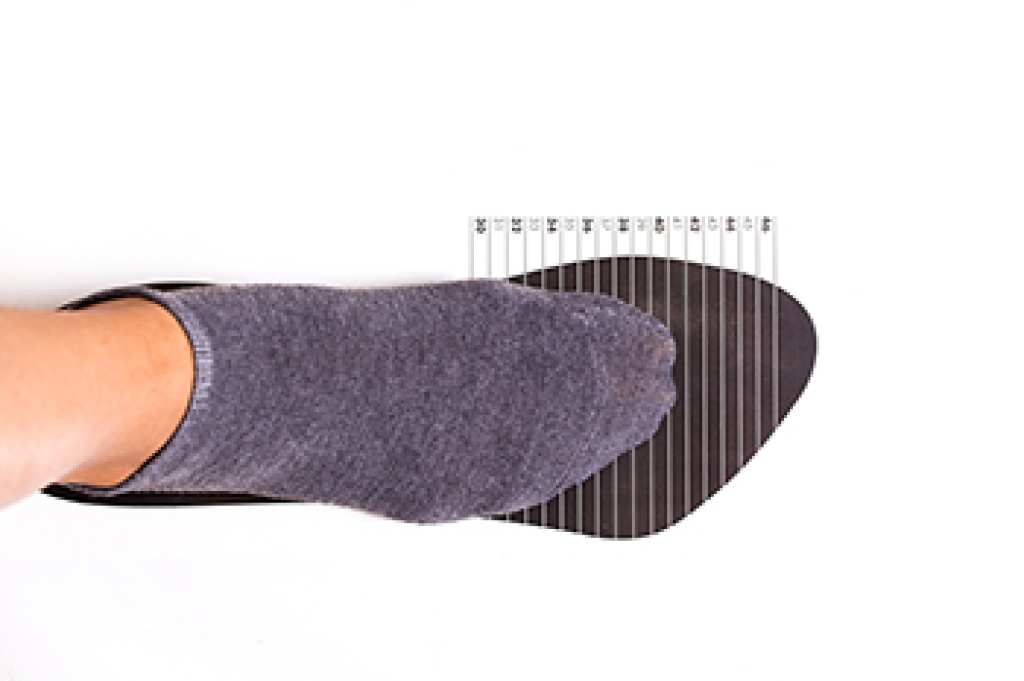
Choosing the right footwear is not just about fashion, it is a vital aspect of foot health and overall comfort. Wearing Ill-fitting shoes can lead to various problems, from blisters and calluses to more serious issues such as bunions and back pain. To ensure you are getting the perfect fit, it is beneficial to follow simple guidelines. This can begin by measuring your feet regularly, as their size can change over time. Stand up when measuring, as your feet expand under your body's weight. Remember that one foot may be slightly larger than the other, so choose shoes based on the larger foot's size. It is important to pay attention to both length and width, as a shoe that is too narrow can cause discomfort and potential foot problems. When trying on shoes, do so in the late afternoon or evening when your feet tend to be slightly swollen from daily activity. Walk around in the shoes to ensure they provide enough space and do not pinch or rub anywhere. Check that your toes have some wiggle room, and your heel fits snugly without slipping. Finally, consider the type of shoe you need based on your activity, whether it's running, walking, or formal occasions. Proper shoe sizing is an investment in your foot health and overall well-being. By taking the time to find the right fit, you can prevent discomfort, pain, and potential long-term foot issues. If you require additional information about various shoe fitting methods, it is suggested that you consult a podiatrist.

It is important to find shoes that fit you properly in order to avoid a variety of different foot problems. For more information about treatment, contact one of our podiatrists from East Ocean Podiatry . Our doctors will treat your foot and ankle needs.

Proper Shoe Fitting

Shoes have many different functions. They cushion our body weight, protect our feet, and allow us to safely play sports. You should always make sure that the shoes you wear fit you properly in order to avoid injuries and deformities such as: bunions, corns, calluses, hammertoes, plantar fasciitis, stress fractures, and more. It is important to note that although a certain pair of shoes might be a great fit for someone else, that doesn’t mean they will be a great fit for you. This is why you should always try on shoes before buying them to make sure they are worth the investment. Typically, shoes need to be replaced ever six months to one year of regular use.

Tips for Proper Shoe Fitting

  • Select a shoe that is shaped like your foot
  • Don’t buy shoes that fit too tight, expecting them to stretch to fit
  • Make sure there is enough space (3/8” to ½”) for your longest toe at the end of each shoe when you are standing up
  • Walk in the shoes to make sure they fit and feel right
  • Don’t select shoes by the size marked inside the shoe, but by how the shoe fits your foot

The shoes you buy should always feel as good as they look. Shoes that fit properly will last longer, feel better, and improve your way of life each day.

If you have any questions please contact our office located in Deerfield Beach, FL . We offer the newest diagnostic and treatment technologies for all your foot and ankle needs.

Read more about How to Get a Proper Shoe Fit

Treating and Preventing Plantar Warts

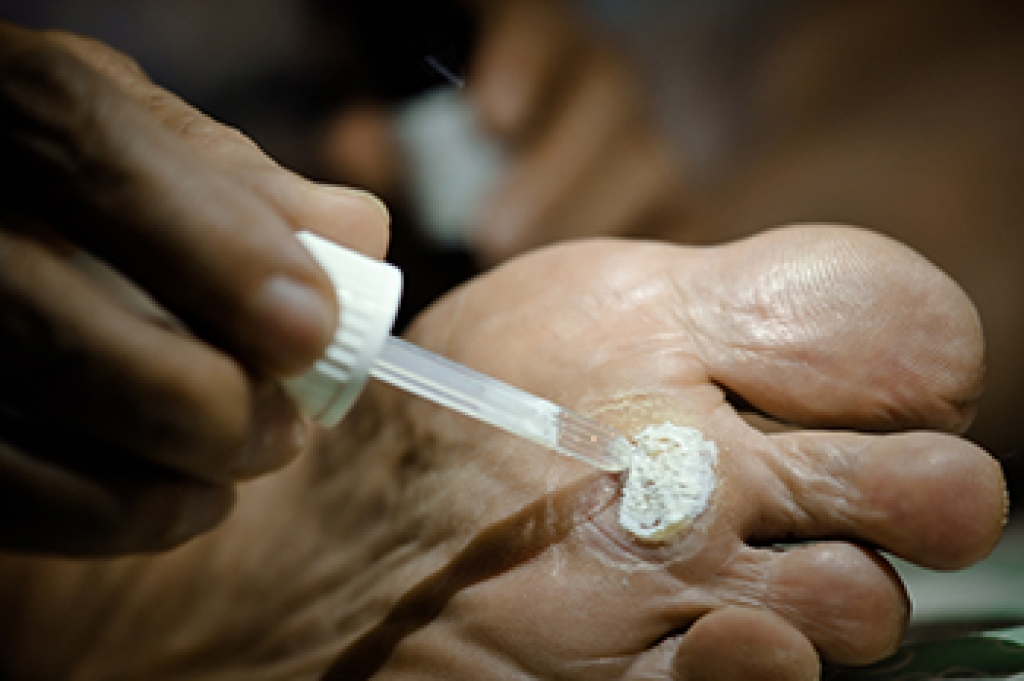
Plantar warts, painful growths that appear on the soles of the feet, can be an unwelcome annoyance. However, there are effective ways to treat and prevent this viral infection. To tackle existing plantar warts, salicylic acid prescribed by a podiatrist may gradually help to dissolve the wart tissue. For stubborn or painful warts, a podiatrist can recommend cryotherapy, laser therapy, or surgical removal. To prevent plantar warts, maintaining proper foot hygiene is essential. Keep your feet clean and dry, and avoid walking barefoot in public places to minimize exposure to infection. Wear shoes that fit well, and change your socks daily. If you have a cut or scrape on your foot, cover it with a bandage to prevent the virus from entering. Finally, boost your immune system through a healthy diet, exercise, and stress management, as a strong immune system can help ward off the human papilloma virus, or HPV, responsible for these warts. If you have developed a plantar wart, it is strongly suggested that you are under the care of a podiatrist who can provide appropriate relief treatments.

Plantar warts can be very uncomfortable. If you need your feet checked, contact one of our podiatrists from East Ocean Podiatry . Our doctors will assist you with all of your foot and ankle needs.

About Plantar Warts

Plantar warts are the result of HPV, or human papillomavirus, getting into open wounds on the feet. They are mostly found on the heels or balls of the feet.

While plantar warts are generally harmless, those experiencing excessive pain or those suffering from diabetes or a compromised immune system require immediate medical care. Plantar warts are easily diagnosed, usually through scraping off a bit of rough skin or by getting a biopsy.

Symptoms

  • Lesions on the bottom of your feet, usually rough and grainy
  • Hard or thick callused spots
  • Wart seeds, which are small clotted blood vessels that look like little black spots
  • Pain, discomfort, or tenderness of your feet when walking or standing

Treatment

  • Freezing
  • Electric tool removal
  • Laser Treatment
  • Topical Creams (prescription only)
  • Over-the-counter medications

To help prevent developing plantar warts, avoid walking barefoot over abrasive surfaces that can cause cuts or wounds for HPV to get into. Avoiding direct contact with other warts, as well as not picking or rubbing existing warts, can help prevent the further spread of plantar warts. However, if you think you have developed plantar warts, speak to your podiatrist. He or she can diagnose the warts on your feet and recommend the appropriate treatment options.

If you have any questions, please feel free to contact our office located in Deerfield Beach, FL . We offer the newest diagnostic and treatment technologies for all your foot care needs.
Read more about What Are Plantar Warts?

Causes of Burning Feet After a Run

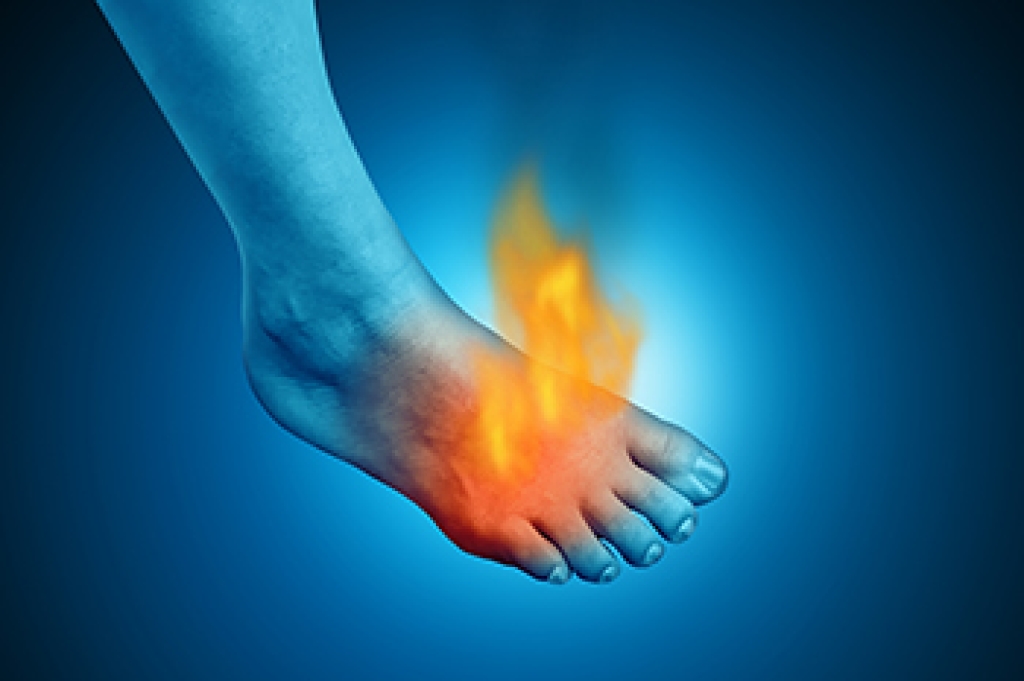
If you have ever experienced the uncomfortable sensation of burning feet after a run, you know how it can quickly put a damper on your exercise routine. The good news is that there are both immediate treatment options and preventive measures you can take to keep your feet cool and comfortable during and after your runs. Take a break after running and elevate your feet to reduce swelling and ease discomfort. Suggestions for preventing burning feet after running include selecting the right pair of shoes. Ensure they fit well, provide adequate arch support, and are designed for your specific activity. Keep your feet dry with moisture-wicking socks designed to pull sweat away from your skin. These socks are especially useful in hot weather or during intense exercise. Stretching your feet and legs before exercise can improve circulation and prevent burning sensations. If you continue to experience burning feet after running, it is suggested that you make an appointment with a podiatrist for helpful treatment and prevention tips.

Foot Pain

Foot pain can be extremely painful and debilitating. If you have a foot pain, consult with one of our podiatrists from East Ocean Podiatry . Our doctors will assess your condition and provide you with quality foot and ankle treatment.

Causes

Foot pain is a very broad condition that could be caused by one or more ailments. The most common include:

  • Bunions
  • Hammertoes
  • Plantar Fasciitis
  • Bone Spurs
  • Corns
  • Tarsal Tunnel Syndrome
  • Ingrown Toenails
  • Arthritis (such as Gout, Rheumatoid, and Osteoarthritis)
  • Flat Feet
  • Injury (from stress fractures, broken toe, foot, ankle, Achilles tendon ruptures, and sprains)
  • And more

Diagnosis

To figure out the cause of foot pain, podiatrists utilize several different methods. This can range from simple visual inspections and sensation tests to X-rays and MRI scans. Prior medical history, family medical history, and any recent physical traumatic events will all be taken into consideration for a proper diagnosis.

Treatment

Treatment depends upon the cause of the foot pain. Whether it is resting, staying off the foot, or having surgery; podiatrists have a number of treatment options available for foot pain.

If you have any questions, please feel free to contact our office located in Deerfield Beach, FL . We offer the newest diagnostic and treatment technologies for all your foot care needs.

Read more about Foot Pain

Are You Suffering From Nerve Damage?

Neuropathy is a condition that can lead to numbness or loss of sensation in the feet, but it can also cause pain. This condition is more likely to develop for those who are diabetic, obese, or with high blood pressure.

Connect With Us