
Several Causes of Neuropathy

One of the symptoms that are associated with neuropathy includes a burning sensation in the feet. This can be a result of nerve damage and it can also cause a tingling or numbing feeling. Diabetic patients may develop neuropathy, and this can be from having elevated blood sugar levels. Additionally, other medical conditions can cause neuropathy, such as obesity and high blood pressure. Neuropathy may also affect people who smoke cigarettes and drink excessive alcohol. Many people get fatigued easily when neuropathy is present, which may cause muscle and bone pain. People who have neuropathy can find it difficult and painful to walk and may notice a difference in skin color. Having nutritional deficiencies could result in the development of neuropathy, including vitamins B-12, B-6, and B-9. If you are afflicted with this foot condition, it is strongly advised that you are under the care of a podiatrist who can accurately treat and monitor neuropathy.

Neuropathy

Neuropathy can be a potentially serious condition, especially if it is left undiagnosed. If you have any concerns that you may be experiencing nerve loss in your feet, consult with one of our podiatrists from East Ocean Podiatry . Our doctors will assess your condition and provide you with quality foot and ankle treatment for neuropathy.

What Is Neuropathy?

Neuropathy is a condition that leads to damage to the nerves in the body. Peripheral neuropathy, or neuropathy that affects your peripheral nervous system, usually occurs in the feet. Neuropathy can be triggered by a number of different causes. Such causes include diabetes, infections, cancers, disorders, and toxic substances.

Symptoms of Neuropathy Include:

  • Numbness
  • Sensation loss
  • Prickling and tingling sensations
  • Throbbing, freezing, burning pains
  • Muscle weakness

Those with diabetes are at serious risk due to being unable to feel an ulcer on their feet. Diabetics usually also suffer from poor blood circulation. This can lead to the wound not healing, infections occurring, and the limb may have to be amputated.

Treatment

To treat neuropathy in the foot, podiatrists will first diagnose the cause of the neuropathy. Figuring out the underlying cause of the neuropathy will allow the podiatrist to prescribe the best treatment, whether it be caused by diabetes, toxic substance exposure, infection, etc. If the nerve has not died, then it’s possible that sensation may be able to return to the foot.

Pain medication may be issued for pain. Electrical nerve stimulation can be used to stimulate nerves. If the neuropathy is caused from pressure on the nerves, then surgery may be necessary.

If you have any questions, please feel free to contact our office located in Deerfield Beach, FL . We offer the newest diagnostic and treatment technologies for all your foot care needs.

Read more about Neuropathy

Do You Suffer From Painful Feet?

Painful deformities, such as hammertoes, can be treated. Stop living with foot pain, and have beautiful feet again!

Elderly Toenail Fungus

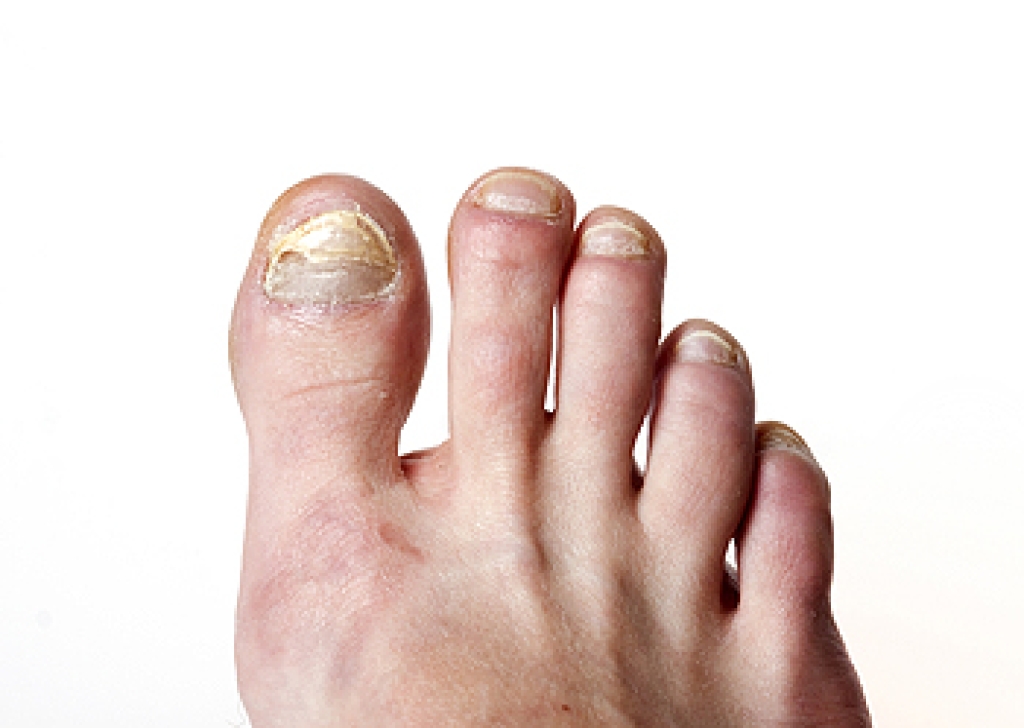
Aging is a risk factor for many diseases. Seniors take more medications, have weaker immune systems, and are more apt to suffer from pre-existing medical conditions, as well as mobility issues. While elderly nail fungus is not generally severe, it can be uncomfortable, and if left untreated, complications such as permanent nail damage or more serious infections can develop. Nail infections are caused by fungal organisms called fungi. These fungi can feed on keratin, present in the nails, hair, and skin. Such infections can also be caused by yeast and mold spores. The fungi get into the skin and nails from direct contact with infected materials, whether from animals, people, or clothes. Elderly nails are more likely to become brittle and have more cracks, and this makes it easier for the organisms to get inside and spread. Toenail fungus is more common than fingernail fungus. Symptoms typically include thick, discolored, brittle and damaged nails, with jagged edges and possibly a bad odor. Pain may also be present. Toenail fungus may be more prevalent in those with diabetes, recurring skin conditions, and circulation problems as these hinder the body’s ability to fight infection. If you are elderly or taking care of someone who has toenail fungus is a concern, contact a podiatrist who can help you with all foot and ankle-related conditions.

If left untreated, toenail fungus may spread to other toenails, skin, or even fingernails. If you suspect you have toenail fungus it is important to seek treatment right away. For more information about treatment, contact one of our podiatrists of East Ocean Podiatry . Our doctors can provide the care you need to keep you pain-free and on your feet.

Symptoms

  • Warped or oddly shaped nails
  • Yellowish nails
  • Loose/separated nail
  • Buildup of bits and pieces of nail fragments under the nail
  • Brittle, broken, thickened nail

Treatment

If self-care strategies and over-the-counter medications does not help your fungus, your podiatrist may give you a prescription drug instead. Even if you find relief from your toenail fungus symptoms, you may experience a repeat infection in the future.

Prevention

In order to prevent getting toenail fungus in the future, you should always make sure to wash your feet with soap and water. After washing, it is important to dry your feet thoroughly especially in between the toes. When trimming your toenails, be sure to trim straight across instead of in a rounded shape. It is crucial not to cover up discolored nails with nail polish because that will prevent your nail from being able to “breathe”.

In some cases, surgical procedure may be needed to remove the toenail fungus. Consult with your podiatrist about the best treatment options for your case of toenail fungus.  

If you have any questions please contact our office located in Deerfield Beach, FL . We offer the newest diagnostic and treatment technologies for all your foot and ankle needs.

Read more about Treating Toenail Fungus

Surgery May Be Necessary for Permanent Relief From an Ingrown Toenail

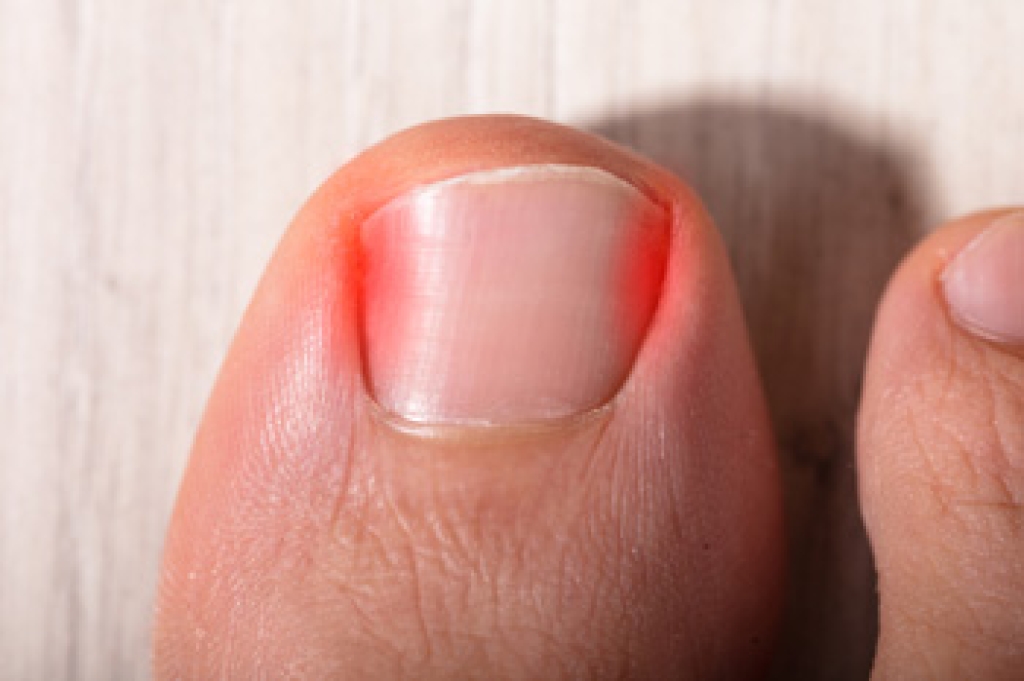
An ingrown toenail is generally a painful foot condition. It has noticeable symptoms, and occurs as a result of the toenail growing into the surrounding skin instead of over it. The affected skin is often swollen and will appear to be red. In severe cases, an infection may set in, possibly causing bleeding. Wearing shoes that do not fit correctly can contribute significantly to developing an ingrown toenail, or it may come from genetic reasons. Many patients notice that the toe feels better when it is soaked in warm water, which can help to soften the skin. This may bring mild temporary relief, but you may ultimately need to visit a podiatrist for permanent relief. To achieve this, surgery may be necessary, and this involves removing the nail border. The purpose of this is to prevent potential damage to the soft tissues. If you have developed an ingrown toenail, it is strongly suggested that you visit a podiatrist as quickly as possible who can offer you correct treatment options, in addition to possibly performing surgery.

Ingrown toenails may initially present themselves as a minor discomfort, but they may progress into an infection in the skin without proper treatment. For more information about ingrown toenails, contact one of our podiatrists of East Ocean Podiatry . Our doctors can provide the care you need to keep you pain-free and on your feet.

Ingrown Toenails

Ingrown toenails are caused when the corner or side of a toenail grows into the soft flesh surrounding it. They often result in redness, swelling, pain, and in some cases, infection. This condition typically affects the big toe and may recur if it is not treated properly.

Causes

  • Improper toenail trimming
  • Genetics
  • Improper shoe fitting
  • Injury from pedicures or nail picking
  • Abnormal gait
  • Poor hygiene

You are more likely to develop an ingrown toenail if you are obese, have diabetes, arthritis, or have any fungal infection in your nails. Additionally, people who have foot or toe deformities are at a higher risk of developing an ingrown toenail.

Symptoms

Some symptoms of ingrown toenails are redness, swelling, and pain. In rare cases, there may be a yellowish drainage coming from the nail.

Treatment

Ignoring an ingrown toenail can have serious complications. Infections of the nail border can progress to a deeper soft-tissue infection, which can then turn into a bone infection. You should always speak with your podiatrist if you suspect you have an ingrown toenail, especially if you have diabetes or poor circulation.

If you have any questions, please feel free to contact our office located in Deerfield Beach, FL . We offer the newest diagnostic and treatment technologies for all your foot care needs.
Read more about Ingrown Toenails

Who Gets Cuboid Syndrome?

Cuboid syndrome can occur in an individual when the cuboid bone, located on the outer side of the foot, moves out of its place. This is typically caused by trauma or injury, and it may result in some kind of pain. Although cuboid syndrome is only 4% of all foot injuries, it can affect some individuals at a higher rate than others. For example, among professional ballet dancers, cuboid syndrome made up 17% of all foot and ankle injuries. Also, obese people and individuals who carry excessive body weight put more pressure on to their feet and are more likely to develop cuboid syndrome. If you are someone who wears shoes that do not fit properly or wears poorly constructed orthoses, then you are also at an increased risk of developing cuboid syndrome. Contact a podiatrist for advice and treatment regarding cuboid syndrome.

Cuboid syndrome, also known as cuboid subluxation, occurs when the joints and ligaments near the cuboid bone in the foot become torn. If you have cuboid syndrome, consult with one of our podiatrists from East Ocean Podiatry . Our doctors will assess your condition and provide you with quality foot and ankle treatment.

Cuboid syndrome is a common cause of lateral foot pain, which is pain on the outside of the foot. The condition may happen suddenly due to an ankle sprain, or it may develop slowly overtime from repetitive tension through the bone and surrounding structures.

Causes

The most common causes of cuboid syndrome include:

  • Injury – The most common cause of this ailment is an ankle sprain.
  • Repetitive Strain – Tension placed through the peroneus longus muscle from repetitive activities such as jumping and running may cause excessive traction on the bone causing it to sublux.
  • Altered Foot Biomechanics – Most people suffering from cuboid subluxation have flat feet.

Symptoms

A common symptom of cuboid syndrome is pain along the outside of the foot which can be felt in the ankle and toes. This pain may create walking difficulties and may cause those with the condition to walk with a limp.

Diagnosis

Diagnosis of cuboid syndrome is often difficult, and it is often misdiagnosed. X-rays, MRIs and CT scans often fail to properly show the cuboid subluxation. Although there isn’t a specific test used to diagnose cuboid syndrome, your podiatrist will usually check if pain is felt while pressing firmly on the cuboid bone of your foot.

Treatment

Just as the range of causes varies widely, so do treatments. Some more common treatments are ice therapy, rest, exercise, taping, and orthotics.

If you have any questions, please feel free to contact our office located in Deerfield Beach, FL . We offer the newest diagnostic and treatment technologies for all your foot care needs.

Read more about Cuboid Syndrome

Connect With Us