Effective Strategies for Managing Bunions

Bunions are bony protrusions at the base of the big toe that can not only be unsightly, but also painful. Managing bunions involves a combination of self care and professional guidance. Begin by wearing well-fitting shoes with ample room for your toes and avoiding high heels and pointy shoes that exacerbate pressure on the bunion. Taking over-the-counter pain relievers can provide temporary relief. Wearing custom orthotic inserts can alleviate discomfort by redistributing pressure. Regularly performing gentle toe stretches and exercises can improve flexibility and strength. In severe cases, surgical intervention may be considered. With a proactive approach, you can successfully manage bunions and maintain your foot health. If the bunion causes persistent pain or interferes with daily activities, it is suggested that you consult a podiatrist who can offer you additional relief and treatment methods. 

If you are suffering from bunion pain, contact one of our podiatrists of East Ocean Podiatry . Our doctors can provide the care you need to keep you pain-free and on your feet.

What Is a Bunion?

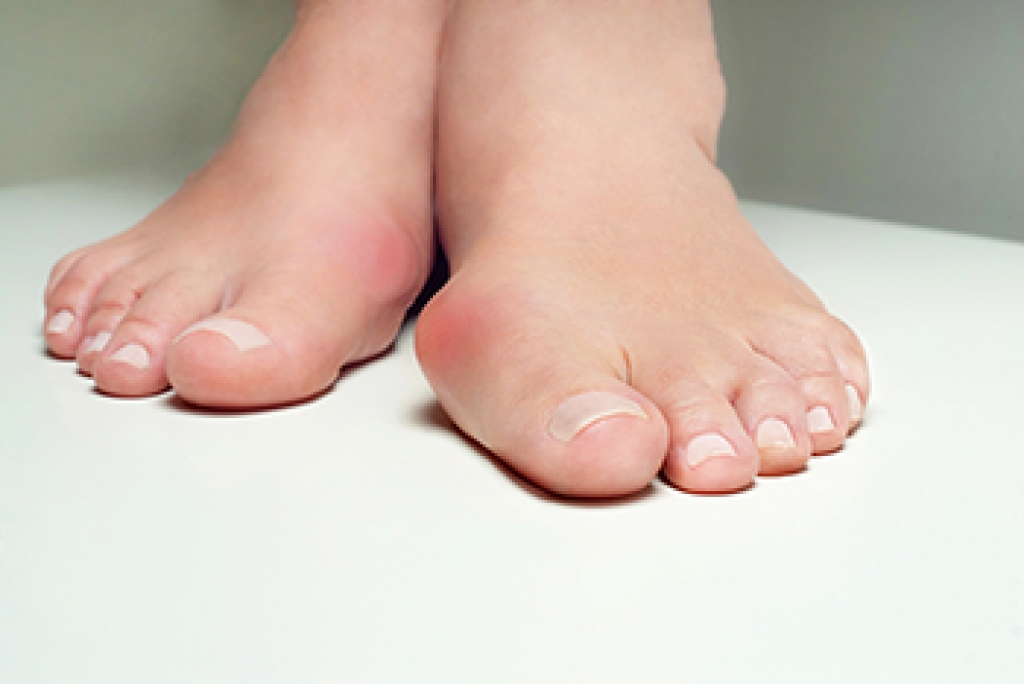
Bunions are painful bony bumps that usually develop on the inside of the foot at the joint of the big toe. As the deformity increases over time, it may become painful to walk and wear shoes. Women are more likely to exacerbate existing bunions since they often wear tight, narrow shoes that shift their toes together. Bunion pain can be relieved by wearing wider shoes with enough room for the toes.

Causes

  • Genetics – some people inherit feet that are more prone to bunion development
  • Inflammatory Conditions - rheumatoid arthritis and polio may cause bunion development

Symptoms

  • Redness and inflammation
  • Pain and tenderness
  • Callus or corns on the bump
  • Restricted motion in the big toe

In order to diagnose your bunion, your podiatrist may ask about your medical history, symptoms, and general health. Your doctor might also order an x-ray to take a closer look at your feet. Nonsurgical treatment options include orthotics, padding, icing, changes in footwear, and medication. If nonsurgical treatments don’t alleviate your bunion pain, surgery may be necessary.

If you have any questions, please feel free to contact our office located in Deerfield Beach, FL . We offer the newest diagnostic and treatment technologies for all your foot care needs.
Read more about Bunions

Toe Capsulitis Pain

Capsulitis is a painful condition that affects the front part of the foot and can worsen over time. The smaller toes have three joints each. If the pain comes from the ball of the foot, it might indicate capsulitis. This happens when a ligament in the joint becomes inflamed. Capsulitis mainly affects the second toe, sometimes extending to the third toe. Symptoms include pain, swelling, and redness in the front part of the foot. Walking and wearing shoes can be uncomfortable. Neglecting capsulitis can lead to additional problems like calluses and curled toes. It can even cause one toe to cross over another. Capsulitis can result from injuries, poor foot mechanics, ill-fitting shoes, or conditions like arthritis. Some individuals are more susceptible due to their foot structure. Treatment includes resting, wearing shoe inserts, exercising the foot, avoiding tight, thin-soled shoes, and elevating the foot. If you have persisting toe pain, it is suggested that you make an appointment with a podiatrist for care. 

Toe pain can disrupt your daily activities. If you have any concerns, contact one of our podiatrists of East Ocean Podiatry . Our doctors can provide the care you need to keep you pain-free and on your feet.

What Causes Toe Pain?

Most severe toe pain is caused due to a sports injury, trauma from dropping something heavy on the toe, or bumping into something rigid. Other problems can develop over time for various reasons.

Toe pain can be caused by one or more ailments. The most common include:

  • Trauma
  • Sports injury
  • Wearing shoes that are too tight
  • Arthritis
  • Gout
  • Corns and calluses
  • Hammertoe
  • Bunions
  • Blisters
  • Ingrown toenails
  • Sprains
  • Fractures (broken bones)
  • Dislocations

When to See a Podiatrist

  • Severe pain
  • Persistent pain that lasts more than a week
  • Signs of infection
  • Continued swelling
  • Pain that prevents walking

Diagnosis

In many cases the cause of toe pain is obvious, but in others, a podiatrist may want to use more advanced methods to determine the problem. These can range from simple visual inspections and sensation tests to X-rays and MRI scans. Prior medical history, family medical history, and any recent physical traumatic events will all be taken into consideration for a proper diagnosis.

Treatment

Treatments for toe pain and injuries vary and may include shoe inserts, padding, taping, medicines, injections, and in some cases, surgery. If you believe that you have broken a toe, please see a podiatrist as soon as possible.

If you have any questions please contact our office located in Deerfield Beach, FL . We offer the newest diagnostic and treatment technologies for all your foot and ankle needs.

Read more about Toe Pain

Possible Remedies for Corns on the Feet

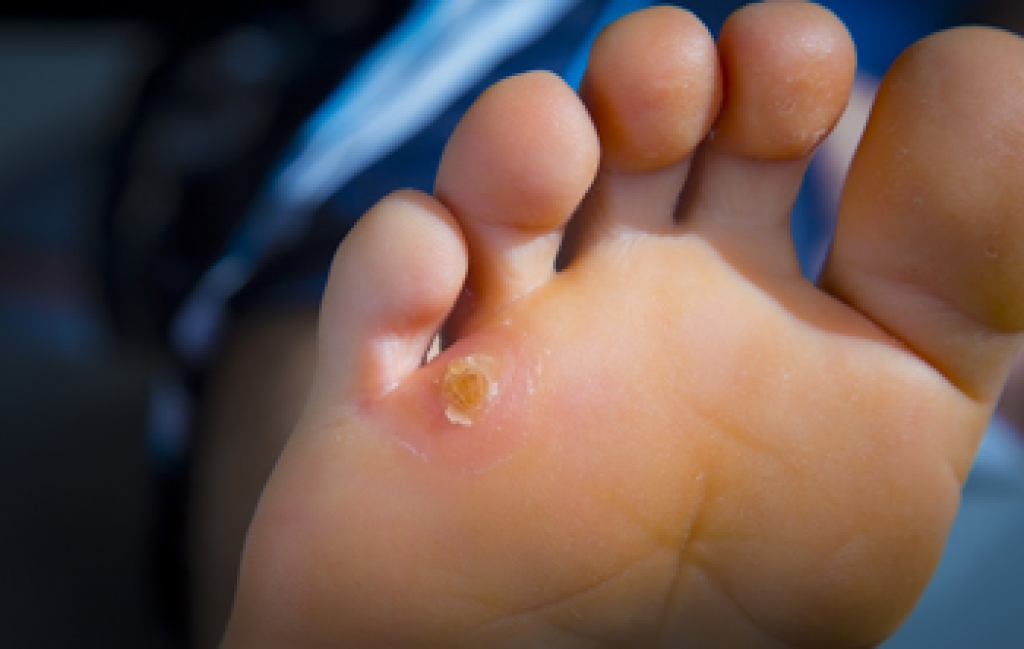
Foot corns are characterized by bumps that are thickened layers of hard skin and form on bony areas of the feet. They generally occur on the tops and sides of the toes, due to friction and pressure. Ill-fitting shoes and socks can contribute to their development. Some people with conditions that cause abnormal alignment of the bones in the feet, such as arthritis, bunions, or hammertoes, may be at a higher risk for developing corns. There are three types of foot corns consisting of hard, soft, and seed corns. Hard corns are firm when touched, and form on the tops of toes. Soft corns are pliable and typically form between the toes. Seed corns are very small and usually occur on the soles of the feet. Corns are sometimes confused with calluses but differ in location, size, tenderness, and inflammation. Preventing foot corns involves wearing well-fitting, comfortable shoes, and especially avoiding high heels and pointy-toed footwear. One can soak their foot and gently exfoliate the skin of the corn with a pumice stone or foot file. Covering the corn can protect against friction. If you have corns that are causing pain, or if you also have diabetes, it is strongly suggested that you make an appointment with a podiatrist who can provide additional treatment that can prevent complications.

If you have any concerns regarding your feet and ankles, contact one of our podiatrists of East Ocean Podiatry . Our doctors will treat your foot and ankle needs.

Corns: What Are They? and How Do You Get Rid of Them?
Corns can be described as areas of the skin that have thickened to the point of becoming painful or irritating. They are often layers and layers of the skin that have become dry and rough, and are normally smaller than calluses.

Ways to Prevent Corns
There are many ways to get rid of painful corns such as wearing:

  • Well-fitting socks
  • Comfortable shoes that are not tight around your foot
  • Shoes that offer support

Treating Corns
Treatment of corns involves removing the dead skin that has built up in the specific area of the foot. Consult with Our doctors to determine the best treatment option for your case of corns.

If you have any questions, please feel free to contact our office located in Deerfield Beach, FL . We offer the newest diagnostic and treatment technologies for all your foot care needs.
Read more about Corns and Calluses

Heel Pain Can Be Treated!

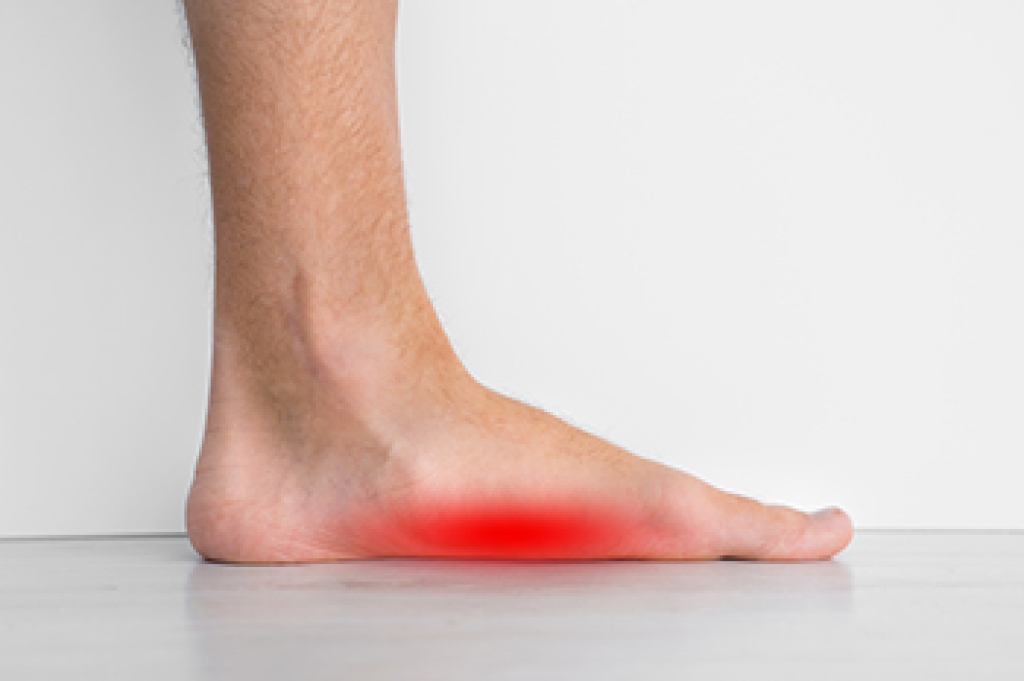
Do you suffer from heel pain when you get up in the morning? If so, you should seek professional help and have a proper diagnosis performed. Heel pain can be caused by several different foot-related conditions.

Managing Foot Drop

A condition known as foot drop is characterized by the inability to clear the ground while taking a step. Instead, the toe drags along the ground when you walk, causing the need to lift the foot in a march-like stance. Foot drop is caused by a weakness or paralysis of the muscles that lift the foot. It can be the result of injury or damage to the nerves in the leg. It also can be the result of a neurological condition, such as multiple sclerosis. Other conditions linked to foot drop include stroke and peripheral neuropathy. In some cases, foot drop can be managed if not cured. Certain exercises can help to strengthen muscles in the feet and lower legs. Removing loose rugs in the home that can cause tripping or falling is another measure that can reduce the effects of foot drop. An ankle-foot orthosis on the lower part of the leg can help to direct control of the foot and ankle. A change in footwear to shoes with adjustable straps and lower heels may also be needed. To find out more about ways of dealing with foot drop, it is suggested that you make an appointment with a podiatrist.

If you have any concerns about your feet, contact one of our podiatrists from East Ocean Podiatry . Our doctors can provide the care you need to keep you pain-free and on your feet.

Biomechanics in Podiatry

Podiatric biomechanics is a particular sector of specialty podiatry with licensed practitioners who are trained to diagnose and treat conditions affecting the foot, ankle and lower leg. Biomechanics deals with the forces that act against the body, causing an interference with the biological structures. It focuses on the movement of the ankle, the foot and the forces that interact with them.

A History of Biomechanics

  • Biomechanics dates back to the BC era in Egypt where evidence of professional foot care has been recorded.
  • In 1974, biomechanics gained a higher profile from the studies of Merton Root, who claimed that by changing or controlling the forces between the ankle and the foot, corrections or conditions could be implemented to gain strength and coordination in the area.

Modern technological improvements are based on past theories and therapeutic processes that provide a better understanding of podiatric concepts for biomechanics. Computers can provide accurate information about the forces and patterns of the feet and lower legs.

Understanding biomechanics of the feet can help improve and eliminate pain, stopping further stress to the foot.

If you have any questions please feel free to contact our office located in Deerfield Beach, FL . We offer the newest diagnostic and treatment technologies for all your foot and ankle needs.

Read more about Biomechanics in Podiatry

What Are Plantar Warts?

Plantar warts are small, rough growths on the sole of the feet caused by HPV, or the human papillomavirus, entering the skin through minor cuts or abrasions. These warts can be painful, especially when walking or standing. They may appear as single growths or in clusters. Over-the-counter treatments, like salicylic acid patches or gels, can be effective in gradually dissolving plantar warts over time. However, some cases are stubborn and necessitate professional intervention. If you or your child have a plantar wart that is painful or will not go away, it is suggested that you make an appointment with a podiatrist for treatment options that might include freezing the wart, laser therapy, or a minor surgical procedure to permanently remove it. 

Plantar warts can be very uncomfortable. If you need your feet checked, contact one of our podiatrists from East Ocean Podiatry . Our doctors will assist you with all of your foot and ankle needs.

About Plantar Warts

Plantar warts are the result of HPV, or human papillomavirus, getting into open wounds on the feet. They are mostly found on the heels or balls of the feet.

While plantar warts are generally harmless, those experiencing excessive pain or those suffering from diabetes or a compromised immune system require immediate medical care. Plantar warts are easily diagnosed, usually through scraping off a bit of rough skin or by getting a biopsy.

Symptoms

  • Lesions on the bottom of your feet, usually rough and grainy
  • Hard or thick callused spots
  • Wart seeds, which are small clotted blood vessels that look like little black spots
  • Pain, discomfort, or tenderness of your feet when walking or standing

Treatment

  • Freezing
  • Electric tool removal
  • Laser Treatment
  • Topical Creams (prescription only)
  • Over-the-counter medications

To help prevent developing plantar warts, avoid walking barefoot over abrasive surfaces that can cause cuts or wounds for HPV to get into. Avoiding direct contact with other warts, as well as not picking or rubbing existing warts, can help prevent the further spread of plantar warts. However, if you think you have developed plantar warts, speak to your podiatrist. He or she can diagnose the warts on your feet and recommend the appropriate treatment options.

If you have any questions, please feel free to contact our office located in Deerfield Beach, FL . We offer the newest diagnostic and treatment technologies for all your foot care needs.

Read more about Plantar Warts

Services Provided by Podiatrists

Podiatry involves dealing with a multitude of possible problems people have with their feet and ankles. These can range from ingrown toenails to abnormal foot structures. Among the problems that a podiatrist handles are biomechanical and gait issues, including those involving children who may have congenital or developmental foot maladies. Another important podiatric service designed to correct various foot abnormalities is prescribing custom orthotic devices. Some are made for comfort and support while others can correct specific conditions, such as overpronation or flat feet. A  podiatrist is an expert in managing the side effects of diabetes, especially dealing with foot ulcers and their maintenance and treatment. Podiatrists are also educated and trained to deal with more routine ailments, such as corns on the feet, blisters that have become infected, athlete’s foot and other fungal infections. In some cases, a podiatrist may be called on to perform surgery, including toenail removal or a bunionectomy. Podiatrists can also recommend appropriate footwear as well as provide guidance on exercises to stretch and strengthen the feet. For help with any foot problems, it is suggested that you make an appointment with a podiatrist for an exam and options for treatment.  

If you are experiencing pain in the feet or ankles, don’t join the stubborn majority refusing treatment. Feel free to contact one of our podiatrists from East Ocean Podiatry . Our doctors can provide the care you need to keep you pain-free and on your feet.

What Is a Podiatrist?

Someone would seek the care of a podiatrist if they have suffered a foot injury or have common foot ailments such as heal spurs, bunions, arch problems, deformities, ingrown toenails, corns, foot and ankle problems, etc.

Podiatric Treatment

A podiatrist will treat the problematic areas of the feet, ankle or lower leg by prescribing the following:

  • Physical therapy
  • Drugs
  • Orthotic inserts or soles
  • Surgery on lower extremity fractures

A common podiatric procedure a podiatrist will use is a scanner or force plate which will allow the podiatrist to know the designs of orthotics. Patients are then told to follow a series of tasks to complete the treatment. The computer will scan the foot a see which areas show weight distribution and pressure points. The podiatrist will read the analysis and then determine which treatment plans are available.

If you have any questions, please feel free to contact our office located in Deerfield Beach, FL . We offer the newest diagnostic and treatment technologies for all your foot care needs.

Read more about What is a Podiatrist?

Various Reasons to Have Foot Pain

The feet provide us with mobility, and enable people to participate in running, walking, and jumping activities. An individual person will walk 100,000 miles during the course of an average lifetime, and research has shown that many people spend approximately 80 percent of their waking hours on their feet. This being said, it is beneficial to keep the feet as healthy as possible in order to prevent unwanted foot conditions from developing. Some of these ailments can consist of hammertoe, foot cramps, ingrown toenails, or bunions. Many of these can be remedied by purchasing shoes that fit correctly, in addition to maintaining proper foot care. Diabetic patients may be prone to developing foot ulcers. This is defined as an infection that develops on the sole of the foot, and can happen from the inability to feel existing cuts. If you have foot pain, it is strongly suggested that you confer with a podiatrist who can determine what the cause is, and treat it effectively.

Foot Pain

Foot pain can be extremely painful and debilitating. If you have a foot pain, consult with one of our podiatrists from East Ocean Podiatry . Our doctors will assess your condition and provide you with quality foot and ankle treatment.

Causes

Foot pain is a very broad condition that could be caused by one or more ailments. The most common include:

  • Bunions
  • Hammertoes
  • Plantar Fasciitis
  • Bone Spurs
  • Corns
  • Tarsal Tunnel Syndrome
  • Ingrown Toenails
  • Arthritis (such as Gout, Rheumatoid, and Osteoarthritis)
  • Flat Feet
  • Injury (from stress fractures, broken toe, foot, ankle, Achilles tendon ruptures, and sprains)
  • And more

Diagnosis

To figure out the cause of foot pain, podiatrists utilize several different methods. This can range from simple visual inspections and sensation tests to X-rays and MRI scans. Prior medical history, family medical history, and any recent physical traumatic events will all be taken into consideration for a proper diagnosis.

Treatment

Treatment depends upon the cause of the foot pain. Whether it is resting, staying off the foot, or having surgery; podiatrists have a number of treatment options available for foot pain.

If you have any questions, please feel free to contact our office located in Deerfield Beach, FL . We offer the newest diagnostic and treatment technologies for all your foot care needs.

Read more about Foot Pain

It's Time for Beautiful Feet

You don't need an excuse to have beautiful nails. Step outside without worrying about the appearance of your feet.

How Footwear Can Help Prevent Injuries at Work

Foot injuries in the workplace are classified into two general categories, injuries or slips and falls. Common foot injuries include punctures, crushing, sprains, and cuts. Among the other conditions that result in pain are calluses, ingrown toenails, and tired feet. Long periods of standing and the type of shoes worn may also contribute to foot pain on the job. High heels, pointed shoes, lack of arch support, and shoes that are too loose or tight may contribute to foot pain. Workplace safety experts recommend replacing footwear with better options. Included are shoes that grip the heel firmly, while the front of the shoe allows the toes to move freely. Choose shoes that fasten across the instep to help prevent tripping. The heels of the shoe should be no higher than 2.5 inches and no lower than the ball of the foot. Have the feet measured properly before purchase, and if the feet are different sizes, it is best to purchase the larger size. Wearing socks and stockings that are too tight can also contribute to foot pain. If you are having trouble with job-related foot pain, it is suggested that you make an appointment with a podiatrist.

While working on the feet, it is important to take the proper care of them. For more information about working on your feet, contact one of our podiatrists from East Ocean Podiatry . Our doctors will treat your foot and ankle needs.

Working on Your Feet

Standing on your feet for long periods of time can cause stress and pain in your feet. Your whole body may experience change in terms of posture, back pain, bunions, callouses and or plantar warts. There are ways to avoid these conditions with proper foot care, smart choices and correct posture.

Positive Changes

Negative heeled shoe – Choosing this shoe type places the heel slightly lower than the ball of the foot. These are great for overall foot health. Find shoes that fit you correctly.

Go barefoot – Our feet were not designed to be enclosed for all hours of the day. Try to periodically expose your feet to air.

Eliminate Pain

Foot Exercises – Performing simple exercises, incorporating yoga and doing stretches are beneficial. This will allow increased blood flow to the area and muscles of the foot.

Achilles tendon – Stretching the foot out flat on the floor will relax the calf muscles and tendon. These exercises can be performed almost anywhere. Make sure you add these exercises to your daily regimen. 

With a little bit of this information and knowing more about foot health, you will notice changes. Foot stretches and proper footwear will help with pain and prevent further issues.

If you have any questions please contact our office located in Deerfield Beach, FL . We offer the newest diagnostic and treatment technologies for all your foot and ankle needs.

Read more about How to Handle a Long Work Day on Your Feet

Connect With Us