
How Weight Can Affect Your Feet

Carrying excess weight can significantly impact your feet, leading to a variety of foot-related problems. Extra body weight places added pressure on the feet, especially on the joints, tendons, and ligaments, which can lead to discomfort, inflammation, and overuse injuries. Conditions such as plantar fasciitis, heel spurs, and arthritis are often more prevalent in people with higher body weight. Obesity is also linked to lower arches and pronated foot posture, which further increases stress on the feet and contributes to pain. A podiatrist can recommend supportive footwear, prescribe custom orthotics, and suggest specific exercises to alleviate pain and prevent further damage. Additionally, this foot doctor can monitor your foot health and offer guidance on lifestyle changes that could lessen strain on the feet. If you have foot problems that may be related to carrying extra weight, it is suggested that you schedule an appointment with a podiatrist for an exam and treatment.

Obesity has become very problematic at this point in time and can have extremely negative effects on the feet. If you’re an obese individual and are concerned about your feet, contact one of our podiatrists from East Ocean Podiatry . Our doctors can provide the care you need to keep you pain-free and on your feet.

Obesity and Your Feet

Since your feet are what support your entire weight when standing, any additional weight can result in pain and swelling. Being overweight is one of the main contributors to foot complications.

Problems & Complications

Extra Weight – Even putting on just a few extra pounds could create serious complications for your feet. As your weight increases, your balance and body will shift, creating new stresses on your feet. This uneven weight distribution can cause pain, even while doing the simplest tasks, such as walking.

Diabetes – People who are overweight are at serious risk of developing type-2 diabetes, which has a drastic impact on the health of your feet. As you get older, your diabetes might worsen, which could lead to loss of feeling in your feet, sores, and bruises. You could also become more prone to various infections.

Plantar fasciitis – Pressure and stress that is placed on muscles, joints, and tendons can trigger plantar fasciitis, which is an inflammation of tissue that forms along the bottom of the foot. 

If you have any questions, please feel free to contact our office located in Deerfield Beach, FL . We offer the newest diagnostic and treatment technologies for all your foot care needs.


Read more about How Obesity Affects Your Feet

Why Live with Pain and Numbness in Your Feet?

Suffering from this type of pain? You may have the foot condition known as Morton's neuroma. Morton's neuroma may develop as a result of ill-fitting footwear and existing foot deformities. We can help.

Causes of Ankle Pain When Walking

Ankle pain when walking can have several causes, ranging from injury to underlying medical conditions. Common injuries like sprains or strains occur when ligaments or muscles in the ankle are overstretched or torn, often from twisting or rolling the ankle. Ankle bruising, fractures, or breaks can also result in significant discomfort, especially when weight is placed on the joint. Conditions such as osteoarthritis and gout can lead to chronic ankle pain. Osteoarthritis pain is the result of cartilage breakdown between the bones, while gout is inflammation caused by the buildup of uric acid crystals in the ankle joint. A podiatrist can diagnose the cause of ankle pain and offer appropriate treatment options. If you experience ankle pain when you walk, it is suggested that you schedule an appointment with a podiatrist for an evaluation and treatment.

Ankle pain can have many different causes and the pain may potentially be serious. If you have ankle pain, consult with one of our podiatrists from East Ocean Podiatry . Our doctors will assess your condition and provide you with quality foot and ankle treatment.

Ankle pain is any condition that causes pain in the ankle. Due to the fact that the ankle consists of tendons, muscles, bones, and ligaments, ankle pain can come from a number of different conditions.

Causes

The most common causes of ankle pain include:

  • Types of arthritis (rheumatoid, osteoarthritis, and gout)
  • Ankle sprains
  • Broken ankles
  • Achilles tendinitis
  • Achilles tendon rupture
  • Stress fractures
  • Tarsal tunnel syndrome
  • Plantar fasciitis

Symptoms

Symptoms of ankle injury vary based upon the condition. Pain may include general pain and discomfort, swelling, aching, redness, bruising, burning or stabbing sensations, and/or loss of sensation.

Diagnosis

Due to the wide variety of potential causes of ankle pain, podiatrists will utilize a number of different methods to properly diagnose ankle pain. This can include asking for personal and family medical histories and of any recent injuries. Further diagnosis may include sensation tests, a physical examination, and potentially x-rays or other imaging tests.

Treatment

Just as the range of causes varies widely, so do treatments. Some more common treatments are rest, ice packs, keeping pressure off the foot, orthotics and braces, medication for inflammation and pain, and surgery.

If you have any questions please feel free to contact our office located in Deerfield Beach, FL . We offer the newest diagnostic tools and technology to treat your foot and ankle needs.

Read more about Various Causes of Ankle Pain

Blister Prevention Methods for Active Lifestyles

Blisters are common nuisances that can hinder an active lifestyle, but several effective prevention methods can help keep them at bay. One of the most important strategies is wearing properly fitted shoes that provide adequate support and cushioning. It is important to choose footwear that accommodates the shape of your feet, reducing friction and pressure points. Using moisture-wicking socks can also minimize the risk of blisters, as they help keep feet dry and reduce friction. Applying blister prevention products, such as protective adhesive bandages or lubricants, can create a barrier between the skin and footwear. Additionally, gradually breaking in new shoes allows your feet to adapt, reducing the likelihood of irritation. Foot blisters can be uncomfortable, causing difficulty in completing daily activities. If you have developed a foot blister that has become infected, it is suggested that you promptly consult a podiatrist who can provide adequate relief, and educate you on additional prevention methods.

Blisters are prone to making everyday activities extremely uncomfortable. If your feet are hurting, contact one of our podiatrists of East Ocean Podiatry . Our doctors can provide the care you need to keep you pain-free and on your feet.

Foot Blisters

Foot blisters develop as a result of constantly wearing tight or ill-fitting footwear. This happens due to the constant rubbing from the shoe, which can often lead to pain.

What Are Foot Blisters?

A foot blister is a small fluid-filled pocket that forms on the upper-most layer of the skin. Blisters are filled with clear fluid and can lead to blood drainage or pus if the area becomes infected.

How Do Blisters Form?

Blisters on the feet are often the result of constant friction of skin and material, usually by shoe rubbing. Walking in sandals, boots, or shoes that don’t fit properly for long periods of time can result in a blister. Having consistent foot moisture and humidity can easily lead to blister formation.

Prevention & Treatment

It is important to properly care for the affected area in order to prevent infection and ease the pain. Do not lance the blister and use a Band-Aid to provide pain relief. Also, be sure to keep your feet dry and wear proper fitting shoes. If you see blood or pus in a blister, seek assistance from a podiatrist.

If you have any questions, please feel free to contact our office located in Deerfield Beach, FL . We offer the newest diagnostic and treatment technologies for all your foot care needs.
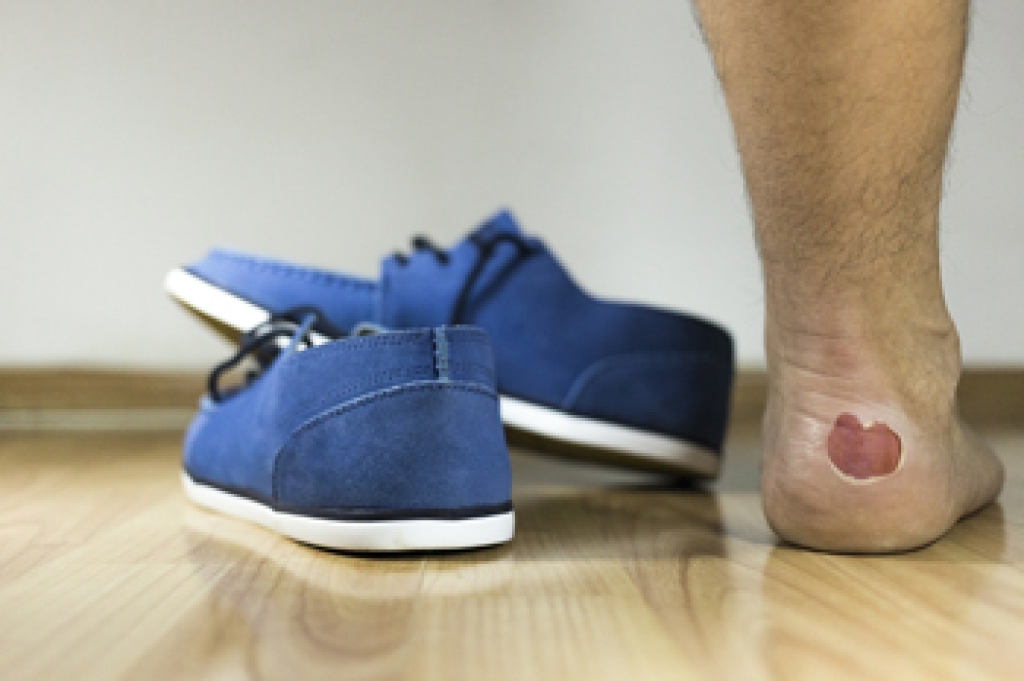
Read more about Blisters on the Feet

Common Foot and Ankle Injuries in Pickleball

Pickleball, while a fun and engaging sport, can lead to various foot and ankle injuries due to its fast-paced nature and quick movements. One common injury is an ankle sprain, which often occurs when players twist or land awkwardly during play, resulting in pain and swelling. Another frequent pickleball injury is plantar fasciitis, characterized by heel pain that develops from repetitive stress and strain on the plantar fascia. Achilles tendonitis can also arise from overuse, causing discomfort at the back of the heel. Additionally, blisters and calluses may develop due to friction from quick lateral movements and improper footwear. If you have suffered a foot or ankle injury from playing pickleball, it is suggested that you consult a podiatrist who can treat these conditions and guide you on effective injury prevention techniques.

Ankle and foot injuries are common among athletes and in many sports. They can be caused by several problems and may be potentially serious. If you are feeling pain or think you were injured in a sporting event or when exercising, consult with one of our podiatrists from East Ocean Podiatry . Our doctors will assess your condition and provide you with quality foot and ankle treatment.

Common Injuries

The most common injuries that occur in sporting activities include:

  • Achilles Tendonitis
  • Achilles Tendon Rupture
  • Ankle Sprains
  • Broken Foot
  • Plantar Fasciitis
  • Stress Fractures
  • Turf Toe

Symptoms

Symptoms vary depending upon the injury and in some cases, there may be no symptoms at all. However, in most cases, some form of symptom is experienced. Pain, aching, burning, bruising, tenderness, tightness or stiffness, sensation loss, difficulty moving, and swelling are the most common symptoms.

Treatment

Just as symptoms vary depending upon the injury, so do treatment options. A common treatment method is known as the RICE method. This method involves rest, applying ice, compression and elevating the afflicted foot or ankle. If the injury appears to be more serious, surgery might be required, such as arthroscopic or reconstructive surgery. Lastly, rehabilitation or therapy might be needed to gain full functionality in the afflicted area. Any discomfort experienced by an athlete must be evaluated by a licensed, reputable medical professional.  

If you have any questions please contact our office located in Deerfield Beach, FL . We offer the newest diagnostic and treatment technologies for all your foot and ankle needs.

Read more about Sports Related Foot and Ankle Injuries

Risks of Falling Outside the Home

Falling outside the home can pose a significant risk, especially for older adults. Falls outside the home can be caused by uneven terrain, slippery surfaces, or crowded areas. Parks, parking lots, and public staircases are common spots where falls may occur, leading to serious injuries like broken bones. Footwear choices play a vital role in preventing falls. Your shoes should offer solid support, fit properly, and have non-slip soles to provide stability. Balance issues, lower extremity weakness, or joint pain can also increase the risk of falls outside the home. A podiatrist can assess these factors, recommend supportive footwear, and suggest custom orthotics to improve balance. This foot doctor can address underlying foot conditions that might compromise your stability or suggest exercises and assistive devices to improve balance. If you have injured your foot or ankle from falling, it is suggested that you schedule an appointment with a podiatrist for appropriate treatment methods.

Preventing falls among the elderly is very important. If you are older and have fallen or fear that you are prone to falling, consult with one of our podiatrists from East Ocean Podiatry . Our doctors will assess your condition and provide you with quality advice and care.

Every 11 seconds, an elderly American is being treated in an emergency room for a fall related injury. Falls are the leading cause of head and hip injuries for those 65 and older. Due to decreases in strength, balance, senses, and lack of awareness, elderly persons are very susceptible to falling. Thankfully, there are a number of things older persons can do to prevent falls.

How to Prevent Falls

Some effective methods that older persons can do to prevent falls include:

  • Enrolling in strength and balance exercise program to increase balance and strength
  • Periodically having your sight and hearing checked
  • Discuss any medications you have with a doctor to see if it increases the risk of falling
  • Clearing the house of falling hazards and installing devices like grab bars and railings
  • Utilizing a walker or cane
  • Wearing shoes that provide good support and cushioning
  • Talking to family members about falling and increasing awareness

Falling can be a traumatic and embarrassing experience for elderly persons; this can make them less willing to leave the house, and less willing to talk to someone about their fears of falling. Doing such things, however, will increase the likelihood of tripping or losing one’s balance. Knowing the causes of falling and how to prevent them is the best way to mitigate the risk of serious injury.  

If you have any questions, please feel free to contact our office located in Deerfield Beach, FL . We offer the newest diagnostic and treatment technologies for all your foot care needs.

Read more about Falls Prevention

Are You Suffering From Ingrown Toenails?

If left untreated, an ingrown toenail can lead to more serious concerns, such as an infection. Knowing proper nail care can help in the prevention of an ingrown toenail. Give us a call, and get treated!

The Impact of Footwear on Biomechanics

Footwear plays a significant role in foot biomechanics, influencing how your body moves and functions. High heels, for example, shift weight forward, altering the natural alignment of the spine and increasing pressure on the forefoot. This can lead to discomfort and long-term issues such as bunions or plantar fasciitis. On the other hand, flip flops offer minimal support, allowing the foot to overextend with each step, which can result in instability and strain on the muscles and ligaments. Lack of arch support in flip flops can worsen conditions like flat feet. Understanding how different types of footwear affect your biomechanics helps in making informed choices. Selecting shoes that provide adequate support, cushioning, and alignment can significantly improve comfort and reduce the risk of injuries, promoting healthier movement patterns overall. If you have developed foot pain from wearing shoes that do not align with your foot structure, it is suggested that you consult a podiatrist who can treat various foot conditions, and guide you toward making correct shoe choices.

If you have any concerns about your feet, contact one of our podiatrists from East Ocean Podiatry . Our doctors can provide the care you need to keep you pain-free and on your feet.

Biomechanics in Podiatry

Podiatric biomechanics is a particular sector of specialty podiatry with licensed practitioners who are trained to diagnose and treat conditions affecting the foot, ankle and lower leg. Biomechanics deals with the forces that act against the body, causing an interference with the biological structures. It focuses on the movement of the ankle, the foot and the forces that interact with them.

A History of Biomechanics

  • Biomechanics dates back to the BC era in Egypt where evidence of professional foot care has been recorded.
  • In 1974, biomechanics gained a higher profile from the studies of Merton Root, who claimed that by changing or controlling the forces between the ankle and the foot, corrections or conditions could be implemented to gain strength and coordination in the area.

Modern technological improvements are based on past theories and therapeutic processes that provide a better understanding of podiatric concepts for biomechanics. Computers can provide accurate information about the forces and patterns of the feet and lower legs.

Understanding biomechanics of the feet can help improve and eliminate pain, stopping further stress to the foot.

If you have any questions please feel free to contact our office located in Deerfield Beach, FL . We offer the newest diagnostic and treatment technologies for all your foot and ankle needs.

Read more about The Importance of Biomechanics in Podiatry

Causes and Effects of Ankle Sprains

An ankle sprain occurs when the ligaments surrounding the ankle joint are overstretched or torn, often resulting from an awkward step or a sudden twist. Ankle sprains can happen during sports or everyday activities, such as walking on uneven ground or tripping on stairs. Common symptoms of ankle sprains include pain, swelling, bruising, and difficulty putting weight on the affected foot. While mild sprains typically heal with rest, more severe cases may require additional support, such as braces or splints to aid in recovery. Ignoring a sprain can lead to long-term instability and recurring injuries. A podiatrist can assess the severity of your ankle sprain, recommend the proper treatment, and guide the rehabilitation process to prevent future complications. If you believe you may have sprained an ankle, it is suggested that you schedule an appointment with a podiatrist for a diagnosis and treatment.

Although ankle sprains are common, they aren’t always minor injuries. If you need your ankle injury looked at, contact one of our podiatrists from East Ocean Podiatry . Our doctors can provide the care you need to keep you pain-free and on your feet.

How Does an Ankle Sprain Occur?

Ankle sprains are the result of a tear in the ligaments within the ankle. These injuries may happen when you make a rapid shifting movement while your foot is planted. A less common way to sprain your ankle is when your ankle rolls inward while your foot turns outward.

What Are the Symptoms?

  • Pain at the sight of the tear
  • Bruising/Swelling
  • Ankle area is tender to touch
  • In severe cases, may hear/feel something tear
  • Skin discoloration

Preventing a Sprain

  • Wearing appropriate shoes for the occasion
  • Stretching before exercises and sports
  • Knowing your limits

Treatment of a Sprain

In many cases, the RICE method (Rest, Ice, Compression, and Elevate) is used to treat ankle sprains. However, you should see a podiatrist to see which treatment option would work best with your injury. In severe cases, surgery may be required.

It is important to ask your doctor about rehab options after you receive treatment for your injury. Stretching, strength training, and balance exercises may help the ankle heal while also preventing further injury.

If you have any questions, please feel free to contact our office located in Deerfield Beach, FL . We offer the newest diagnostic and treatment technologies for all your foot care needs.

Read more about Ankle Sprains

Causes and Symptoms of Gout in the Heel

Gout in the heel, a type of inflammatory arthritis, is caused by the buildup of uric acid crystals in the joints. This condition often results from high levels of uric acid in the blood, which can be due to factors such as a diet rich in purines, excessive alcohol consumption, obesity, and certain medications. Symptoms typically include intense pain, swelling, and redness in the heel, especially during flare-ups. To manage and prevent gout, lifestyle changes are essential. Reducing intake of purine-rich foods like red meat and seafood, limiting alcohol, and maintaining a healthy weight can help lower uric acid levels. Staying hydrated and incorporating regular physical activity also contribute to better overall joint health. If you have developed this painful condition, it is strongly suggested that you are under the care of a podiatrist who can offer effective relief and treatment methods.

Many people suffer from bouts of heel pain. For more information, contact one of our podiatrists of East Ocean Podiatry . Our doctors can provide the care you need to keep you pain-free and on your feet.

Causes of Heel Pain

Heel pain is often associated with plantar fasciitis. The plantar fascia is a band of tissues that extends along the bottom of the foot. A rip or tear in this ligament can cause inflammation of the tissue.

Achilles tendonitis is another cause of heel pain. Inflammation of the Achilles tendon will cause pain from fractures and muscle tearing. Lack of flexibility is also another symptom.

Heel spurs are another cause of pain. When the tissues of the plantar fascia undergo a great deal of stress, it can lead to ligament separation from the heel bone, causing heel spurs.

Why Might Heel Pain Occur?

  • Wearing ill-fitting shoes                
  • Wearing non-supportive shoes
  • Weight change           
  • Excessive running

Treatments

Heel pain should be treated as soon as possible for immediate results. Keeping your feet in a stress-free environment will help. If you suffer from Achilles tendonitis or plantar fasciitis, applying ice will reduce the swelling. Stretching before an exercise like running will help the muscles. Using all these tips will help make heel pain a condition of the past.

If you have any questions, please feel free to contact our office located in Deerfield Beach, FL . We offer the newest diagnostic and treatment technologies for all your foot care needs.

Read more about Heel Pain

Connect With Us