
If left untreated, an ingrown toenail can lead to more serious concerns, such as an infection. Knowing proper nail care can help in the prevention of an ingrown toenail. Give us a call, and get treated!
If left untreated, an ingrown toenail can lead to more serious concerns, such as an infection. Knowing proper nail care can help in the prevention of an ingrown toenail. Give us a call, and get treated!

Footwear plays a significant role in foot biomechanics, influencing how your body moves and functions. High heels, for example, shift weight forward, altering the natural alignment of the spine and increasing pressure on the forefoot. This can lead to discomfort and long-term issues such as bunions or plantar fasciitis. On the other hand, flip flops offer minimal support, allowing the foot to overextend with each step, which can result in instability and strain on the muscles and ligaments. Lack of arch support in flip flops can worsen conditions like flat feet. Understanding how different types of footwear affect your biomechanics helps in making informed choices. Selecting shoes that provide adequate support, cushioning, and alignment can significantly improve comfort and reduce the risk of injuries, promoting healthier movement patterns overall. If you have developed foot pain from wearing shoes that do not align with your foot structure, it is suggested that you consult a podiatrist who can treat various foot conditions, and guide you toward making correct shoe choices.
If you have any concerns about your feet, contact one of our podiatrists from East Ocean Podiatry . Our doctors can provide the care you need to keep you pain-free and on your feet.
Biomechanics in Podiatry
Podiatric biomechanics is a particular sector of specialty podiatry with licensed practitioners who are trained to diagnose and treat conditions affecting the foot, ankle and lower leg. Biomechanics deals with the forces that act against the body, causing an interference with the biological structures. It focuses on the movement of the ankle, the foot and the forces that interact with them.
A History of Biomechanics
Modern technological improvements are based on past theories and therapeutic processes that provide a better understanding of podiatric concepts for biomechanics. Computers can provide accurate information about the forces and patterns of the feet and lower legs.
Understanding biomechanics of the feet can help improve and eliminate pain, stopping further stress to the foot.
If you have any questions please feel free to contact our office located in Deerfield Beach, FL . We offer the newest diagnostic and treatment technologies for all your foot and ankle needs.

An ankle sprain occurs when the ligaments surrounding the ankle joint are overstretched or torn, often resulting from an awkward step or a sudden twist. Ankle sprains can happen during sports or everyday activities, such as walking on uneven ground or tripping on stairs. Common symptoms of ankle sprains include pain, swelling, bruising, and difficulty putting weight on the affected foot. While mild sprains typically heal with rest, more severe cases may require additional support, such as braces or splints to aid in recovery. Ignoring a sprain can lead to long-term instability and recurring injuries. A podiatrist can assess the severity of your ankle sprain, recommend the proper treatment, and guide the rehabilitation process to prevent future complications. If you believe you may have sprained an ankle, it is suggested that you schedule an appointment with a podiatrist for a diagnosis and treatment.
Although ankle sprains are common, they aren’t always minor injuries. If you need your ankle injury looked at, contact one of our podiatrists from East Ocean Podiatry . Our doctors can provide the care you need to keep you pain-free and on your feet.
How Does an Ankle Sprain Occur?
Ankle sprains are the result of a tear in the ligaments within the ankle. These injuries may happen when you make a rapid shifting movement while your foot is planted. A less common way to sprain your ankle is when your ankle rolls inward while your foot turns outward.
What Are the Symptoms?
Preventing a Sprain
Treatment of a Sprain
In many cases, the RICE method (Rest, Ice, Compression, and Elevate) is used to treat ankle sprains. However, you should see a podiatrist to see which treatment option would work best with your injury. In severe cases, surgery may be required.
It is important to ask your doctor about rehab options after you receive treatment for your injury. Stretching, strength training, and balance exercises may help the ankle heal while also preventing further injury.
If you have any questions, please feel free to contact our office located in Deerfield Beach, FL . We offer the newest diagnostic and treatment technologies for all your foot care needs.

Gout in the heel, a type of inflammatory arthritis, is caused by the buildup of uric acid crystals in the joints. This condition often results from high levels of uric acid in the blood, which can be due to factors such as a diet rich in purines, excessive alcohol consumption, obesity, and certain medications. Symptoms typically include intense pain, swelling, and redness in the heel, especially during flare-ups. To manage and prevent gout, lifestyle changes are essential. Reducing intake of purine-rich foods like red meat and seafood, limiting alcohol, and maintaining a healthy weight can help lower uric acid levels. Staying hydrated and incorporating regular physical activity also contribute to better overall joint health. If you have developed this painful condition, it is strongly suggested that you are under the care of a podiatrist who can offer effective relief and treatment methods.
Many people suffer from bouts of heel pain. For more information, contact one of our podiatrists of East Ocean Podiatry . Our doctors can provide the care you need to keep you pain-free and on your feet.
Causes of Heel Pain
Heel pain is often associated with plantar fasciitis. The plantar fascia is a band of tissues that extends along the bottom of the foot. A rip or tear in this ligament can cause inflammation of the tissue.
Achilles tendonitis is another cause of heel pain. Inflammation of the Achilles tendon will cause pain from fractures and muscle tearing. Lack of flexibility is also another symptom.
Heel spurs are another cause of pain. When the tissues of the plantar fascia undergo a great deal of stress, it can lead to ligament separation from the heel bone, causing heel spurs.
Why Might Heel Pain Occur?
Treatments
Heel pain should be treated as soon as possible for immediate results. Keeping your feet in a stress-free environment will help. If you suffer from Achilles tendonitis or plantar fasciitis, applying ice will reduce the swelling. Stretching before an exercise like running will help the muscles. Using all these tips will help make heel pain a condition of the past.
If you have any questions, please feel free to contact our office located in Deerfield Beach, FL . We offer the newest diagnostic and treatment technologies for all your foot care needs.
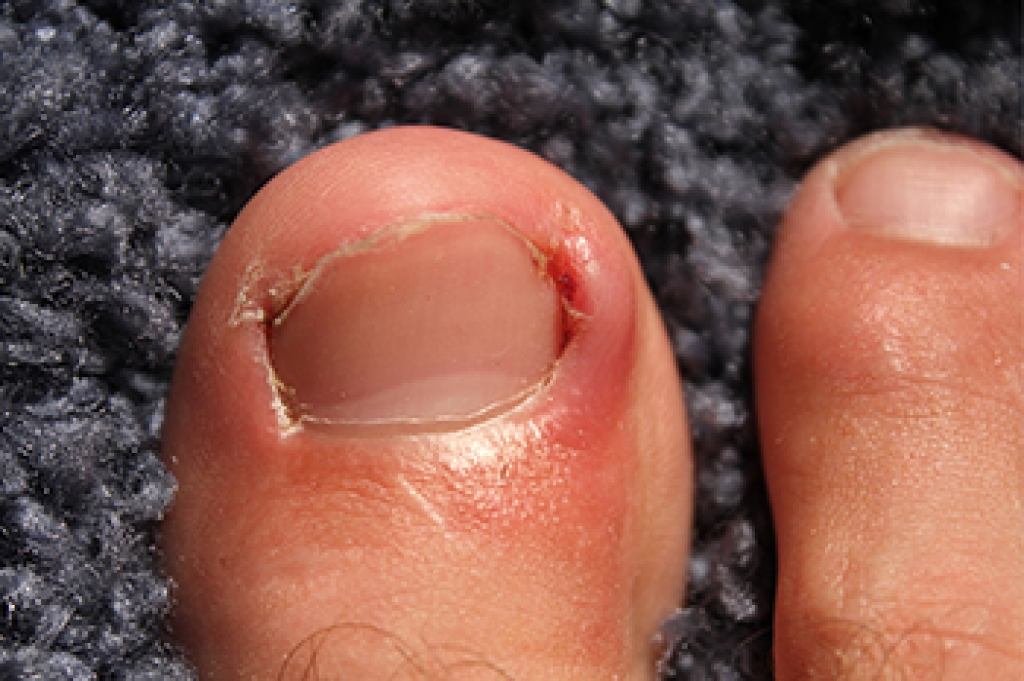
Ingrown toenails are an often painful condition where the edge of a toenail grows into the surrounding skin, typically affecting the big toe. This can lead to redness, swelling, and tenderness, with the potential for infection, if left untreated. The most frequent cause of ingrown toenails is improper nail trimming, particularly cutting nails too short or rounding the edges, which encourages the nail to grow into the skin. Wearing tight or poorly fitting shoes can also contribute by putting excessive pressure on the toes. While anyone can develop an ingrown toenail, they are more prevalent among teenagers, athletes, and those with naturally curved or large nails. If there are signs of infection, medical treatment from a podiatrist is important. This medically trained foot doctor can provide expert treatment to relieve pain and fight off infections. If you have a painful ingrown toenail, it is suggested that you schedule an appointment with a podiatrist for an exam, diagnosis, and treatment options.
Ingrown toenails may initially present themselves as a minor discomfort, but they may progress into an infection in the skin without proper treatment. For more information about ingrown toenails, contact one of our podiatrists of East Ocean Podiatry . Our doctors can provide the care you need to keep you pain-free and on your feet.
Ingrown Toenails
Ingrown toenails are caused when the corner or side of a toenail grows into the soft flesh surrounding it. They often result in redness, swelling, pain, and in some cases, infection. This condition typically affects the big toe and may recur if it is not treated properly.
Causes
You are more likely to develop an ingrown toenail if you are obese, have diabetes, arthritis, or have any fungal infection in your nails. Additionally, people who have foot or toe deformities are at a higher risk of developing an ingrown toenail.
Symptoms
Some symptoms of ingrown toenails are redness, swelling, and pain. In rare cases, there may be a yellowish drainage coming from the nail.
Treatment
Ignoring an ingrown toenail can have serious complications. Infections of the nail border can progress to a deeper soft-tissue infection, which can then turn into a bone infection. You should always speak with your podiatrist if you suspect you have an ingrown toenail, especially if you have diabetes or poor circulation.
If you have any questions, please feel free to contact our office located in Deerfield Beach, FL . We offer the newest diagnostic and treatment technologies for all your foot care needs.

Discoloration of the feet in elderly adults, such as purple, black, or blue hues, often signals underlying health issues. These colors can result from bruising due to minor trauma or falls, which may be more common in those with fragile skin and weakened blood vessels. Poor circulation or conditions like peripheral artery disease can also cause the feet to appear discolored, as blood flow becomes restricted. Additionally, venous insufficiency can lead to the pooling of blood and subsequent color changes. In some cases, these symptoms might indicate more serious concerns, such as blood clots or infections. It is vital for elderly individuals experiencing these symptoms to seek medical attention from a podiatrist to determine the cause and receive appropriate treatment. If you are elderly or caring for an elderly person, it is suggested that you are under the care of a podiatrist who can regularly monitor foot health.
Proper foot care is something many older adults forget to consider. If you have any concerns about your feet and ankles, contact one of our podiatrists from East Ocean Podiatry . Our doctors can provide the care you need to keep you pain-free and on your feet.
The Elderly and Their Feet
As we age we start to notice many changes in our body, but the elder population may not notice them right away. Medical conditions may prevent the elderly to take notice of their foot health right away. Poor vision is a lead contributor to not taking action for the elderly.
Common Conditions
Susceptible Infections
Diabetes and poor circulation can cause general loss of sensitivity over the years, turning a simple cut into a serious issue.
If you have any questions, please feel free to contact our office located in Deerfield Beach, FL . We offer the newest diagnostic and treatment technologies for all your foot care needs.

Have you noticed a bony protrusion on the side of your big toe? If so, you may have developed the foot condition known as a bunion. Don't let bunions interfere with your daily activities.

Foot deformities in babies are common and can vary widely in severity. Metatarsus adductus, clubfoot, calcaneovalgus, and congenital vertical talus are among the most frequently observed congenital foot deformities. Metatarsus adductus appears as a curved foot with toes angled inward, often resolving naturally as the child grows. Clubfoot is a more complex foot deformity where the foot points downward and inward, typically requiring casting or surgery. Calcaneovalgus, characterized by an upwardly bent foot, usually responds well to stretching exercises. Congenital vertical talus, a rare deformity with a rigid foot structure, in most cases requires surgical intervention. Early identification and appropriate management of congenital foot deformities are essential to prevent long-term complications. A podiatrist can provide a thorough assessment and recommend the most effective treatment plan for your baby. This may involve observation, stretching exercises, casting, or surgery. If your baby has a congenital foot deformity, it is suggested that you schedule an appointment with a podiatrist for an exam and treatment.
Congenital foot problems require immediate attention to avoid future complications. If you have any concerns, contact one of our podiatrists of East Ocean Podiatry . Our doctors can provide the care you need to keep you pain-free and on your feet.
Congenital foot problems are deformities affecting the feet, toes, and/or ankles that children are born with. Some of these conditions have a genetic cause while others just happen. Some specific foot ailments that children may be born with include clubfeet, polydactyly/macrodactyly, and cleft foot. There are several other foot anomalies that can occur congenitally. What all of these conditions have in common is that a child may experience difficulty walking or performing everyday activities, as well as trouble finding footwear that fits their foot deformity. Some of these conditions are more serious than others. Consulting with a podiatrist as early as possible will help in properly diagnosing a child’s foot condition while getting the necessary treatment underway.
What are Causes of Congenital Foot Problem?
A congenital foot problem is one that happens to a child at birth. These conditions can be caused by a genetic predisposition, developmental or positional abnormalities during gestation, or with no known cause.
What are Symptoms of Congenital Foot Problems?
Symptoms vary by the congenital condition. Symptoms may consist of the following:
Treatment and Prevention
While there is nothing one can do to prevent congenital foot problems, raising awareness and receiving neonatal screenings are important. Early detection by taking your child to a podiatrist leads to the best outcome possible.
If you have any questions, please feel free to contact our office located in Deerfield Beach, FL . We offer the newest diagnostic and treatment technologies for all your foot care needs.

Open reduction and internal fixation, or ORIF, is a surgical procedure used to treat severe ankle fractures. When a bone in the ankle is broken and cannot be realigned through non-surgical methods, ORIF is typically recommended. This procedure involves making an incision over the fracture site to reposition the bone fragments into their correct alignment. Once aligned, the bones are secured with metal plates, screws, or rods to ensure stability and proper healing. ORIF is usually performed when the fracture is displaced, unstable, or involves multiple fragments. It can restore the normal anatomy of the ankle, allowing for proper function and preventing long-term complications such as arthritis. While ORIF is generally successful, it carries risks like any surgery, including infection, nerve damage, blood clots, and complications related to the hardware. If you have sustained a severely broken ankle, it is strongly suggested that you schedule an appointment with a podiatrist to discuss the possibility of ORIF surgery as a treatment worthy of consideration.
Broken ankles need immediate treatment. If you are seeking treatment, contact one of our podiatrists from East Ocean Podiatry . Our doctors can provide the care you need to keep you pain-free and on your feet.
Broken Ankles
A broken ankle is experienced when a person fractures their tibia or fibula in the lower leg and ankle area. Both of these bones are attached at the bottom of the leg and combine to form what we know to be our ankle.
When a physician is referring to a break of the ankle, he or she is usually referring to a break in the area where the tibia and fibula are joined to create our ankle joint. Ankles are more prone to fractures because the ankle is an area that suffers a lot of pressure and stress. There are some obvious signs when a person experiences a fractured ankle, and the following symptoms may be present.
Symptoms of a Fractured Ankle
If you suspect an ankle fracture, it is recommended to seek treatment as soon as possible. The sooner you have your podiatrist diagnose the fracture, the quicker you’ll be on the way towards recovery.
If you have any questions, please feel free to contact our office located in Deerfield Beach, FL . We offer the newest diagnostic and treatment technologies for all your foot care needs.

Blisters from athlete’s foot are a common result of fungal infections that affect the feet. Symptoms often include red, itchy, and scaly skin, which can develop into painful blisters filled with fluid. These blisters are typically found between the toes or on the soles of the feet. Risk factors for developing athlete’s foot include wearing damp or tight shoes, having sweaty feet, and walking barefoot in public places like swimming pools or locker rooms. Poor foot hygiene and a weakened immune system can also increase susceptibility. When blisters become infected, they may cause increased pain, swelling, and pus. Relief may be found by keeping the feet clean and dry, using antifungal creams, and avoiding scratching the affected areas to prevent spreading the infection. Blisters from athlete’s foot may form in clusters and can cause pain and discomfort. If you have blisters on your feet, it is suggested that you contact a podiatrist who can successfully treat this condition, in addition to relieving other athlete’s foot symptoms.
Blisters may appear as a single bubble or in a cluster. They can cause a lot of pain and may be filled with pus, blood, or watery serum. If your feet are hurting, contact one of our podiatrists of East Ocean Podiatry . Our doctors can provide the care you need to keep you pain-free and on your feet.
Foot Blisters
Foot blisters are often the result of friction. This happens due to the constant rubbing from shoes, which can lead to pain.
What Are Foot Blisters?
A foot blister is a small fluid-filled pocket that forms on the upper-most layer of the skin. Blisters are filled with clear fluid and can lead to blood drainage or pus if the area becomes infected.
Symptoms
(Blister symptoms may vary depending on what is causing them)
Prevention & Treatment
In order to prevent blisters, you should be sure to wear comfortable shoes with socks that cushion your feet and absorb sweat. Breaking a blister open may increase your chances of developing an infection. However, if your blister breaks, you should wash the area with soap and water immediately and then apply a bandage to the affected area. If your blisters cause severe pain it is important that you call your podiatrist right away.
If you have any questions, please feel free to contact our office located in Deerfield Beach, FL . We offer the newest diagnostic and treatment technologies for all your foot care needs.
Connect With Us
