Foot Stretches for Runners

Foot stretches are vital for runners to prevent injuries and enhance performance. One essential stretch is the calf stretch, which targets the Achilles tendon and calf muscles, improving flexibility and reducing the risk of tendinitis. To perform this, stand facing a wall with one leg extended behind, pressing the heel into the ground while bending the front knee. The plantar fascia stretch is another good exercise. Sit down and cross one leg over the other, pulling the toes back towards the shin to stretch the arch of the foot. This helps prevent plantar fasciitis by loosening the plantar fascia. Toe curls and extensions also strengthen the intrinsic foot muscles. Place a towel on the floor and use your toes to scrunch it up, then spread the toes out wide. Ankle circles enhance joint mobility. Sit or stand and rotate each ankle in both directions, improving blood flow and flexibility. These stretches, performed regularly, help maintain foot health, reduce injury risk, and improve overall running efficiency. If you are a runner and endure persistent foot pain or are prone to injury, it is suggested that you schedule an appointment with a podiatrist for advice.

Why Stretching Is Important for Your Feet

Stretching the feet is a great way to prevent injuries. If you have any concerns with your feet consult with one of our podiatrists from East Ocean Podiatry . Our doctors will assess your condition and provide you with quality foot and ankle treatment.

Stretching the Feet

Stretching the muscles in the foot is an important part in any physical activity. Feet that are tight can lead to less flexibility and make you more prone to injury. One of the most common forms of foot pain, plantar fasciitis, can be stretched out to help ease the pain. Stretching can not only ease pain from plantar fasciitis but also prevent it as well. However, it is important to see a podiatrist first to determine if stretching is right for you. Podiatrists can also recommend other ways to stretch your feet. Once you know whether stretching is right for you, here are some excellent stretches you can do.

  • Using a foam roller or any cylindrical object (a water bottle or soda can will do), roll the object under your foot back and forth. You should also exert pressure on the object. Be sure to do this to both feet for a minute. Do this exercise three times each.
  • Similar to the previous exercise, take a ball, such as a tennis ball, and roll it under your foot while seated and exert pressure on it.
  • Grab a resistance band or towel and take a seat. If you are using a towel, fold it length wise. Next put either one between the ball of your foot and heel and pull with both hands on each side towards you. Hold this for 15 seconds and then switch feet. Do this three times for each foot.
  • Finally hold your big toe while crossing one leg over the other. Pull the toe towards you and hold for 15 seconds. Once again do this three times per foot.

It is best to go easy when first stretching your foot and work your way up. If your foot starts hurting, stop exercising to ice and rest the foot. It is advised that you then see a podiatrist for help.

If you have any questions please contact our office located in Deerfield Beach, FL . We offer the newest diagnostic and treatment technologies for all your foot and ankle needs.
Read more about How to Stretch Your Feet

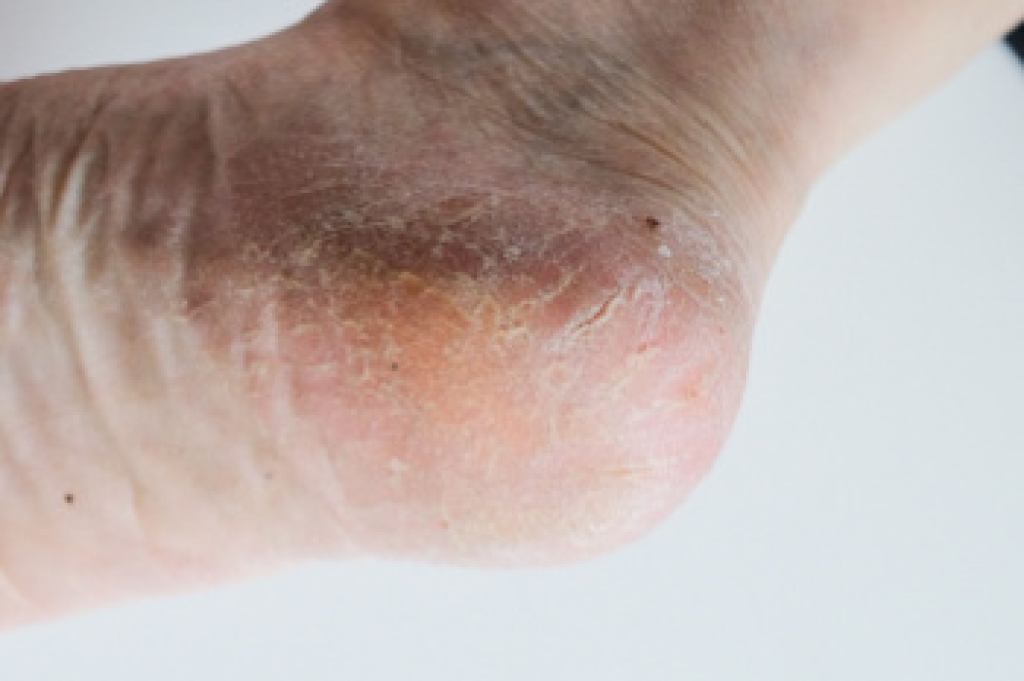
Causes of Cracked Heels

Cracked heels can result from various factors, including dietary deficiencies. Insufficient intake of essential vitamins like A, C, and E, as well as minerals such as zinc and iron, can contribute to dry, flaky skin prone to cracking. A diet lacking in omega-3 fatty acids may also impair skin hydration and elasticity, causing heel fissures. Additionally, dehydration plays a critical role, as inadequate water intake reduces skin moisture, making heels more susceptible to cracking. Other causes include prolonged standing or walking barefoot, which increases pressure on the heels, and wearing open-back shoes that fail to support the heel adequately. Cracked heels can be painful and unsightly. If you have developed this condition, it is suggested that you consult a podiatrist who can provide effective treatment solutions, which often includes prescribed medication.

Cracked heels are unsightly and can cause further damage to your shoes and feet. If you have any concerns, contact one of our podiatrists from East Ocean Podiatry . Our doctors can provide the care you need to keep you pain-free and on your feet.

Cracked Heels

Cracked heels appear unappealing and can make it harder for you walk around in sandals. Aside from looking unpleasant, cracked heels can also tear stockings, socks, and wear out your shoes. There are several methods to help restore a cracked heel and prevent further damage.

How Do You Get Them?

Dry skin is the number one culprit in creating cracked heels. Many athletes, walkers, joggers, and even swimmers suffer from cracked heels. Age and skin oil production play a role to getting cracked heels as well.

Promote Healing

Over the counter medicines can help, especially for those that need instant relief or who suffer from chronic dry feet.

Wear Socks – Wearing socks with medicated creams helps lock in moisture.

Moisturizers – Applying both day and night will help alleviate dryness which causes cracking.

Pumice Stones – These exfoliate and remove dead skin, which allows for smoother moisturizer application and better absorption into the skin. 

Change in Diet

Eating healthy with a well-balanced diet will give the skin a fresh and radiant look. Your body responds to the kinds of food you ingest. Omega-3 fatty acids and zinc supplements can also revitalize skin tissue.

Most importantly, seek professional help if unsure how to proceed in treating cracked heels. A podiatrist will help you with any questions or information needed. 

If you have any questions, please feel free to contact our office located in Deerfield Beach, FL . We offer the newest diagnostic and treatment technologies for all your foot care needs.

Read more about Solutions for Cracked Heels

Charcot-Marie-Tooth Disease Affects Feet

Charcot-Marie-Tooth, or CMT, disease is a hereditary condition that affects the ability of the peripheral nerves to communicate with the muscles, joints, and skin. A progressive condition, Charcot-Marie-Tooth disease affects the lower extremities first, leading to muscle weakness and atrophy, particularly in the legs and feet. Symptoms such as balance difficulties, high foot arches, twisted ankles, and foot slapping can make walking and finding appropriate footwear challenging. With no cure available, managing CMT involves stretching and exercise techniques to preserve muscle strength and flexibility, while orthotic devices and braces can provide much-needed support for improved mobility. In severe cases, surgery might be necessary to correct bone deformities. Consulting a podiatrist can be particularly beneficial in managing CMT-related foot issues, offering personalized treatments and recommendations to enhance quality of life. If you are suffering from a rare foot condition, such as CMT, it is suggested that you schedule an appointment with a podiatrist for guidance in managing its symptoms.


Some foot conditions may require additional professional care. If you have any concerns, contact one of our podiatrists of East Ocean Podiatry . Our doctors can provide the care you need to keep you pain-free and on your feet.

Rare Foot Conditions

The majority of foot conditions are common and can be treated by a podiatrist.  Standard diagnostic procedures are generally used to identify specific conditions and treatment can be rendered. A podiatrist also treats rare foot conditions which can be difficult to diagnose and may need extra attention and care. 

There are many rare foot conditions that can affect children. Some of these can include:

  • Freiberg’s disease
  • Kohler’s disease
  • Maffucci syndrome

Freiberg’s disease - This can be seen as a deterioration and flattening of a metatarsal bone that exists in the ball of the foot. It typically affects pre-teen and teenage girls, but can affect anyone at any age. Symptoms that can accompany this can be swelling, stiffness, and the patient may limp. 

Kohler’s disease - This often targets the bone in the arch of the foot and affects younger boys. It can lead to an interruption of the blood supply which ultimately can lead to bone deterioration. The patient may limp or experience tenderness, swelling, and redness.

Maffucci syndrome - This affects the long bones in a child’s foot leading to the development of abnormal bone lesions. They are benign growths and typically develop in early childhood and the bones may be susceptible to breaking. 

A podiatrist can properly diagnose and treat all types of rare foot conditions. If your child is affected by any of these symptoms or conditions, please don’t hesitate to call our office so the correct treatment method can begin.

If you have any questions, please feel free to contact our office located in Deerfield Beach, FL . We offer the newest diagnostic and treatment technologies for all your foot care needs.

Read more about Rare Foot Conditions

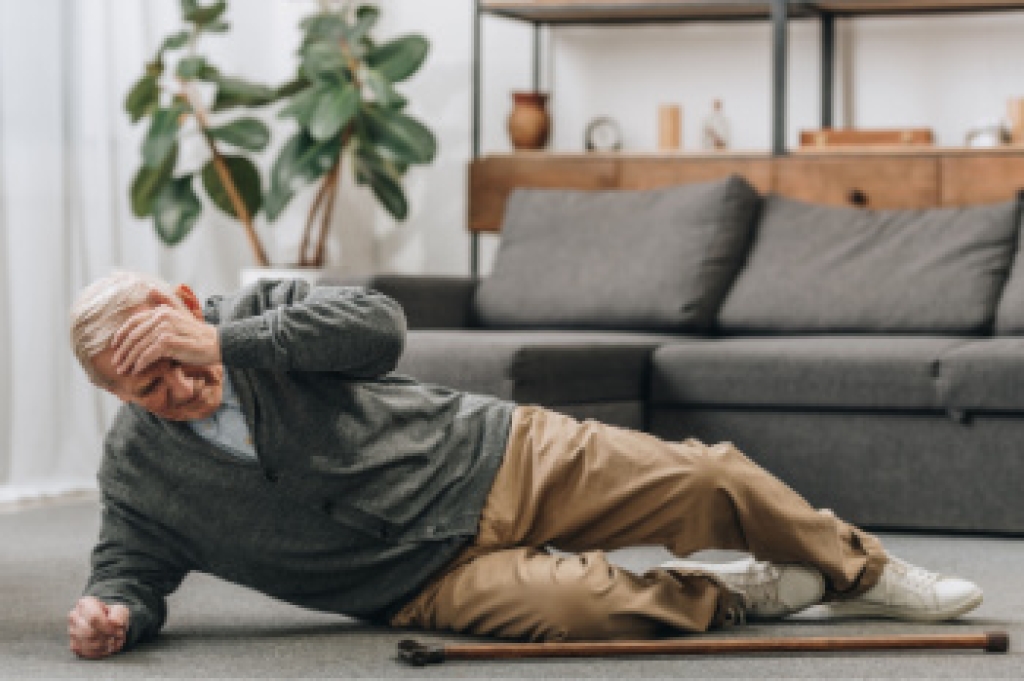
Improving Balance Helps to Avoid Falls

As people age, maintaining balance becomes increasingly vital to prevent falls, a common and potentially serious issue for seniors. Factors such as poor posture, lack of exercise, and inadequate diet can contribute to balance problems. Improving balance not only reduces the risk of falls but also alleviates the fear of falling, a condition that can hinder daily activities and diminish quality of life. Engaging in gentle exercises, such as standing on one leg while holding onto a chair, can significantly enhance balance. Joining exercise classes can further strengthen core muscles and improve stability. Additionally, practicing heel-to-toe walking helps to develop inner leg muscles, which is essential for maintaining balance. Consistency in these activities supports better bone health. However, it is essential to exercise safely by using sturdy supports or attending classes with certified instructors. Always consult your medical advisor before starting any new exercise regimen and be mindful of how medications might impact your balance. It is suggested that you schedule an appointment with a podiatrist for more guidance on how to improve your balance and prevent falls.

Preventing falls among the elderly is very important. If you are older and have fallen or fear that you are prone to falling, consult with one of our podiatrists from East Ocean Podiatry . Our doctors will assess your condition and provide you with quality advice and care.

Every 11 seconds, an elderly American is being treated in an emergency room for a fall related injury. Falls are the leading cause of head and hip injuries for those 65 and older. Due to decreases in strength, balance, senses, and lack of awareness, elderly persons are very susceptible to falling. Thankfully, there are a number of things older persons can do to prevent falls.

How to Prevent Falls

Some effective methods that older persons can do to prevent falls include:

  • Enrolling in strength and balance exercise program to increase balance and strength
  • Periodically having your sight and hearing checked
  • Discuss any medications you have with a doctor to see if it increases the risk of falling
  • Clearing the house of falling hazards and installing devices like grab bars and railings
  • Utilizing a walker or cane
  • Wearing shoes that provide good support and cushioning
  • Talking to family members about falling and increasing awareness

Falling can be a traumatic and embarrassing experience for elderly persons; this can make them less willing to leave the house, and less willing to talk to someone about their fears of falling. Doing such things, however, will increase the likelihood of tripping or losing one’s balance. Knowing the causes of falling and how to prevent them is the best way to mitigate the risk of serious injury.  

If you have any questions, please feel free to contact our office located in Deerfield Beach, FL . We offer the newest diagnostic and treatment technologies for all your foot care needs.

Read more about Falls Prevention

Connect With Us