Typical Causes of Heel Pain

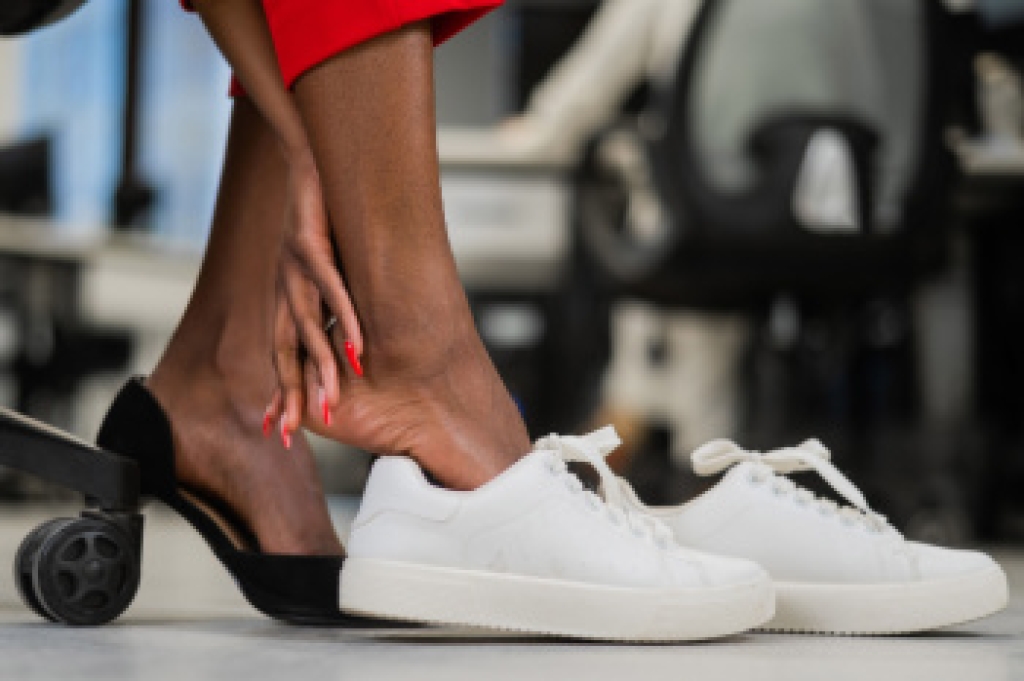
Heel pain can affect people of all ages and activity levels. It often stems from issues like plantar fasciitis, heel spurs, Achilles tendonitis, or bursitis. Plantar fasciitis, a leading cause of heel pain, occurs when the ligament supporting the foot's arch becomes inflamed due to overuse or stress. Similarly, heel spurs, which are bony growths at the bottom or back of the heel, may develop from prolonged strain on the plantar fascia. Inflammation of the Achilles tendon causes pain at the back of the heel where it connects the calf muscle to the heel bone. It is often triggered by repetitive activities or wearing poorly supportive footwear. Bursitis, or inflammation of the fluid-filled sacs that cushion the heel, can result from friction or underlying conditions like arthritis. A podiatrist can identify the root cause of heel pain by conducting a physical examination and ordering X-rays and digital imaging tests, if needed. If you are experiencing chronic or extreme heel pain, it is suggested that you schedule an appointment with a podiatrist for a diagnosis and treatment.

Many people suffer from bouts of heel pain. For more information, contact one of our podiatrists of East Ocean Podiatry . Our doctors can provide the care you need to keep you pain-free and on your feet.

Causes of Heel Pain

Heel pain is often associated with plantar fasciitis. The plantar fascia is a band of tissues that extends along the bottom of the foot. A rip or tear in this ligament can cause inflammation of the tissue.

Achilles tendonitis is another cause of heel pain. Inflammation of the Achilles tendon will cause pain from fractures and muscle tearing. Lack of flexibility is also another symptom.

Heel spurs are another cause of pain. When the tissues of the plantar fascia undergo a great deal of stress, it can lead to ligament separation from the heel bone, causing heel spurs.

Why Might Heel Pain Occur?

  • Wearing ill-fitting shoes                
  • Wearing non-supportive shoes
  • Weight change           
  • Excessive running

Treatments

Heel pain should be treated as soon as possible for immediate results. Keeping your feet in a stress-free environment will help. If you suffer from Achilles tendonitis or plantar fasciitis, applying ice will reduce the swelling. Stretching before an exercise like running will help the muscles. Using all these tips will help make heel pain a condition of the past.

If you have any questions, please feel free to contact our office located in Deerfield Beach, FL . We offer the newest diagnostic and treatment technologies for all your foot care needs.

Read more about Heel Pain

Do Your Child's Feet Hurt?

Have your child's feet been examined lately? Healthy feet are happy feet. If your child is complaining of foot pain, it may be a sign of underlying problems.

Improving Foot Health

Podiatrists play a vital role in maintaining and improving foot health through comprehensive assessments and tailored care. During an exam, these doctors evaluate the structure, alignment, and function of the feet, looking for issues like abnormal gait, skin changes, or signs of underlying conditions. They assess footwear choices and advise on proper shoe fit to prevent problems like bunions or calluses. For those with specific conditions like diabetes, podiatrists focus on preventing complications by examining the skin and checking circulation and nerve function. If issues like nail infections, corns, or chronic pain are present, podiatrists provide targeted treatments, which may include orthotics, wound care, or recommendations for daily foot care routines. If you would like to make sure you are tending to proper foot care or if you have specific concerns about your feet or ankles, it is suggested that you schedule regular appointments with a podiatrist who can monitor changes over time, address any emerging concerns, and promote long-term foot health.

Everyday foot care is very important to prevent infection and other foot ailments. If you need your feet checked, contact one of our podiatrists from East Ocean Podiatry . Our doctors can provide the care you need to keep you pain-free and on your feet.

Everyday Foot Care

Often, people take care of their bodies, face and hair more so than they do for their feet. But the feet are a very important aspect of our bodies, and one that we should pay more attention to. Without our feet, we would not be able to perform most daily tasks.

It is best to check your feet regularly to make sure there are no new bruises or cuts that you may not have noticed before. For dry feet, moisturizer can easily be a remedy and can be applied as often as necessary to the affected areas. Wearing shoes that fit well can also help you maintain good foot health, as well as making it easier to walk and do daily activities without the stress or pain of ill-fitting shoes, high heels, or even flip flops. Wearing clean socks with closed shoes is important to ensure that sweat and bacteria do not accumulate within the shoe. Clean socks help to prevent Athlete’s foot, fungi problems, bad odors, and can absorb sweat.

If you have any questions, please feel free to contact our office located in Deerfield Beach, FL . We offer the newest diagnostic and treatment technologies for all your foot care needs.
Read more about Every Day Foot Care

Using a Brannock Device to Measure Feet

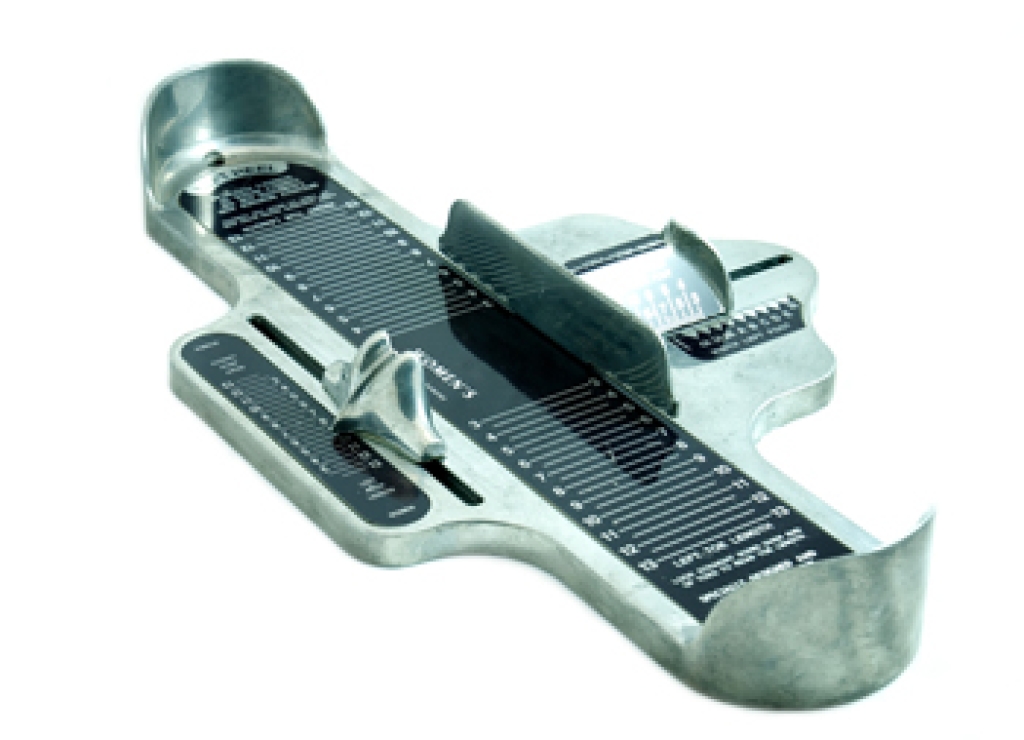
Measuring feet correctly using a Brannock device ensures that shoes fit properly, providing comfort and reducing the risk of foot problems. Begin by having the person stand upright with their weight evenly distributed on both feet. Place the Brannock device under the feet with the heel against the heel cup. Slide the arch gauge so that it rests just under the arch of the foot, ensuring it is snug but not tight. The length measurement is taken by sliding the heel piece to the back of the heel and reading the number on the scale. For width, use the sidebars to measure across the widest part of the foot, typically around the ball. Repeat the process for both feet, as one foot may be slightly larger than the other. These accurate measurements help in selecting the right shoe size for optimal fit and comfort. Wearing shoes that do not fit correctly can cause foot pain. If this has happened to you, it is suggested that you consult a podiatrist who can offer you treatment solutions and guide you on how to obtain the right shoe size.

It is important to find shoes that fit you properly in order to avoid a variety of different foot problems. For more information about treatment, contact one of our podiatrists from East Ocean Podiatry . Our doctors will treat your foot and ankle needs.

Proper Shoe Fitting

Shoes have many different functions. They cushion our body weight, protect our feet, and allow us to safely play sports. You should always make sure that the shoes you wear fit you properly in order to avoid injuries and deformities such as: bunions, corns, calluses, hammertoes, plantar fasciitis, stress fractures, and more. It is important to note that although a certain pair of shoes might be a great fit for someone else, that doesn’t mean they will be a great fit for you. This is why you should always try on shoes before buying them to make sure they are worth the investment. Typically, shoes need to be replaced ever six months to one year of regular use.

Tips for Proper Shoe Fitting

  • Select a shoe that is shaped like your foot
  • Don’t buy shoes that fit too tight, expecting them to stretch to fit
  • Make sure there is enough space (3/8” to ½”) for your longest toe at the end of each shoe when you are standing up
  • Walk in the shoes to make sure they fit and feel right
  • Don’t select shoes by the size marked inside the shoe, but by how the shoe fits your foot

The shoes you buy should always feel as good as they look. Shoes that fit properly will last longer, feel better, and improve your way of life each day.

If you have any questions please contact our office located in Deerfield Beach, FL . We offer the newest diagnostic and treatment technologies for all your foot and ankle needs.

Read more about How to Get a Proper Shoe Fit

Definition and Risk Factors of Clubfoot

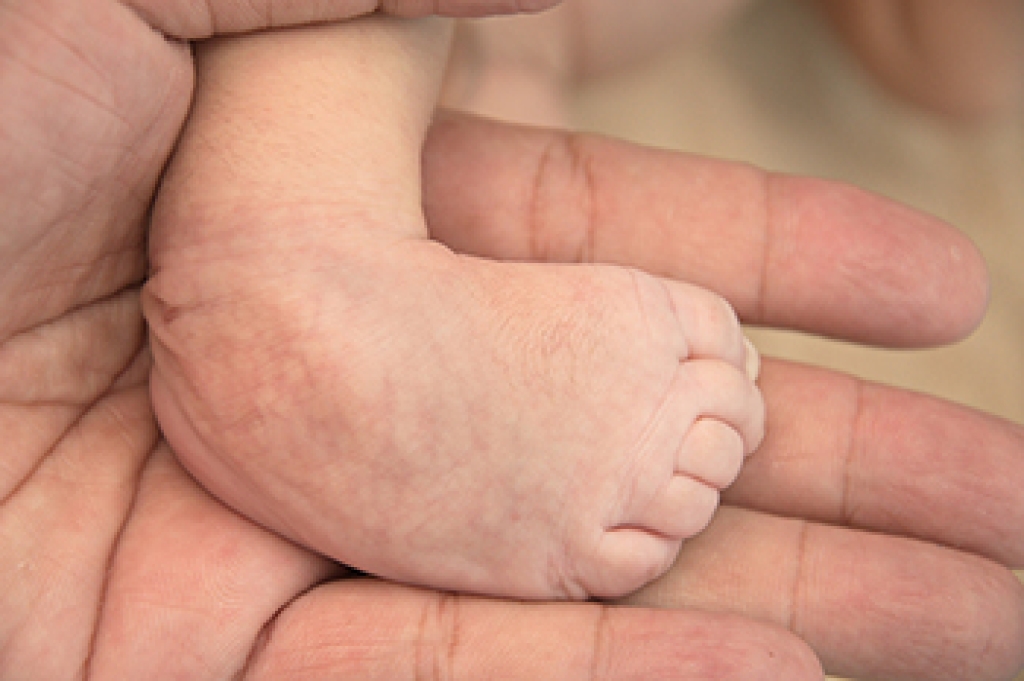
Clubfoot is a congenital condition characterized by a foot that is twisted out of shape or position, often causing the affected foot to appear smaller and turned inward. The condition arises during fetal development and is primarily caused by a shortened Achilles tendon, which limits the foot's range of motion. While the exact cause of clubfoot remains unknown, several risk factors may increase its likelihood. These include a family history of clubfoot, certain maternal conditions like diabetes, and environmental factors during pregnancy. The condition affects boys more frequently than girls and can occur in one or both feet. Early diagnosis and intervention are essential for effective treatment, typically involving gentle stretching exercises, bracing, or, in more severe cases, surgery. If your child has been born with clubfoot, it is suggested that you include a podiatrist on your team of healthcare professionals who can effectively treat this condition.

Congenital foot problems require immediate attention to avoid future complications. If you have any concerns, contact one of our podiatrists of East Ocean Podiatry . Our doctors can provide the care you need to keep you pain-free and on your feet.

Congenital foot problems are deformities affecting the feet, toes, and/or ankles that children are born with. Some of these conditions have a genetic cause while others just happen. Some specific foot ailments that children may be born with include clubfeet, polydactyly/macrodactyly, and cleft foot. There are several other foot anomalies that can occur congenitally. What all of these conditions have in common is that a child may experience difficulty walking or performing everyday activities, as well as trouble finding footwear that fits their foot deformity. Some of these conditions are more serious than others. Consulting with a podiatrist as early as possible will help in properly diagnosing a child’s foot condition while getting the necessary treatment underway.

What are Causes of Congenital Foot Problem?

A congenital foot problem is one that happens to a child at birth. These conditions can be caused by a genetic predisposition, developmental or positional abnormalities during gestation, or with no known cause.

What are Symptoms of Congenital Foot Problems?

Symptoms vary by the congenital condition. Symptoms may consist of the following:

  • Clubfoot, where tendons are shortened, bones are shaped differently, and the Achilles tendon is tight, causing the foot to point in and down. It is also possible for the soles of the feet to face each other.
  • Polydactyly, which usually consists of a nubbin or small lump of tissue without a bone, a toe that is partially formed but has no joints, or an extra toe.
  • Vertical talus, where the talus bone forms in the wrong position causing other bones in the foot to line up improperly, the front of the foot to point up, and the bottom of the foot to stiffen, with no arch, and to curve out.
  • Tarsal coalition, when there is an abnormal connection of two or more bones in the foot leading to severe, rigid flatfoot.
  • Cleft foot, where there are missing toes, a V-shaped cleft, and other anatomical differences.
  • Macrodactyly, when the toes are abnormally large due to overgrowth of the underlying bone or soft tissue.

Treatment and Prevention

While there is nothing one can do to prevent congenital foot problems, raising awareness and receiving neonatal screenings are important. Early detection by taking your child to a podiatrist leads to the best outcome possible.

If you have any questions, please feel free to contact our office located in Deerfield Beach, FL . We offer the newest diagnostic and treatment technologies for all your foot care needs.
Read more about Congenital Foot Problems

How Weight Can Affect Your Feet

Carrying excess weight can significantly impact your feet, leading to a variety of foot-related problems. Extra body weight places added pressure on the feet, especially on the joints, tendons, and ligaments, which can lead to discomfort, inflammation, and overuse injuries. Conditions such as plantar fasciitis, heel spurs, and arthritis are often more prevalent in people with higher body weight. Obesity is also linked to lower arches and pronated foot posture, which further increases stress on the feet and contributes to pain. A podiatrist can recommend supportive footwear, prescribe custom orthotics, and suggest specific exercises to alleviate pain and prevent further damage. Additionally, this foot doctor can monitor your foot health and offer guidance on lifestyle changes that could lessen strain on the feet. If you have foot problems that may be related to carrying extra weight, it is suggested that you schedule an appointment with a podiatrist for an exam and treatment.

Obesity has become very problematic at this point in time and can have extremely negative effects on the feet. If you’re an obese individual and are concerned about your feet, contact one of our podiatrists from East Ocean Podiatry . Our doctors can provide the care you need to keep you pain-free and on your feet.

Obesity and Your Feet

Since your feet are what support your entire weight when standing, any additional weight can result in pain and swelling. Being overweight is one of the main contributors to foot complications.

Problems & Complications

Extra Weight – Even putting on just a few extra pounds could create serious complications for your feet. As your weight increases, your balance and body will shift, creating new stresses on your feet. This uneven weight distribution can cause pain, even while doing the simplest tasks, such as walking.

Diabetes – People who are overweight are at serious risk of developing type-2 diabetes, which has a drastic impact on the health of your feet. As you get older, your diabetes might worsen, which could lead to loss of feeling in your feet, sores, and bruises. You could also become more prone to various infections.

Plantar fasciitis – Pressure and stress that is placed on muscles, joints, and tendons can trigger plantar fasciitis, which is an inflammation of tissue that forms along the bottom of the foot. 

If you have any questions, please feel free to contact our office located in Deerfield Beach, FL . We offer the newest diagnostic and treatment technologies for all your foot care needs.

Read more about How Obesity Affects Your Feet

Why Live with Pain and Numbness in Your Feet?

Suffering from this type of pain? You may have the foot condition known as Morton's neuroma. Morton's neuroma may develop as a result of ill-fitting footwear and existing foot deformities. We can help.

Causes of Ankle Pain When Walking

Ankle pain when walking can have several causes, ranging from injury to underlying medical conditions. Common injuries like sprains or strains occur when ligaments or muscles in the ankle are overstretched or torn, often from twisting or rolling the ankle. Ankle bruising, fractures, or breaks can also result in significant discomfort, especially when weight is placed on the joint. Conditions such as osteoarthritis and gout can lead to chronic ankle pain. Osteoarthritis pain is the result of cartilage breakdown between the bones, while gout is inflammation caused by the buildup of uric acid crystals in the ankle joint. A podiatrist can diagnose the cause of ankle pain and offer appropriate treatment options. If you experience ankle pain when you walk, it is suggested that you schedule an appointment with a podiatrist for an evaluation and treatment.

Ankle pain can have many different causes and the pain may potentially be serious. If you have ankle pain, consult with one of our podiatrists from East Ocean Podiatry . Our doctors will assess your condition and provide you with quality foot and ankle treatment.

Ankle pain is any condition that causes pain in the ankle. Due to the fact that the ankle consists of tendons, muscles, bones, and ligaments, ankle pain can come from a number of different conditions.

Causes

The most common causes of ankle pain include:

  • Types of arthritis (rheumatoid, osteoarthritis, and gout)
  • Ankle sprains
  • Broken ankles
  • Achilles tendinitis
  • Achilles tendon rupture
  • Stress fractures
  • Tarsal tunnel syndrome
  • Plantar fasciitis

Symptoms

Symptoms of ankle injury vary based upon the condition. Pain may include general pain and discomfort, swelling, aching, redness, bruising, burning or stabbing sensations, and/or loss of sensation.

Diagnosis

Due to the wide variety of potential causes of ankle pain, podiatrists will utilize a number of different methods to properly diagnose ankle pain. This can include asking for personal and family medical histories and of any recent injuries. Further diagnosis may include sensation tests, a physical examination, and potentially x-rays or other imaging tests.

Treatment

Just as the range of causes varies widely, so do treatments. Some more common treatments are rest, ice packs, keeping pressure off the foot, orthotics and braces, medication for inflammation and pain, and surgery.

If you have any questions please feel free to contact our office located in Deerfield Beach, FL . We offer the newest diagnostic tools and technology to treat your foot and ankle needs.

Read more about Various Causes of Ankle Pain

Blister Prevention Methods for Active Lifestyles

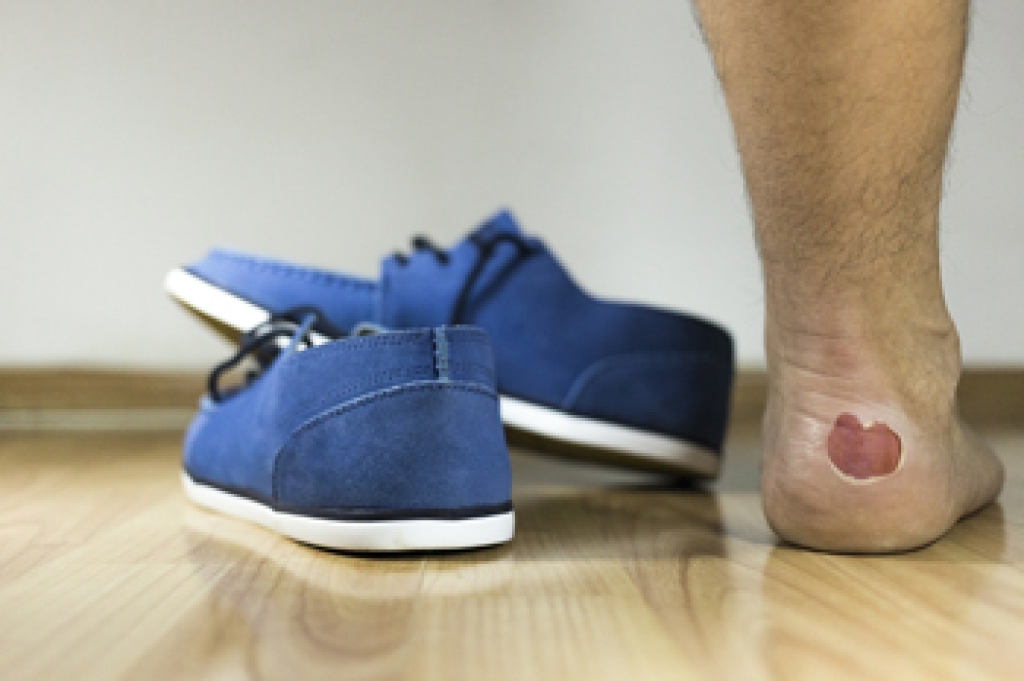
Blisters are common nuisances that can hinder an active lifestyle, but several effective prevention methods can help keep them at bay. One of the most important strategies is wearing properly fitted shoes that provide adequate support and cushioning. It is important to choose footwear that accommodates the shape of your feet, reducing friction and pressure points. Using moisture-wicking socks can also minimize the risk of blisters, as they help keep feet dry and reduce friction. Applying blister prevention products, such as protective adhesive bandages or lubricants, can create a barrier between the skin and footwear. Additionally, gradually breaking in new shoes allows your feet to adapt, reducing the likelihood of irritation. Foot blisters can be uncomfortable, causing difficulty in completing daily activities. If you have developed a foot blister that has become infected, it is suggested that you promptly consult a podiatrist who can provide adequate relief, and educate you on additional prevention methods.

Blisters are prone to making everyday activities extremely uncomfortable. If your feet are hurting, contact one of our podiatrists of East Ocean Podiatry . Our doctors can provide the care you need to keep you pain-free and on your feet.

Foot Blisters

Foot blisters develop as a result of constantly wearing tight or ill-fitting footwear. This happens due to the constant rubbing from the shoe, which can often lead to pain.

What Are Foot Blisters?

A foot blister is a small fluid-filled pocket that forms on the upper-most layer of the skin. Blisters are filled with clear fluid and can lead to blood drainage or pus if the area becomes infected.

How Do Blisters Form?

Blisters on the feet are often the result of constant friction of skin and material, usually by shoe rubbing. Walking in sandals, boots, or shoes that don’t fit properly for long periods of time can result in a blister. Having consistent foot moisture and humidity can easily lead to blister formation.

Prevention & Treatment

It is important to properly care for the affected area in order to prevent infection and ease the pain. Do not lance the blister and use a Band-Aid to provide pain relief. Also, be sure to keep your feet dry and wear proper fitting shoes. If you see blood or pus in a blister, seek assistance from a podiatrist.

If you have any questions, please feel free to contact our office located in Deerfield Beach, FL . We offer the newest diagnostic and treatment technologies for all your foot care needs.

Read more about Blisters on the Feet

Common Foot and Ankle Injuries in Pickleball

Pickleball, while a fun and engaging sport, can lead to various foot and ankle injuries due to its fast-paced nature and quick movements. One common injury is an ankle sprain, which often occurs when players twist or land awkwardly during play, resulting in pain and swelling. Another frequent pickleball injury is plantar fasciitis, characterized by heel pain that develops from repetitive stress and strain on the plantar fascia. Achilles tendonitis can also arise from overuse, causing discomfort at the back of the heel. Additionally, blisters and calluses may develop due to friction from quick lateral movements and improper footwear. If you have suffered a foot or ankle injury from playing pickleball, it is suggested that you consult a podiatrist who can treat these conditions and guide you on effective injury prevention techniques.

Ankle and foot injuries are common among athletes and in many sports. They can be caused by several problems and may be potentially serious. If you are feeling pain or think you were injured in a sporting event or when exercising, consult with one of our podiatrists from East Ocean Podiatry . Our doctors will assess your condition and provide you with quality foot and ankle treatment.

Common Injuries

The most common injuries that occur in sporting activities include:

  • Achilles Tendonitis
  • Achilles Tendon Rupture
  • Ankle Sprains
  • Broken Foot
  • Plantar Fasciitis
  • Stress Fractures
  • Turf Toe

Symptoms

Symptoms vary depending upon the injury and in some cases, there may be no symptoms at all. However, in most cases, some form of symptom is experienced. Pain, aching, burning, bruising, tenderness, tightness or stiffness, sensation loss, difficulty moving, and swelling are the most common symptoms.

Treatment

Just as symptoms vary depending upon the injury, so do treatment options. A common treatment method is known as the RICE method. This method involves rest, applying ice, compression and elevating the afflicted foot or ankle. If the injury appears to be more serious, surgery might be required, such as arthroscopic or reconstructive surgery. Lastly, rehabilitation or therapy might be needed to gain full functionality in the afflicted area. Any discomfort experienced by an athlete must be evaluated by a licensed, reputable medical professional.  

If you have any questions please contact our office located in Deerfield Beach, FL . We offer the newest diagnostic and treatment technologies for all your foot and ankle needs.

Read more about Sports Related Foot and Ankle Injuries

Connect With Us