The Connection Between Preventing Falls and Footwear

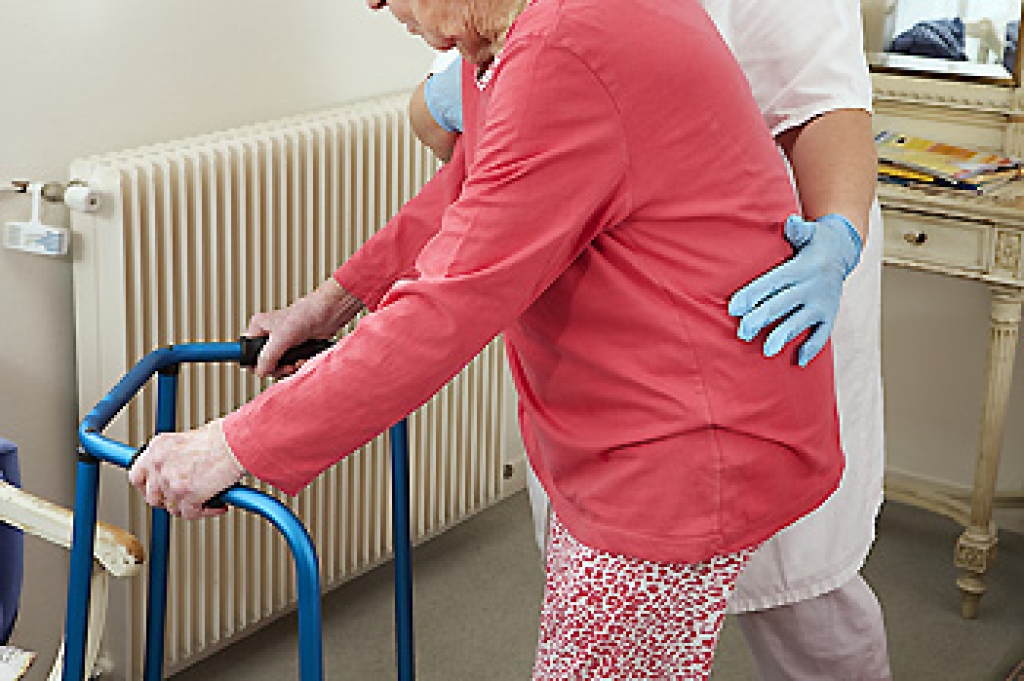
Anytime a senior suffers from a fall or a tumble of some sort, the senior might be susceptible to enduring a serious injury. Oftentimes, falls can result from the wearing of improper footwear. Therefore, if a senior wants to take steps to prevent falls from occurring in the future, they might consider selecting better shoes. For example, if a pair of shoes have a heel that is low and broad, this is typically better than shoes with high, narrow heels. The reason is that low, wide heels can offer a senior more stability, ultimately reducing the risk of falling. Additionally, seniors might consider wearing shoes that have tools to keep the shoe on the foot, such as buckles, laces, or velcro. When a shoe does not have any of these features, there can be a poor fixation, making a fall more likely. If you are a senior, don’t take chances with your health or the health of your feet. See a podiatrist today for more information.

Preventing falls among the elderly is very important. If you are older and have fallen or fear that you are prone to falling, consult with one of our podiatrists from East Ocean Podiatry . Our doctors will assess your condition and provide you with quality advice and care.

Every 11 seconds, an elderly American is being treated in an emergency room for a fall related injury. Falls are the leading cause of head and hip injuries for those 65 and older. Due to decreases in strength, balance, senses, and lack of awareness, elderly persons are very susceptible to falling. Thankfully, there are a number of things older persons can do to prevent falls.

How to Prevent Falls

Some effective methods that older persons can do to prevent falls include:

  • Enrolling in strength and balance exercise program to increase balance and strength
  • Periodically having your sight and hearing checked
  • Discuss any medications you have with a doctor to see if it increases the risk of falling
  • Clearing the house of falling hazards and installing devices like grab bars and railings
  • Utilizing a walker or cane
  • Wearing shoes that provide good support and cushioning
  • Talking to family members about falling and increasing awareness

Falling can be a traumatic and embarrassing experience for elderly persons; this can make them less willing to leave the house, and less willing to talk to someone about their fears of falling. Doing such things, however, will increase the likelihood of tripping or losing one’s balance. Knowing the causes of falling and how to prevent them is the best way to mitigate the risk of serious injury.  

If you have any questions, please feel free to contact our office located in Deerfield Beach, FL . We offer the newest diagnostic and treatment technologies for all your foot care needs.
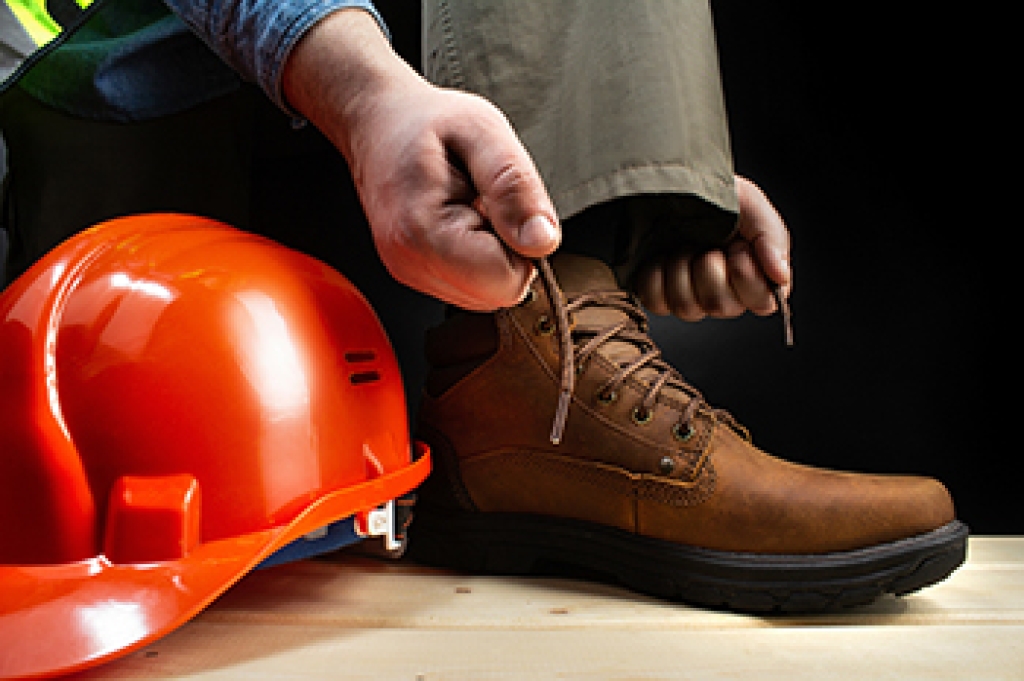

Read more about Falls Prevention

Standing on Your Feet All Day Can Pose Health Risks

People who stand on their feet for work all day often suffer from aches and pains at the end of the day, and long-term health consequences can result. Nursing, food service, construction, and retail are examples of professions where this is often required. Some health conditions that can come on from prolonged standing are excess pressure on the joints, arthritis, swelling of the feet, plantar fasciitis, bunions, and corns. It can also lead to cardiovascular disease as excess standing alters the flow of blood to the lower extremities and puts a strain on the circulatory system. If you work in an occupation where you stand for long periods of time, make sure you wear well fitting, supportive shoes. Consider compression socks as well. Take regular breaks and pay attention to posture. Also, it is suggested that you also see a podiatrist who can provide valuable pointers on how to be more comfortable on the job if you stand all day. 

While working on the feet, it is important to take the proper care of them. For more information about working on your feet, contact one of our podiatrists from East Ocean Podiatry . Our doctors will treat your foot and ankle needs.

Working on Your Feet

Standing on your feet for long periods of time can cause stress and pain in your feet. Your whole body may experience change in terms of posture, back pain, bunions, callouses and or plantar warts. There are ways to avoid these conditions with proper foot care, smart choices and correct posture.

Positive Changes

Negative heeled shoe – Choosing this shoe type places the heel slightly lower than the ball of the foot. These are great for overall foot health. Find shoes that fit you correctly.

Go barefoot – Our feet were not designed to be enclosed for all hours of the day. Try to periodically expose your feet to air.

Eliminate Pain

Foot Exercises – Performing simple exercises, incorporating yoga and doing stretches are beneficial. This will allow increased blood flow to the area and muscles of the foot.

Achilles tendon – Stretching the foot out flat on the floor will relax the calf muscles and tendon. These exercises can be performed almost anywhere. Make sure you add these exercises to your daily regimen. 

With a little bit of this information and knowing more about foot health, you will notice changes. Foot stretches and proper footwear will help with pain and prevent further issues.

If you have any questions please contact our office located in Deerfield Beach, FL . We offer the newest diagnostic and treatment technologies for all your foot and ankle needs.

Read more about Working on Your Feet

Plantar Warts Can Be Treated!

Plantar warts are small growths that develop on parts of the feet that bear weight. They're typically found on the bottom of the foot. Don't live with plantar warts, and call us today!

How Do the Toe Joints Work?

Many bones throughout the body are situated near joints, which allow the bones to move and the body to function. The toes are no different. Each toe in the feet has different joints that make movement possible and serve important functions. Every toe but the big toe has three joints, which are known as the metatarsophalangeal joint, the proximal interphalangeal joint, and the distal phalangeal joint. The big toe has only two joints. These joints in the toes are protected by several different things. Each joint is covered by cartilage and a membrane that produces a kind of fluid for lubrication. These joints are critical parts of the feet because they importantly enable the feet to bear a significant amount of weight and propel the body forward. If you are interested in learning more about the joints of the toes, contact a podiatrist today.

If you have any concerns about your feet, contact one of our podiatrists from East Ocean Podiatry . Our doctors can provide the care you need to keep you pain-free and on your feet.

Biomechanics in Podiatry

Podiatric biomechanics is a particular sector of specialty podiatry with licensed practitioners who are trained to diagnose and treat conditions affecting the foot, ankle and lower leg. Biomechanics deals with the forces that act against the body, causing an interference with the biological structures. It focuses on the movement of the ankle, the foot and the forces that interact with them.

A History of Biomechanics

  • Biomechanics dates back to the BC era in Egypt where evidence of professional foot care has been recorded.
  • In 1974, biomechanics gained a higher profile from the studies of Merton Root, who claimed that by changing or controlling the forces between the ankle and the foot, corrections or conditions could be implemented to gain strength and coordination in the area.

Modern technological improvements are based on past theories and therapeutic processes that provide a better understanding of podiatric concepts for biomechanics. Computers can provide accurate information about the forces and patterns of the feet and lower legs.

Understanding biomechanics of the feet can help improve and eliminate pain, stopping further stress to the foot.

If you have any questions please feel free to contact our office located in Deerfield Beach, FL . We offer the newest diagnostic and treatment technologies for all your foot and ankle needs.

Read more about The Importance of Biomechanics in Podiatry

Finding the Right Shoe for Trail Running

Runners who run on tracks or other smooth surfaces may have the perfect shoes for that environment. However, if a runner switches to trail running, the old footwear may not fill the requirements. Running experts suggest that trail runners wear shoes that include extra protection against sharp objects and provide soles with extra grip. Lug patterns on the bottom of the sole may differ for runs on muddy or rugged terrain. A wide forefoot in the shoe is important for running long distances or for runners who have wide feet. The weight of the shoe is another factor that must be considered, depending on how far you plan to run. Having a padded collar and tongue can also cushion the feet and provide support. For more information on protecting your feet during a trail run, it might be a good idea to consult with a podiatrist. 

If you are a runner, wearing the right running shoe is essential. For more information, contact one of our podiatrists from East Ocean Podiatry . Our doctors can provide the care you need to keep you pain-free and on your feet.

Choosing the Right Running Shoe for Your Foot Type

To increase performance and avoid the risk of injury, it is important to choose the right running shoe based on your foot type. The general design of running shoes revolves around pronation, which is how the ankle rolls from outside to inside when the foot strikes the ground.

  • Neutral runners are able to choose from a wide variety of shoes, including minimalist shoes or even going barefoot.
  • Runners who overpronate, or experience an over-abundance of ankle rolling, should choose shoes that provide extra motion control and stability.
  • Runners who underpronate, or supinate, have feet that have high arches and lack flexibility, preventing shock absorption. They require shoes with more flexibility and cushion.

If you have any questions, please feel free to contact our office located in Deerfield Beach, FL . We offer the newest diagnostic and treatment technologies for all your foot care needs.
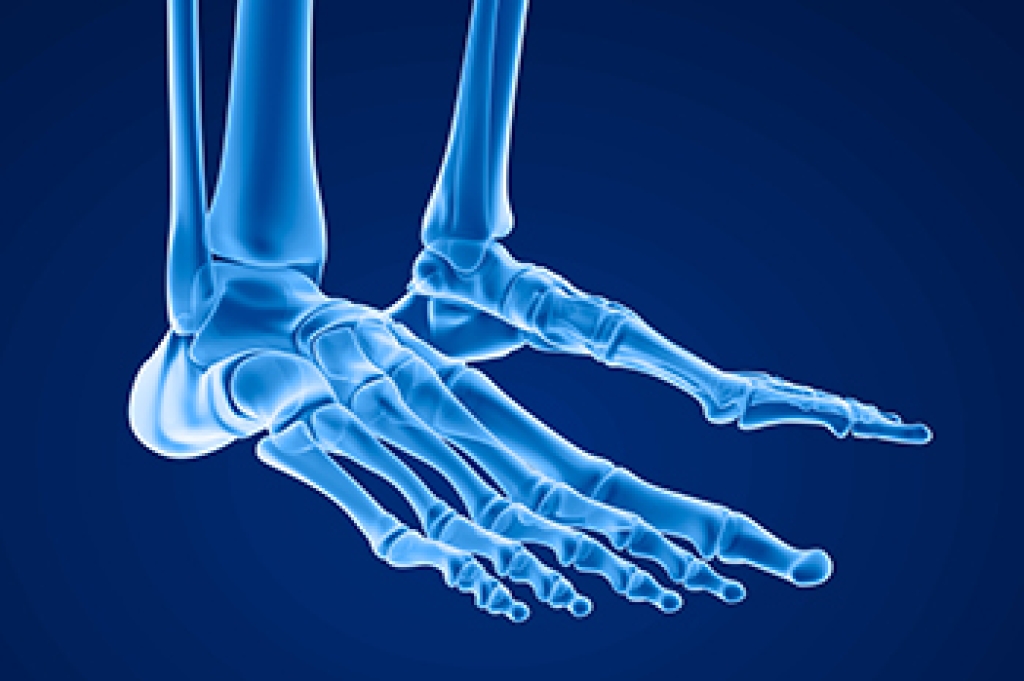
Read more about Choosing the Right Running Shoe for Your Foot Type

Paring Down Foot Corns

Foot corns are just one of the many types of foot conditions that can be of great annoyance to a patient. A corn is a hard, thick spot of skin that typically develops on a person’s foot as the result of friction or pressure. One way in which a medical professional, such as a podiatrist, might attempt to treat persistent corns is by paring down the affected skin. More specifically, a podiatrist can use a scalpel blade to make the skin less thick. In some cases, multiple sessions may be needed for a podiatrist to completely pare down the affected skin. After a corn has been pared down, there is a chance that it may return if the patient does not wear footwear that fits properly. If you have corns, it is recommended that you contact your podiatrist today for treatment.

If you have any concerns regarding your feet and ankles, contact one of our podiatrists of East Ocean Podiatry . Our doctors will treat your foot and ankle needs.

Corns: What Are They? and How Do You Get Rid of Them?
Corns can be described as areas of the skin that have thickened to the point of becoming painful or irritating. They are often layers and layers of the skin that have become dry and rough, and are normally smaller than calluses.

Ways to Prevent Corns
There are many ways to get rid of painful corns such as wearing:

  • Well-fitting socks
  • Comfortable shoes that are not tight around your foot
  • Shoes that offer support

Treating Corns
Treatment of corns involves removing the dead skin that has built up in the specific area of the foot. Consult with Our doctors to determine the best treatment option for your case of corns.

If you have any questions, please feel free to contact our office located in Deerfield Beach, FL . We offer the newest diagnostic and treatment technologies for all your foot care needs.

Read more about Understanding Corns and Calluses

Several Causes of Neuropathy

One of the symptoms that are associated with neuropathy includes a burning sensation in the feet. This can be a result of nerve damage and it can also cause a tingling or numbing feeling. Diabetic patients may develop neuropathy, and this can be from having elevated blood sugar levels. Additionally, other medical conditions can cause neuropathy, such as obesity and high blood pressure. Neuropathy may also affect people who smoke cigarettes and drink excessive alcohol. Many people get fatigued easily when neuropathy is present, which may cause muscle and bone pain. People who have neuropathy can find it difficult and painful to walk and may notice a difference in skin color. Having nutritional deficiencies could result in the development of neuropathy, including vitamins B-12, B-6, and B-9. If you are afflicted with this foot condition, it is strongly advised that you are under the care of a podiatrist who can accurately treat and monitor neuropathy.

Neuropathy

Neuropathy can be a potentially serious condition, especially if it is left undiagnosed. If you have any concerns that you may be experiencing nerve loss in your feet, consult with one of our podiatrists from East Ocean Podiatry . Our doctors will assess your condition and provide you with quality foot and ankle treatment for neuropathy.

What Is Neuropathy?

Neuropathy is a condition that leads to damage to the nerves in the body. Peripheral neuropathy, or neuropathy that affects your peripheral nervous system, usually occurs in the feet. Neuropathy can be triggered by a number of different causes. Such causes include diabetes, infections, cancers, disorders, and toxic substances.

Symptoms of Neuropathy Include:

  • Numbness
  • Sensation loss
  • Prickling and tingling sensations
  • Throbbing, freezing, burning pains
  • Muscle weakness

Those with diabetes are at serious risk due to being unable to feel an ulcer on their feet. Diabetics usually also suffer from poor blood circulation. This can lead to the wound not healing, infections occurring, and the limb may have to be amputated.

Treatment

To treat neuropathy in the foot, podiatrists will first diagnose the cause of the neuropathy. Figuring out the underlying cause of the neuropathy will allow the podiatrist to prescribe the best treatment, whether it be caused by diabetes, toxic substance exposure, infection, etc. If the nerve has not died, then it’s possible that sensation may be able to return to the foot.

Pain medication may be issued for pain. Electrical nerve stimulation can be used to stimulate nerves. If the neuropathy is caused from pressure on the nerves, then surgery may be necessary.

If you have any questions, please feel free to contact our office located in Deerfield Beach, FL . We offer the newest diagnostic and treatment technologies for all your foot care needs.
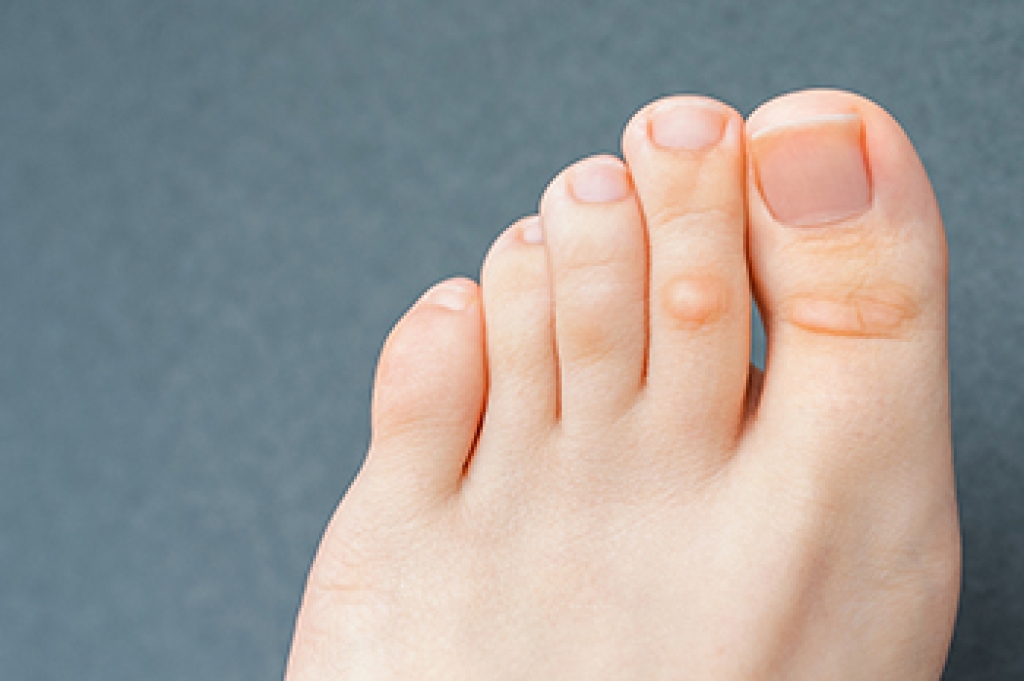
Read more about Neuropathy

Do You Suffer From Painful Feet?

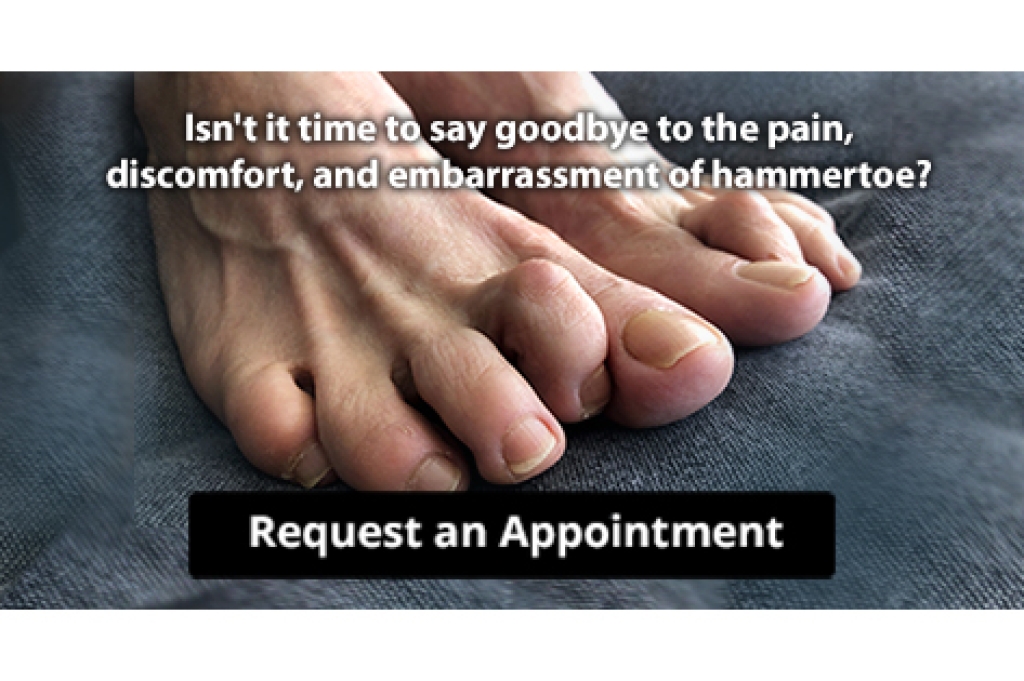
Painful deformities, such as hammertoes, can be treated. Stop living with foot pain, and have beautiful feet again!

Elderly Toenail Fungus

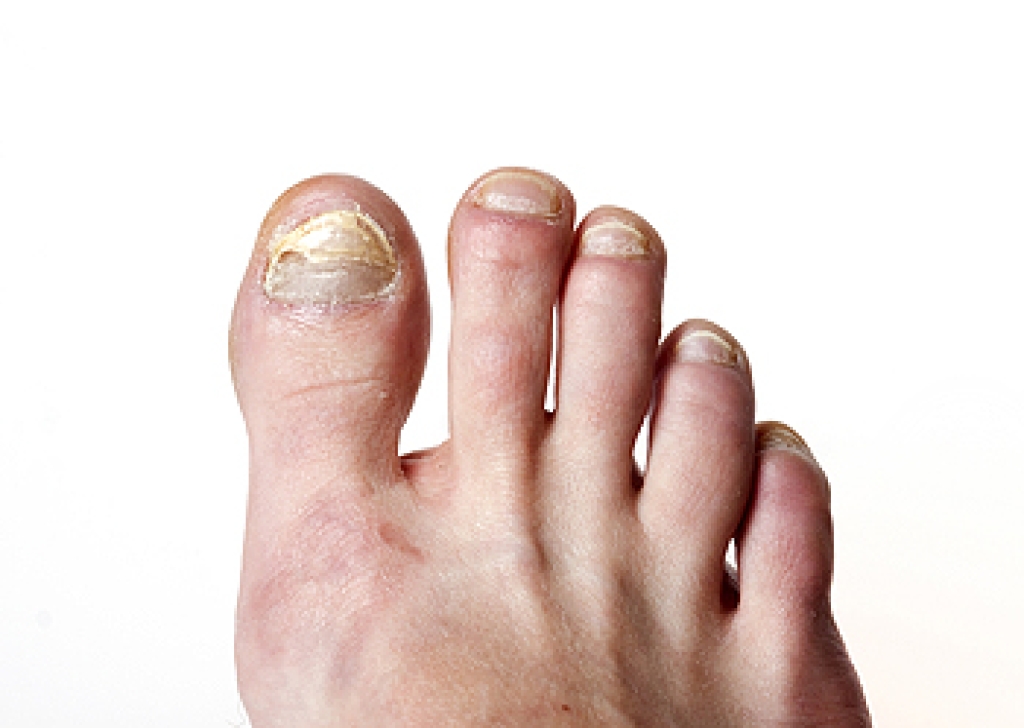
Aging is a risk factor for many diseases. Seniors take more medications, have weaker immune systems, and are more apt to suffer from pre-existing medical conditions, as well as mobility issues. While elderly nail fungus is not generally severe, it can be uncomfortable, and if left untreated, complications such as permanent nail damage or more serious infections can develop. Nail infections are caused by fungal organisms called fungi. These fungi can feed on keratin, present in the nails, hair, and skin. Such infections can also be caused by yeast and mold spores. The fungi get into the skin and nails from direct contact with infected materials, whether from animals, people, or clothes. Elderly nails are more likely to become brittle and have more cracks, and this makes it easier for the organisms to get inside and spread. Toenail fungus is more common than fingernail fungus. Symptoms typically include thick, discolored, brittle and damaged nails, with jagged edges and possibly a bad odor. Pain may also be present. Toenail fungus may be more prevalent in those with diabetes, recurring skin conditions, and circulation problems as these hinder the body’s ability to fight infection. If you are elderly or taking care of someone who has toenail fungus is a concern, contact a podiatrist who can help you with all foot and ankle-related conditions.

If left untreated, toenail fungus may spread to other toenails, skin, or even fingernails. If you suspect you have toenail fungus it is important to seek treatment right away. For more information about treatment, contact one of our podiatrists of East Ocean Podiatry . Our doctors can provide the care you need to keep you pain-free and on your feet.

Symptoms

  • Warped or oddly shaped nails
  • Yellowish nails
  • Loose/separated nail
  • Buildup of bits and pieces of nail fragments under the nail
  • Brittle, broken, thickened nail

Treatment

If self-care strategies and over-the-counter medications does not help your fungus, your podiatrist may give you a prescription drug instead. Even if you find relief from your toenail fungus symptoms, you may experience a repeat infection in the future.

Prevention

In order to prevent getting toenail fungus in the future, you should always make sure to wash your feet with soap and water. After washing, it is important to dry your feet thoroughly especially in between the toes. When trimming your toenails, be sure to trim straight across instead of in a rounded shape. It is crucial not to cover up discolored nails with nail polish because that will prevent your nail from being able to “breathe”.

In some cases, surgical procedure may be needed to remove the toenail fungus. Consult with your podiatrist about the best treatment options for your case of toenail fungus.  

If you have any questions please contact our office located in Deerfield Beach, FL . We offer the newest diagnostic and treatment technologies for all your foot and ankle needs.

Read more about Treating Toenail Fungus

Surgery May Be Necessary for Permanent Relief From an Ingrown Toenail

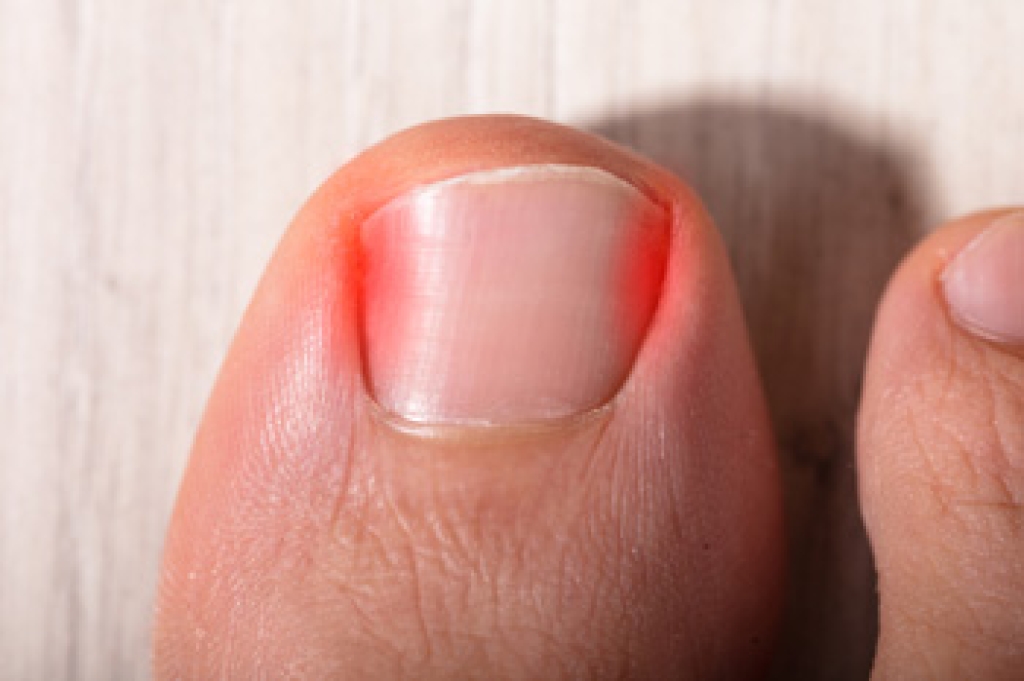
An ingrown toenail is generally a painful foot condition. It has noticeable symptoms, and occurs as a result of the toenail growing into the surrounding skin instead of over it. The affected skin is often swollen and will appear to be red. In severe cases, an infection may set in, possibly causing bleeding. Wearing shoes that do not fit correctly can contribute significantly to developing an ingrown toenail, or it may come from genetic reasons. Many patients notice that the toe feels better when it is soaked in warm water, which can help to soften the skin. This may bring mild temporary relief, but you may ultimately need to visit a podiatrist for permanent relief. To achieve this, surgery may be necessary, and this involves removing the nail border. The purpose of this is to prevent potential damage to the soft tissues. If you have developed an ingrown toenail, it is strongly suggested that you visit a podiatrist as quickly as possible who can offer you correct treatment options, in addition to possibly performing surgery.

Ingrown toenails may initially present themselves as a minor discomfort, but they may progress into an infection in the skin without proper treatment. For more information about ingrown toenails, contact one of our podiatrists of East Ocean Podiatry . Our doctors can provide the care you need to keep you pain-free and on your feet.

Ingrown Toenails

Ingrown toenails are caused when the corner or side of a toenail grows into the soft flesh surrounding it. They often result in redness, swelling, pain, and in some cases, infection. This condition typically affects the big toe and may recur if it is not treated properly.

Causes

  • Improper toenail trimming
  • Genetics
  • Improper shoe fitting
  • Injury from pedicures or nail picking
  • Abnormal gait
  • Poor hygiene

You are more likely to develop an ingrown toenail if you are obese, have diabetes, arthritis, or have any fungal infection in your nails. Additionally, people who have foot or toe deformities are at a higher risk of developing an ingrown toenail.

Symptoms

Some symptoms of ingrown toenails are redness, swelling, and pain. In rare cases, there may be a yellowish drainage coming from the nail.

Treatment

Ignoring an ingrown toenail can have serious complications. Infections of the nail border can progress to a deeper soft-tissue infection, which can then turn into a bone infection. You should always speak with your podiatrist if you suspect you have an ingrown toenail, especially if you have diabetes or poor circulation.

If you have any questions, please feel free to contact our office located in Deerfield Beach, FL . We offer the newest diagnostic and treatment technologies for all your foot care needs.
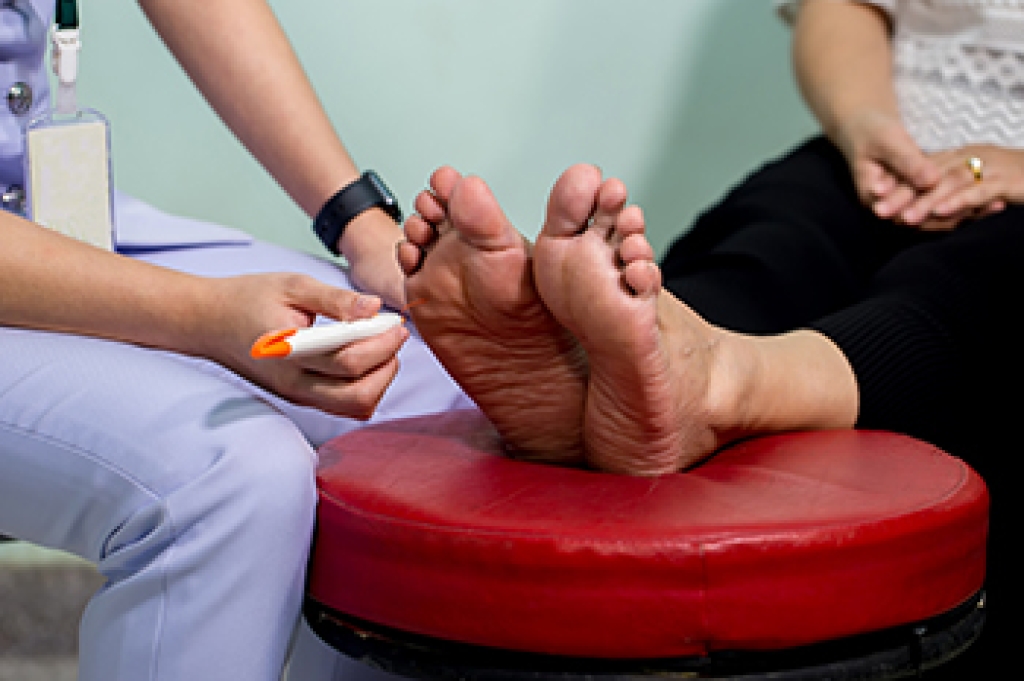
Read more about Ingrown Toenails

Connect With Us