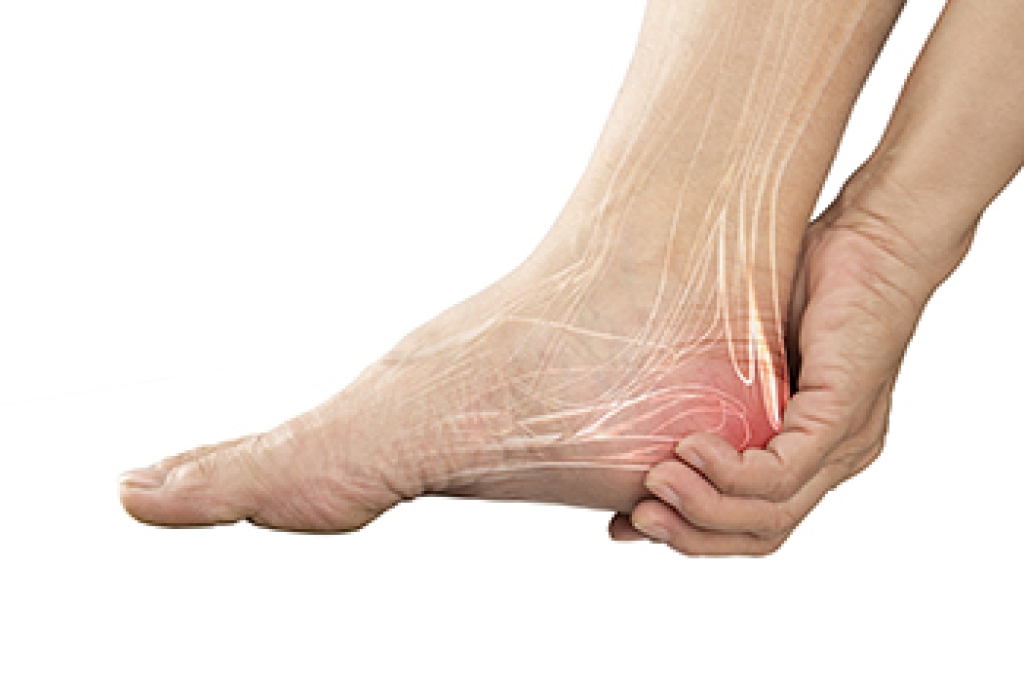
The Hidden Bursa Behind Your Heel

Retrocalcaneal bursitis is a painful condition that affects the small fluid-filled sac located between the heel bone and the Achilles tendon. This bursa helps reduce friction, but when it becomes inflamed, every step can feel uncomfortable. The pain is usually felt at the back of the heel, especially when walking, running, or wearing tight shoes that put pressure on the area. Swelling, tenderness, and stiffness surrounding the heel are also common signs. The condition often develops from overuse, repetitive stress, or footwear that irritates the heel. Athletes and individuals who spend long hours on their feet may be more prone to bursitis. Treatment may involve rest,  heel lifts, or changes in footwear to reduce pressure on the tendon and bursa. If pain persists, it is suggested that you see a podiatrist who can provide custom orthotics, targeted exercise, or other advanced treatments to restore comfort.

Many people suffer from bouts of heel pain. For more information, contact one of our podiatrists of East Ocean Podiatry . Our doctors can provide the care you need to keep you pain-free and on your feet.

Causes of Heel Pain

Heel pain is often associated with plantar fasciitis. The plantar fascia is a band of tissues that extends along the bottom of the foot. A rip or tear in this ligament can cause inflammation of the tissue.

Achilles tendonitis is another cause of heel pain. Inflammation of the Achilles tendon will cause pain from fractures and muscle tearing. Lack of flexibility is also another symptom.

Heel spurs are another cause of pain. When the tissues of the plantar fascia undergo a great deal of stress, it can lead to ligament separation from the heel bone, causing heel spurs.

Why Might Heel Pain Occur?

  • Wearing ill-fitting shoes                
  • Wearing non-supportive shoes
  • Weight change           
  • Excessive running

Treatments

Heel pain should be treated as soon as possible for immediate results. Keeping your feet in a stress-free environment will help. If you suffer from Achilles tendonitis or plantar fasciitis, applying ice will reduce the swelling. Stretching before an exercise like running will help the muscles. Using all these tips will help make heel pain a condition of the past.

If you have any questions, please feel free to contact our office located in Deerfield Beach, FL . We offer the newest diagnostic and treatment technologies for all your foot care needs.


Read more about Heel Pain

Understanding Common Peroneal Nerve Dysfunction

When the common peroneal nerve is injured, it can disrupt the way the foot and leg move or feel. This nerve runs along the outer side of the knee and down the leg, carrying signals that control certain muscles and sensations. Damage can occur from trauma, prolonged pressure, or underlying health issues. People may notice weakness when lifting the foot, numbness, or a tingling sensation along the shin and top of the foot. In some cases, walking becomes difficult due to a condition often called foot drop. Early diagnosis and treatment can help prevent long term complications. Management may include targeted exercises, bracing, or addressing the cause of the nerve injury. Paying attention to persistent changes in strength or sensation is important. If these symptoms develop, it is suggested that you see a podiatrist for evaluation and appropriate treatment.

Neuropathy

Neuropathy can be a potentially serious condition, especially if it is left undiagnosed. If you have any concerns that you may be experiencing nerve loss in your feet, consult with one of our podiatrists from East Ocean Podiatry . Our doctors will assess your condition and provide you with quality foot and ankle treatment for neuropathy.

What Is Neuropathy?

Neuropathy is a condition that leads to damage to the nerves in the body. Peripheral neuropathy, or neuropathy that affects your peripheral nervous system, usually occurs in the feet. Neuropathy can be triggered by a number of different causes. Such causes include diabetes, infections, cancers, disorders, and toxic substances.

Symptoms of Neuropathy Include:

  • Numbness
  • Sensation loss
  • Prickling and tingling sensations
  • Throbbing, freezing, burning pains
  • Muscle weakness

Those with diabetes are at serious risk due to being unable to feel an ulcer on their feet. Diabetics usually also suffer from poor blood circulation. This can lead to the wound not healing, infections occurring, and the limb may have to be amputated.

Treatment

To treat neuropathy in the foot, podiatrists will first diagnose the cause of the neuropathy. Figuring out the underlying cause of the neuropathy will allow the podiatrist to prescribe the best treatment, whether it be caused by diabetes, toxic substance exposure, infection, etc. If the nerve has not died, then it’s possible that sensation may be able to return to the foot.

Pain medication may be issued for pain. Electrical nerve stimulation can be used to stimulate nerves. If the neuropathy is caused from pressure on the nerves, then surgery may be necessary.

If you have any questions, please feel free to contact our office located in Deerfield Beach, FL . We offer the newest diagnostic and treatment technologies for all your foot care needs.
Read more about Neuropathy

Surgery and Expectations for Morton’s Neuroma

Surgery for Morton’s neuroma is performed to remove thickened nerve tissue in the ball of the foot when conservative treatments no longer provide relief. This condition causes burning pain, tingling, or the feeling of a pebble under the foot, often due to nerve compression from footwear or repetitive stress. Surgery for Morton's neuroma is recommended when symptoms interfere with daily activities, despite other treatments. Recovery time varies but generally takes several weeks, with gradual return to normal footwear and activity. A podiatrist can determine if surgery is the best option, guide you through the process, and provide post-operative care. If foot pain persists, it is strongly suggested that you consult a podiatrist who can discuss the benefits of this type of foot surgery with you.

Foot surgery is sometimes necessary to treat a foot ailment. To learn more, contact one of our podiatrists of East Ocean Podiatry . Our doctors will assist you with all of your foot and ankle needs.

When Is Surgery Necessary?

Foot and ankle surgery is generally reserved for cases in which less invasive, conservative procedures have failed to alleviate the problem. Some of the cases in which surgery may be necessary include:

  • Removing foot deformities like bunions and bone spurs
  • Severe arthritis that has caused bone issues
  • Cosmetic reconstruction

What Types of Surgery Are There?

The type of surgery you receive will depend on the nature of the problem you have. Some of the possible surgeries include:

  • Bunionectomy for painful bunions
  • Surgical fusion for realignment of bones
  • Neuropathy decompression surgery to treat nerve damage

Benefits of Surgery

Although surgery is usually a last resort, it can provide more complete pain relief compared to non-surgical methods and may allow you to finally resume full activity.

Surgical techniques have also become increasingly sophisticated. Techniques like endoscopic surgery allow for smaller incisions and faster recovery times.

If you have any questions, please feel free to contact our office located in Deerfield Beach, FL . We offer the newest diagnostic and treatment technologies for all your foot care needs.

Read more about Foot and Ankle Surgery

Causes and Podiatric Care for Blisters on the Feet

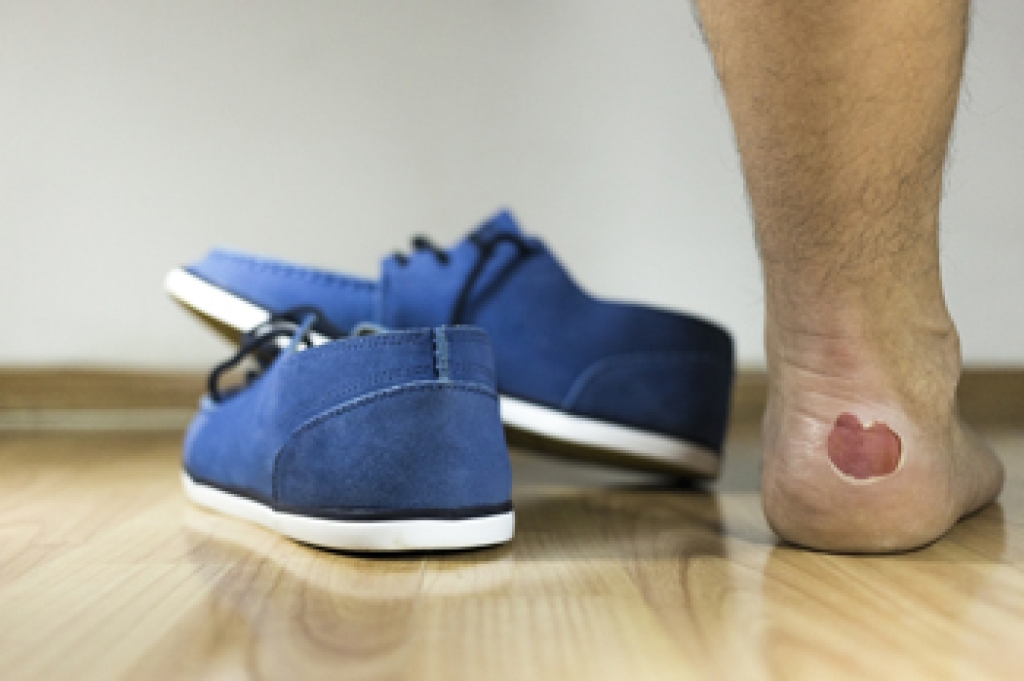
Foot blisters are small fluid-filled sacs that develop on the skin, often due to friction from shoes, excessive moisture, or heat. Common causes include wearing new or ill-fitting footwear, prolonged walking or running, and burns. Athletes often get blisters from repetitive friction on their skin from shoes rubbing against the feet. Blisters can feel painful, tender, or irritated, especially when pressure is applied. Blisters may appear as clear, raised bumps, but if they become red, cloudy, or filled with pus, infection may be present. Symptoms like multiple blisters, spreading redness, warmth, or fever can signal a more serious condition that needs professional care. A podiatrist can safely drain large or painful blisters, treat any infection with antibiotics, and provide advice on blister prevention. They may also recommend protective padding or custom orthotics to reduce pressure and friction. If you have a bothersome foot blister, it is suggested that you schedule an appointment with a podiatrist.

Blisters may appear as a single bubble or in a cluster. They can cause a lot of pain and may be filled with pus, blood, or watery serum. If your feet are hurting, contact one of our podiatrists of East Ocean Podiatry . Our doctors can provide the care you need to keep you pain-free and on your feet.

Foot Blisters

Foot blisters are often the result of friction. This happens due to the constant rubbing from shoes, which can lead to pain.

What Are Foot Blisters?

A foot blister is a small fluid-filled pocket that forms on the upper-most layer of the skin. Blisters are filled with clear fluid and can lead to blood drainage or pus if the area becomes infected.

Symptoms

(Blister symptoms may vary depending on what is causing them)

  • Bubble of skin filled with fluid
  • Redness
  • Moderate to severe pain
  • Itching

Prevention & Treatment

In order to prevent blisters, you should be sure to wear comfortable shoes with socks that cushion your feet and absorb sweat. Breaking a blister open may increase your chances of developing an infection. However, if your blister breaks, you should wash the area with soap and water immediately and then apply a bandage to the affected area. If your blisters cause severe pain it is important that you call your podiatrist right away.

If you have any questions, please feel free to contact our office located in Deerfield Beach, FL . We offer the newest diagnostic and treatment technologies for all your foot care needs.

Read more about Blisters

Keep Your Feet Healthy So You Can Stay Active

Have your feet inspected by a professional before starting a new sport or physical activity. Taking charge of your foot health will keep you in good physical condition and can help you avoid a potential injury, such as a fracture or sprained ankle.

Prevent injuries and see a foot specialist.

Connect With Us