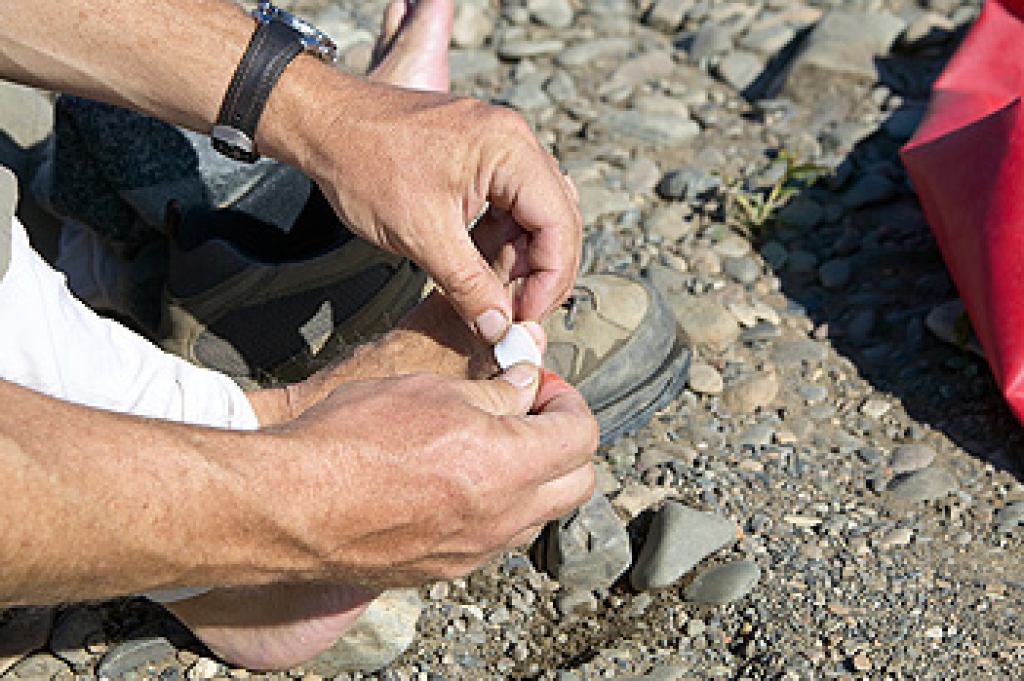
Helping Runners to Prevent Blisters

Blisters are one of the most common problems that runners encounter. While most blisters are not serious, these little pockets of fluid that form on the feet and toes can be annoying and quite painful. Knowing how to prevent a blister, which is nature’s way of protecting your skin from friction, is valuable information for runners. One way to prevent blisters is by wearing socks that wick moisture away from the foot and do not have seams that can cause rubbing. Along with proper socks, choosing the correct footwear is a second important prevention method. Running shoes should not be too narrow and should leave about half an inch of space in the toe box. Applying powders that absorb moisture on the feet and toes can help them stay dry during a run. Taping the places on your feet and toes that are likely to rub against your shoes can help to protect them as you run and keep blisters from forming. If you have blisters that have become infected or are otherwise interfering with your running, please consult a podiatrist for more information.

Blisters may appear as a single bubble or in a cluster. They can cause a lot of pain and may be filled with pus, blood, or watery serum. If your feet are hurting, contact one of our podiatrists of East Ocean Podiatry . Our doctors can provide the care you need to keep you pain-free and on your feet.

Foot Blisters

Foot blisters are often the result of friction. This happens due to the constant rubbing from shoes, which can lead to pain.

What Are Foot Blisters?

A foot blister is a small fluid-filled pocket that forms on the upper-most layer of the skin. Blisters are filled with clear fluid and can lead to blood drainage or pus if the area becomes infected.

Symptoms

(Blister symptoms may vary depending on what is causing them)

  • Bubble of skin filled with fluid
  • Redness
  • Moderate to severe pain
  • Itching

Prevention & Treatment

In order to prevent blisters, you should be sure to wear comfortable shoes with socks that cushion your feet and absorb sweat. Breaking a blister open may increase your chances of developing an infection. However, if your blister breaks, you should wash the area with soap and water immediately and then apply a bandage to the affected area. If your blisters cause severe pain it is important that you call your podiatrist right away.

If you have any questions, please feel free to contact our office located in Deerfield Beach, FL . We offer the newest diagnostic and treatment technologies for all your foot care needs.

Read more about Blisters on the Feet

Gout Pain Can Be Managed

Gout is a painful, inflammatory form of arthritis. Those affected will typically feel an intense stiffness in the joints of their feet, particularly in the big toe. Schedule a visit to learn about how gout can be managed and treated.

Various Types of Corns

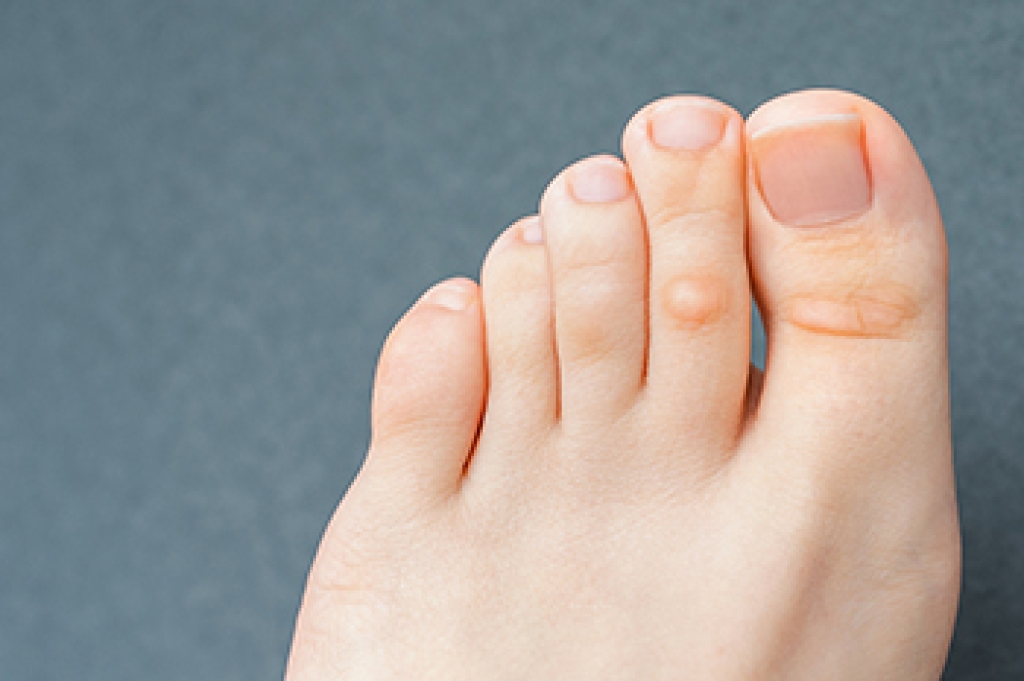
A corn is one of the ways the body protects damaged skin against excessive friction. It is a small, hardened area of skin that can form on various areas of the foot. These can include the pinky toe, the soles of the feet, or the top of the toes. A corn that develops on the side of the pinky toe can be painful, and wider shoes may need to be purchased that may help to bring partial relief. Hard corns are found in the above areas and often occurs as a result of wearing shoes that do not fit correctly. Soft corns can be found between the toes, and are named for the consistent moisture that is found there. If the corn is small, a protective pad can be worn over it which may reduce the pressure from the shoe. Patients who have larger corns are often seen by a podiatrist who can use effective techniques for removal. Please confer with this type of doctor who can guide you toward effective prevention methods.

Corns can make walking very painful and should be treated immediately. If you have questions regarding your feet and ankles, contact one of our podiatrists of East Ocean Podiatry . Our doctors will treat your foot and ankle needs.

Corns: What Are They? And How Do You Get Rid of Them?
Corns are thickened areas on the skin that can become painful. They are caused by excessive pressure and friction on the skin. Corns press into the deeper layers of the skin and are usually round in shape.

Ways to Prevent Corns
There are many ways to get rid of painful corns such as:

  • Wearing properly fitting shoes that have been measured by a professional
  • Wearing shoes that are not sharply pointed or have high heels
  • Wearing only shoes that offer support

Treating Corns

Although most corns slowly disappear when the friction or pressure stops, this isn’t always the case. Consult with your podiatrist to determine the best treatment option for your case of corns.

If you have any questions, please feel free to contact our office located in Deerfield Beach, FL . We offer the newest diagnostic and treatment technologies for all your foot care needs.

Read more about Everything You Need to Know About Corns

Hammertoe and Orthotics

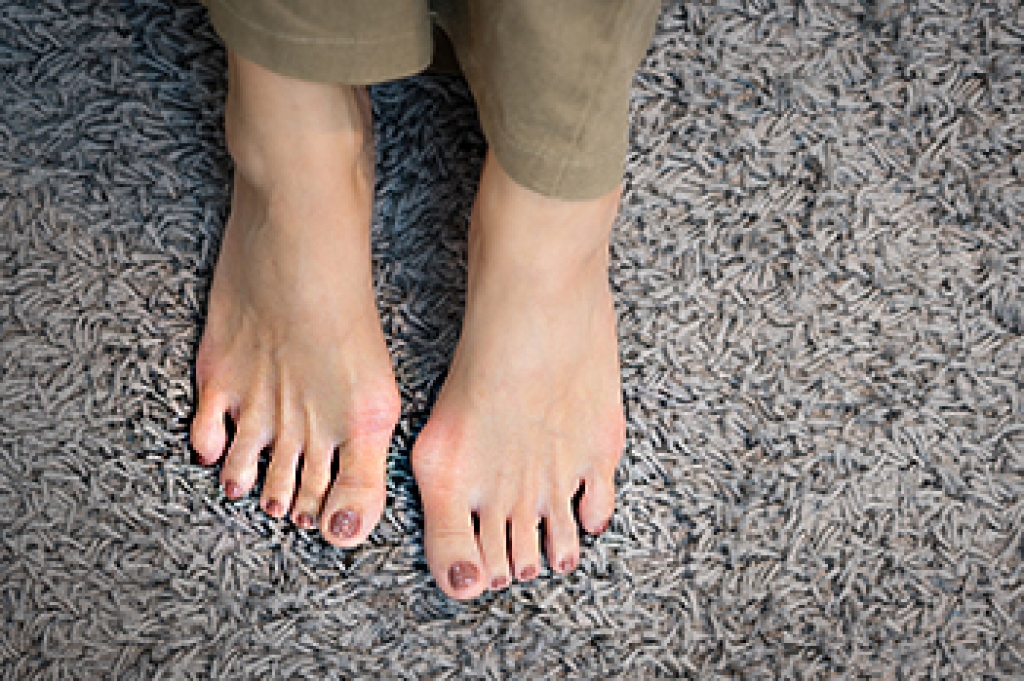
A hammertoe is a condition that makes the toe point upwards at the joint in an unnatural way. As a result, the toe resembles a hammer. There are several ways that a medical professional might go about helping you correct this deformity. Orthotics can play an important role in the correction process. Orthotics are special inserts that can be either custom-made or one-size-fits-all, and they can help people correct deformities or their gait. A medical professional might recommend the use of orthotics for hammertoes. One specific kind of orthotic for hammertoes is known as a hammer toe crest pad. The hammertoe is essentially held in place by this pad, which is positioned underneath the toes. The crest pad resembles a kind of ring that goes around the hammertoe. This device is meant to support and mitigate the hammertoe condition. If you are afflicted with hammertoe and think that you might be a good candidate for orthotics, consult a podiatrist today for more information.


Hammertoe

Hammertoes can be a painful condition to live with. For more information, contact one of our podiatrists from East Ocean Podiatry . Our doctors will answer any of your foot- and ankle-related questions.

Hammertoe is a foot deformity that affects the joints of the second, third, fourth, or fifth toes of your feet. It is a painful foot condition in which these toes curl and arch up, which can often lead to pain when wearing footwear.

Symptoms

  • Pain in the affected toes
  • Development of corns or calluses due to friction
  • Inflammation
  • Redness
  • Contracture of the toes

Causes

Genetics – People who are genetically predisposed to hammertoe are often more susceptible

Arthritis – Because arthritis affects the joints in your toes, further deformities stemming from arthritis can occur

Trauma – Direct trauma to the toes could potentially lead to hammertoe

Ill-fitting shoes – Undue pressure on the front of the toes from ill-fitting shoes can potentially lead to the development of hammertoe

Treatment

Orthotics – Custom made inserts can be used to help relieve pressure placed on the toes and therefore relieve some of the pain associated with it

Medications – Oral medications such as anti-inflammatories or NSAIDs could be used to treat the pain and inflammation hammertoes causes. Injections of corticosteroids are also sometimes used

Surgery – In more severe cases where the hammertoes have become more rigid, foot surgery is a potential option

If you have any questions, please feel free to contact our office located in Deerfield Beach, FL . We offer the newest diagnostic and treatment technologies for all your foot care needs.
Read more about Hammertoe

Types and Causes of Bunions

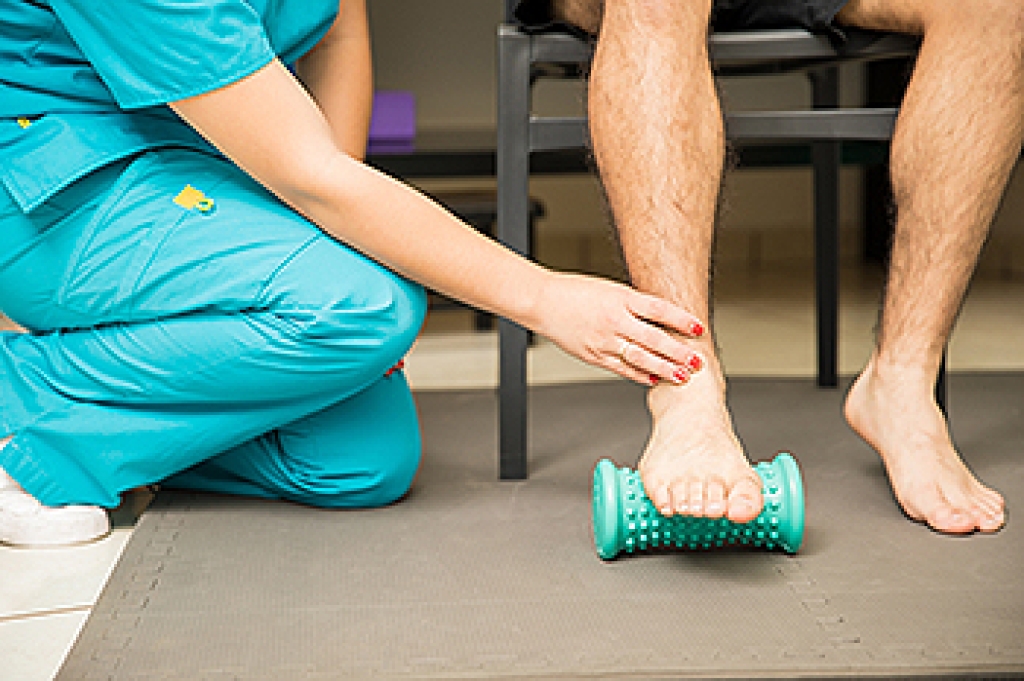
Bunions, which are deformities in the toes, can be extremely painful. Most bunions occur on the big toe, forcing the bottom of the toe out and the tip of the toe inward toward the other toes. Another type of bunion is termed a bunionette, which causes the same effect, only this time it occurs on the little toe. Most people develop bunions because of a genetic predisposition to the deformity. The development of a bunion can be made worse by external factors. Among them is wearing shoes that are too tight or too small. Any footwear that pushes the toes inward may increase pressure on an already unstable toe joint. Some people with high arches are prone to developing bunions, as are those with flat feet. In some cases, ligaments in the toe structure may be loose, which contributes to abnormal movement of the bones. If you have bunions that have become painful and inhibit your ability to carry out daily activities, it is a good idea to visit a podiatrist. A number of treatment options, ranging from non-invasive to surgical, are available that can help correct this condition.

If you are suffering from bunions, contact one of our podiatrists of East Ocean Podiatry . Our doctors can provide the care you need to keep you pain-free and on your feet.

What Is a Bunion?

A bunion is formed of swollen tissue or an enlargement of boney growth, usually located at the base joint of the toe that connects to the foot. The swelling occurs due to the bones in the big toe shifting inward, which impacts the other toes of the foot. This causes the area around the base of the big toe to become inflamed and painful.

Why Do Bunions Form?

Genetics – Susceptibility to bunions are often hereditary

Stress on the feet – Poorly fitted and uncomfortable footwear that places stress on feet, such as heels, can worsen existing bunions

How Are Bunions Diagnosed?

Doctors often perform two tests – blood tests and x-rays – when trying to diagnose bunions, especially in the early stages of development. Blood tests help determine if the foot pain is being caused by something else, such as arthritis, while x-rays provide a clear picture of your bone structure to your doctor.

How Are Bunions Treated?

  • Refrain from wearing heels or similar shoes that cause discomfort
  • Select wider shoes that can provide more comfort and reduce pain
  • Anti-inflammatory and pain management drugs
  • Orthotics or foot inserts
  • Surgery

If you have any questions, please feel free to contact our office located in Deerfield Beach, FL . We offer the newest diagnostic and treatment technologies for all your foot care needs.
Read more about Bunions

Causes of Plantar Fasciitis

If you have pain in your heel area, and it is worse in the morning after rising, you might have a condition known as plantar fasciitis. This is an inflammation of the plantar fascia, the tissue that connects the heel bone to the toes.  Risk factors for plantar fasciitis include age, having flat feet, and stress put on the feet from things like a poor gait or improper exercise form. The older one is, the higher the risk for plantar fasciitis. The body loses some of its elasticity and flexibility, two things that help control inflammation. An improper gait or poor exercise form can also cause plantar fasciitis as if the weight of the body lands on the heel when walking or exercising, excess strain can be put on the plantar fascia. If you have heel pain that does not resolve itself with rest, see a podiatrist for a proper diagnosis and treatment.

Plantar fasciitis is a common foot condition that is often caused by a strain injury. If you are experiencing heel pain or symptoms of plantar fasciitis, contact one of our podiatrists from East Ocean Podiatry . Our doctors can provide the care you need to keep you pain-free and on your feet.

What Is Plantar Fasciitis?

Plantar fasciitis is one of the most common causes of heel pain. The plantar fascia is a ligament that connects your heel to the front of your foot. When this ligament becomes inflamed, plantar fasciitis is the result. If you have plantar fasciitis you will have a stabbing pain that usually occurs with your first steps in the morning. As the day progresses and you walk around more, this pain will start to disappear, but it will return after long periods of standing or sitting.

What Causes Plantar Fasciitis?

  • Excessive running
  • Having high arches in your feet
  • Other foot issues such as flat feet
  • Pregnancy (due to the sudden weight gain)
  • Being on your feet very often

There are some risk factors that may make you more likely to develop plantar fasciitis compared to others. The condition most commonly affects adults between the ages of 40 and 60. It also tends to affect people who are obese because the extra pounds result in extra stress being placed on the plantar fascia.

Prevention

  • Take good care of your feet – Wear shoes that have good arch support and heel cushioning.
  • Maintain a healthy weight
  • If you are a runner, alternate running with other sports that won’t cause heel pain

There are a variety of treatment options available for plantar fasciitis along with the pain that accompanies it. Additionally, physical therapy is a very important component in the treatment process. It is important that you meet with your podiatrist to determine which treatment option is best for you.

If you have any questions, please feel free to contact our office located in Deerfield Beach, FL . We offer the newest diagnostic and treatment technologies for all your foot care needs.

 

Read more about Plantar Fasciitis

Different Types of Foot Fractures

There are 26 bones in each foot, and they all uniquely work together to walk, run, and maintain balance. A broken foot can happen from falling, incurring a foot injury, or from dropping a heavy object on it. The recovery time can be lengthy, and in most cases, weight needs to be kept off the foot. Many people choose to run and walk through the pain, and this may cause a delayed recovery. There are two types of foot fractures that can occur, a stress or full foot fracture. The former is considered to be a hairline fracture and happens when the foot gradually endures repeated stress from frequently running or jumping. The latter type of fracture often needs immediate medical attention and can fall into two categories. The surrounding skin is not damaged when a simple fracture occurs, and the opposite is true when a compound fracture happens, resulting in damaged skin or tissues. Common symptoms of a broken foot include severe pain, swelling, and the inability to walk on the affected foot. If you have endured a broken foot, please consult with a podiatrist who can properly diagnose a fractured foot and offer the best treatment for you. 

A broken foot requires immediate medical attention and treatment. If you need your feet checked, contact one of our podiatrists from East Ocean Podiatry . Our doctors can provide the care you need to keep you pain-free and on your feet.

Broken Foot Causes, Symptoms, and Treatment

A broken foot is caused by one of the bones in the foot typically breaking when bended, crushed, or stretched beyond its natural capabilities. Usually the location of the fracture indicates how the break occurred, whether it was through an object, fall, or any other type of injury. 

Common Symptoms of Broken Feet:

  • Bruising
  • Pain
  • Redness
  • Swelling
  • Blue in color
  • Numbness
  • Cold
  • Misshapen
  • Cuts
  • Deformities

Those that suspect they have a broken foot shoot seek urgent medical attention where a medical professional could diagnose the severity.

Treatment for broken bones varies depending on the cause, severity and location. Some will require the use of splints, casts or crutches while others could even involve surgery to repair the broken bones. Personal care includes the use of ice and keeping the foot stabilized and elevated.

If you have any questions, please feel free to contact our office located in Deerfield Beach, FL . We offer the newest diagnostic and treatment technologies for all your foot care needs.

Read more about Causes, Symptoms, and Treatment for a Broken Foot

Orthotics May Benefit Patients Who Have Flat Feet

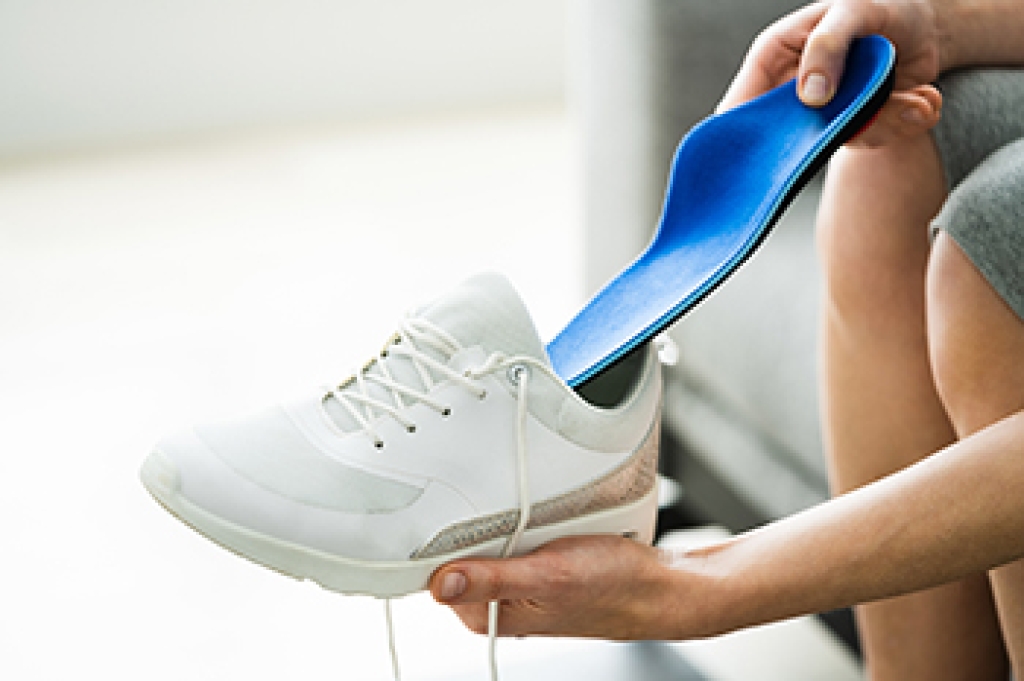
Orthotics are defined as supportive insoles that provide bone and joint stability, in addition to soft tissue protection. Many patients with flat feet are interested in wearing orthotics, which may relieve this condition. Moving efficiently can be done by having the midfoot flex like a bow while adding shock absorption to the walking style, or gait. There are two types of flat feet consisting of rigid and flexible. Orthotics that have low arches are suggested for people who have rigid flat feet, and flexible feet are indicated when the arch appears while sitting. These individuals may benefit from wearing medium arch orthotics, so it is essential to know which type of flat feet you may have. Additionally, orthotics that have deep heel cups can help to protect the fatty pad that is found under the heel bone. This is generally inadequate in providing heel stabilization. Many people who have flat feet choose to wear orthotics for many reasons, and it is suggested that you confer with a podiatrist if you are interested in pursuing this form of relief.

If you are having discomfort in your feet and would like to try orthotics, contact one of our podiatrists from East Ocean Podiatry . Our doctors can provide the care you need to keep you pain-free and on your feet.

What Are Orthotics?

Orthotics are inserts you can place into your shoes to help with a variety of foot problems such as flat feet or foot pain. Orthotics provide relief and comfort for minor foot and heel pain but can’t correct serious biomechanical problems in your feet.

Over-the-Counter Inserts

Orthotics come in a wide variety of over-the-counter inserts that are used to treat foot pain, heel pain, and minor problems. For example, arch supports can be inserted into your shoes to help correct overarched or flat feet, while gel insoles are often used because they provide comfort and relief from foot and heel pain by alleviating pressure.

Prescription Orthotics

If over-the-counter inserts don’t work for you or if you have a more severe foot concern, it is possible to have your podiatrist prescribe custom orthotics. These high-quality inserts are designed to treat problems such as abnormal motion, plantar fasciitis, and severe forms of heel pain. They can even be used to help patients suffering from diabetes by treating foot ulcers and painful calluses and are usually molded to your feet individually, which allows them to provide full support and comfort.

If you are experiencing minor to severe foot or heel pain, it’s recommended to speak with your podiatrist about the possibilities of using orthotics. A podiatrist can determine which type of orthotic is right for you and allow you to take the first steps towards being pain-free.

If you have any questions, please feel free to contact our office located in Deerfield Beach, FL . We offer the newest diagnostic and treatment technologies for all your foot care needs.
Read more about Foot Orthotics

Strong Feet May Help the Overall Body

The overall health of the body may improve when the feet feel good. This can be accomplished by performing specific foot stretches that may help foot strength and flexibility. Research has shown that strong feet may reduce the chances of falling and getting hurt, and exercises and foot stretches can be practiced several days per week. An effective stretch is called the toe raise, point and curl stretch, and can be performed while sitting in a chair. This is done by curling the toes under the feet, followed by lifting them up. The toes can become stronger while spreading them as far apart as possible, which is effective in strengthening the muscles and tendons between the toes. A toe curl is done by picking up a towel or marble with the toes, releasing, and then repeated several times. The big toe is important in maintaining balance in the body, and can be strengthened by pulling it forward and back. If you would like to learn about additional ways to stretch the feet, please consult with a podiatrist who can guide you toward the correct techniques.

Stretching the feet is a great way to prevent injuries. If you have any concerns with your feet consult with one of our podiatrists from East Ocean Podiatry . Our doctors will assess your condition and provide you with quality foot and ankle treatment.

Stretching the Feet

Being the backbone of the body, the feet carry your entire weight and can easily become overexerted, causing cramps and pain. As with any body part, stretching your feet can serve many benefits. From increasing flexibility to even providing some pain relief, be sure to give your feet a stretch from time to time. This is especially important for athletes or anyone performing aerobic exercises, but anyone experiencing foot pain or is on their feet constantly should also engage in this practice.

Great ways to stretch your feet:

  • Crossing one leg over the others and carefully pull your toes back. Do 10-20 repetitions and repeat the process for each foot
  • Face a wall with your arms out and hands flat against the wall. Step back with one foot and keep it flat on the floor while moving the other leg forward. Lean towards the wall until you feel a stretch. Hold for 30 seconds and perform 10 repetitions for each foot
  • Be sure not to overextend or push your limbs too hard or you could risk pulling or straining your muscle

Individuals who tend to their feet by regular stretching every day should be able to minimize foot pain and prevent new problems from arising.

If you have any questions please contact our office located in Deerfield Beach, FL . We offer the newest diagnostic and treatment technologies for all your foot and ankle needs.

Read more about Stretching Your Feet

Connect With Us