Surgery Options for Flat Feet

Flat feet, resulting from a collapsed arch, can lead to pain and discomfort, affecting both children and adults. When non-surgical approaches fall short, surgical intervention offers a viable solution. Surgery for flat feet aims to reconstruct the foot's architecture to restore a supportive arch and alleviate complications like change of gait, knee pain, plantar fasciitis, and Achilles tendonitis. An evaluation before surgery involves a thorough history, examination, and imaging. Surgical intervention may involve tendon reconstruction, bone augmentation, joint fusion, or bone resection. Post-surgery recovery may take up to four months and requires keeping the weight off the affected foot as well as taking prescribed pain relief medication. A protective cast or boot may be needed. Surgical treatment for flat feet, while not necessary in many cases, offers an opportunity to regain mobility, alleviate pain, and enhance overall quality of life.  To find out if surgery for flat feet is right for you, it is suggested that you make an appointment with a podiatrist for a full examination. 

Flatfoot is a condition many people suffer from. If you have flat feet, contact one of our podiatrists from East Ocean Podiatry . Our doctors will treat your foot and ankle needs.

What Are Flat Feet?

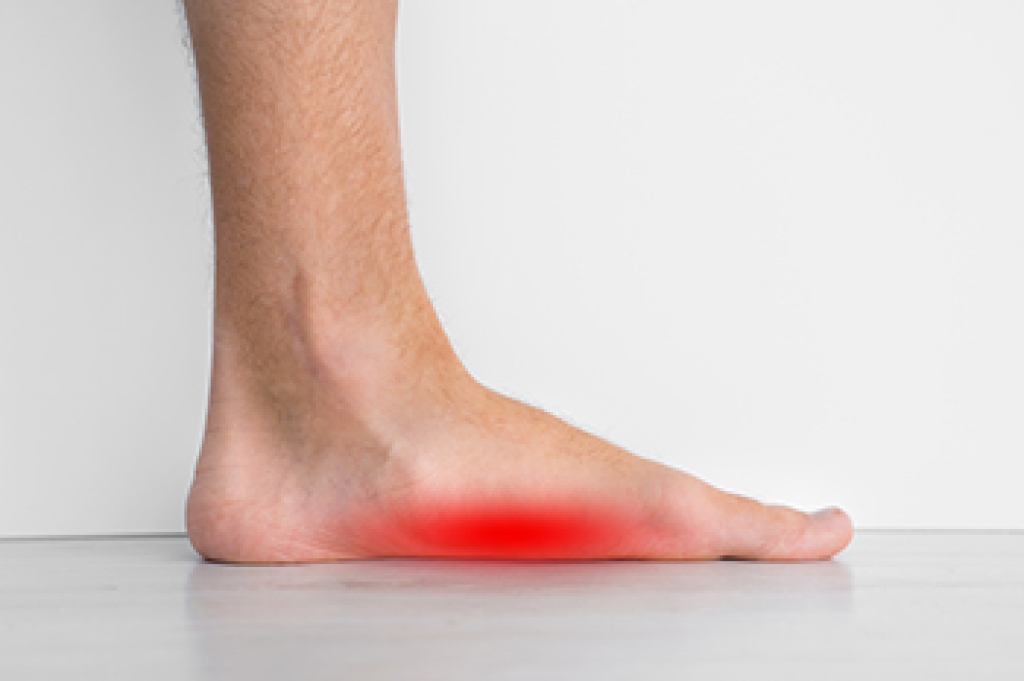
Flatfoot is a condition in which the arch of the foot is depressed and the sole of the foot is almost completely in contact with the ground. About 20-30% of the population generally has flat feet because their arches never formed during growth.

Conditions & Problems:

Having flat feet makes it difficult to run or walk because of the stress placed on the ankles.

Alignment – The general alignment of your legs can be disrupted, because the ankles move inward which can cause major discomfort.

Knees – If you have complications with your knees, flat feet can be a contributor to arthritis in that area.  

Symptoms

  • Pain around the heel or arch area
  • Trouble standing on the tip toe
  • Swelling around the inside of the ankle
  • Flat look to one or both feet
  • Having your shoes feel uneven when worn

Treatment

If you are experiencing pain and stress on the foot you may weaken the posterior tibial tendon, which runs around the inside of the ankle. 

If you have any questions, please feel free to contact our office located in Deerfield Beach, FL . We offer the newest diagnostic and treatment technologies for all your foot care needs.
Read more about Flat Feet

Effective Strategies for Managing Bunions

Bunions are bony protrusions at the base of the big toe that can not only be unsightly, but also painful. Managing bunions involves a combination of self care and professional guidance. Begin by wearing well-fitting shoes with ample room for your toes and avoiding high heels and pointy shoes that exacerbate pressure on the bunion. Taking over-the-counter pain relievers can provide temporary relief. Wearing custom orthotic inserts can alleviate discomfort by redistributing pressure. Regularly performing gentle toe stretches and exercises can improve flexibility and strength. In severe cases, surgical intervention may be considered. With a proactive approach, you can successfully manage bunions and maintain your foot health. If the bunion causes persistent pain or interferes with daily activities, it is suggested that you consult a podiatrist who can offer you additional relief and treatment methods. 

If you are suffering from bunion pain, contact one of our podiatrists of East Ocean Podiatry . Our doctors can provide the care you need to keep you pain-free and on your feet.

What Is a Bunion?

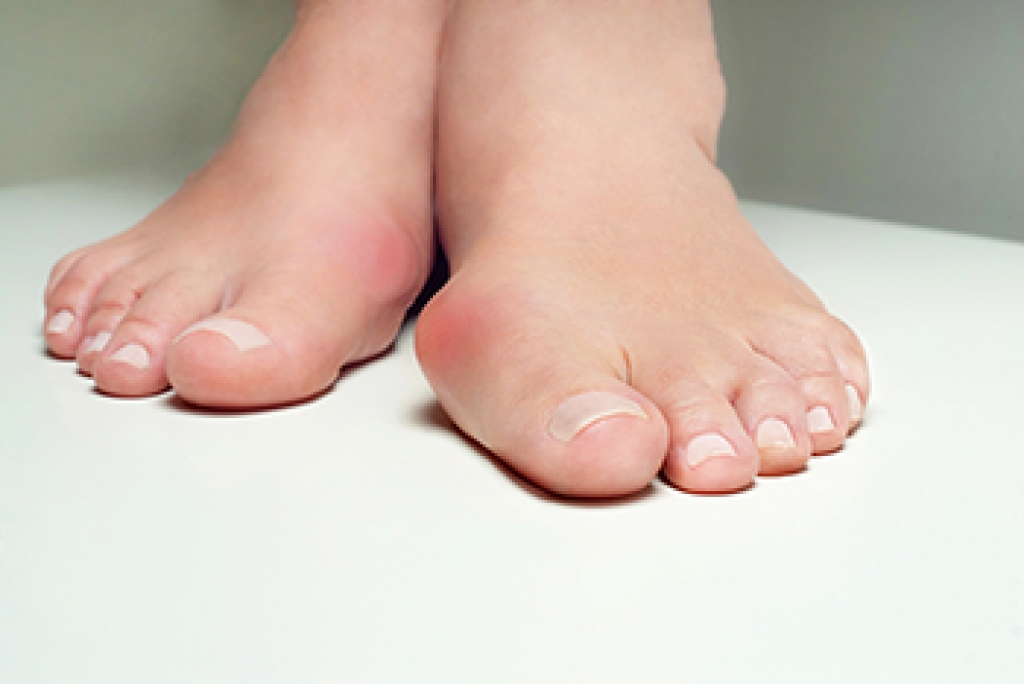
Bunions are painful bony bumps that usually develop on the inside of the foot at the joint of the big toe. As the deformity increases over time, it may become painful to walk and wear shoes. Women are more likely to exacerbate existing bunions since they often wear tight, narrow shoes that shift their toes together. Bunion pain can be relieved by wearing wider shoes with enough room for the toes.

Causes

  • Genetics – some people inherit feet that are more prone to bunion development
  • Inflammatory Conditions - rheumatoid arthritis and polio may cause bunion development

Symptoms

  • Redness and inflammation
  • Pain and tenderness
  • Callus or corns on the bump
  • Restricted motion in the big toe

In order to diagnose your bunion, your podiatrist may ask about your medical history, symptoms, and general health. Your doctor might also order an x-ray to take a closer look at your feet. Nonsurgical treatment options include orthotics, padding, icing, changes in footwear, and medication. If nonsurgical treatments don’t alleviate your bunion pain, surgery may be necessary.

If you have any questions, please feel free to contact our office located in Deerfield Beach, FL . We offer the newest diagnostic and treatment technologies for all your foot care needs.
Read more about Bunions

Toe Capsulitis Pain

Capsulitis is a painful condition that affects the front part of the foot and can worsen over time. The smaller toes have three joints each. If the pain comes from the ball of the foot, it might indicate capsulitis. This happens when a ligament in the joint becomes inflamed. Capsulitis mainly affects the second toe, sometimes extending to the third toe. Symptoms include pain, swelling, and redness in the front part of the foot. Walking and wearing shoes can be uncomfortable. Neglecting capsulitis can lead to additional problems like calluses and curled toes. It can even cause one toe to cross over another. Capsulitis can result from injuries, poor foot mechanics, ill-fitting shoes, or conditions like arthritis. Some individuals are more susceptible due to their foot structure. Treatment includes resting, wearing shoe inserts, exercising the foot, avoiding tight, thin-soled shoes, and elevating the foot. If you have persisting toe pain, it is suggested that you make an appointment with a podiatrist for care. 

Toe pain can disrupt your daily activities. If you have any concerns, contact one of our podiatrists of East Ocean Podiatry . Our doctors can provide the care you need to keep you pain-free and on your feet.

What Causes Toe Pain?

Most severe toe pain is caused due to a sports injury, trauma from dropping something heavy on the toe, or bumping into something rigid. Other problems can develop over time for various reasons.

Toe pain can be caused by one or more ailments. The most common include:

  • Trauma
  • Sports injury
  • Wearing shoes that are too tight
  • Arthritis
  • Gout
  • Corns and calluses
  • Hammertoe
  • Bunions
  • Blisters
  • Ingrown toenails
  • Sprains
  • Fractures (broken bones)
  • Dislocations

When to See a Podiatrist

  • Severe pain
  • Persistent pain that lasts more than a week
  • Signs of infection
  • Continued swelling
  • Pain that prevents walking

Diagnosis

In many cases the cause of toe pain is obvious, but in others, a podiatrist may want to use more advanced methods to determine the problem. These can range from simple visual inspections and sensation tests to X-rays and MRI scans. Prior medical history, family medical history, and any recent physical traumatic events will all be taken into consideration for a proper diagnosis.

Treatment

Treatments for toe pain and injuries vary and may include shoe inserts, padding, taping, medicines, injections, and in some cases, surgery. If you believe that you have broken a toe, please see a podiatrist as soon as possible.

If you have any questions please contact our office located in Deerfield Beach, FL . We offer the newest diagnostic and treatment technologies for all your foot and ankle needs.

Read more about Toe Pain

Possible Remedies for Corns on the Feet

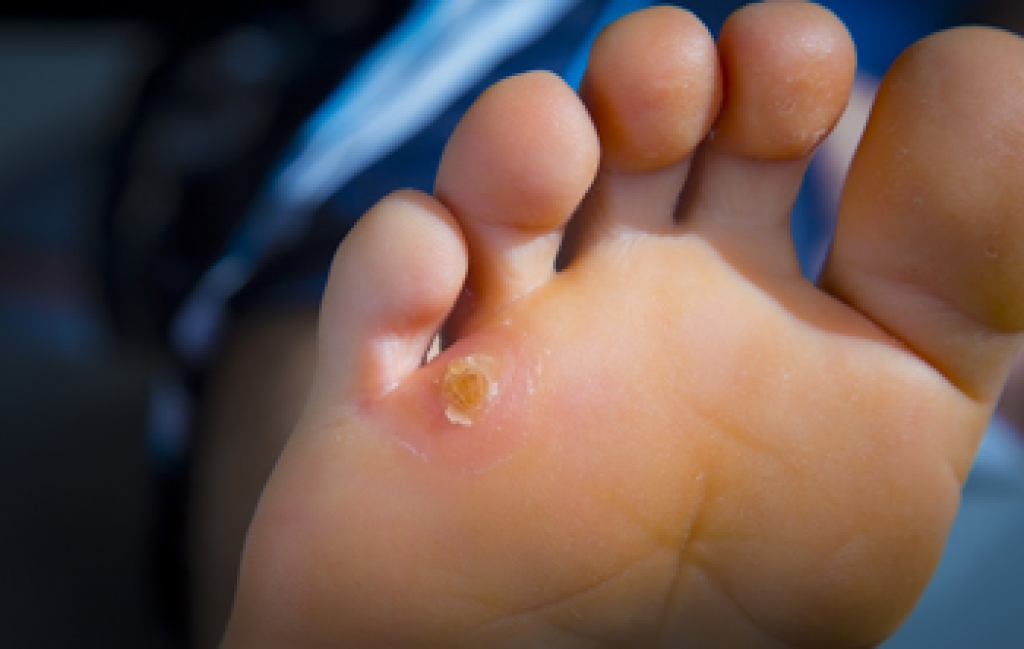
Foot corns are characterized by bumps that are thickened layers of hard skin and form on bony areas of the feet. They generally occur on the tops and sides of the toes, due to friction and pressure. Ill-fitting shoes and socks can contribute to their development. Some people with conditions that cause abnormal alignment of the bones in the feet, such as arthritis, bunions, or hammertoes, may be at a higher risk for developing corns. There are three types of foot corns consisting of hard, soft, and seed corns. Hard corns are firm when touched, and form on the tops of toes. Soft corns are pliable and typically form between the toes. Seed corns are very small and usually occur on the soles of the feet. Corns are sometimes confused with calluses but differ in location, size, tenderness, and inflammation. Preventing foot corns involves wearing well-fitting, comfortable shoes, and especially avoiding high heels and pointy-toed footwear. One can soak their foot and gently exfoliate the skin of the corn with a pumice stone or foot file. Covering the corn can protect against friction. If you have corns that are causing pain, or if you also have diabetes, it is strongly suggested that you make an appointment with a podiatrist who can provide additional treatment that can prevent complications.

If you have any concerns regarding your feet and ankles, contact one of our podiatrists of East Ocean Podiatry . Our doctors will treat your foot and ankle needs.

Corns: What Are They? and How Do You Get Rid of Them?
Corns can be described as areas of the skin that have thickened to the point of becoming painful or irritating. They are often layers and layers of the skin that have become dry and rough, and are normally smaller than calluses.

Ways to Prevent Corns
There are many ways to get rid of painful corns such as wearing:

  • Well-fitting socks
  • Comfortable shoes that are not tight around your foot
  • Shoes that offer support

Treating Corns
Treatment of corns involves removing the dead skin that has built up in the specific area of the foot. Consult with Our doctors to determine the best treatment option for your case of corns.

If you have any questions, please feel free to contact our office located in Deerfield Beach, FL . We offer the newest diagnostic and treatment technologies for all your foot care needs.

Read more about Corns and Calluses

Heel Pain Can Be Treated!

Do you suffer from heel pain when you get up in the morning? If so, you should seek professional help and have a proper diagnosis performed. Heel pain can be caused by several different foot-related conditions.

Connect With Us