Who Gets Bunions?

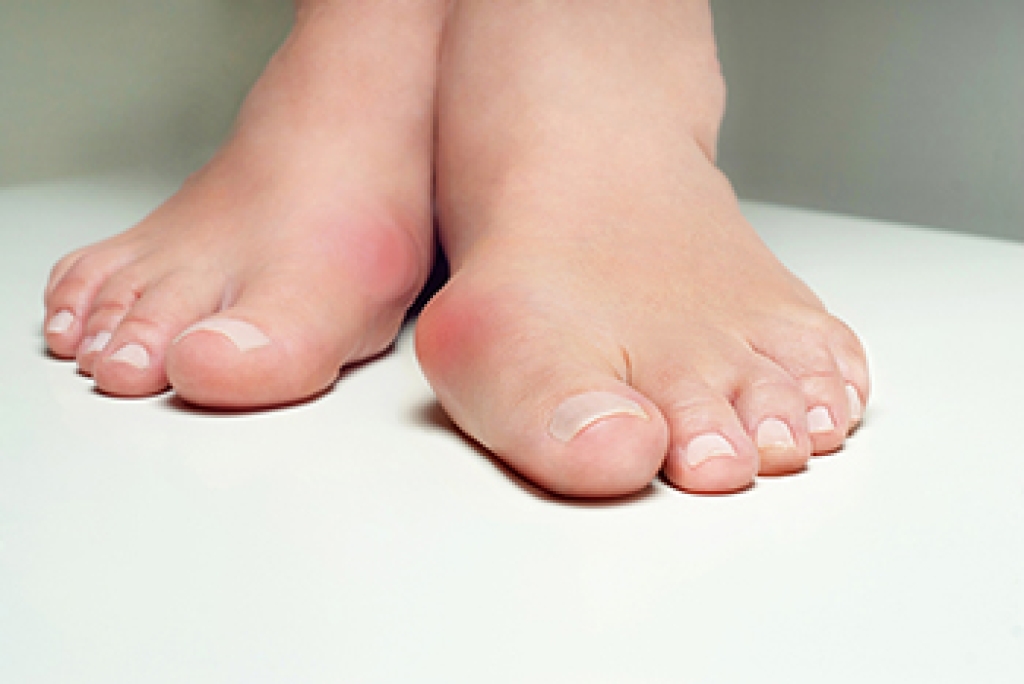
Bunions are a foot condition where the big toe points toward the second toe, causing a bony bump to form at the base of the toe. They are particularly common in older women, anyone with flat feet, or people with a family history of bunions. Pregnancy can also contribute, as hormonal changes and weight gain put additional pressure on the feet. Symptoms of bunions include pain, swelling, and redness surrounding the joint, often worsened by wearing tight or narrow shoes. As the condition progresses, it can lead to difficulty walking and discomfort during daily activities. A podiatrist can diagnose the severity of the bunion and offer treatment options to reduce pain and slow progression. Conservative options include custom orthotics, padding, or changes to footwear. In more severe cases, surgery may be needed to realign the toe. If you have a bunion, it is suggested that you schedule an appointment with a podiatrist for proper treatment.

If you are suffering from bunion pain, contact one of our podiatrists of East Ocean Podiatry . Our doctors can provide the care you need to keep you pain-free and on your feet.

What Is a Bunion?

Bunions are painful bony bumps that usually develop on the inside of the foot at the joint of the big toe. As the deformity increases over time, it may become painful to walk and wear shoes. Women are more likely to exacerbate existing bunions since they often wear tight, narrow shoes that shift their toes together. Bunion pain can be relieved by wearing wider shoes with enough room for the toes.

Causes

  • Genetics – some people inherit feet that are more prone to bunion development
  • Inflammatory Conditions - rheumatoid arthritis and polio may cause bunion development

Symptoms

  • Redness and inflammation
  • Pain and tenderness
  • Callus or corns on the bump
  • Restricted motion in the big toe

In order to diagnose your bunion, your podiatrist may ask about your medical history, symptoms, and general health. Your doctor might also order an x-ray to take a closer look at your feet. Nonsurgical treatment options include orthotics, padding, icing, changes in footwear, and medication. If nonsurgical treatments don’t alleviate your bunion pain, surgery may be necessary.

If you have any questions, please feel free to contact our office located in Deerfield Beach, FL . We offer the newest diagnostic and treatment technologies for all your foot care needs.

Read more about What Are Bunions?

Heel Pain Can Be Treated!

Do you suffer from heel pain when you get up in the morning? If so, you should seek professional help and have a proper diagnosis performed. Heel pain can be caused by several different foot-related conditions.

Bathroom Fall Prevention Strategies

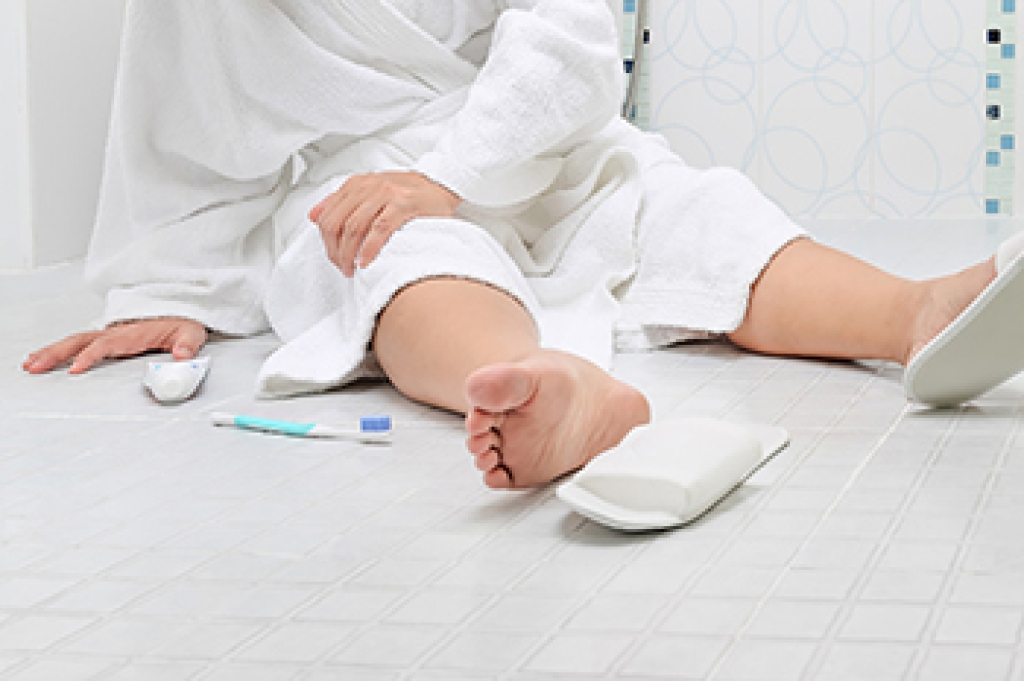
Falls in the bathroom are a common risk, particularly for older adults, and can lead to serious injuries. It is important to make certain adjustments to reduce the likelihood of such falls. Installing grab bars in key areas such as near the toilet, shower, and bathtub provides extra support when standing or sitting. Non-slip rugs or mats can prevent slipping on wet surfaces, while a non-slip shower or bath mat offers additional safety during bathing. Ensuring that the bathroom is well lit, especially at night, can help with visibility. Consider using a shower chair or bench to make bathing safer and easier. Removing any clutter from the floor can also reduce tripping hazards. Falling can seriously impact the feet, causing difficulty in completing daily activities. If your feet or ankles have become injured from falling, it is suggested that you consult a podiatrist who can offer effective treatment solutions.

Preventing falls among the elderly is very important. If you are older and have fallen or fear that you are prone to falling, consult with one of our podiatrists from East Ocean Podiatry . Our doctors will assess your condition and provide you with quality advice and care.

Every 11 seconds, an elderly American is being treated in an emergency room for a fall related injury. Falls are the leading cause of head and hip injuries for those 65 and older. Due to decreases in strength, balance, senses, and lack of awareness, elderly persons are very susceptible to falling. Thankfully, there are a number of things older persons can do to prevent falls.

How to Prevent Falls

Some effective methods that older persons can do to prevent falls include:

  • Enrolling in strength and balance exercise program to increase balance and strength
  • Periodically having your sight and hearing checked
  • Discuss any medications you have with a doctor to see if it increases the risk of falling
  • Clearing the house of falling hazards and installing devices like grab bars and railings
  • Utilizing a walker or cane
  • Wearing shoes that provide good support and cushioning
  • Talking to family members about falling and increasing awareness

Falling can be a traumatic and embarrassing experience for elderly persons; this can make them less willing to leave the house, and less willing to talk to someone about their fears of falling. Doing such things, however, will increase the likelihood of tripping or losing one’s balance. Knowing the causes of falling and how to prevent them is the best way to mitigate the risk of serious injury.  

If you have any questions, please feel free to contact our office located in Deerfield Beach, FL . We offer the newest diagnostic and treatment technologies for all your foot care needs.
Read more about Falls Prevention

The Stages of Ingrown Toenails

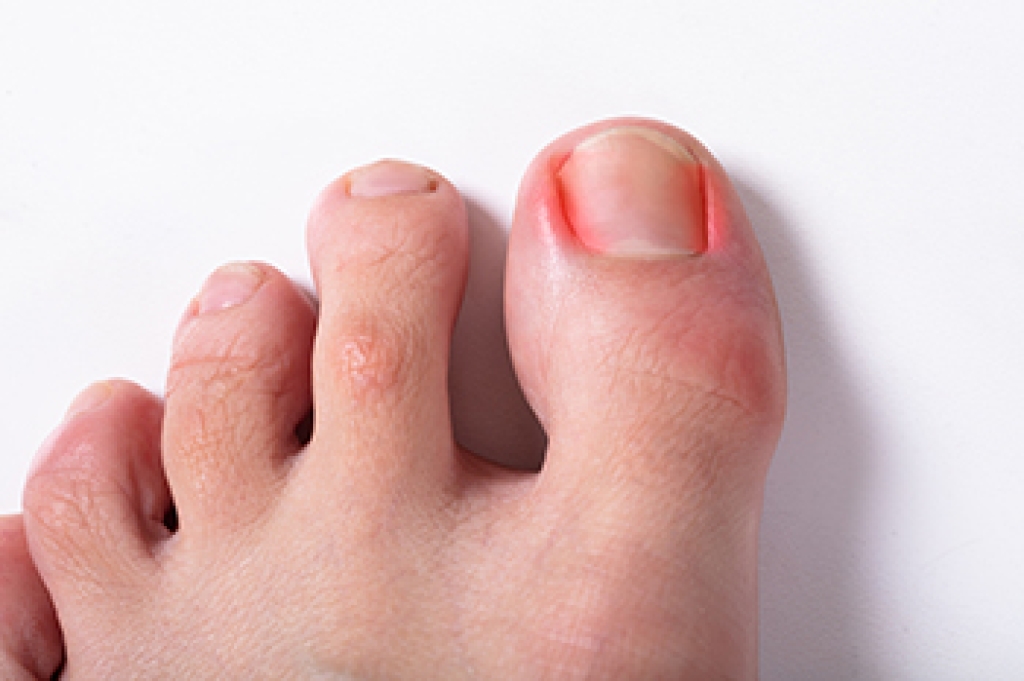
Ingrown toenails occur when the edges of the toenail grow into the surrounding skin, causing pain, swelling, and redness. The condition typically affects the big toe and can be caused by improper nail trimming, wearing tight shoes, or injury. There are three stages of ingrown toenails. Stage 1 is when the skin around the nail becomes red and tender. You may notice slight swelling, and it can feel sore when touched. Stage 2 is when the pain intensifies, and the area may become more swollen. Pus or drainage can develop, signaling possible infection. Stage 3 is when the infection worsens and the skin surrounding the toenail may become thickened, with an increased risk of chronic pain or permanent damage. A podiatrist can determine what stage your ingrown toenail is in and design a treatment plan. They can help by expertly trimming the nail or gently lifting the nail, removing any infected tissue, and offering advice to prevent future ingrown nails. If you are experiencing an ingrown toenail, it is suggested that you schedule an appointment with a podiatrist to get the proper care and avoid complications.

Ingrown toenails can become painful if they are not treated properly. For more information about ingrown toenails, contact one of our podiatrists of East Ocean Podiatry . Our doctors can provide the care you need to keep you pain-free and on your feet.

Ingrown Toenails

Ingrown toenails occur when a toenail grows sideways into the bed of the nail, causing pain, swelling, and possibly infection.

Causes

  • Bacterial infections
  • Improper nail cutting such as cutting it too short or not straight across
  • Trauma to the toe, such as stubbing, which causes the nail to grow back irregularly
  • Ill-fitting shoes that bunch the toes too close together
  • Genetic predisposition

Prevention

Wearing proper fitting shoes and using proper cutting techniques will also help decrease your risk of developing ingrown toenails.

Treatment

Ingrown toenails are a very treatable foot condition. In minor cases, soaking the affected area in salt or antibacterial soaps will not only help with the ingrown nail itself, but also help prevent any infections from occurring. In more severe cases, surgery is an option. In either case, speaking to your podiatrist about this condition will help you get a better understanding of specific treatment options that are right for you.

If you have any questions, please feel free to contact our office located in Deerfield Beach, FL . We offer the newest diagnostic and treatment technologies for all your foot care needs.

Read more about Ingrown Toenail Care

Finding Boots to Accommodate Plantar Fasciitis

Finding the right boots can help manage plantar fasciitis by providing necessary support and cushioning to reduce strain on the plantar fascia. Boots that support the arch, offer firm midsoles, and include adequate heel cushioning can help alleviate foot discomfort. A stiff sole helps distribute weight more evenly, reducing excessive pressure on the heel and arch. High-quality boots should not be overly flexible, as too much bending can worsen discomfort. A deep heel cup can also provide better stability for the foot and ankle, promoting proper alignment. People with plantar fasciitis should avoid boots with completely flat insoles, as these can increase strain on the plantar fascia, the band of tissue that runs along the sole of the foot. If additional support is needed, a podiatrist can assess your foot structure and gait to recommend proper footwear or custom orthotics. In severe cases, other treatment options may be considered, including medication or surgery for long-term relief. If you have foot problems related to plantar fasciitis, it is suggested that you schedule an appointment with a podiatrist.

Plantar fasciitis is a common foot condition that is often caused by a strain injury. If you are experiencing heel pain or symptoms of plantar fasciitis, contact one of our podiatrists from East Ocean Podiatry . Our doctors can provide the care you need to keep you pain-free and on your feet.

What Is Plantar Fasciitis?

Plantar fasciitis is one of the most common causes of heel pain. The plantar fascia is a ligament that connects your heel to the front of your foot. When this ligament becomes inflamed, plantar fasciitis is the result. If you have plantar fasciitis you will have a stabbing pain that usually occurs with your first steps in the morning. As the day progresses and you walk around more, this pain will start to disappear, but it will return after long periods of standing or sitting.

What Causes Plantar Fasciitis?

  • Excessive running
  • Having high arches in your feet
  • Other foot issues such as flat feet
  • Pregnancy (due to the sudden weight gain)
  • Being on your feet very often

There are some risk factors that may make you more likely to develop plantar fasciitis compared to others. The condition most commonly affects adults between the ages of 40 and 60. It also tends to affect people who are obese because the extra pounds result in extra stress being placed on the plantar fascia.

Prevention

  • Take good care of your feet – Wear shoes that have good arch support and heel cushioning.
  • Maintain a healthy weight
  • If you are a runner, alternate running with other sports that won’t cause heel pain

There are a variety of treatment options available for plantar fasciitis along with the pain that accompanies it. Additionally, physical therapy is a very important component in the treatment process. It is important that you meet with your podiatrist to determine which treatment option is best for you.

If you have any questions, please feel free to contact our office located in Deerfield Beach, FL . We offer the newest diagnostic and treatment technologies for all your foot care needs.
 

Read more about Plantar Fasciitis

Understanding Athlete's Foot and How to Prevent It

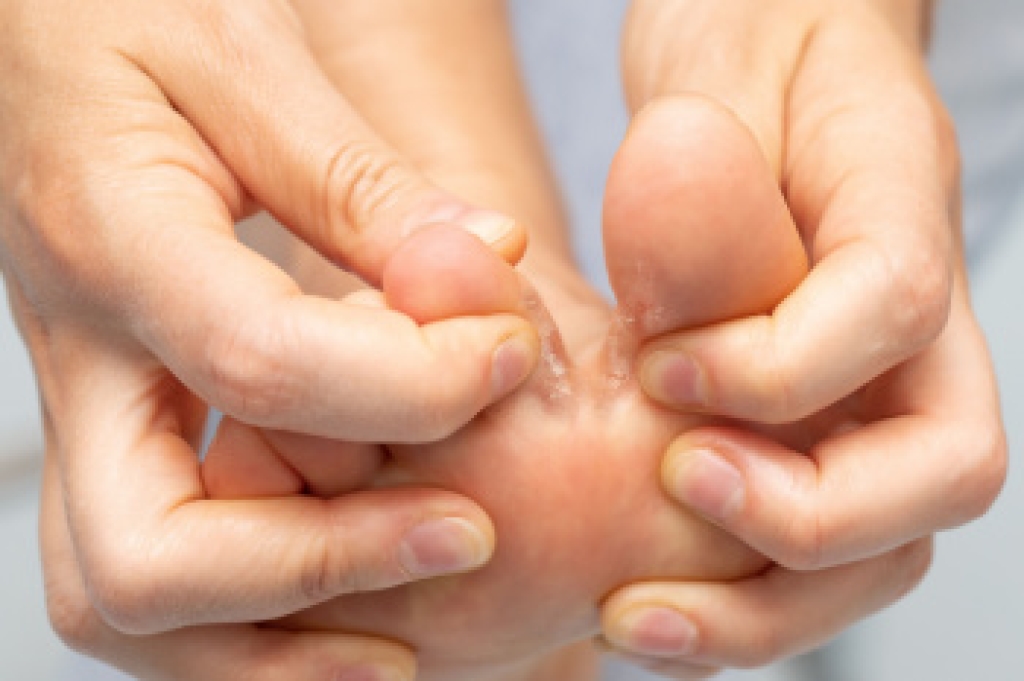
Athlete's foot is a fungal infection that affects the skin on the feet, often starting between the toes. It is caused by fungi that thrive in warm, damp environments. The infection leads to symptoms such as itching, redness, peeling, and sometimes blisters. Athlete's foot is extremely contagious and can spread in public places like gyms, swimming pool areas, and locker rooms. To prevent athlete's foot, it is important to maintain proper foot hygiene by keeping the feet clean and dry. Wearing moisture-wicking socks made of materials like cotton or wool can help reduce sweat build-up, which is a breeding ground for the fungus. Additionally, it is essential to wear well-ventilated shoes that allow the feet to breathe. Using antifungal powders or sprays can further protect against infection, especially for those who frequent public spaces. Regularly changing socks and avoiding walking barefoot in communal areas are also effective prevention measures. Athlete’s foot can be uncomfortable and unsightly. If you have developed this condition, it is suggested that you promptly contact a podiatrist who can effectively treat athlete’s foot, often with prescribed medication.

Athlete’s Foot

Athlete’s foot is often an uncomfortable condition to experience. Thankfully, podiatrists specialize in treating athlete’s foot and offer the best treatment options. If you have any questions about athlete’s foot, consult with one of our podiatrists from East Ocean Podiatry . Our doctors will assess your condition and provide you with quality treatment.

What Is Athlete’s Foot?

Tinea pedis, more commonly known as athlete’s foot, is a non-serious and common fungal infection of the foot. Athlete’s foot is contagious and can be contracted by touching someone who has it or infected surfaces. The most common places contaminated by it are public showers, locker rooms, and swimming pools. Once contracted, it grows on feet that are left inside moist, dark, and warm shoes and socks.

Prevention

The most effective ways to prevent athlete’s foot include:

  • Thoroughly washing and drying feet
  • Avoid going barefoot in locker rooms and public showers
  • Using shower shoes in public showers
  • Wearing socks that allow the feet to breathe
  • Changing socks and shoes frequently if you sweat a lot

Symptoms

Athlete’s foot initially occurs as a rash between the toes. However, if left undiagnosed, it can spread to the sides and bottom of the feet, toenails, and if touched by hand, the hands themselves. Symptoms include:

  • Redness
  • Burning
  • Itching
  • Scaly and peeling skin

Diagnosis and Treatment

Diagnosis is quick and easy. Skin samples will be taken and either viewed under a microscope or sent to a lab for testing. Sometimes, a podiatrist can diagnose it based on simply looking at it. Once confirmed, treatment options include oral and topical antifungal medications.

If you have any questions, please feel free to contact our office located in Deerfield Beach, FL . We offer the newest diagnostic and treatment technologies for all your foot care needs.

Read more about How to Deal with Athlete's Foot

It's Time for Beautiful Feet

You don't need an excuse to have beautiful nails. Step outside without worrying about the appearance of your feet.

Juvenile Idiopathic Arthritis and Foot Health

Juvenile Idiopathic Arthritis, or JIA, is an autoimmune condition causing joint inflammation in children under age 16. Its exact cause remains unknown, but it occurs when the immune system mistakenly attacks healthy joint tissue. JIA often impacts the small joints of the feet and ankles, leading to pain, swelling, and stiffness. This can affect a child's ability to walk or participate in activities, potentially causing uneven foot development. Long-term inflammation may also lead to joint damage or deformities. Prompt treatment is critical to manage symptoms and prevent complications. If your child has JIA, it is suggested that you schedule an appointment with a podiatrist who can play a key role in developing a personalized care plan, which may include orthotics, targeted exercises, or footwear modifications to support mobility and provide comfort.

Arthritis can be a difficult condition to live with. If you are seeking treatment, contact one of our podiatrists from East Ocean Podiatry . Our doctors can provide the care you need to keep you pain-free and on your feet.

Arthritic Foot Care  

Arthritis is a joint disorder that involves the inflammation of different joints in your body, such as those in your feet. Arthritis is often caused by a degenerative joint disease and causes mild to severe pain in all affected areas. In addition to this, swelling and stiffness in the affected joints can also be a common symptom of arthritis.

In many cases, wearing ill-fitting shoes can worsen the effects and pain of arthritis. Wearing shoes that have a lower heel and extra room can help your feet feel more comfortable. In cases of rheumatoid arthritis, the arch in your foot may become problematic. Buying shoes with proper arch support that contour to your feet can help immensely.

Alleviating Arthritic Pain

  • Exercises that stretch the foot can prevent further pain and injury and increase mobility
  • Most of the pain can be alleviated with anti-inflammatory drugs, heat, and topical medications
  • Massages can help temporarily alleviate pain.

It is best to see your doctor for the treatment that is right for your needs and symptoms. Conditions vary, and a podiatrist can help you determine the right method of care for your feet.

If you have any questions please feel free to contact our office located in Deerfield Beach, FL . We offer the newest diagnostic tools and technology to treat your foot and ankle needs.

Read more about Arthritic Foot Care

Causes and Prevention of Vamp Disease

Vamp disease, also known as anterior tibial tendonitis, is a condition that affects the tendon in the lower leg, specifically the anterior tibialis tendon. This tendon is responsible for lifting the foot during walking and running. Vamp disease is characterized by pain and tenderness in the front of the ankle and lower leg, especially during physical activities like running or jumping. The pain may worsen with movement and often improves with rest. The primary cause of vamp disease is overuse or repetitive strain on the anterior tibialis tendon, commonly seen in athletes or individuals who engage in activities that involve frequent jumping, running, or quick direction changes. Wearing ill-fitting footwear or sudden changes in activity level can also contribute to its development. To avoid vamp disease, it is important to gradually increase activity intensity, wear proper footwear with good support, and allow adequate rest between workouts to prevent overuse injuries. If you have pain in this part of your foot and ankle, it is suggested that you confer with a podiatrist who can offer a proper diagnosis and effective relief solutions.

Foot Pain

Foot pain can be extremely painful and debilitating. If you have a foot pain, consult with one of our podiatrists from East Ocean Podiatry . Our doctors will assess your condition and provide you with quality foot and ankle treatment.

Causes

Foot pain is a very broad condition that could be caused by one or more ailments. The most common include:

  • Bunions
  • Hammertoes
  • Plantar Fasciitis
  • Bone Spurs
  • Corns
  • Tarsal Tunnel Syndrome
  • Ingrown Toenails
  • Arthritis (such as Gout, Rheumatoid, and Osteoarthritis)
  • Flat Feet
  • Injury (from stress fractures, broken toe, foot, ankle, Achilles tendon ruptures, and sprains)
  • And more

Diagnosis

To figure out the cause of foot pain, podiatrists utilize several different methods. This can range from simple visual inspections and sensation tests to X-rays and MRI scans. Prior medical history, family medical history, and any recent physical traumatic events will all be taken into consideration for a proper diagnosis.

Treatment

Treatment depends upon the cause of the foot pain. Whether it is resting, staying off the foot, or having surgery; podiatrists have a number of treatment options available for foot pain.

If you have any questions, please feel free to contact our office located in Deerfield Beach, FL . We offer the newest diagnostic and treatment technologies for all your foot care needs.

Read more about Foot Pain

Causes of a Stubbed Toe

A stubbed toe occurs when the toe strikes a hard object with force, typically resulting in pain and discomfort. The injury is usually caused by a sudden misstep or an accidental bump against furniture, walls, or other objects. This forceful impact can lead to different types of injury, such as bruising, spraining, or even breaking the toe. A bruised toe will often show discoloration, swelling, and tenderness. A broken toe, on the other hand, may cause severe pain, difficulty moving the toe, and a visible deformity. A sprained toe involves damage to the ligaments, leading to swelling and pain, though it may not show the same level of severity as a break. It is essential to assess the symptoms to determine the extent of the injury. If you have stubbed your toe and the pain persists, it is suggested that you promptly consult a podiatrist who can determine if a serious injury has occurred, and recommend appropriate treatment solutions.

Toe pain can disrupt your daily activities. If you have any concerns, contact one of our podiatrists of East Ocean Podiatry . Our doctors can provide the care you need to keep you pain-free and on your feet.

What Causes Toe Pain?

Most severe toe pain is caused due to a sports injury, trauma from dropping something heavy on the toe, or bumping into something rigid. Other problems can develop over time for various reasons.

Toe pain can be caused by one or more ailments. The most common include:

  • Trauma
  • Sports injury
  • Wearing shoes that are too tight
  • Arthritis
  • Gout
  • Corns and calluses
  • Hammertoe
  • Bunions
  • Blisters
  • Ingrown toenails
  • Sprains
  • Fractures (broken bones)
  • Dislocations

When to See a Podiatrist

  • Severe pain
  • Persistent pain that lasts more than a week
  • Signs of infection
  • Continued swelling
  • Pain that prevents walking

Diagnosis

In many cases the cause of toe pain is obvious, but in others, a podiatrist may want to use more advanced methods to determine the problem. These can range from simple visual inspections and sensation tests to X-rays and MRI scans. Prior medical history, family medical history, and any recent physical traumatic events will all be taken into consideration for a proper diagnosis.

Treatment

Treatments for toe pain and injuries vary and may include shoe inserts, padding, taping, medicines, injections, and in some cases, surgery. If you believe that you have broken a toe, please see a podiatrist as soon as possible.

If you have any questions please contact our office located in Deerfield Beach, FL . We offer the newest diagnostic and treatment technologies for all your foot and ankle needs.

Read more about Toe Pain

Connect With Us