
How Weight Can Affect Your Feet

Carrying excess weight can significantly impact your feet, leading to a variety of foot-related problems. Extra body weight places added pressure on the feet, especially on the joints, tendons, and ligaments, which can lead to discomfort, inflammation, and overuse injuries. Conditions such as plantar fasciitis, heel spurs, and arthritis are often more prevalent in people with higher body weight. Obesity is also linked to lower arches and pronated foot posture, which further increases stress on the feet and contributes to pain. A podiatrist can recommend supportive footwear, prescribe custom orthotics, and suggest specific exercises to alleviate pain and prevent further damage. Additionally, this foot doctor can monitor your foot health and offer guidance on lifestyle changes that could lessen strain on the feet. If you have foot problems that may be related to carrying extra weight, it is suggested that you schedule an appointment with a podiatrist for an exam and treatment.

Obesity has become very problematic at this point in time and can have extremely negative effects on the feet. If you’re an obese individual and are concerned about your feet, contact one of our podiatrists from East Ocean Podiatry . Our doctors can provide the care you need to keep you pain-free and on your feet.

Obesity and Your Feet

Since your feet are what support your entire weight when standing, any additional weight can result in pain and swelling. Being overweight is one of the main contributors to foot complications.

Problems & Complications

Extra Weight – Even putting on just a few extra pounds could create serious complications for your feet. As your weight increases, your balance and body will shift, creating new stresses on your feet. This uneven weight distribution can cause pain, even while doing the simplest tasks, such as walking.

Diabetes – People who are overweight are at serious risk of developing type-2 diabetes, which has a drastic impact on the health of your feet. As you get older, your diabetes might worsen, which could lead to loss of feeling in your feet, sores, and bruises. You could also become more prone to various infections.

Plantar fasciitis – Pressure and stress that is placed on muscles, joints, and tendons can trigger plantar fasciitis, which is an inflammation of tissue that forms along the bottom of the foot. 

If you have any questions, please feel free to contact our office located in Deerfield Beach, FL . We offer the newest diagnostic and treatment technologies for all your foot care needs.


Read more about How Obesity Affects Your Feet

Why Live with Pain and Numbness in Your Feet?

Suffering from this type of pain? You may have the foot condition known as Morton's neuroma. Morton's neuroma may develop as a result of ill-fitting footwear and existing foot deformities. We can help.

Causes of Ankle Pain When Walking

Ankle pain when walking can have several causes, ranging from injury to underlying medical conditions. Common injuries like sprains or strains occur when ligaments or muscles in the ankle are overstretched or torn, often from twisting or rolling the ankle. Ankle bruising, fractures, or breaks can also result in significant discomfort, especially when weight is placed on the joint. Conditions such as osteoarthritis and gout can lead to chronic ankle pain. Osteoarthritis pain is the result of cartilage breakdown between the bones, while gout is inflammation caused by the buildup of uric acid crystals in the ankle joint. A podiatrist can diagnose the cause of ankle pain and offer appropriate treatment options. If you experience ankle pain when you walk, it is suggested that you schedule an appointment with a podiatrist for an evaluation and treatment.

Ankle pain can have many different causes and the pain may potentially be serious. If you have ankle pain, consult with one of our podiatrists from East Ocean Podiatry . Our doctors will assess your condition and provide you with quality foot and ankle treatment.

Ankle pain is any condition that causes pain in the ankle. Due to the fact that the ankle consists of tendons, muscles, bones, and ligaments, ankle pain can come from a number of different conditions.

Causes

The most common causes of ankle pain include:

  • Types of arthritis (rheumatoid, osteoarthritis, and gout)
  • Ankle sprains
  • Broken ankles
  • Achilles tendinitis
  • Achilles tendon rupture
  • Stress fractures
  • Tarsal tunnel syndrome
  • Plantar fasciitis

Symptoms

Symptoms of ankle injury vary based upon the condition. Pain may include general pain and discomfort, swelling, aching, redness, bruising, burning or stabbing sensations, and/or loss of sensation.

Diagnosis

Due to the wide variety of potential causes of ankle pain, podiatrists will utilize a number of different methods to properly diagnose ankle pain. This can include asking for personal and family medical histories and of any recent injuries. Further diagnosis may include sensation tests, a physical examination, and potentially x-rays or other imaging tests.

Treatment

Just as the range of causes varies widely, so do treatments. Some more common treatments are rest, ice packs, keeping pressure off the foot, orthotics and braces, medication for inflammation and pain, and surgery.

If you have any questions please feel free to contact our office located in Deerfield Beach, FL . We offer the newest diagnostic tools and technology to treat your foot and ankle needs.

Read more about Various Causes of Ankle Pain

Blister Prevention Methods for Active Lifestyles

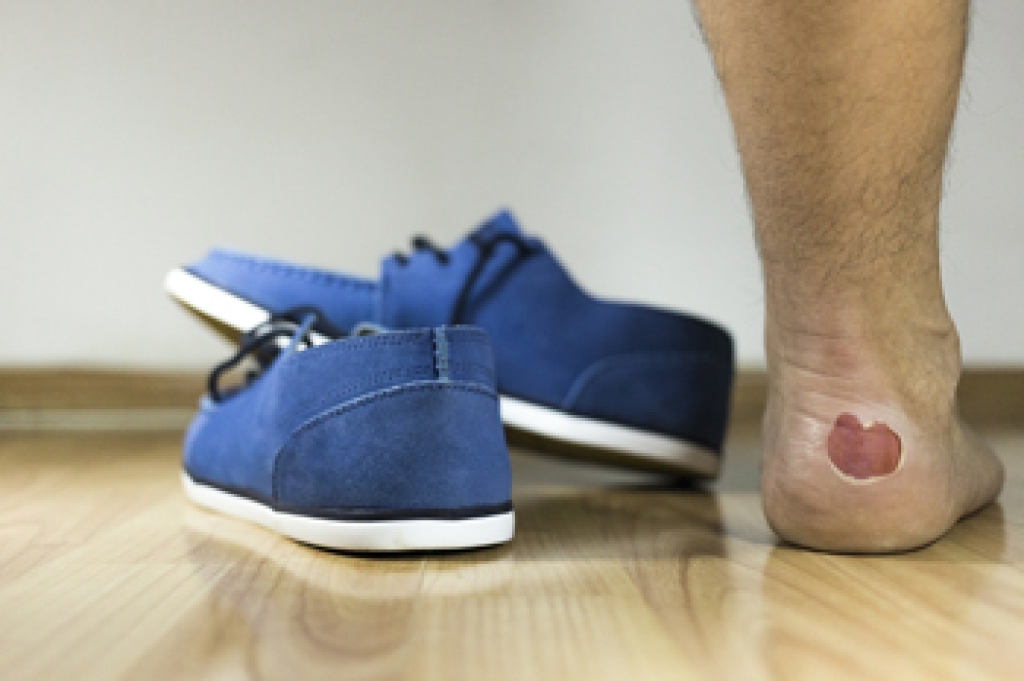
Blisters are common nuisances that can hinder an active lifestyle, but several effective prevention methods can help keep them at bay. One of the most important strategies is wearing properly fitted shoes that provide adequate support and cushioning. It is important to choose footwear that accommodates the shape of your feet, reducing friction and pressure points. Using moisture-wicking socks can also minimize the risk of blisters, as they help keep feet dry and reduce friction. Applying blister prevention products, such as protective adhesive bandages or lubricants, can create a barrier between the skin and footwear. Additionally, gradually breaking in new shoes allows your feet to adapt, reducing the likelihood of irritation. Foot blisters can be uncomfortable, causing difficulty in completing daily activities. If you have developed a foot blister that has become infected, it is suggested that you promptly consult a podiatrist who can provide adequate relief, and educate you on additional prevention methods.

Blisters are prone to making everyday activities extremely uncomfortable. If your feet are hurting, contact one of our podiatrists of East Ocean Podiatry . Our doctors can provide the care you need to keep you pain-free and on your feet.

Foot Blisters

Foot blisters develop as a result of constantly wearing tight or ill-fitting footwear. This happens due to the constant rubbing from the shoe, which can often lead to pain.

What Are Foot Blisters?

A foot blister is a small fluid-filled pocket that forms on the upper-most layer of the skin. Blisters are filled with clear fluid and can lead to blood drainage or pus if the area becomes infected.

How Do Blisters Form?

Blisters on the feet are often the result of constant friction of skin and material, usually by shoe rubbing. Walking in sandals, boots, or shoes that don’t fit properly for long periods of time can result in a blister. Having consistent foot moisture and humidity can easily lead to blister formation.

Prevention & Treatment

It is important to properly care for the affected area in order to prevent infection and ease the pain. Do not lance the blister and use a Band-Aid to provide pain relief. Also, be sure to keep your feet dry and wear proper fitting shoes. If you see blood or pus in a blister, seek assistance from a podiatrist.

If you have any questions, please feel free to contact our office located in Deerfield Beach, FL . We offer the newest diagnostic and treatment technologies for all your foot care needs.
Read more about Blisters on the Feet

Common Foot and Ankle Injuries in Pickleball

Pickleball, while a fun and engaging sport, can lead to various foot and ankle injuries due to its fast-paced nature and quick movements. One common injury is an ankle sprain, which often occurs when players twist or land awkwardly during play, resulting in pain and swelling. Another frequent pickleball injury is plantar fasciitis, characterized by heel pain that develops from repetitive stress and strain on the plantar fascia. Achilles tendonitis can also arise from overuse, causing discomfort at the back of the heel. Additionally, blisters and calluses may develop due to friction from quick lateral movements and improper footwear. If you have suffered a foot or ankle injury from playing pickleball, it is suggested that you consult a podiatrist who can treat these conditions and guide you on effective injury prevention techniques.

Ankle and foot injuries are common among athletes and in many sports. They can be caused by several problems and may be potentially serious. If you are feeling pain or think you were injured in a sporting event or when exercising, consult with one of our podiatrists from East Ocean Podiatry . Our doctors will assess your condition and provide you with quality foot and ankle treatment.

Common Injuries

The most common injuries that occur in sporting activities include:

  • Achilles Tendonitis
  • Achilles Tendon Rupture
  • Ankle Sprains
  • Broken Foot
  • Plantar Fasciitis
  • Stress Fractures
  • Turf Toe

Symptoms

Symptoms vary depending upon the injury and in some cases, there may be no symptoms at all. However, in most cases, some form of symptom is experienced. Pain, aching, burning, bruising, tenderness, tightness or stiffness, sensation loss, difficulty moving, and swelling are the most common symptoms.

Treatment

Just as symptoms vary depending upon the injury, so do treatment options. A common treatment method is known as the RICE method. This method involves rest, applying ice, compression and elevating the afflicted foot or ankle. If the injury appears to be more serious, surgery might be required, such as arthroscopic or reconstructive surgery. Lastly, rehabilitation or therapy might be needed to gain full functionality in the afflicted area. Any discomfort experienced by an athlete must be evaluated by a licensed, reputable medical professional.  

If you have any questions please contact our office located in Deerfield Beach, FL . We offer the newest diagnostic and treatment technologies for all your foot and ankle needs.

Read more about Sports Related Foot and Ankle Injuries

Connect With Us