Balance Exercises Can Help Prevent Falls

Balance is a fundamental aspect of daily life, affecting activities like walking, standing, and even tying your shoes. Recent research highlights its role in overall health, with studies revealing a correlation between poor balance and increased mortality risk. Incorporating balance exercises into your routine can lower this risk and improve stability. Here are a few exercises that aim to improve balance and reduce the likelihood of falling. It’s a good idea to have a chair or wall nearby to hold on to while performing them. The first is single-leg standing, where you elevate one leg while maintaining posture and gradually increase duration. Next is heel-to-toe walking, simulating a tightrope walk to enhance balance and coordination. Finally, integrating yoga practice can help to improve body awareness and proprioception, which is needed for equilibrium. Whether you're an athlete aiming for peak performance or an older adult with balance problems, these exercises can help reduce the risk of falls and promote overall well-being. For help with foot and ankle problems related to mobility or stability, it is suggested that you visit a podiatrist for a full exam.

Preventing falls among the elderly is very important. If you are older and have fallen or fear that you are prone to falling, consult with one of our podiatrists from East Ocean Podiatry . Our doctors will assess your condition and provide you with quality advice and care.

Every 11 seconds, an elderly American is being treated in an emergency room for a fall related injury. Falls are the leading cause of head and hip injuries for those 65 and older. Due to decreases in strength, balance, senses, and lack of awareness, elderly persons are very susceptible to falling. Thankfully, there are a number of things older persons can do to prevent falls.

How to Prevent Falls

Some effective methods that older persons can do to prevent falls include:

  • Enrolling in strength and balance exercise program to increase balance and strength
  • Periodically having your sight and hearing checked
  • Discuss any medications you have with a doctor to see if it increases the risk of falling
  • Clearing the house of falling hazards and installing devices like grab bars and railings
  • Utilizing a walker or cane
  • Wearing shoes that provide good support and cushioning
  • Talking to family members about falling and increasing awareness

Falling can be a traumatic and embarrassing experience for elderly persons; this can make them less willing to leave the house, and less willing to talk to someone about their fears of falling. Doing such things, however, will increase the likelihood of tripping or losing one’s balance. Knowing the causes of falling and how to prevent them is the best way to mitigate the risk of serious injury.  

If you have any questions, please feel free to contact our office located in Deerfield Beach, FL . We offer the newest diagnostic and treatment technologies for all your foot care needs.


Read more about Falls Prevention

Heel Pain in the Morning?

Heel pain can negatively affect your day-to-day life. Simple activities like walking can become incredibly uncomfortable or painful due to heel pain.

Don’t live with heel pain and get treated.

The Impact of Obesity on Foot Health

In today's fast-paced world, the rising concern of obesity has become a significant health issue, affecting various aspects of our well-being. One often overlooked consequence of obesity is its profound impact on foot health. The excess weight carried by obese individuals places an immense burden on the feet, leading to a myriad of problems. Feet, being the foundation of our body, bear the brunt of this added pressure, causing strain on joints, ligaments, bones, and tendons. Over time, this strain can result in conditions such as plantar fasciitis, flat feet, and arthritis. The increased load also hampers circulation, contributing to swelling and discomfort. Neglecting foot health in the context of obesity can exacerbate these issues, impacting overall mobility and quality of life. Recognizing the intricate connection between obesity and foot health is vital for fostering a proactive approach to address this concern. If you are overweight and have foot pain, it is suggested that you consult a podiatrist who can help you to see the connection and provide appropriate relief options.

The more you weigh, the harder your feet must work to support your body. If you’re an obese individual and are concerned about your feet, contact one of our podiatrists from East Ocean Podiatry . Our doctors can provide the care you need to keep you pain-free and on your feet.

Obesity and Your Feet

People who are overweight are putting more pressure on their ankles, knees, and hips as well as their feet. This unfortunately can lead to variety of different issues.

Problems & Complications Stemming from Obesity

  • When the body is overweight, it tries to compensate by changing the way that it moves. An obese person may lean forward and put extra weight on the wrong part of the foot. This puts unnecessary stress on the feet.
  • Obese people are also more likely to develop type II diabetes which is a condition that causes a lot of foot problems. People with diabetes often don’t feel the cuts and sores that they may have on their feet, which can lead to more complicated and severe issues.
  • Plantar fasciitis is another foot condition that can be caused by obesity. Plantar fasciitis is an inflammation of the tissue along the bottom of the foot, which causes pain and stiffness while walking and climbing stairs.

If you have any questions please contact our office located in Deerfield Beach, FL . We offer the newest diagnostic and treatment technologies for all your foot and ankle needs.

Read more about Obesity and the Feet

Treatment of Toenail Fungus

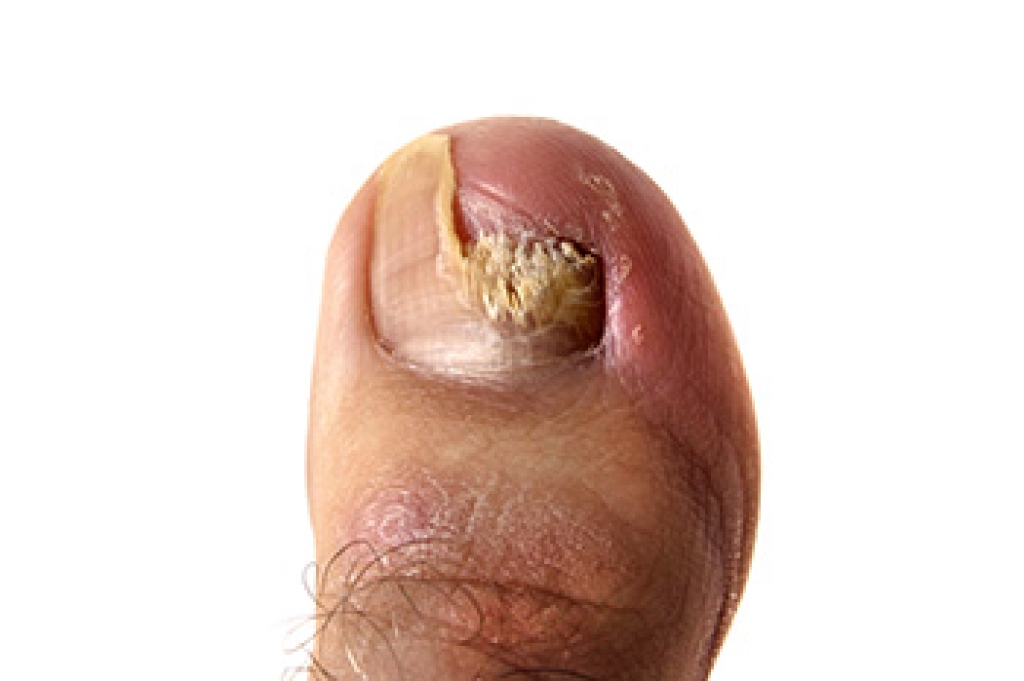
The treatment of toenail fungus, medically known as onychomycosis, aims to eliminate the fungal infection and improve the appearance and health of the affected nails. Treatment options for toenail fungus can vary depending on the severity of the infection. In many cases, antifungal nail paints or creams can be effective for mild infections. These topical treatments need to be applied consistently over several months. For more severe or persistent cases, prescription medications may be required. Oral antifungal medications prescribed by a podiatrist are often more potent and can lead to better outcomes. However, they may have side effects and require monitoring during treatment. In some instances, where the infection is resistant to other treatments or when multiple nails are affected, surgical options such as nail removal or laser therapy may be considered. If you have toenail fungus, it is suggested that you schedule an appointment with a podiatrist for a consultation and treatment appropriate to your situation.

If left untreated, toenail fungus may spread to other toenails, skin, or even fingernails. If you suspect you have toenail fungus it is important to seek treatment right away. For more information about treatment, contact one of our podiatrists of East Ocean Podiatry . Our doctors can provide the care you need to keep you pain-free and on your feet.

Symptoms

  • Warped or oddly shaped nails
  • Yellowish nails
  • Loose/separated nail
  • Buildup of bits and pieces of nail fragments under the nail
  • Brittle, broken, thickened nail

Treatment

If self-care strategies and over-the-counter medications does not help your fungus, your podiatrist may give you a prescription drug instead. Even if you find relief from your toenail fungus symptoms, you may experience a repeat infection in the future.

Prevention

In order to prevent getting toenail fungus in the future, you should always make sure to wash your feet with soap and water. After washing, it is important to dry your feet thoroughly especially in between the toes. When trimming your toenails, be sure to trim straight across instead of in a rounded shape. It is crucial not to cover up discolored nails with nail polish because that will prevent your nail from being able to “breathe”.

In some cases, surgical procedure may be needed to remove the toenail fungus. Consult with your podiatrist about the best treatment options for your case of toenail fungus.  

If you have any questions please contact our office located in Deerfield Beach, FL . We offer the newest diagnostic and treatment technologies for all your foot and ankle needs.

Read more about Toenail Fungus

What Can Be Done About Bunions?

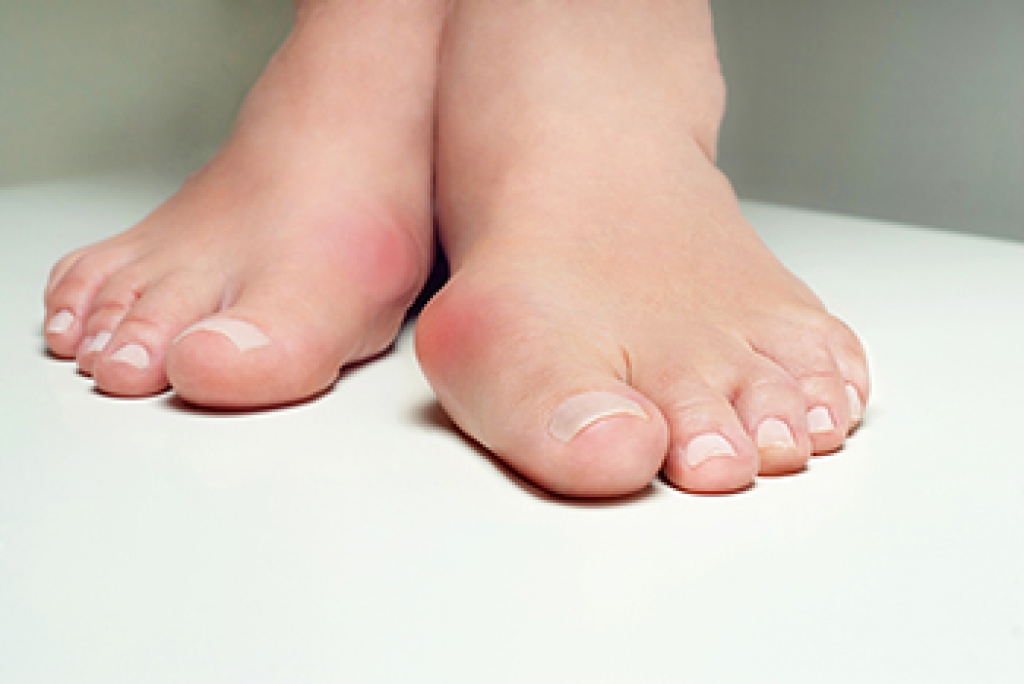
Bunions, also known as hallux valgus, are a common and often misunderstood foot deformity. While they may appear as a bump on the side of the big toe, they involve changes in the bone structure. The big toe leans towards the second toe, causing misalignment and the formation of the visible bump. Bunions are progressive and develop over time. Symptoms may include pain, inflammation, burning, and even numbness, especially when wearing tight shoes or high heels. Women are more prone to symptoms due to footwear choices. While shoes do not cause bunions, they can exacerbate the condition. Bunions can be caused by an inherited faulty foot structure, making some people more susceptible. Diagnosis involves a physical examination and X-rays to assess the deformity's extent. Treatment options include changes in footwear, padding, activity modification, medication, injections, and custom orthotic devices. Surgery may be necessary when non-surgical treatments fail to alleviate pain and interfere with daily activities. Various surgical procedures aim to correct the deformity and reduce pain. The choice of surgery depends on factors like the extent of deformity, age, and activity level. If you have a painful bunion, it is suggested that you schedule an appointment with a podiatrist to see how they can help you.

If you are suffering from bunions, contact one of our podiatrists of East Ocean Podiatry . Our doctors can provide the care you need to keep you pain-free and on your feet.

What Is a Bunion?

A bunion is formed of swollen tissue or an enlargement of boney growth, usually located at the base joint of the toe that connects to the foot. The swelling occurs due to the bones in the big toe shifting inward, which impacts the other toes of the foot. This causes the area around the base of the big toe to become inflamed and painful.

Why Do Bunions Form?

Genetics – Susceptibility to bunions are often hereditary

Stress on the feet – Poorly fitted and uncomfortable footwear that places stress on feet, such as heels, can worsen existing bunions

How Are Bunions Diagnosed?

Doctors often perform two tests – blood tests and x-rays – when trying to diagnose bunions, especially in the early stages of development. Blood tests help determine if the foot pain is being caused by something else, such as arthritis, while x-rays provide a clear picture of your bone structure to your doctor.

How Are Bunions Treated?

  • Refrain from wearing heels or similar shoes that cause discomfort
  • Select wider shoes that can provide more comfort and reduce pain
  • Anti-inflammatory and pain management drugs
  • Orthotics or foot inserts
  • Surgery

If you have any questions, please feel free to contact our office located in Deerfield Beach, FL . We offer the newest diagnostic and treatment technologies for all your foot care needs.
Read more about What Are Bunions?

Connect With Us