Tarsal Tunnel Syndrome and Posterior Tibial Nerve Pain

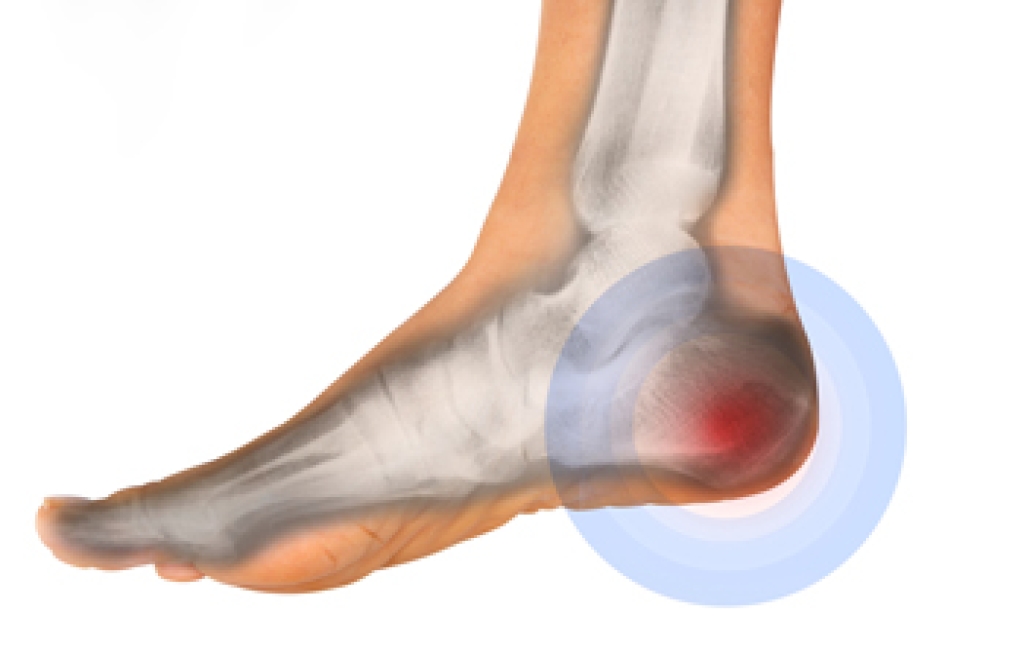
Tarsal tunnel syndrome is a condition that occurs when the posterior tibial nerve becomes compressed as it passes through the tarsal tunnel near the inner ankle. This nerve compression can cause pain that radiates along the arch, heel, or toes. Common symptoms include burning sensations, tingling, numbness, sharp pain, or aching that worsens with walking or prolonged standing. Causes may include flat feet, swelling, injury, cysts, varicose veins, or inflammation that increases pressure within the tarsal tunnel. A podiatrist can perform a thorough evaluation to identify the source of nerve irritation and confirm the diagnosis. Treatment may include wearing supportive footwear, custom orthotics, activity modification, and targeted therapies to relieve pressure on the nerve. Early care helps reduce discomfort and prevent long-term nerve damage. If you have pain near the inner ankle, it is suggested that you consult a podiatrist who can accurately diagnose and treat what may be going on.

Tarsal tunnel syndrome can be very uncomfortable to live with. If you are experiencing tarsal tunnel syndrome, contact one of our podiatrists of East Ocean Podiatry . Our doctors can provide the care you need to keep you pain-free and on your feet.

Tarsal Tunnel Syndrome

Tarsal tunnel syndrome, which can also be called tibial nerve dysfunction, is an uncommon condition of misfiring peripheral nerves in the foot. The tibial nerve is the peripheral nerve in the leg responsible for sensation and movement of the foot and calf muscles. In tarsal tunnel syndrome, the tibial nerve is damaged, causing problems with movement and feeling in the foot of the affected leg.

Common Cause of Tarsal Tunnel Syndrome

  • Involves pressure or an injury, direct pressure on the tibial nerve for an extended period of time, sometimes caused by other body structures close by or near the knee.
  • Diseases that damage nerves, including diabetes, may cause tarsal tunnel syndrome.
  • At times, tarsal tunnel syndrome can appear without an obvious cause in some cases.

The Effects of Tarsal Tunnel Syndrome

  • Different sensations, an afflicted person may experience pain, tingling, burning or other unusual sensations in the foot of the affected leg.
  • The foot muscles, toes and ankle become weaker, and curling your toes or flexing your foot can become difficult.
  • If condition worsens, infections and ulcers may develop on the foot that is experiencing the syndrome.

A physical exam of the leg can help identify the presence of tarsal tunnel syndrome. Medical tests, such as a nerve biopsy, are also used to diagnose the condition. Patients may receive physical therapy and prescriptive medication. In extreme cases, some may require surgery.

If you have any questions please contact our office located in Deerfield Beach, FL . We offer the newest diagnostic and treatment technologies for all your foot and ankle needs.

Read more about Treating Tarsal Tunnel Syndrome

Common Types of Foot Pain

Foot pain can develop from a variety of conditions that affect comfort and mobility. A bunion is a bony prominence at the base of the big toe, often caused by joint misalignment and pressure from footwear. Corns are thickened areas of skin that form due to repeated friction or pressure on the toes or soles. Gout is an inflammatory condition caused by a buildup of uric acid in the joints, leading to sudden swelling and severe pain, commonly in the big toe. Plantar warts are small growths on the bottom of the foot caused by a viral infection entering through tiny skin breaks. A podiatrist can accurately diagnose each condition, relieve pain, and provide targeted treatment and prevention strategies. If foot pain is affecting your daily life, it is suggested that you schedule a visit with a podiatrist who can provide effective relief and treatment solutions.

Foot Pain

Foot pain can be extremely painful and debilitating. If you have a foot pain, consult with one of our podiatrists from East Ocean Podiatry . Our doctors will assess your condition and provide you with quality foot and ankle treatment.

Causes

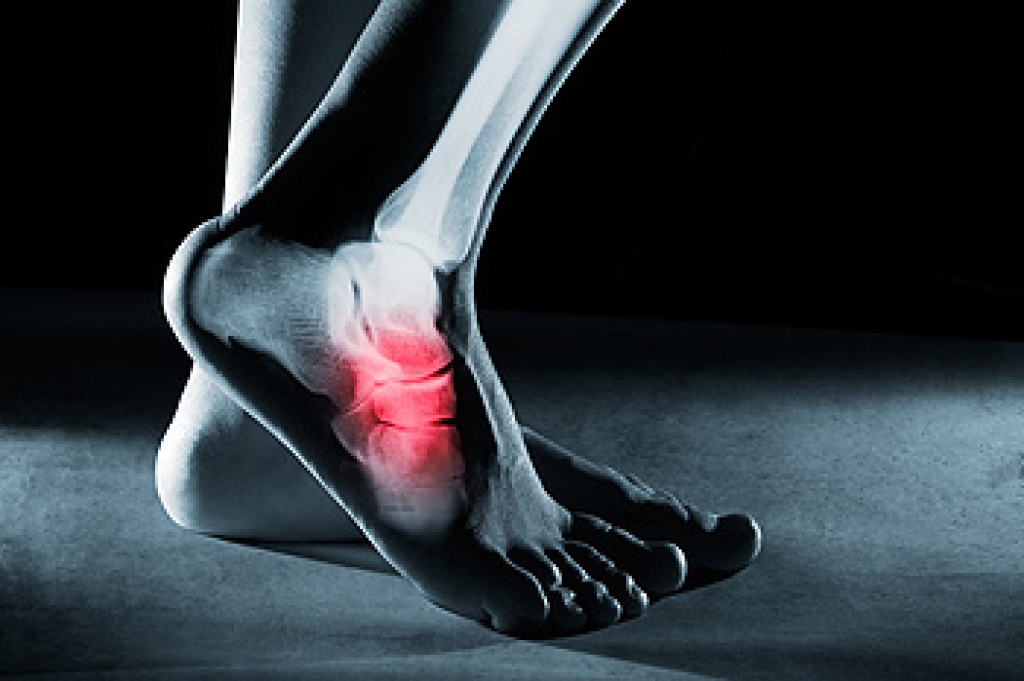
Foot pain is a very broad condition that could be caused by one or more ailments. The most common include:

  • Bunions
  • Hammertoes
  • Plantar Fasciitis
  • Bone Spurs
  • Corns
  • Tarsal Tunnel Syndrome
  • Ingrown Toenails
  • Arthritis (such as Gout, Rheumatoid, and Osteoarthritis)
  • Flat Feet
  • Injury (from stress fractures, broken toe, foot, ankle, Achilles tendon ruptures, and sprains)
  • And more

Diagnosis

To figure out the cause of foot pain, podiatrists utilize several different methods. This can range from simple visual inspections and sensation tests to X-rays and MRI scans. Prior medical history, family medical history, and any recent physical traumatic events will all be taken into consideration for a proper diagnosis.

Treatment

Treatment depends upon the cause of the foot pain. Whether it is resting, staying off the foot, or having surgery; podiatrists have a number of treatment options available for foot pain.

If you have any questions, please feel free to contact our office located in Deerfield Beach, FL . We offer the newest diagnostic and treatment technologies for all your foot care needs.

Read more about Foot Pain

Achilles Tendon Injuries and What They Mean for Your Mobility

The Achilles tendon plays a crucial role in walking, running, and pushing off the ground, which makes injuries to this structure both painful and limiting. Problems can occur from overuse, tight calf muscles, sudden increases in activity, or wearing improper footwear. Common conditions include tendonitis, which causes inflammation and soreness, and tendinosis, which involves gradual weakening of the tendon fibers. More severe achilles tendon injuries, such as partial tears or complete ruptures, may happen during explosive movements or sports activities. Symptoms often include sharp or aching pain along the back of the heel, stiffness in the morning, swelling, or difficulty rising onto the toes. Early care focuses on reducing strain through rest, stretching, and wearing supportive footwear. More advanced injuries may require immobilization, targeted exercises, or surgical correction. If you notice ongoing pain or difficulty with everyday movement, it is suggested that you see a podiatrist who can provide a thorough evaluation and recommend appropriate treatment.

Achilles tendon injuries need immediate attention to avoid future complications. If you have any concerns, contact one of our podiatrists of East Ocean Podiatry . Our doctors can provide the care you need to keep you pain-free and on your feet.

What Is the Achilles Tendon?

The Achilles tendon is a tendon that connects the lower leg muscles and calf to the heel of the foot. It is the strongest tendon in the human body and is essential for making movement possible. Because this tendon is such an integral part of the body, any injuries to it can create immense difficulties and should immediately be presented to a doctor.

What Are the Symptoms of an Achilles Tendon Injury?

There are various types of injuries that can affect the Achilles tendon. The two most common injuries are Achilles tendinitis and ruptures of the tendon.

Achilles Tendinitis Symptoms

  • Inflammation
  • Dull to severe pain
  • Increased blood flow to the tendon
  • Thickening of the tendon

Rupture Symptoms

  • Extreme pain and swelling in the foot
  • Total immobility

Treatment and Prevention

Achilles tendon injuries are diagnosed by a thorough physical evaluation, which can include an MRI. Treatment involves rest, physical therapy, and in some cases, surgery. However, various preventative measures can be taken to avoid these injuries, such as:

  • Thorough stretching of the tendon before and after exercise
  • Strengthening exercises like calf raises, squats, leg curls, leg extensions, leg raises, lunges, and leg presses

If you have any questions please feel free to contact our office located in Deerfield Beach, FL . We offer the newest diagnostic tools and technology to treat your foot and ankle needs.

Read more about The Causes, Types, and Treatments of Achilles Tendon Injuries

Choosing the Right Running Shoes for Marathon Success

Selecting the right running shoes for a marathon is essential for comfort, performance, and injury prevention over long distances. Shoe qualities such as proper cushioning, adequate support, breathability, and durability help protect the feet from repeated impact and fatigue. These features matter because marathon running places continuous stress on the feet, ankles, and legs, increasing the risk of overuse injuries when shoes do not match individual needs. Running style and gait play an important role, as foot strike patterns and motion affect how forces travel through the body. Finding the right fit ensures the toes have room to move, the midfoot feels supported, and the heel remains secure without rubbing. A podiatrist can help by evaluating gait, foot structure, and training demands to recommend appropriate footwear or custom orthotics. If you are preparing for a marathon or have foot pain from training, it is suggested that you consult a podiatrist who can treat various foot conditions, and guide you on the appropriate shoes to wear, helping you to perform your best on race day.

You should always make sure your running shoes fit properly in order to avoid injury. For more information, contact one of our podiatrists from East Ocean Podiatry . Our doctors can provide the care you need to keep you pain-free and on your feet.

Choosing the Right Running Shoe for Your Foot Type

Improper shoe sizing can cause a myriad of problems for your feet. Shoes that don’t fit you properly can lead to muscular imbalances in your body, which can result in foot, knee, and hip injuries.

Tips for Finding the Right Running Shoe

  • Make sure you have a thumb’s width of wiggle room between the end of your longest toe and the front of the shoe.
  • There should be little to no slipping at the heel
  • Don’t assume your size in one shoe brand will be your size in another
  • Do not lace up your shoes too tightly
  • Walk around in the store with your new shoes before you buy them

If you have any questions, please feel free to contact our office located in Deerfield Beach, FL . We offer the newest diagnostic and treatment technologies for all your foot care needs.

Read more about Differences between Walking and Running Shoes

Plantar Warts Can Be Treated!

Plantar warts are small growths that develop on parts of the feet that bear weight. They're typically found on the bottom of the foot. Don't live with plantar warts, and call us today!

Connect With Us