Chronic Conditions and Their Effect on Foot Health

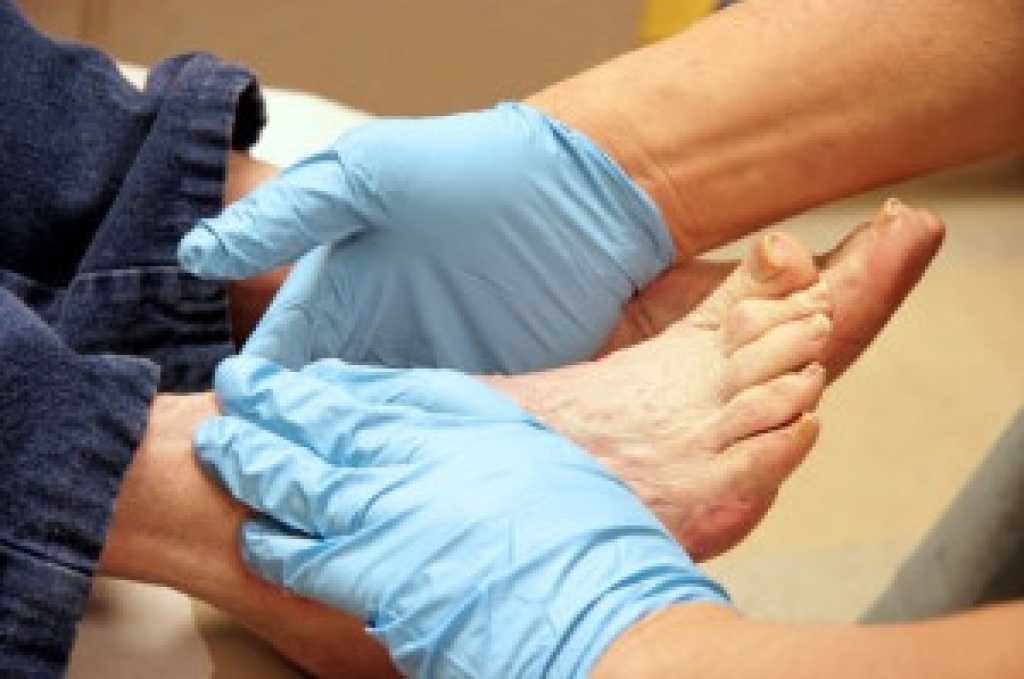
Chronic health conditions often show warning signs in the feet. Diabetes can reduce circulation and sensation, increasing the risk of wounds and infection. Arthritis may cause joint stiffness, deformity, and daily pain that alters walking patterns. Autoimmune disorders can lead to inflammation that affects tendons, ligaments, and soft tissue. Heart and kidney disease may contribute to swelling that stresses skin and joints. Additionally, poor nerve function can change balance and increase fall risk. Diagnosis involves reviewing medical history, symptoms, medications, and lifestyle factors. A podiatrist may examine skin integrity, joint movement, circulation, and nerve response. Imaging or lab testing may be used to clarify underlying causes. When chronic illness begins affecting comfort, mobility, or skin health in the feet, it is suggested that you see a podiatrist for a proper diagnosis and appropriate treatment.

When dealing with systemic disease of the feet, it is extremely important to check the affected areas routinely so that any additional problems are caught quickly.  If you have any concerns about your feet and ankles contact one of our podiatrists from East Ocean Podiatry . Our doctors will assist you with all of your podiatric needs.

Systemic Diseases of the Feet

Systemic diseases affect the whole body, and symptoms usually are displayed in the feet. This condition can make a patient’s ability to walk unbearable.  Systemic diseases include gout, diabetes mellitus, neurological disorders, and arthritis.

Gout – is caused by an excess of uric acid in the body. Common symptoms include pain, inflammation, and redness at the metatarsal/phalangeal joint of the base big toe. Gout can be treated by NSAIDs to relieve pain and inflammation, and other drugs that lower the acid levels in the body.

Diabetes mellitus – is an increase in the level of blood sugar that the body cannot counteract with its own insulin. Failure to produce enough insulin is a factor in Diabetes.

Diabetes of the Feet

Diabetic Neuropathy – may lead to damaged nerves and affect the feet through numbness and loss of sensation.

Peripheral Vascular Disease – can restrict the blood flow to the feet, and often times lead to amputation of the feet. 

If you have any questions please contact our office located in Deerfield Beach, FL . We offer the newest diagnostic and treatment technologies for all your foot and ankle needs.

Read more about Systemic Diseases of the Foot

Causes and Symptoms of Cuboid Syndrome

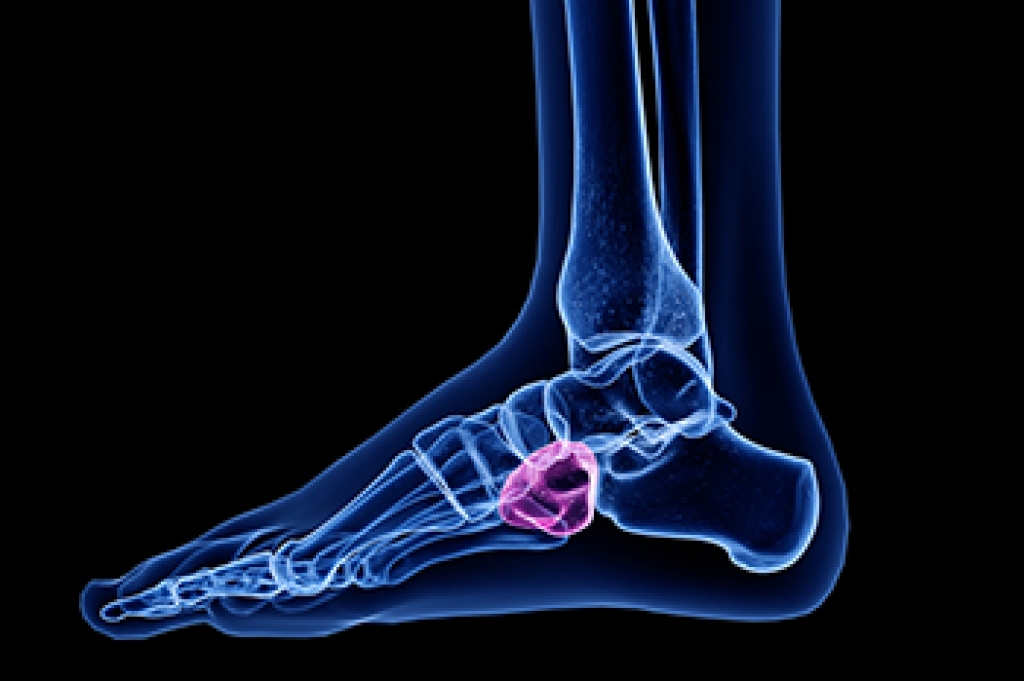
Cuboid syndrome is a foot condition that results from a subtle injury to the calcaneocuboid joint, on the outer side of the midfoot, where the heel bone meets the cuboid bone, and leading to pain along the outer side of the foot and difficulty with normal walking. It often develops after an ankle sprain, overuse, or repetitive strain that affects joint alignment and surrounding soft tissues. Common symptoms include pain, tenderness, swelling, and discomfort that worsens with weight-bearing activity. Risk factors include high impact sports, flat feet, wearing improper footwear, and previous foot or ankle injuries. A podiatrist can diagnose cuboid syndrome through clinical evaluation and restore joint alignment with manual techniques, along with recommending supportive footwear and orthotics. If you have pain on the outside of your foot, it is suggested that you consult a podiatrist to relieve discomfort and prevent ongoing instability.

Cuboid syndrome, also known as cuboid subluxation, occurs when the joints and ligaments near the cuboid bone in the foot become torn. If you have cuboid syndrome, consult with one of our podiatrists from East Ocean Podiatry . Our doctors will assess your condition and provide you with quality foot and ankle treatment.

Cuboid syndrome is a common cause of lateral foot pain, which is pain on the outside of the foot. The condition may happen suddenly due to an ankle sprain, or it may develop slowly overtime from repetitive tension through the bone and surrounding structures.

Causes

The most common causes of cuboid syndrome include:

  • Injury – The most common cause of this ailment is an ankle sprain.
  • Repetitive Strain – Tension placed through the peroneus longus muscle from repetitive activities such as jumping and running may cause excessive traction on the bone causing it to sublux.
  • Altered Foot Biomechanics – Most people suffering from cuboid subluxation have flat feet.

Symptoms

A common symptom of cuboid syndrome is pain along the outside of the foot which can be felt in the ankle and toes. This pain may create walking difficulties and may cause those with the condition to walk with a limp.

Diagnosis

Diagnosis of cuboid syndrome is often difficult, and it is often misdiagnosed. X-rays, MRIs and CT scans often fail to properly show the cuboid subluxation. Although there isn’t a specific test used to diagnose cuboid syndrome, your podiatrist will usually check if pain is felt while pressing firmly on the cuboid bone of your foot.

Treatment

Just as the range of causes varies widely, so do treatments. Some more common treatments are ice therapy, rest, exercise, taping, and orthotics.

If you have any questions, please feel free to contact our office located in Deerfield Beach, FL . We offer the newest diagnostic and treatment technologies for all your foot care needs.

Read more about All About Cuboid Syndrome

Cracked Heels and Why Proper Foot Care Matters

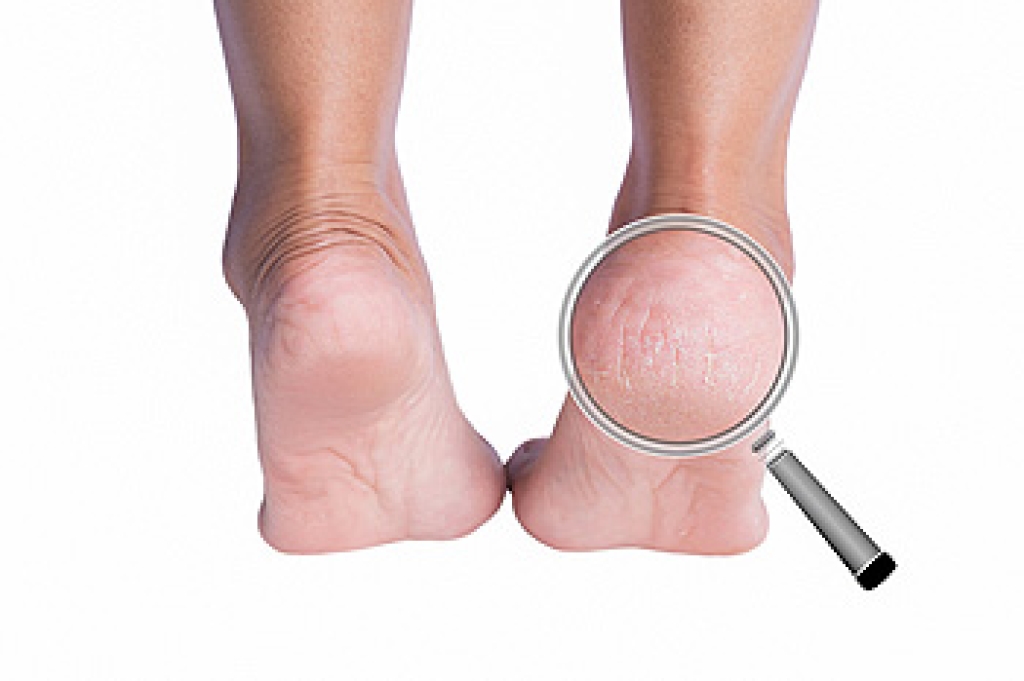
Cracked heels are a common foot condition where the skin surrounding the heel becomes dry, thickened, and split. Symptoms may include rough skin, visible fissures, pain, bleeding, and discomfort when walking. This condition often develops due to a lack of moisture, repetitive pressure on the heel, wearing open back shoes, and the buildup of dead skin cells. Medical conditions such as diabetes, eczema, and poor circulation can also contribute to cracked heels. Risk factors include prolonged standing, obesity, aging skin, and walking barefoot on hard surfaces. A podiatrist can safely remove thickened skin, treat painful cracks, recommend moisturizing treatments, and address underlying health concerns. If cracked heels are causing pain or affecting daily activities, it is suggested that you consult a podiatrist who can offer effective treatment solutions, which may include prescribed medication.

Cracked heels are unsightly and can cause further damage to your shoes and feet. If you have any concerns, contact one of our podiatrists from East Ocean Podiatry . Our doctors can provide the care you need to keep you pain-free and on your feet.

Cracked Heels

Cracked heels appear unappealing and can make it harder for you walk around in sandals. Aside from looking unpleasant, cracked heels can also tear stockings, socks, and wear out your shoes. There are several methods to help restore a cracked heel and prevent further damage.

How Do You Get Them?

Dry skin is the number one culprit in creating cracked heels. Many athletes, walkers, joggers, and even swimmers suffer from cracked heels. Age and skin oil production play a role to getting cracked heels as well.

Promote Healing

Over the counter medicines can help, especially for those that need instant relief or who suffer from chronic dry feet.

Wear Socks – Wearing socks with medicated creams helps lock in moisture.

Moisturizers – Applying both day and night will help alleviate dryness which causes cracking.

Pumice Stones – These exfoliate and remove dead skin, which allows for smoother moisturizer application and better absorption into the skin. 

Change in Diet

Eating healthy with a well-balanced diet will give the skin a fresh and radiant look. Your body responds to the kinds of food you ingest. Omega-3 fatty acids and zinc supplements can also revitalize skin tissue.

Most importantly, seek professional help if unsure how to proceed in treating cracked heels. A podiatrist will help you with any questions or information needed. 

If you have any questions, please feel free to contact our office located in Deerfield Beach, FL . We offer the newest diagnostic and treatment technologies for all your foot care needs.

Read more about Solutions for Cracked Heels

Tarsal Tunnel Syndrome and Posterior Tibial Nerve Pain

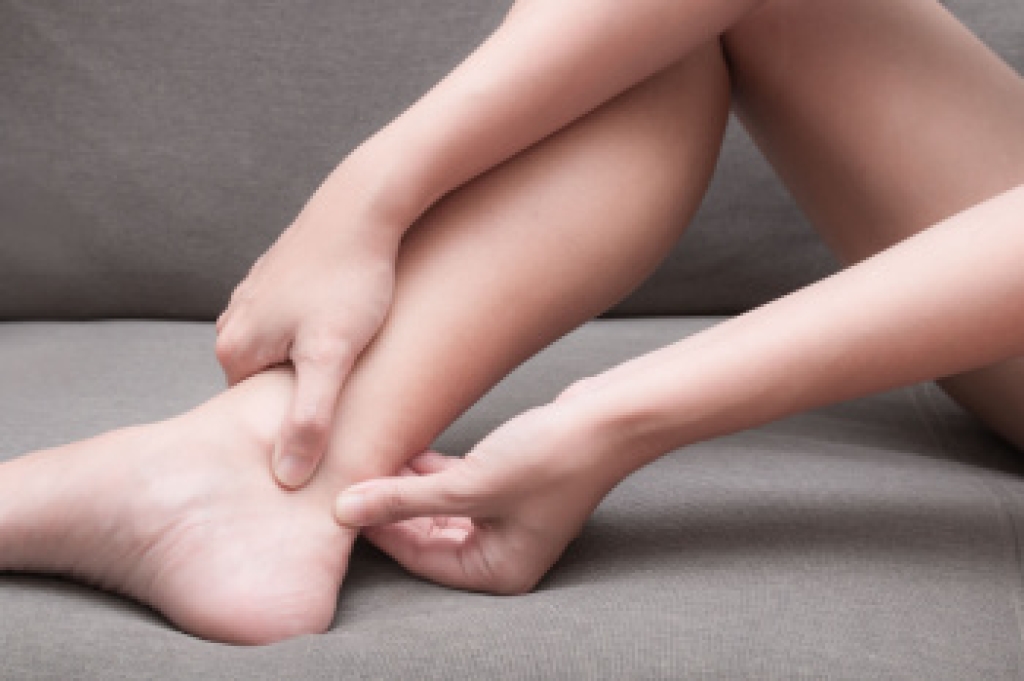
Tarsal tunnel syndrome is a condition that occurs when the posterior tibial nerve becomes compressed as it passes through the tarsal tunnel near the inner ankle. This nerve compression can cause pain that radiates along the arch, heel, or toes. Common symptoms include burning sensations, tingling, numbness, sharp pain, or aching that worsens with walking or prolonged standing. Causes may include flat feet, swelling, injury, cysts, varicose veins, or inflammation that increases pressure within the tarsal tunnel. A podiatrist can perform a thorough evaluation to identify the source of nerve irritation and confirm the diagnosis. Treatment may include wearing supportive footwear, custom orthotics, activity modification, and targeted therapies to relieve pressure on the nerve. Early care helps reduce discomfort and prevent long-term nerve damage. If you have pain near the inner ankle, it is suggested that you consult a podiatrist who can accurately diagnose and treat what may be going on.

Tarsal tunnel syndrome can be very uncomfortable to live with. If you are experiencing tarsal tunnel syndrome, contact one of our podiatrists of East Ocean Podiatry . Our doctors can provide the care you need to keep you pain-free and on your feet.

Tarsal Tunnel Syndrome

Tarsal tunnel syndrome, which can also be called tibial nerve dysfunction, is an uncommon condition of misfiring peripheral nerves in the foot. The tibial nerve is the peripheral nerve in the leg responsible for sensation and movement of the foot and calf muscles. In tarsal tunnel syndrome, the tibial nerve is damaged, causing problems with movement and feeling in the foot of the affected leg.

Common Cause of Tarsal Tunnel Syndrome

  • Involves pressure or an injury, direct pressure on the tibial nerve for an extended period of time, sometimes caused by other body structures close by or near the knee.
  • Diseases that damage nerves, including diabetes, may cause tarsal tunnel syndrome.
  • At times, tarsal tunnel syndrome can appear without an obvious cause in some cases.

The Effects of Tarsal Tunnel Syndrome

  • Different sensations, an afflicted person may experience pain, tingling, burning or other unusual sensations in the foot of the affected leg.
  • The foot muscles, toes and ankle become weaker, and curling your toes or flexing your foot can become difficult.
  • If condition worsens, infections and ulcers may develop on the foot that is experiencing the syndrome.

A physical exam of the leg can help identify the presence of tarsal tunnel syndrome. Medical tests, such as a nerve biopsy, are also used to diagnose the condition. Patients may receive physical therapy and prescriptive medication. In extreme cases, some may require surgery.

If you have any questions please contact our office located in Deerfield Beach, FL . We offer the newest diagnostic and treatment technologies for all your foot and ankle needs.
Read more about Treating Tarsal Tunnel Syndrome

Common Types of Foot Pain

Foot pain can develop from a variety of conditions that affect comfort and mobility. A bunion is a bony prominence at the base of the big toe, often caused by joint misalignment and pressure from footwear. Corns are thickened areas of skin that form due to repeated friction or pressure on the toes or soles. Gout is an inflammatory condition caused by a buildup of uric acid in the joints, leading to sudden swelling and severe pain, commonly in the big toe. Plantar warts are small growths on the bottom of the foot caused by a viral infection entering through tiny skin breaks. A podiatrist can accurately diagnose each condition, relieve pain, and provide targeted treatment and prevention strategies. If foot pain is affecting your daily life, it is suggested that you schedule a visit with a podiatrist who can provide effective relief and treatment solutions.

Foot Pain

Foot pain can be extremely painful and debilitating. If you have a foot pain, consult with one of our podiatrists from East Ocean Podiatry . Our doctors will assess your condition and provide you with quality foot and ankle treatment.

Causes

Foot pain is a very broad condition that could be caused by one or more ailments. The most common include:

  • Bunions
  • Hammertoes
  • Plantar Fasciitis
  • Bone Spurs
  • Corns
  • Tarsal Tunnel Syndrome
  • Ingrown Toenails
  • Arthritis (such as Gout, Rheumatoid, and Osteoarthritis)
  • Flat Feet
  • Injury (from stress fractures, broken toe, foot, ankle, Achilles tendon ruptures, and sprains)
  • And more

Diagnosis

To figure out the cause of foot pain, podiatrists utilize several different methods. This can range from simple visual inspections and sensation tests to X-rays and MRI scans. Prior medical history, family medical history, and any recent physical traumatic events will all be taken into consideration for a proper diagnosis.

Treatment

Treatment depends upon the cause of the foot pain. Whether it is resting, staying off the foot, or having surgery; podiatrists have a number of treatment options available for foot pain.

If you have any questions, please feel free to contact our office located in Deerfield Beach, FL . We offer the newest diagnostic and treatment technologies for all your foot care needs.

Read more about Foot Pain

Achilles Tendon Injuries and What They Mean for Your Mobility

The Achilles tendon plays a crucial role in walking, running, and pushing off the ground, which makes injuries to this structure both painful and limiting. Problems can occur from overuse, tight calf muscles, sudden increases in activity, or wearing improper footwear. Common conditions include tendonitis, which causes inflammation and soreness, and tendinosis, which involves gradual weakening of the tendon fibers. More severe achilles tendon injuries, such as partial tears or complete ruptures, may happen during explosive movements or sports activities. Symptoms often include sharp or aching pain along the back of the heel, stiffness in the morning, swelling, or difficulty rising onto the toes. Early care focuses on reducing strain through rest, stretching, and wearing supportive footwear. More advanced injuries may require immobilization, targeted exercises, or surgical correction. If you notice ongoing pain or difficulty with everyday movement, it is suggested that you see a podiatrist who can provide a thorough evaluation and recommend appropriate treatment.

Achilles tendon injuries need immediate attention to avoid future complications. If you have any concerns, contact one of our podiatrists of East Ocean Podiatry . Our doctors can provide the care you need to keep you pain-free and on your feet.

What Is the Achilles Tendon?

The Achilles tendon is a tendon that connects the lower leg muscles and calf to the heel of the foot. It is the strongest tendon in the human body and is essential for making movement possible. Because this tendon is such an integral part of the body, any injuries to it can create immense difficulties and should immediately be presented to a doctor.

What Are the Symptoms of an Achilles Tendon Injury?

There are various types of injuries that can affect the Achilles tendon. The two most common injuries are Achilles tendinitis and ruptures of the tendon.

Achilles Tendinitis Symptoms

  • Inflammation
  • Dull to severe pain
  • Increased blood flow to the tendon
  • Thickening of the tendon

Rupture Symptoms

  • Extreme pain and swelling in the foot
  • Total immobility

Treatment and Prevention

Achilles tendon injuries are diagnosed by a thorough physical evaluation, which can include an MRI. Treatment involves rest, physical therapy, and in some cases, surgery. However, various preventative measures can be taken to avoid these injuries, such as:

  • Thorough stretching of the tendon before and after exercise
  • Strengthening exercises like calf raises, squats, leg curls, leg extensions, leg raises, lunges, and leg presses

If you have any questions please feel free to contact our office located in Deerfield Beach, FL . We offer the newest diagnostic tools and technology to treat your foot and ankle needs.

Read more about The Causes, Types, and Treatments of Achilles Tendon Injuries

Choosing the Right Running Shoes for Marathon Success

Selecting the right running shoes for a marathon is essential for comfort, performance, and injury prevention over long distances. Shoe qualities such as proper cushioning, adequate support, breathability, and durability help protect the feet from repeated impact and fatigue. These features matter because marathon running places continuous stress on the feet, ankles, and legs, increasing the risk of overuse injuries when shoes do not match individual needs. Running style and gait play an important role, as foot strike patterns and motion affect how forces travel through the body. Finding the right fit ensures the toes have room to move, the midfoot feels supported, and the heel remains secure without rubbing. A podiatrist can help by evaluating gait, foot structure, and training demands to recommend appropriate footwear or custom orthotics. If you are preparing for a marathon or have foot pain from training, it is suggested that you consult a podiatrist who can treat various foot conditions, and guide you on the appropriate shoes to wear, helping you to perform your best on race day.

You should always make sure your running shoes fit properly in order to avoid injury. For more information, contact one of our podiatrists from East Ocean Podiatry . Our doctors can provide the care you need to keep you pain-free and on your feet.

Choosing the Right Running Shoe for Your Foot Type

Improper shoe sizing can cause a myriad of problems for your feet. Shoes that don’t fit you properly can lead to muscular imbalances in your body, which can result in foot, knee, and hip injuries.

Tips for Finding the Right Running Shoe

  • Make sure you have a thumb’s width of wiggle room between the end of your longest toe and the front of the shoe.
  • There should be little to no slipping at the heel
  • Don’t assume your size in one shoe brand will be your size in another
  • Do not lace up your shoes too tightly
  • Walk around in the store with your new shoes before you buy them

If you have any questions, please feel free to contact our office located in Deerfield Beach, FL . We offer the newest diagnostic and treatment technologies for all your foot care needs.

Read more about Differences between Walking and Running Shoes

Plantar Warts Can Be Treated!

Plantar warts are small growths that develop on parts of the feet that bear weight. They're typically found on the bottom of the foot. Don't live with plantar warts, and call us today!

The Importance of Comfortable Shoes for the Medical Profession

Comfortable shoes are essential for doctors who spend long hours standing, walking, and caring for patients. The right footwear helps reduce fatigue and protects the feet from stress caused by constant movement. Quality materials and strong construction provide durability, while proper arch support and cushioning help maintain alignment and absorb impact throughout the day. Slip resistant soles add safety in fast paced clinical environments, and stable designs help prevent strain in the ankles, knees, and lower back. A podiatrist can assess your foot structure and recommend the best shoe features to keep you comfortable and protected during demanding shifts. If foot pain or fatigue is affecting your work, it is suggested that you promptly consult a podiatrist who can treat various foot conditions, and guide you on the correct shoes to wear.

While working on the feet, it is important to take the proper care of them. For more information about working on your feet, contact one of our podiatrists from East Ocean Podiatry . Our doctors will treat your foot and ankle needs.

Working on Your Feet

Standing on your feet for long periods of time can cause stress and pain in your feet. Your whole body may experience change in terms of posture, back pain, bunions, callouses and or plantar warts. There are ways to avoid these conditions with proper foot care, smart choices and correct posture.

Positive Changes

Negative heeled shoe – Choosing this shoe type places the heel slightly lower than the ball of the foot. These are great for overall foot health. Find shoes that fit you correctly.

Go barefoot – Our feet were not designed to be enclosed for all hours of the day. Try to periodically expose your feet to air.

Eliminate Pain

Foot Exercises – Performing simple exercises, incorporating yoga and doing stretches are beneficial. This will allow increased blood flow to the area and muscles of the foot.

Achilles tendon – Stretching the foot out flat on the floor will relax the calf muscles and tendon. These exercises can be performed almost anywhere. Make sure you add these exercises to your daily regimen. 

With a little bit of this information and knowing more about foot health, you will notice changes. Foot stretches and proper footwear will help with pain and prevent further issues.

If you have any questions please contact our office located in Deerfield Beach, FL . We offer the newest diagnostic and treatment technologies for all your foot and ankle needs.
Read more about How to Handle a Long Work Day on Your Feet

Connect With Us