Lymphoedema and Foot Swelling

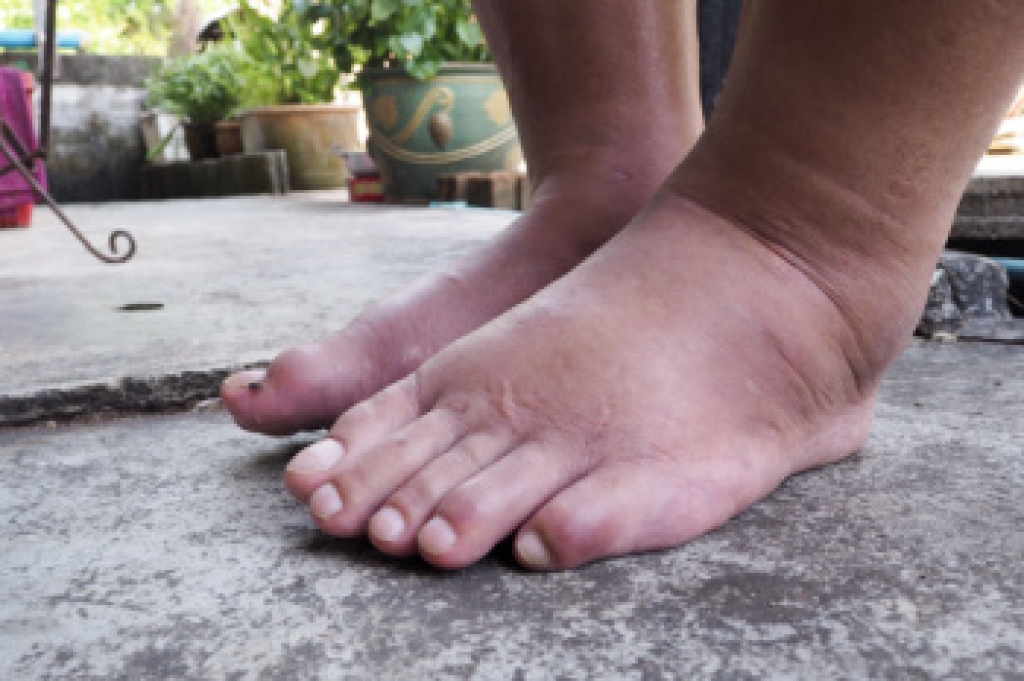
Lymphoedema ioccurs when the lymphatic system becomes damaged or blocked, leading to the buildup of lymphatic fluid in the tissues. This causes swelling, often in the arms or legs, and can significantly affect the feet. Swollen feet may feel heavy, tight, or uncomfortable, and the skin may become thickened or prone to infection. A podiatrist can help manage lymphoedema-related foot swelling by recommending proper footwear, compression therapy, and skin care routines to reduce discomfort and prevent complications. They can also monitor for signs of infection and support overall foot health. If you notice persistent swelling in your feet, it is suggested that you schedule a visit with a podiatrist for guidance, treatment, and relief.

Swollen feet can be a sign of an underlying condition. If you have any concerns, contact one of our podiatrists of East Ocean Podiatry . Our doctors can provide the care you need to keep you pain-free and on your feet.

Swollen feet are a common ailment among pregnant women and people who stand or sit for extended periods. Aging may increase the possibility of swollen feet and patients who are obese often notice when their feet are swelling too. There may be medical reasons why swollen feet occur:

  • Phlebitis - A condition that causes the veins to become inflamed and can also cause leg pain.
  • Liver disease - This may lead to low blood levels of albumin which is a protein. This can cause fluid in the blood to pass into the tissues and several areas of the body can become swollen.
  • Heart failure - When the heart doesn’t pump properly the blood that is normally pumped back to the heart can pool in the veins of the legs causing swollen feet.
  • Kidney disease - One of the main functions of the kidneys is releasing excess fluid in the body. This type of condition can make it difficult for the kidneys to function properly, and as a result the feet may become swollen.
  • Deep-vein thrombosis (DVT)- This is a serious condition where blood clots form in the veins of the legs. They can block the return of blood from the legs to the heart which may cause the feet to swell. It is important to be treated by a podiatrist if this condition is present.

Swollen feet can also be caused by bone and tendon conditions, including fractures, arthritis, and tendinitis. Additionally, there may be skin and toenail conditions and an infection may cause the feet to swell. Patients who take medicine to treat high blood pressure may be prone to getting swollen feet. 

Many patients elevate their feet to help relieve the swelling and this is generally a temporary remedy. When a podiatrist is consulted the reason behind the swelling can be uncovered and subsequently treated.

If you have any questions please contact our office located in Deerfield Beach, FL . We offer the newest diagnostic and treatment technologies for all your foot and ankle needs.


Read more about Swelling of the Feet

Causes and Risk Factors for Plantar Fasciitis

Plantar fasciitis causes pain in the heel and bottom of the foot. It occurs when the plantar fascia, a thick band of tissue that supports the arch, becomes inflamed or irritated. Causes include repetitive strain, long periods of standing, improper footwear, or sudden increases in activity. Symptoms often begin with sharp heel pain, especially with the first steps in the morning or after rest. Risk factors include high arches, flat feet, obesity, and tight calf muscles. A podiatrist can diagnose plantar fasciitis through examination and recommend treatments, such as stretching exercises, footwear changes, orthotics, or other therapies to relieve pain, improve function, and prevent further injury. If you have heel pain, it is suggested that you consult a podiatrist who can accurately diagnose the problem and offer effective treatment solutions.

Plantar fasciitis can be very painful and inconvenient. If you are experiencing heel pain or symptoms of plantar fasciitis, contact one of our podiatrists  from East Ocean Podiatry . Our doctors can provide the care you need to keep you pain-free and on your feet.

What Is Plantar Fasciitis?

Plantar fasciitis is the inflammation of the thick band of tissue that runs along the bottom of your foot, known as the plantar fascia, and causes mild to severe heel pain.

What Causes Plantar Fasciitis?

  • Excessive running
  • Non-supportive shoes
  • Overpronation
  • Repeated stretching and tearing of the plantar fascia

How Can It Be Treated?

  • Conservative measures – anti-inflammatories, ice packs, stretching exercises, physical therapy, orthotic devices
  • Shockwave therapy – sound waves are sent to the affected area to facilitate healing and are usually used for chronic cases of plantar fasciitis
  • Surgery – usually only used as a last resort when all else fails. The plantar fascia can be surgically detached from the heel

While very treatable, plantar fasciitis is definitely not something that should be ignored. Especially in severe cases, speaking to your doctor right away is highly recommended to avoid complications and severe heel pain. Your podiatrist can work with you to provide the appropriate treatment options tailored to your condition.

If you have any questions, please feel free to contact our office located in Deerfield Beach, FL . We offer the newest diagnostic and treatment technologies for all your foot care needs.

Read more about Plantar Fasciitis

Get Professional Care for a Broken Foot or Ankle

Constant care and regular evaluation are important for a foot or ankle fracture. If left untreated, foot or ankle fractures can worsen over time and create more serious problems.

Don't wait to be examined if you believe you've experienced a foot or ankle fracture.

How Diabetic Neuropathy Affects the Feet

Diabetic neuropathy is a complication of diabetes that affects the nerves in the feet and ankles. It often leads to numbness, tingling, burning sensations, or sharp pain. As the diabetic neuropathy progresses, patients may lose sensation in their feet, making it difficult to notice cuts, blisters, or pressure sores. This can increase the risk of infections, ulcers, and, in severe cases, lead to the need for surgery. Because diabetic neuropathy cannot be reversed, early diagnosis and medical treatment are essential to slow progression and reduce complications. A podiatrist can evaluate nerve function, monitor blood flow, and help manage the effects of peripheral neuropathy in the lower limbs. Treatment may involve medication to manage pain, custom footwear to reduce pressure points, and regular professional exams to prevent complications from unnoticed injuries. Ongoing medical foot care is especially important for people with decreased sensation. If you have complications from diabetes that affect the feet, it is suggested that you schedule regular visits to a podiatrist for expert advice.

Neuropathy

Neuropathy can be a potentially serious condition, especially if it is left undiagnosed. If you have any concerns that you may be experiencing nerve loss in your feet, consult with one of our podiatrists from East Ocean Podiatry . Our doctors will assess your condition and provide you with quality foot and ankle treatment for neuropathy.

What Is Neuropathy?

Neuropathy is a condition that leads to damage to the nerves in the body. Peripheral neuropathy, or neuropathy that affects your peripheral nervous system, usually occurs in the feet. Neuropathy can be triggered by a number of different causes. Such causes include diabetes, infections, cancers, disorders, and toxic substances.

Symptoms of Neuropathy Include:

  • Numbness
  • Sensation loss
  • Prickling and tingling sensations
  • Throbbing, freezing, burning pains
  • Muscle weakness

Those with diabetes are at serious risk due to being unable to feel an ulcer on their feet. Diabetics usually also suffer from poor blood circulation. This can lead to the wound not healing, infections occurring, and the limb may have to be amputated.

Treatment

To treat neuropathy in the foot, podiatrists will first diagnose the cause of the neuropathy. Figuring out the underlying cause of the neuropathy will allow the podiatrist to prescribe the best treatment, whether it be caused by diabetes, toxic substance exposure, infection, etc. If the nerve has not died, then it’s possible that sensation may be able to return to the foot.

Pain medication may be issued for pain. Electrical nerve stimulation can be used to stimulate nerves. If the neuropathy is caused from pressure on the nerves, then surgery may be necessary.

If you have any questions, please feel free to contact our office located in Deerfield Beach, FL . We offer the newest diagnostic and treatment technologies for all your foot care needs.

Read more about Neuropathy

Understanding Fifth Metatarsal Fractures

The fifth metatarsal is the long bone on the outer edge of the foot that connects to the little toe. Fractures in this bone are common and often occur from twisting the foot, direct impact, or overuse. There are two main types of fractures in this area. An avulsion fracture happens when a small piece of bone is pulled off by a tendon or ligament. A Jones fracture is more serious and occurs further along the bone, often requiring more time to heal. Symptoms include pain, swelling, bruising, and difficulty walking. Immediate care includes rest, elevation, and avoiding pressure on the foot. Some cases heal with wearing supportive footwear, while others may need a cast or even surgery. If you suspect you have injured the outside of your foot or feel sharp pain when bearing weight, it is suggested that you visit a podiatrist for a proper diagnosis and recovery plan.

A broken foot requires immediate medical attention and treatment. If you need your feet checked, contact one of our podiatrists from East Ocean Podiatry . Our doctors can provide the care you need to keep you pain-free and on your feet.

Broken Foot Causes, Symptoms, and Treatment

A broken foot is caused by one of the bones in the foot typically breaking when bended, crushed, or stretched beyond its natural capabilities. Usually the location of the fracture indicates how the break occurred, whether it was through an object, fall, or any other type of injury. 

Common Symptoms of Broken Feet:

  • Bruising
  • Pain
  • Redness
  • Swelling
  • Blue in color
  • Numbness
  • Cold
  • Misshapen
  • Cuts
  • Deformities

Those that suspect they have a broken foot shoot seek urgent medical attention where a medical professional could diagnose the severity.

Treatment for broken bones varies depending on the cause, severity and location. Some will require the use of splints, casts or crutches while others could even involve surgery to repair the broken bones. Personal care includes the use of ice and keeping the foot stabilized and elevated.

If you have any questions, please feel free to contact our office located in Deerfield Beach, FL . We offer the newest diagnostic and treatment technologies for all your foot care needs.

Read more about Causes, Symptoms, and Treatment for a Broken Foot

Connect With Us