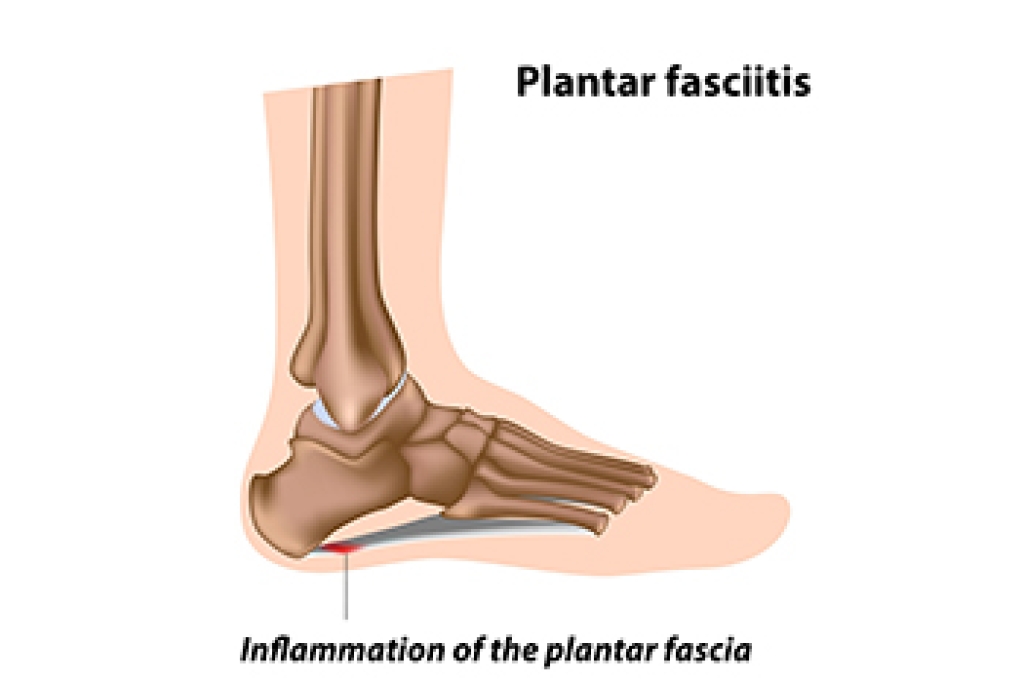
Potential Relief Options for Plantar Fasciitis

Plantar fasciitis, a common foot ailment affecting people between 25 and 65 years old, results from the overloading or overstretching of the plantar fascia, which is the supportive tissue beneath the foot's arch. A podiatrist may offer a variety of treatment options tailored to manage the pain of plantar fasciitis and help toward healing. Rest and support are integral to short-term management. Utilizing a walking boot and crutches allows the foot to rest, aiding in the recovery process. Corticosteroid injections become a consideration in cases of severe pain and inflammation resistant to other conservative treatments. However, caution is warranted due to potential weakening of the plantar fascia and the risk of rupture, which can lead to chronic pain and foot flattening. Extracorporeal shockwave therapy is a noninvasive procedure used by some podiatrists to stimulate healing in plantar fascia tissue. However, its effectiveness varies among individuals. Low-level laser therapy is sometimes employed by podiatrists to reduce the pain and inflammation associated with plantar fasciitis, offering relief for up to three months. In cases where nonsurgical treatments prove insufficient, foot surgery may be considered. But it typically is reserved for situations where significant improvement has not been observed through other methods. To find out more healing from plantar fasciitis, it is suggested that you schedule an appointment with a podiatrist for an exam and treatment plan.

Plantar fasciitis can be very painful and inconvenient. If you are experiencing heel pain or symptoms of plantar fasciitis, contact one of our podiatrists  from East Ocean Podiatry . Our doctors can provide the care you need to keep you pain-free and on your feet.

What Is Plantar Fasciitis?

Plantar fasciitis is the inflammation of the thick band of tissue that runs along the bottom of your foot, known as the plantar fascia, and causes mild to severe heel pain.

What Causes Plantar Fasciitis?

  • Excessive running
  • Non-supportive shoes
  • Overpronation
  • Repeated stretching and tearing of the plantar fascia

How Can It Be Treated?

  • Conservative measures – anti-inflammatories, ice packs, stretching exercises, physical therapy, orthotic devices
  • Shockwave therapy – sound waves are sent to the affected area to facilitate healing and are usually used for chronic cases of plantar fasciitis
  • Surgery – usually only used as a last resort when all else fails. The plantar fascia can be surgically detached from the heel

While very treatable, plantar fasciitis is definitely not something that should be ignored. Especially in severe cases, speaking to your doctor right away is highly recommended to avoid complications and severe heel pain. Your podiatrist can work with you to provide the appropriate treatment options tailored to your condition.

If you have any questions, please feel free to contact our office located in Deerfield Beach, FL . We offer the newest diagnostic and treatment technologies for all your foot care needs.


Read more about Plantar Fasciitis

Weighing the Pros and Cons of Bunion Surgery

Bunion surgery, a consideration for those grappling with persistent discomfort and deformity, involves a meticulous assessment of its potential benefits and drawbacks. On the positive side, bunion surgery can provide relief from pain, improve the appearance of the foot, and enhance overall mobility. By correcting the misalignment of the big toe joint, surgery addresses the root cause of the bunion, preventing its progression. Increased joint function and reduced pressure on adjacent toes can contribute to improved overall foot health. However, the decision to undergo bunion surgery comes with its set of considerations. Potential drawbacks include the risks associated with any surgical procedure, such as infection, scarring, or adverse reactions to anesthesia. Postoperative recovery involves a period of limited mobility and potential discomfort. Additionally, the success of bunion surgery depends on various factors, including the severity of the bunion and the patient's commitment to postoperative care. If you have a bunion and are considering surgery, it is suggested that you schedule an appointment with a podiatrist who can help you to make an informed decision.

Foot surgery is sometimes necessary to treat a foot ailment. To learn more, contact one of our podiatrists of East Ocean Podiatry . Our doctors will assist you with all of your foot and ankle needs.

When Is Surgery Necessary?

Foot and ankle surgery is generally reserved for cases in which less invasive, conservative procedures have failed to alleviate the problem. Some of the cases in which surgery may be necessary include:

  • Removing foot deformities like bunions and bone spurs
  • Severe arthritis that has caused bone issues
  • Cosmetic reconstruction

What Types of Surgery Are There?

The type of surgery you receive will depend on the nature of the problem you have. Some of the possible surgeries include:

  • Bunionectomy for painful bunions
  • Surgical fusion for realignment of bones
  • Neuropathy decompression surgery to treat nerve damage

Benefits of Surgery

Although surgery is usually a last resort, it can provide more complete pain relief compared to non-surgical methods and may allow you to finally resume full activity.

Surgical techniques have also become increasingly sophisticated. Techniques like endoscopic surgery allow for smaller incisions and faster recovery times.

If you have any questions, please feel free to contact our office located in Deerfield Beach, FL . We offer the newest diagnostic and treatment technologies for all your foot care needs.
Read more about Foot Surgery

The Significance of Running Shoe Rotation

Running is a fantastic way to stay fit and relieve stress, but it can also take a toll on your feet and shoes. This is where the practice of running shoe rotation comes into play. It involves switching between different pairs of running shoes to distribute the impact and wear more evenly. The importance of running shoe rotation lies in several key benefits. First, it prolongs the lifespan of your shoes. Continuous use of the same pair can lead to faster wear and tear, reducing their support and cushioning. Rotating between multiple pairs allows each shoe to recover between runs. Additionally, it helps prevent overuse injuries. Each pair of running shoes has a unique cushioning and support system. By alternating between them, you may reduce the risk of overloading specific muscle groups and joints. This can help to lower the risk of injuries such as shin splints, stress fractures, and Achilles tendonitis. Different shoes can provide variations in comfort and performance, giving your feet a break from repetitive motion and potentially improving your performance. Whether you are a seasoned runner or just starting out, incorporating a rotation schedule into your running routine can help keep your feet healthy and your runs enjoyable. For more information about running shoes and the importance of rotating them or if you have endured a foot or ankle injury from running, it is suggested that you speak with a podiatrist.

You should always make sure your running shoes fit properly in order to avoid injury. For more information, contact one of our podiatrists from East Ocean Podiatry . Our doctors can provide the care you need to keep you pain-free and on your feet.

Choosing the Right Running Shoe for Your Foot Type

Improper shoe sizing can cause a myriad of problems for your feet. Shoes that don’t fit you properly can lead to muscular imbalances in your body, which can result in foot, knee, and hip injuries.

Tips for Finding the Right Running Shoe

  • Make sure you have a thumb’s width of wiggle room between the end of your longest toe and the front of the shoe.
  • There should be little to no slipping at the heel
  • Don’t assume your size in one shoe brand will be your size in another
  • Do not lace up your shoes too tightly
  • Walk around in the store with your new shoes before you buy them

If you have any questions, please feel free to contact our office located in Deerfield Beach, FL . We offer the newest diagnostic and treatment technologies for all your foot care needs.
Read more about Choosing the Right Running Shoe

The Growth of Plantar Warts on the Feet

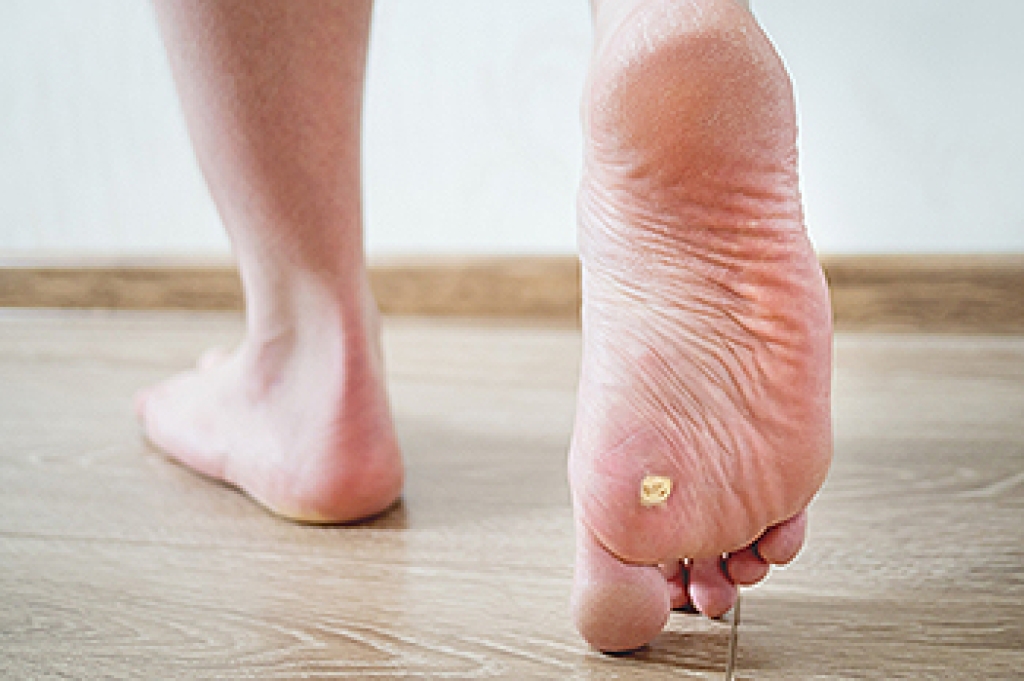
Plantar warts, though usually harmless, can be quite bothersome. These skin growths typically appear on the soles of your feet and can be painful, especially when walking. They are caused by a virus that accelerates the growth of the top layer of skin, resulting in the formation of warts. While plantar warts generally disappear on their own over months or even years, they can be a source of discomfort and concern. These warts are extremely contagious and can spread easily. Not only can you re-infect yourself by touching a wart and then another part of your body, but you can also transmit the virus to others by sharing personal items, like towels or socks. In most cases, plantar warts do not require treatment. However, if they cause you pain or multiply, it is suggested that you schedule an appointment with a podiatrist for an accurate diagnosis and treatment.

Plantar warts can be very uncomfortable. If you need your feet checked, contact one of our podiatrists from East Ocean Podiatry . Our doctors will assist you with all of your foot and ankle needs.

About Plantar Warts

Plantar warts are the result of HPV, or human papillomavirus, getting into open wounds on the feet. They are mostly found on the heels or balls of the feet.

While plantar warts are generally harmless, those experiencing excessive pain or those suffering from diabetes or a compromised immune system require immediate medical care. Plantar warts are easily diagnosed, usually through scraping off a bit of rough skin or by getting a biopsy.

Symptoms

  • Lesions on the bottom of your feet, usually rough and grainy
  • Hard or thick callused spots
  • Wart seeds, which are small clotted blood vessels that look like little black spots
  • Pain, discomfort, or tenderness of your feet when walking or standing

Treatment

  • Freezing
  • Electric tool removal
  • Laser Treatment
  • Topical Creams (prescription only)
  • Over-the-counter medications

To help prevent developing plantar warts, avoid walking barefoot over abrasive surfaces that can cause cuts or wounds for HPV to get into. Avoiding direct contact with other warts, as well as not picking or rubbing existing warts, can help prevent the further spread of plantar warts. However, if you think you have developed plantar warts, speak to your podiatrist. He or she can diagnose the warts on your feet and recommend the appropriate treatment options.

If you have any questions, please feel free to contact our office located in Deerfield Beach, FL . We offer the newest diagnostic and treatment technologies for all your foot care needs.

Read more about All About Plantar Warts

How Podiatrists Can Help You

In our daily lives, there are habits that can harm our foot health, and podiatrists can provide advice to help us break them. Examples of that are provided here. Attempting DIY ingrown toenail removal with non-sterile tools can lead to infections. Believing our shoe size remains constant is a misconception. Periodic foot measurements and trying different brands can help find the best fit. Wearing flats as daily footwear may lack cushioning for shock absorption, causing heel pain or metatarsalgia. Walking barefoot on surfaces like hardwood floors can lead to issues. Worn-out shoes affect body alignment and should be replaced when they show wear. Protect your feet in locker rooms with flip-flops. Running without socks increases the risk of blisters and infections. Using running shoes for different sports can cause injury, and appropriate gear for specific sports should be invested in. Most importantly, if you have foot injuries, infections, or seek appropriate footwear recommendations tailored to your specific foot shape and function, it is suggested that you schedule an appointment with a podiatrist who can help with all foot and ankle-related issues.

If you are dealing with pain in your feet and ankles, you may want to seek help from a podiatrist. Feel free to contact one of our podiatrists from East Ocean Podiatry . Our doctors can provide the care you need to keep you pain-free and on your feet.

What Is a Podiatrist?

A podiatrist is a doctor of podiatric medicine who diagnoses and treats conditions of the foot, ankle, and related structures of the leg. Your podiatrist may specialize in a certain field such as sports medicine, wound care, pediatrics, and diabetic care. Podiatrists have the ability to become board certified through training, clinical experience, and then taking an exam.

What Do Podiatrists Do?

On a daily basis, a podiatrist may perform the following activities:

  • Diagnose foot ailments such as ulcers, tumors, fractures, etc.
  • Use innovative methods to treat conditions
  • Use corrective orthotics, casts, and strappings to correct deformities
  • Correct walking patterns and balance
  • Provide individual consultations to patients

It is very important that you take care of your feet. It’s easy to take having healthy feet for granted, however foot problems tend to be among the most common health conditions. Podiatrists can help diagnose and treat a variety of feet related conditions, so it is crucial that you visit one if you need assistance.

If you have any questions, please feel free to contact our office located in Deerfield Beach, FL . We offer the newest diagnostic and treatment technologies for all your foot care needs.
Read more about What is a Podiatrist?

We Can Treat Your Foot or Ankle Pain

Foot or ankle pain can negatively affect your day-to-day life and can occur due to several different conditions. Pain can also be an indicator of a more serious underlying condition, which is why you should seek professional help as soon as you notice any abnormalities in your feet.

Can Exercises Help Heel Spurs?

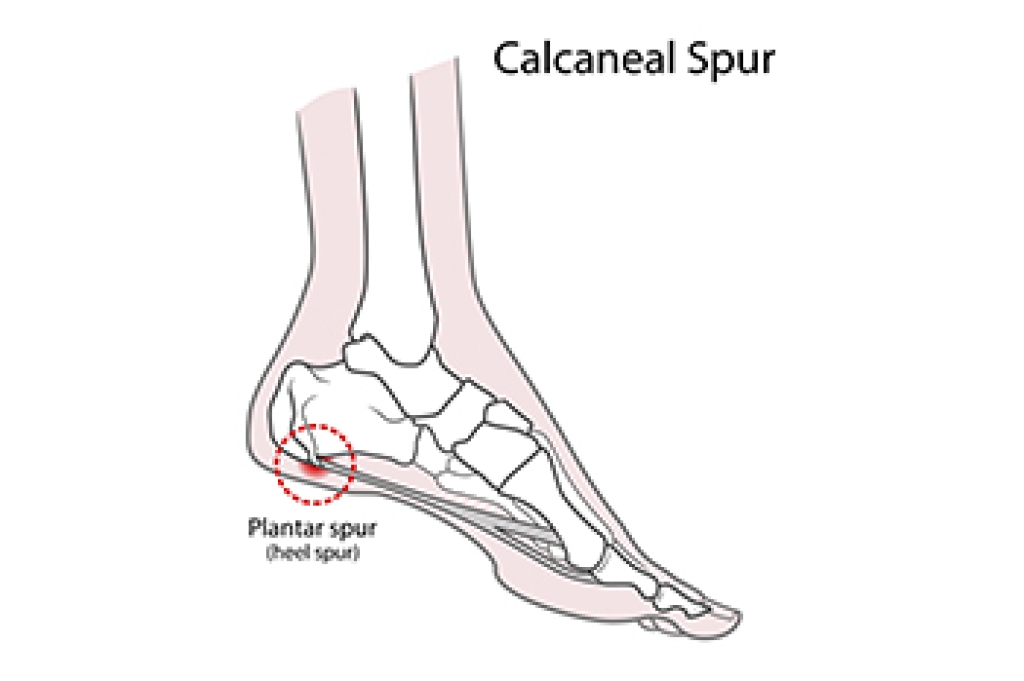
Heel spurs, bony outgrowths at the bottom of the heel bone, can be a source of persistent foot discomfort. Formed due to calcium deposits, heel spurs often accompany conditions like plantar fasciitis. The pain associated with heel spurs typically arises during weight-bearing activities, especially after rest periods. While rest and proper footwear are important components of managing heel spurs, specific exercises can provide relief. Stretching exercises, such as calf stretches and towel curls, may help to alleviate tension in the Achilles tendon and plantar fascia. Rolling a frozen water bottle under the foot can reduce inflammation. Strengthening exercises, like toe-tapping and marble pickups, enhance foot and ankle muscles, promoting better support. A podiatrist treats heel spurs. If you have developed this condition, it is suggested that you visit this type of doctor who can help you with appropriate treatment and guide you toward additional stretches. 

Heel spurs can be incredibly painful and sometimes may make you unable to participate in physical activities. To get medical care for your heel spurs, contact one of our podiatrists from East Ocean Podiatry . Our doctors will do everything possible to treat your condition.

Heels Spurs

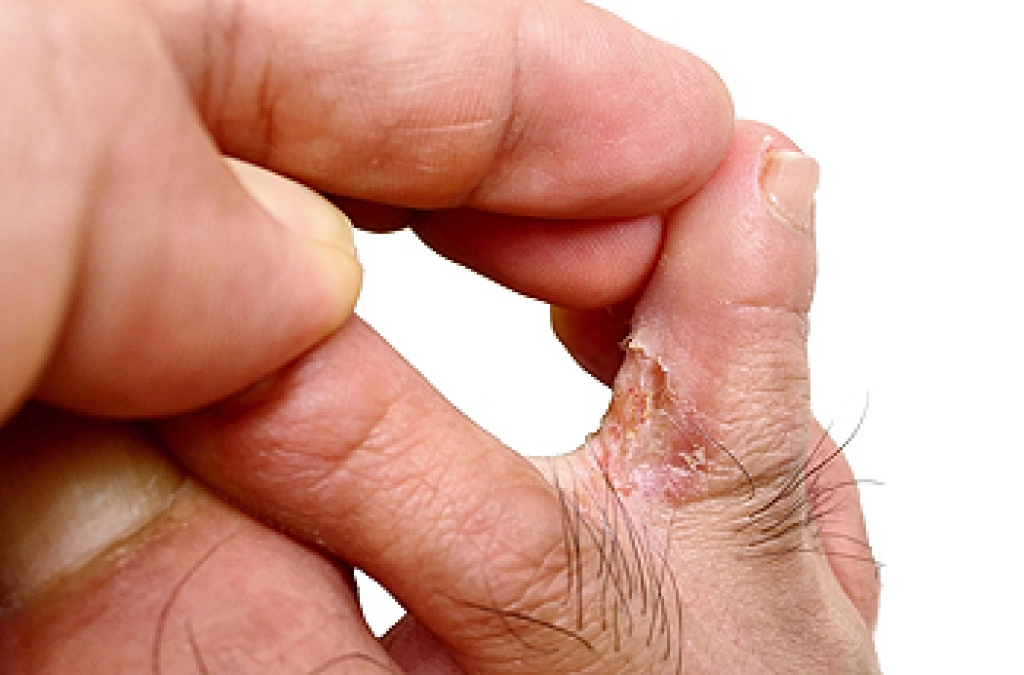
Heel spurs are formed by calcium deposits on the back of the foot where the heel is. This can also be caused by small fragments of bone breaking off one section of the foot, attaching onto the back of the foot. Heel spurs can also be bone growth on the back of the foot and may grow in the direction of the arch of the foot.

Older individuals usually suffer from heel spurs and pain sometimes intensifies with age. One of the main condition's spurs are related to is plantar fasciitis.

Pain

The pain associated with spurs is often because of weight placed on the feet. When someone is walking, their entire weight is concentrated on the feet. Bone spurs then have the tendency to affect other bones and tissues around the foot. As the pain continues, the feet will become tender and sensitive over time.

Treatments

There are many ways to treat heel spurs. If one is suffering from heel spurs in conjunction with pain, there are several methods for healing. Medication, surgery, and herbal care are some options.

If you have any questions, please feel free to contact our office located in Deerfield Beach, FL . We offer the newest diagnostic and treatment technologies for all your foot care needs.
Read more about Heel Spurs

Exploring Causes and Symptoms of Athlete’s Foot

Athlete's foot, a common fungal infection, stealthily creeps into the lives of many, causing discomfort and irritation. The primary culprit behind this ailment is a group of fungi known as dermatophytes, which thrive in warm and moist environments. Shared spaces such as locker rooms, swimming pools, or communal showers become breeding grounds, facilitating the transmission of the infection. The symptoms of athlete's foot manifest in various ways, often starting with itching, burning, or stinging sensations between the toes. As the infection progresses, the skin may peel, crack, or develop blisters. In some cases, persistent fungal growth can lead to a distinctive, unpleasant odor. Recognizing the causes and symptoms is vital for swift intervention. If you have these symptoms of athlete’s foot, it is suggested that you visit a podiatrist who can successfully treat this condition in addition to educating you on effective prevention methods.

Athlete’s foot is an inconvenient condition that can be easily reduced with the proper treatment. If you have any concerns about your feet and ankles, contact one of our podiatrists from East Ocean Podiatry .  Our doctors will treat your foot and ankle needs.

Athlete’s Foot: The Sole Story

Athlete's foot, also known as tinea pedis, can be an extremely contagious foot infection. It is commonly contracted in public changing areas and bathrooms, dormitory style living quarters, around locker rooms and public swimming pools, or anywhere your feet often come into contact with other people.

Solutions to Combat Athlete’s Foot

  • Hydrate your feet by using lotion
  • Exfoliate
  • Buff off nails
  • Use of anti-fungal products
  • Examine your feet and visit your doctor if any suspicious blisters or cuts develop

Athlete’s foot can cause many irritating symptoms such as dry and flaking skin, itching, and redness. Some more severe symptoms can include bleeding and cracked skin, intense itching and burning, and even pain when walking. In the worst cases, Athlete’s foot can cause blistering as well. Speak to your podiatrist for a better understanding of the different causes of Athlete’s foot, as well as help in determining which treatment options are best for you.

If you have any questions please feel free to contact our office located in Deerfield Beach, FL . We offer the newest diagnostic and treatment technologies for all your foot and ankle needs.

Read more about Athlete's Foot

Definition and Progression of a Plantar Fibroma

A plantar fibroma affects the foot's plantar fascia, resulting in the development of nodules or fibrous tissue. Characterized by a thickening of the ligament that supports the arch, this disorder commonly manifests on the bottom of the foot, near the heel. In its early stages, a plantar fibroma may present as a small, painless nodule. As the condition progresses, these nodules can enlarge and become tender, causing discomfort with weight-bearing activities like walking or standing. Over time, the fibrous tissue may intertwine with the plantar fascia, potentially leading to a reduction in foot flexibility. The stages of a plantar fibroma vary, with some cases remaining relatively stable, while others may experience increased symptoms. Understanding the definition and progression of a plantar fibroma is essential for early recognition and intervention, enabling individuals to explore appropriate management strategies and maintain optimal foot health. If you have discomfort on the bottom of your foot, it is suggested that you visit a podiatrist who can accurately diagnose and treat a plantar fibroma.

A plantar fibroma may disrupt your daily activities. If you have any concerns, contact one of our podiatrists of East Ocean Podiatry . Our doctors can provide the care you need to keep you pain-free and on your feet.

Plantar Fibroma

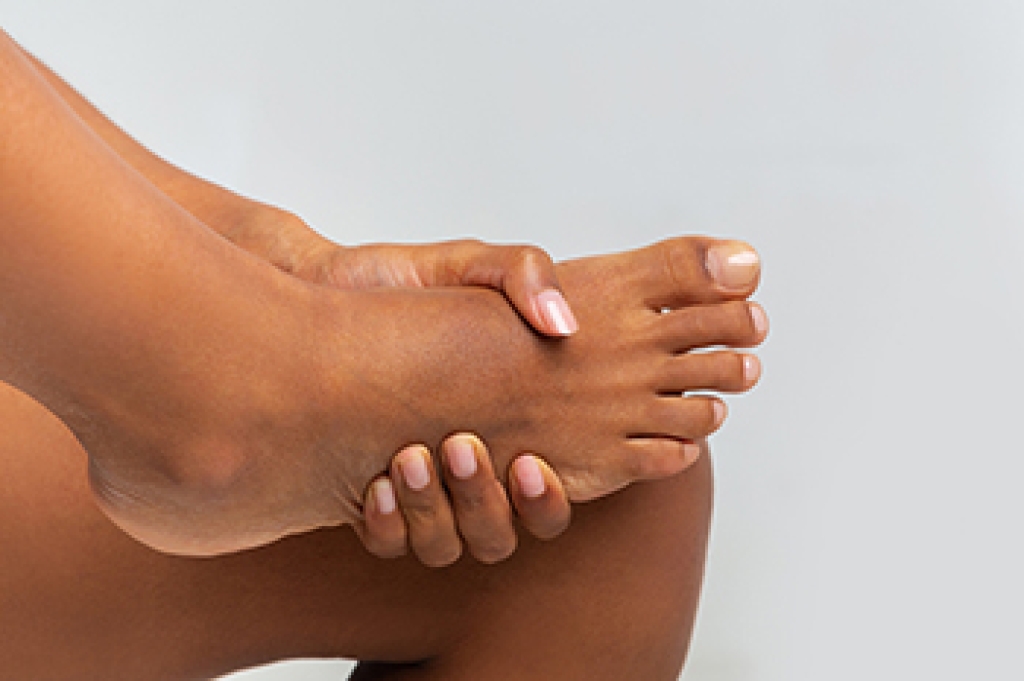
A plantar fibroma is a fibrous knot in the arch of the foot. It is embedded in the plantar fascia which is a band of tissue that extends from the heel to the toes along the bottom of the foot. There can be multiple plantar fibromas in the feet at the same time. There are no known causes for this condition. If you have a plantar fibroma, there will be a bump in the arch of your foot that cannot be missed. Any associated pain is most often due to a shoe rubbing against the nodule. Non-surgical options, such as steroid injections, physical therapy, and orthotics should be tried first. Surgery is a last resort and is the only thing that will remove a plantar fibroma entirely. Consult with a podiatrist for a proper diagnosis and to determine the treatment regimen that is right for you.

What Causes a Plantar Fibroma?

While there are no specific causes identified, a plantar fibroma can possibly come from genetic predisposition or the formation of scar tissue that forms from healing the tears in the plantar fascia.

What Are the Symptoms of a Plantar Fibroma?

There will be a noticeable lump in the arch of the foot that may or may not cause pain. If pain is felt, it is typically because a shoe is rubbing up against the lump or when walking or standing barefoot.

Treatment and Prevention

A plantar fibroma will not disappear without treatment, but it can get smaller and be a non-issue. If pain persists, a podiatrist examines the foot and when the arch of the foot is pressed, pain can be felt down to the toes. An MRI or biopsy might be performed to help diagnose or evaluate the plantar fibroma. The following non-surgical options are generally enough to reduce the size and pain of these nodules:

  • Steroid injections
  • Orthotics
  • Physical therapy to help apply anti-inflammatory creams on the bump 

Surgery is considered if the mass increases in size and the patient continues to feel pain after non-surgical methods are tried.

If you have any questions, please feel free to contact our office located in Deerfield Beach, FL . We offer the newest diagnostic and treatment technologies for all your foot care needs.
Read more about Plantar Fibroma

What Are the Causes and Symptoms of Flat Feet?

Flat feet, also known as fallen arches or pes planus, is a common condition where the arches of the feet are significantly reduced or nonexistent. This can be caused by various factors and is often associated with a range of symptoms. The most common cause of flat feet is genetics, where an individual inherits the condition from their family. In some cases, arches may not fully develop during childhood, leading to flat feet. Other causes can include injuries, muscle or tendon imbalances, and conditions such as arthritis, which can weaken the arch-supporting structures. Symptoms of flat feet can vary, with some people experiencing pain and discomfort, particularly in the arch area or heels. Others may not have any noticeable symptoms at all. The condition can lead to overpronation, causing the feet to roll inward when walking, which may result in problems like shin splints or knee pain. If you have flat feet, it is strongly suggested that you are under the care of a podiatrist who can offer you relief and treatment options.

Flatfoot is a condition many people suffer from. If you have flat feet, contact one of our podiatrists from East Ocean Podiatry . Our doctors will treat your foot and ankle needs.

What Are Flat Feet?

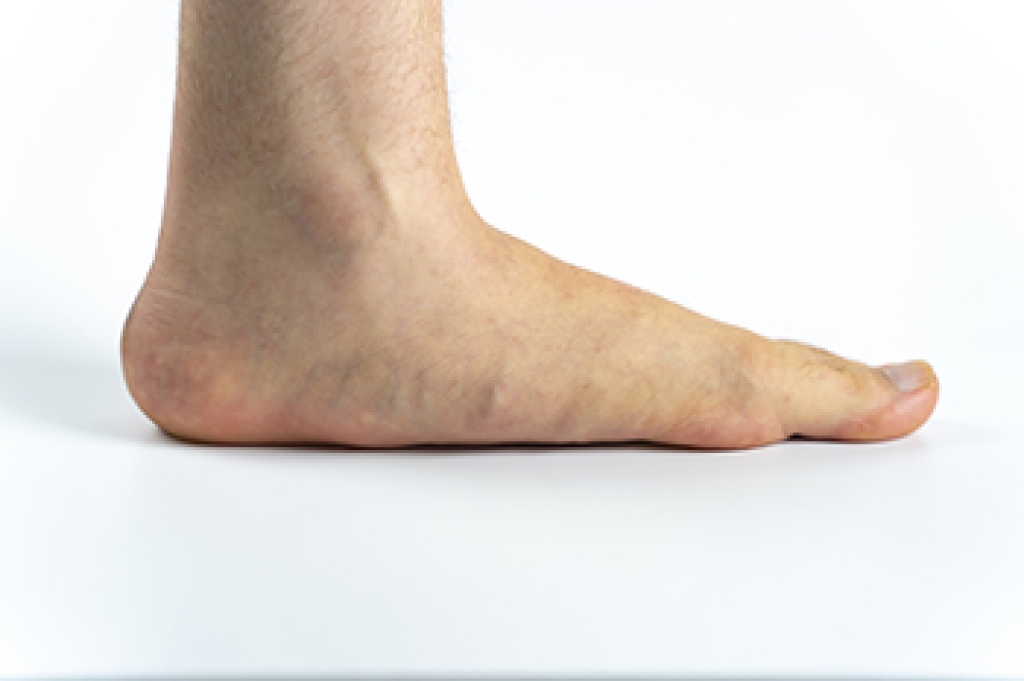
Flatfoot is a condition in which the arch of the foot is depressed and the sole of the foot is almost completely in contact with the ground. About 20-30% of the population generally has flat feet because their arches never formed during growth.

Conditions & Problems:

Having flat feet makes it difficult to run or walk because of the stress placed on the ankles.

Alignment – The general alignment of your legs can be disrupted, because the ankles move inward which can cause major discomfort.

Knees – If you have complications with your knees, flat feet can be a contributor to arthritis in that area.  

Symptoms

  • Pain around the heel or arch area
  • Trouble standing on the tip toe
  • Swelling around the inside of the ankle
  • Flat look to one or both feet
  • Having your shoes feel uneven when worn

Treatment

If you are experiencing pain and stress on the foot you may weaken the posterior tibial tendon, which runs around the inside of the ankle. 

If you have any questions, please feel free to contact our office located in Deerfield Beach, FL . We offer the newest diagnostic and treatment technologies for all your foot care needs.
Read more about Flat Feet

Connect With Us