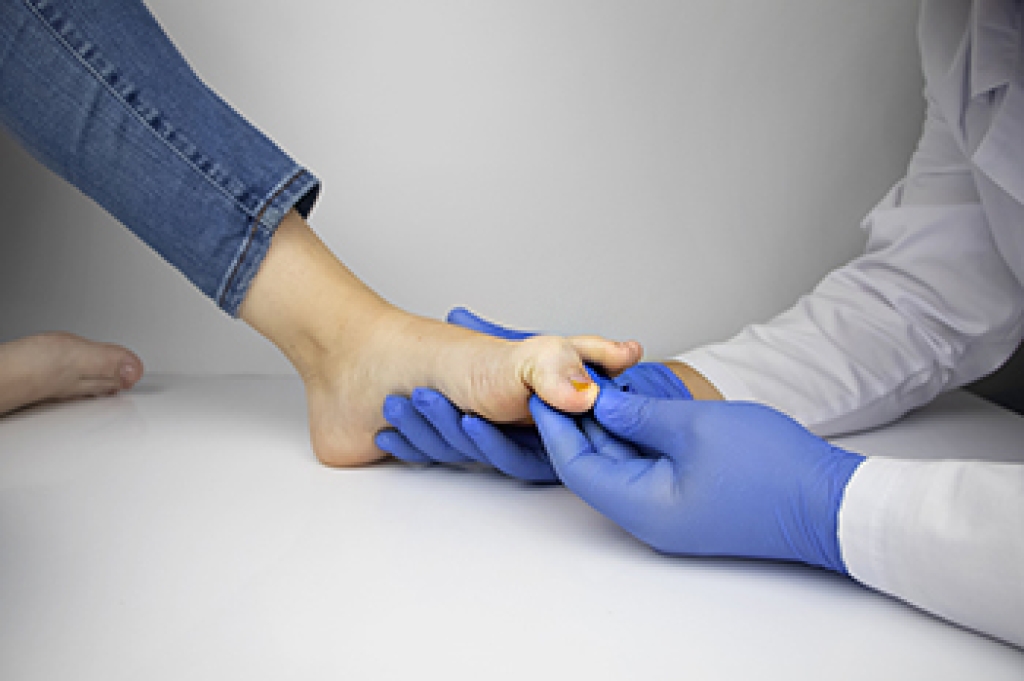
Why a Toenail Falls Off

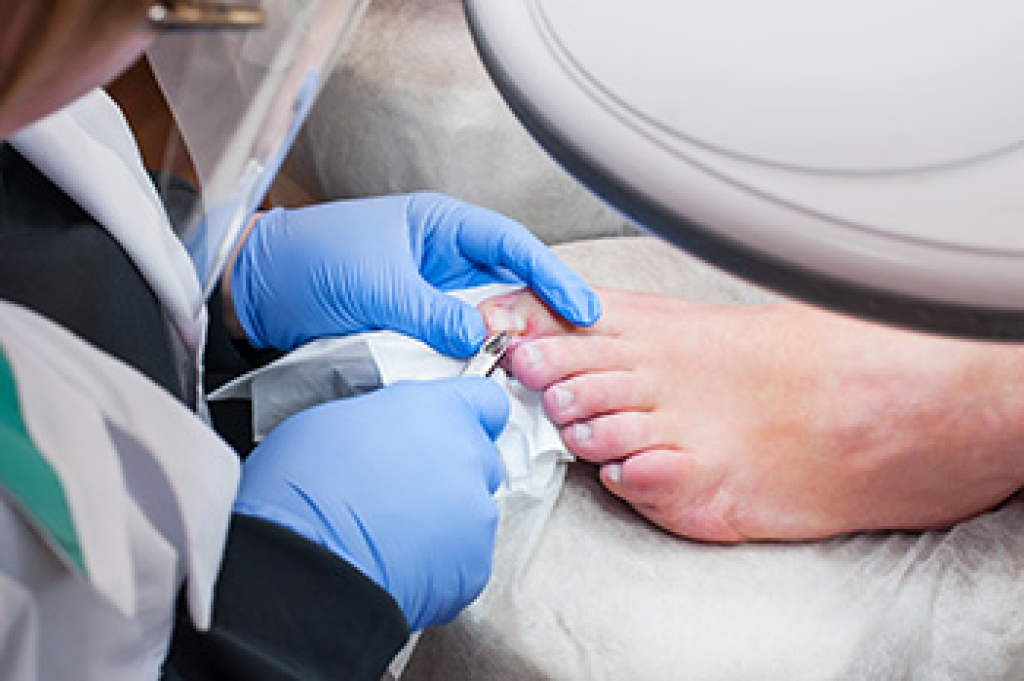
A toenail can fall off for a variety of reasons, most commonly from an injury or repetitive trauma to the toe. Stubbing the toe, dropping something heavy on it, or wearing shoes that create excessive pressure can cause blood to collect under the nail, which can lead to detachment. Fungal infections are another frequent cause of toenail loss, as they weaken the nail. The infection leads to changes in thickness, shape, and color before separation occurs. Skin conditions like psoriasis or eczema may also affect the nail matrix, the area where new nail tissue forms, and result in toenail loss. Before a toenail falls off, people often notice loosening at the tip, discoloration, or pain surrounding the nail bed. A podiatrist can examine the foot, determine the cause, and provide treatment to protect nail regrowth and relieve pain. If your toenail is loose or falling off, it is suggested that you schedule an appointment with a podiatrist for an exam and appropriate treatment.

Toe pain can disrupt your daily activities. If you have any concerns, contact one of our podiatrists of East Ocean Podiatry . Our doctors can provide the care you need to keep you pain-free and on your feet.

What Causes Toe Pain?

Most severe toe pain is caused due to a sports injury, trauma from dropping something heavy on the toe, or bumping into something rigid. Other problems can develop over time for various reasons.

Toe pain can be caused by one or more ailments. The most common include:

  • Trauma
  • Sports injury
  • Wearing shoes that are too tight
  • Arthritis
  • Gout
  • Corns and calluses
  • Hammertoe
  • Bunions
  • Blisters
  • Ingrown toenails
  • Sprains
  • Fractures (broken bones)
  • Dislocations

When to See a Podiatrist

  • Severe pain
  • Persistent pain that lasts more than a week
  • Signs of infection
  • Continued swelling
  • Pain that prevents walking

Diagnosis

In many cases the cause of toe pain is obvious, but in others, a podiatrist may want to use more advanced methods to determine the problem. These can range from simple visual inspections and sensation tests to X-rays and MRI scans. Prior medical history, family medical history, and any recent physical traumatic events will all be taken into consideration for a proper diagnosis.

Treatment

Treatments for toe pain and injuries vary and may include shoe inserts, padding, taping, medicines, injections, and in some cases, surgery. If you believe that you have broken a toe, please see a podiatrist as soon as possible.

If you have any questions please contact our office located in Deerfield Beach, FL . We offer the newest diagnostic and treatment technologies for all your foot and ankle needs.

Read more about Toe Pain

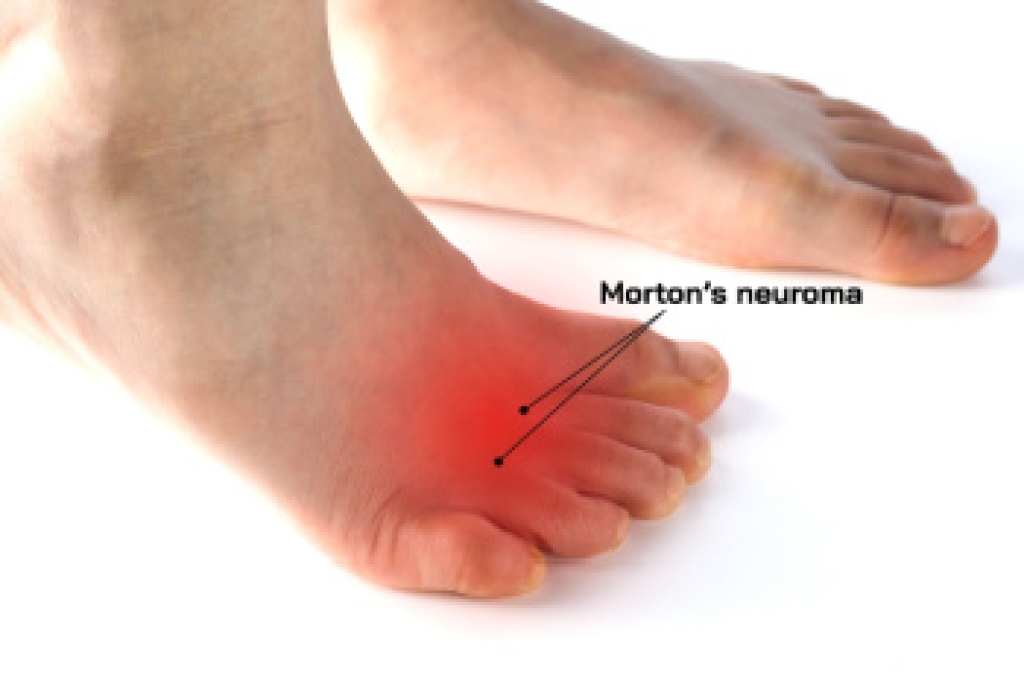
Understanding Morton’s Neuroma

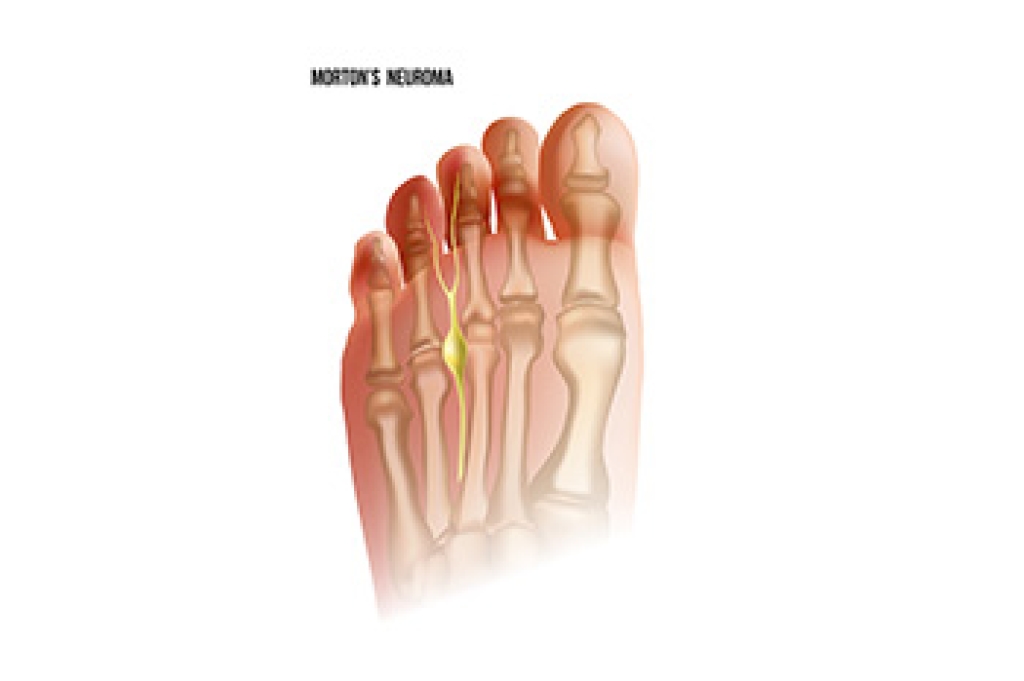
Morton’s neuroma is a painful condition affecting the ball of the foot. It occurs when the tissue surrounding a nerve, often between the third and fourth toes, becomes thickened, causing pain, burning, or a sensation of something being wedged in the shoe. The pain can worsen when walking, standing, or wearing tight shoes. The primary cause of Morton’s neuroma is excessive pressure or irritation on the nerve, often from wearing high heels, tight shoes, or engaging in repetitive activities, like running. Foot deformities, such as bunions or hammertoes, can also increase the risk. A podiatrist can help diagnose Morton’s neuroma through a physical exam and imaging tests. Treatments include wearing custom orthotics, padding, or shoe modifications to reduce pressure on the affected area. In more severe cases, corticosteroid injections or even surgery may be recommended. If you have pain in this part of your foot , it is suggested that you schedule an appointment with a podiatrist for appropriate treatment.

Morton’s neuroma is a very uncomfortable condition to live with. If you think you have Morton’s neuroma, contact one of our podiatrists of East Ocean Podiatry . Our doctors will attend to all of your foot care needs and answer any of your related questions.  

Morton’s Neuroma

Morton's neuroma is a painful foot condition that commonly affects the areas between the second and third or third and fourth toe, although other areas of the foot are also susceptible. Morton’s neuroma is caused by an inflamed nerve in the foot that is being squeezed and aggravated by surrounding bones.

What Increases the Chances of Having Morton’s Neuroma?

  • Ill-fitting high heels or shoes that add pressure to the toe or foot
  • Jogging, running or any sport that involves constant impact to the foot
  • Flat feet, bunions, and any other foot deformities

Morton’s neuroma is a very treatable condition. Orthotics and shoe inserts can often be used to alleviate the pain on the forefront of the feet. In more severe cases, corticosteroids can also be prescribed. In order to figure out the best treatment for your neuroma, it’s recommended to seek the care of a podiatrist who can diagnose your condition and provide different treatment options.

If you have any questions, please feel free to contact our office located in Deerfield Beach, FL . We offer the newest diagnostic and treatment technologies for all your foot care needs.

Read more about Morton's Neuroma

Preventing Painful Blisters Caused by Wearing High Heels

Wearing high heels often leads to blisters due to friction, pressure, and lack of cushioning. Wearing tight or poorly fitted shoes can rub against the skin, creating irritation and fluid-filled pockets that cause discomfort. High heels also force the foot into unnatural positions, increasing strain on certain areas. To prevent blisters, consider buying heels a size larger for extra space, choosing wedges for better balance, and alternating shoes to reduce pressure points. Moisture-wicking socks or hosiery and protective pads can also help. A podiatrist can safely treat existing blisters, recommend proper footwear, and offer advice to prevent future irritation. If you have blisters from wearing high heels, it is suggested that you consult a podiatrist who can treat various foot conditions, and guide you on better high heel options.

Blisters are prone to making everyday activities extremely uncomfortable. If your feet are hurting, contact one of our podiatrists of East Ocean Podiatry . Our doctors can provide the care you need to keep you pain-free and on your feet.

Foot Blisters

Foot blisters develop as a result of constantly wearing tight or ill-fitting footwear. This happens due to the constant rubbing from the shoe, which can often lead to pain.

What Are Foot Blisters?

A foot blister is a small fluid-filled pocket that forms on the upper-most layer of the skin. Blisters are filled with clear fluid and can lead to blood drainage or pus if the area becomes infected.

How Do Blisters Form?

Blisters on the feet are often the result of constant friction of skin and material, usually by shoe rubbing. Walking in sandals, boots, or shoes that don’t fit properly for long periods of time can result in a blister. Having consistent foot moisture and humidity can easily lead to blister formation.

Prevention & Treatment

It is important to properly care for the affected area in order to prevent infection and ease the pain. Do not lance the blister and use a Band-Aid to provide pain relief. Also, be sure to keep your feet dry and wear proper fitting shoes. If you see blood or pus in a blister, seek assistance from a podiatrist.

If you have any questions, please feel free to contact our office located in Deerfield Beach, FL . We offer the newest diagnostic and treatment technologies for all your foot care needs.

Read more about Blisters

The Hidden Danger of Ingrown Toenail Infections

Ingrown toenail infections occur when the edge of the toenail grows into the surrounding skin, allowing bacteria or fungi to enter and cause infection. This condition is often caused by improper nail trimming, wearing tight or ill-fitting shoes, injury, or poor foot hygiene. Symptoms include redness, pain, warmth surrounding the nail, and sometimes pus or drainage indicating infection. The affected toe may look swollen and inflamed, and the pain can make walking or wearing shoes uncomfortable. If left untreated, the infection can worsen and lead to more serious complications. A podiatrist can diagnose ingrown toenail infections through a physical examination and assess the severity of the condition. Treatment may include antibiotics, proper nail care, or minor surgical procedures to remove the infected portion of the nail. To prevent worsening pain and complications, it is suggested that you schedule an appointment with a podiatrist for an expert evaluation and treatment.

Ingrown toenails may initially present themselves as a minor discomfort, but they may progress into an infection in the skin without proper treatment. For more information about ingrown toenails, contact one of our podiatrists of East Ocean Podiatry . Our doctors can provide the care you need to keep you pain-free and on your feet.

Ingrown Toenails

Ingrown toenails are caused when the corner or side of a toenail grows into the soft flesh surrounding it. They often result in redness, swelling, pain, and in some cases, infection. This condition typically affects the big toe and may recur if it is not treated properly.

Causes

  • Improper toenail trimming
  • Genetics
  • Improper shoe fitting
  • Injury from pedicures or nail picking
  • Abnormal gait
  • Poor hygiene

You are more likely to develop an ingrown toenail if you are obese, have diabetes, arthritis, or have any fungal infection in your nails. Additionally, people who have foot or toe deformities are at a higher risk of developing an ingrown toenail.

Symptoms

Some symptoms of ingrown toenails are redness, swelling, and pain. In rare cases, there may be a yellowish drainage coming from the nail.

Treatment

Ignoring an ingrown toenail can have serious complications. Infections of the nail border can progress to a deeper soft-tissue infection, which can then turn into a bone infection. You should always speak with your podiatrist if you suspect you have an ingrown toenail, especially if you have diabetes or poor circulation.

If you have any questions, please feel free to contact our office located in Deerfield Beach, FL . We offer the newest diagnostic and treatment technologies for all your foot care needs.

Read more about Ingrown Toenail Care

What Are Bunionettes?

Although the term “bunionette” may sound like something small and cute, it actually refers to a foot deformity. Indeed, a bunionette is a small bunion. While most bunions occur on the outer edges of big toes, bunionettes develop on the outside of the pinky toes. Bunionettes can cause pain and difficulty finding comfortable shoes that don’t rub against the bumps. Left untreated, bunionettes can also progressively worsen. In mild, asymptomatic cases, wearing wider, more comfortable shoes can prevent the condition from getting worse. In more severe cases, surgery can be used to correct the deformity. If you have a troublesome bunionette, it is suggested that you make an appointment with a podiatrist. 

If you are suffering from bunions, contact one of our podiatrists of East Ocean Podiatry . Our doctors can provide the care you need to keep you pain-free and on your feet.

What Is a Bunion?

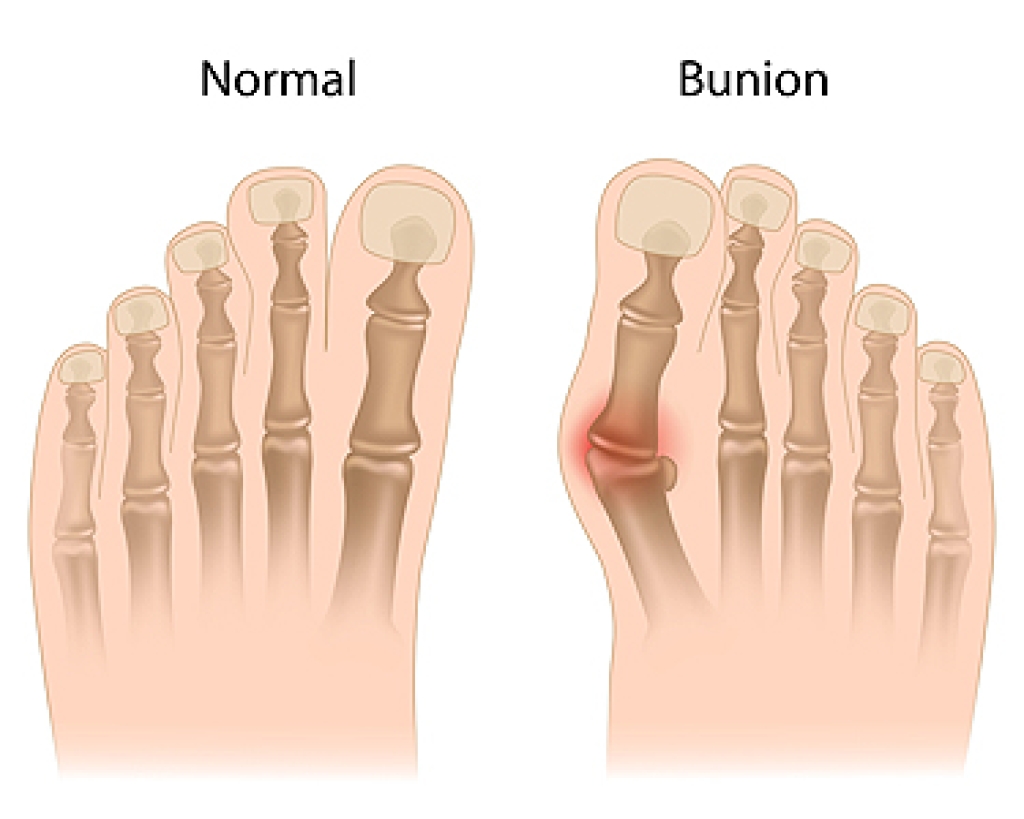
A bunion is formed of swollen tissue or an enlargement of boney growth, usually located at the base joint of the toe that connects to the foot. The swelling occurs due to the bones in the big toe shifting inward, which impacts the other toes of the foot. This causes the area around the base of the big toe to become inflamed and painful.

Why Do Bunions Form?

Genetics – Susceptibility to bunions are often hereditary

Stress on the feet – Poorly fitted and uncomfortable footwear that places stress on feet, such as heels, can worsen existing bunions

How Are Bunions Diagnosed?

Podiatrists often perform two tests – blood tests and x-rays – when trying to diagnose bunions, especially in the early stages of development. Blood tests help determine if the foot pain is being caused by something else, such as arthritis, while x-rays provide a clear picture of your bone structure to your provider.

How Are Bunions Treated?

  • Refrain from wearing heels or similar shoes that cause discomfort
  • Select wider shoes that can provide more comfort and reduce pain
  • Anti-inflammatory and pain management drugs
  • Orthotics or foot inserts
  • Surgery

If you have any questions, please feel free to contact our office located in Deerfield Beach, FL . We offer the newest diagnostic and treatment technologies for all your foot care needs.

Read more about Bunions

Stretching Helps Runners Prevent Injury

Stretching is essential for runners to prevent injuries, improve flexibility, and support muscle recovery. The knee hug stretch loosens hip and glute muscles by pulling one knee toward the chest while standing. The child’s pose relaxes the back and hips by kneeling and reaching arms forward on the ground. A simple toe touch stretches hamstrings and calves by bending forward to touch your toes. These stretches improve circulation, reduce tension, and enhance running performance. A podiatrist can assess gait, provide injury prevention tips, and recommend orthotics for proper support. If you have developed foot pain from running, it is suggested that you consult a podiatrist who can treat various foot conditions, and guide you on additional running injury prevention tips. 

Exercising your feet regularly with the proper foot wear is a great way to prevent injuries. If you have any concerns about your feet, contact one of our podiatrists of East Ocean Podiatry . Our doctors will treat your foot and ankle needs.

How to Prevent Running Injuries

Many common running injuries are caused by overuse and overtraining. When the back of the kneecap starts wearing out and starts causing pain in your knee, this is commonly referred to as runner’s knee. Runner’s knee is a decrease in strength in your quadriceps and can occur if you’re not wearing properly fitted or supporting shoes. To prevent runner’s knee, focusing on hip strengthening is a good idea, as well as strengthening your quads to keep the kneecaps aligned.

What Are Some Causes of Running Injuries? 
- One cause of a common running injury is called iliotibial band syndrome.
- Plantar fasciitis is also another common injury.
- Stress fractures can occur from overtraining, lack of calcium, or even your running style.

Best Ways to Prevent Running Injuries
- Wear footwear that fits properly and suits your running needs.
- Running shoes are the only protective gear that runners have to safeguard them from injury.
- Make a training schedule. Adding strengthening exercises as well as regular stretching can help keep you strong and limber and can lessen the possibility of injuries.
- Stretching keeps muscles limber; this will help you gain better flexibility.

If you have any questions, please feel free to contact our office located in Deerfield Beach, FL . We offer the newest diagnostic and treatment technologies for all your foot care needs.

Read more about How to Prevent Running Injuries

Let the Expert Treat Your Ingrown Toenails

Ingrown toenails can be painful and can make wearing shoes or walking uncomfortable. Seek professional help if you believe you've developed an ingrown toenail and be treated safely. 

Why Pain in the Ball of Your Foot May Be Metatarsalgia

Metatarsalgia causes pain and inflammation in the ball of the foot, often described as a burning, aching, or a sharp sensation beneath the toes. It may feel like standing on a pebble or sharp object, especially during walking or running. Causes include high-impact activities, improper footwear, excess weight, or wearing high heels. Symptoms may worsen with activity and improve with rest, and the area may appear slightly swollen or red. A podiatrist can diagnose metatarsalgia through a physical examination, gait analysis, and imaging tests, such as X-rays. Treatment options include custom orthotics, footwear changes, anti-inflammatory medications, and stretching exercises. In more persistent cases, additional procedures may be recommended. Addressing the condition early can prevent further complications and improve mobility. It is suggested that you make an appointment with a podiatrist to receive a proper diagnosis and treatment.

Foot Pain

Foot pain can be extremely painful and debilitating. If you have a foot pain, consult with one of our podiatrists from East Ocean Podiatry . Our doctors will assess your condition and provide you with quality foot and ankle treatment.

Causes

Foot pain is a very broad condition that could be caused by one or more ailments. The most common include:

  • Bunions
  • Hammertoes
  • Plantar Fasciitis
  • Bone Spurs
  • Corns
  • Tarsal Tunnel Syndrome
  • Ingrown Toenails
  • Arthritis (such as Gout, Rheumatoid, and Osteoarthritis)
  • Flat Feet
  • Injury (from stress fractures, broken toe, foot, ankle, Achilles tendon ruptures, and sprains)
  • And more

Diagnosis

To figure out the cause of foot pain, podiatrists utilize several different methods. This can range from simple visual inspections and sensation tests to X-rays and MRI scans. Prior medical history, family medical history, and any recent physical traumatic events will all be taken into consideration for a proper diagnosis.

Treatment

Treatment depends upon the cause of the foot pain. Whether it is resting, staying off the foot, or having surgery; podiatrists have a number of treatment options available for foot pain.

If you have any questions, please feel free to contact our office located in Deerfield Beach, FL . We offer the newest diagnostic and treatment technologies for all your foot care needs.

Read more about Foot Pain

Women’s Perspective on Morton’s Neuroma

Morton's neuroma, a painful condition affecting the nerves in the foot, is notably prevalent among women. This ailment, characterized by a thickening of the tissue around the nerves leading to the toes, often manifests between the third and fourth toes. Women, who frequently wear high-heeled shoes or shoes with a narrow toe box, are more susceptible to the compression and irritation that contribute to Morton's neuroma. The pressure exerted on the forefoot, coupled with the repetitive stress from wearing such footwear, can exacerbate the condition. Additionally, activities that involve footwear with tight toe spaces, such as ballet or certain athletic pursuits, may increase the risk. Recognizing the connection between footwear choices, lifestyle, and the development of Morton's neuroma is vital for women. Morton’s neuroma is a foot condition that is treated by podiatrists. If you have pain between the third and fourth toes, it is strongly suggested that you contact a podiatrist for an accurate diagnosis and treatment options.

Morton’s neuroma is a very uncomfortable condition to live with. If you think you have Morton’s neuroma, contact one of our podiatrists of East Ocean Podiatry . Our doctors will attend to all of your foot care needs and answer any of your related questions.  

Morton’s Neuroma

Morton's neuroma is a painful foot condition that commonly affects the areas between the second and third or third and fourth toe, although other areas of the foot are also susceptible. Morton’s neuroma is caused by an inflamed nerve in the foot that is being squeezed and aggravated by surrounding bones.

What Increases the Chances of Having Morton’s Neuroma?

  • Ill-fitting high heels or shoes that add pressure to the toe or foot
  • Jogging, running or any sport that involves constant impact to the foot
  • Flat feet, bunions, and any other foot deformities

Morton’s neuroma is a very treatable condition. Orthotics and shoe inserts can often be used to alleviate the pain on the forefront of the feet. In more severe cases, corticosteroids can also be prescribed. In order to figure out the best treatment for your neuroma, it’s recommended to seek the care of a podiatrist who can diagnose your condition and provide different treatment options.

If you have any questions, please feel free to contact our office located in Deerfield Beach, FL . We offer the newest diagnostic and treatment technologies for all your foot care needs.

Read more about Morton's Neuroma

Connect With Us