The Impact of Obesity on Foot Health

In today's fast-paced world, the rising concern of obesity has become a significant health issue, affecting various aspects of our well-being. One often overlooked consequence of obesity is its profound impact on foot health. The excess weight carried by obese individuals places an immense burden on the feet, leading to a myriad of problems. Feet, being the foundation of our body, bear the brunt of this added pressure, causing strain on joints, ligaments, bones, and tendons. Over time, this strain can result in conditions such as plantar fasciitis, flat feet, and arthritis. The increased load also hampers circulation, contributing to swelling and discomfort. Neglecting foot health in the context of obesity can exacerbate these issues, impacting overall mobility and quality of life. Recognizing the intricate connection between obesity and foot health is vital for fostering a proactive approach to address this concern. If you are overweight and have foot pain, it is suggested that you consult a podiatrist who can help you to see the connection and provide appropriate relief options.

The more you weigh, the harder your feet must work to support your body. If you’re an obese individual and are concerned about your feet, contact one of our podiatrists from East Ocean Podiatry . Our doctors can provide the care you need to keep you pain-free and on your feet.

Obesity and Your Feet

People who are overweight are putting more pressure on their ankles, knees, and hips as well as their feet. This unfortunately can lead to variety of different issues.

Problems & Complications Stemming from Obesity

  • When the body is overweight, it tries to compensate by changing the way that it moves. An obese person may lean forward and put extra weight on the wrong part of the foot. This puts unnecessary stress on the feet.
  • Obese people are also more likely to develop type II diabetes which is a condition that causes a lot of foot problems. People with diabetes often don’t feel the cuts and sores that they may have on their feet, which can lead to more complicated and severe issues.
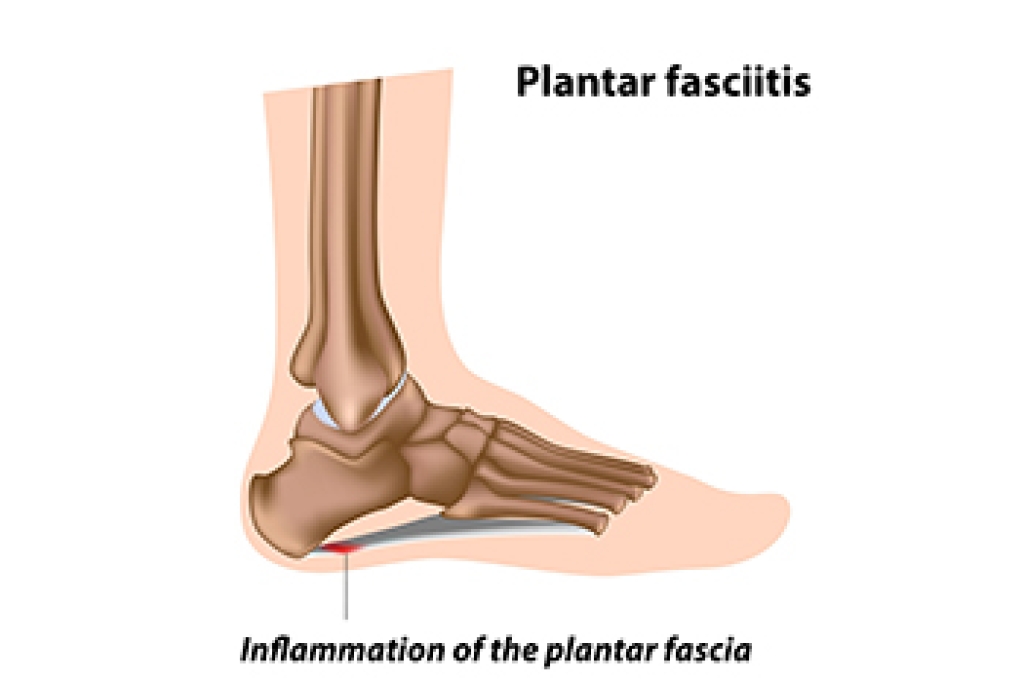
  • Plantar fasciitis is another foot condition that can be caused by obesity. Plantar fasciitis is an inflammation of the tissue along the bottom of the foot, which causes pain and stiffness while walking and climbing stairs.

If you have any questions please contact our office located in Deerfield Beach, FL . We offer the newest diagnostic and treatment technologies for all your foot and ankle needs.
Read more about Obesity and the Feet

Treatment of Toenail Fungus

The treatment of toenail fungus, medically known as onychomycosis, aims to eliminate the fungal infection and improve the appearance and health of the affected nails. Treatment options for toenail fungus can vary depending on the severity of the infection. In many cases, antifungal nail paints or creams can be effective for mild infections. These topical treatments need to be applied consistently over several months. For more severe or persistent cases, prescription medications may be required. Oral antifungal medications prescribed by a podiatrist are often more potent and can lead to better outcomes. However, they may have side effects and require monitoring during treatment. In some instances, where the infection is resistant to other treatments or when multiple nails are affected, surgical options such as nail removal or laser therapy may be considered. If you have toenail fungus, it is suggested that you schedule an appointment with a podiatrist for a consultation and treatment appropriate to your situation.

If left untreated, toenail fungus may spread to other toenails, skin, or even fingernails. If you suspect you have toenail fungus it is important to seek treatment right away. For more information about treatment, contact one of our podiatrists of East Ocean Podiatry . Our doctors can provide the care you need to keep you pain-free and on your feet.

Symptoms

  • Warped or oddly shaped nails
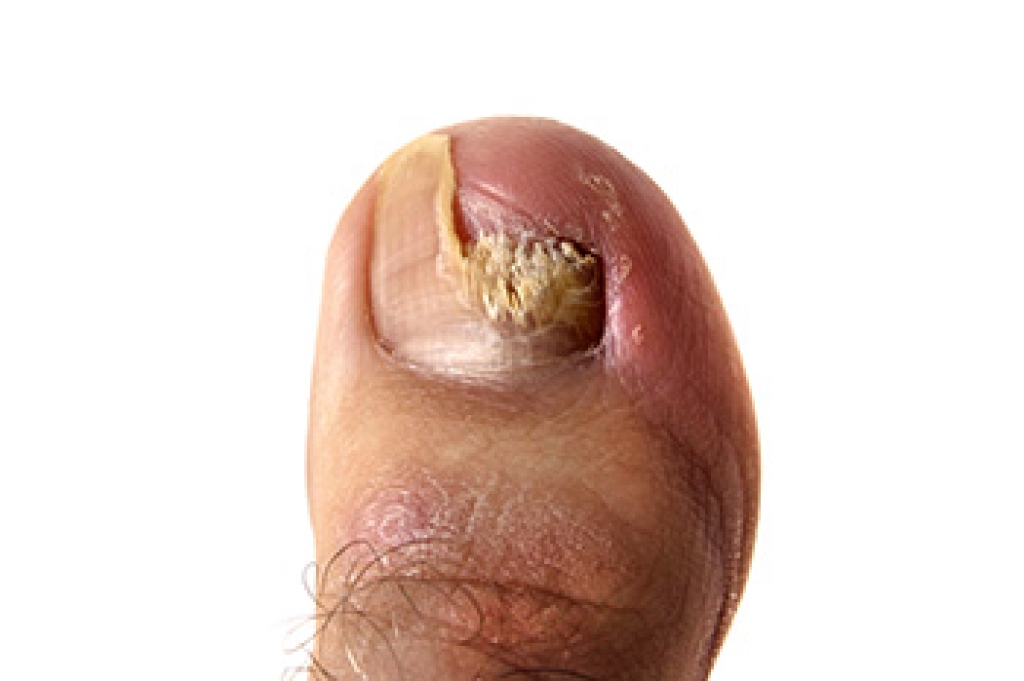
  • Yellowish nails
  • Loose/separated nail
  • Buildup of bits and pieces of nail fragments under the nail
  • Brittle, broken, thickened nail

Treatment

If self-care strategies and over-the-counter medications does not help your fungus, your podiatrist may give you a prescription drug instead. Even if you find relief from your toenail fungus symptoms, you may experience a repeat infection in the future.

Prevention

In order to prevent getting toenail fungus in the future, you should always make sure to wash your feet with soap and water. After washing, it is important to dry your feet thoroughly especially in between the toes. When trimming your toenails, be sure to trim straight across instead of in a rounded shape. It is crucial not to cover up discolored nails with nail polish because that will prevent your nail from being able to “breathe”.

In some cases, surgical procedure may be needed to remove the toenail fungus. Consult with your podiatrist about the best treatment options for your case of toenail fungus.  

If you have any questions please contact our office located in Deerfield Beach, FL . We offer the newest diagnostic and treatment technologies for all your foot and ankle needs.

Read more about Toenail Fungus

What Can Be Done About Bunions?

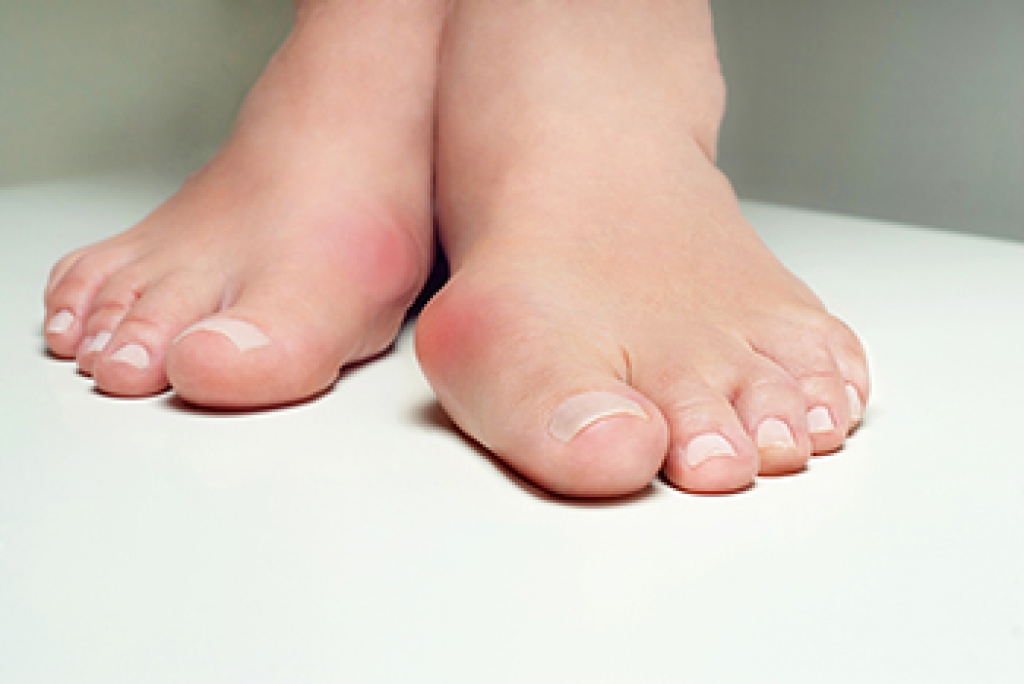
Bunions, also known as hallux valgus, are a common and often misunderstood foot deformity. While they may appear as a bump on the side of the big toe, they involve changes in the bone structure. The big toe leans towards the second toe, causing misalignment and the formation of the visible bump. Bunions are progressive and develop over time. Symptoms may include pain, inflammation, burning, and even numbness, especially when wearing tight shoes or high heels. Women are more prone to symptoms due to footwear choices. While shoes do not cause bunions, they can exacerbate the condition. Bunions can be caused by an inherited faulty foot structure, making some people more susceptible. Diagnosis involves a physical examination and X-rays to assess the deformity's extent. Treatment options include changes in footwear, padding, activity modification, medication, injections, and custom orthotic devices. Surgery may be necessary when non-surgical treatments fail to alleviate pain and interfere with daily activities. Various surgical procedures aim to correct the deformity and reduce pain. The choice of surgery depends on factors like the extent of deformity, age, and activity level. If you have a painful bunion, it is suggested that you schedule an appointment with a podiatrist to see how they can help you.

If you are suffering from bunions, contact one of our podiatrists of East Ocean Podiatry . Our doctors can provide the care you need to keep you pain-free and on your feet.

What Is a Bunion?

A bunion is formed of swollen tissue or an enlargement of boney growth, usually located at the base joint of the toe that connects to the foot. The swelling occurs due to the bones in the big toe shifting inward, which impacts the other toes of the foot. This causes the area around the base of the big toe to become inflamed and painful.

Why Do Bunions Form?

Genetics – Susceptibility to bunions are often hereditary

Stress on the feet – Poorly fitted and uncomfortable footwear that places stress on feet, such as heels, can worsen existing bunions

How Are Bunions Diagnosed?

Doctors often perform two tests – blood tests and x-rays – when trying to diagnose bunions, especially in the early stages of development. Blood tests help determine if the foot pain is being caused by something else, such as arthritis, while x-rays provide a clear picture of your bone structure to your doctor.

How Are Bunions Treated?

  • Refrain from wearing heels or similar shoes that cause discomfort
  • Select wider shoes that can provide more comfort and reduce pain
  • Anti-inflammatory and pain management drugs
  • Orthotics or foot inserts
  • Surgery

If you have any questions, please feel free to contact our office located in Deerfield Beach, FL . We offer the newest diagnostic and treatment technologies for all your foot care needs.

Read more about What Are Bunions?

Causes and Symptoms of Foot Discomfort During Pregnancy

Pregnancy brings about numerous changes in a woman's body, and foot discomfort often becomes a notable concern. One primary cause is the increased weight and pressure exerted on the feet due to the growing baby. This added stress can lead to swelling, commonly known as edema, making shoes feel tighter. Hormonal changes during pregnancy affect ligaments, potentially resulting in flat feet or overpronation, which can cause discomfort. Additionally, fluid retention can contribute to a feeling of heaviness and puffiness in the feet. As the pregnancy progresses, the body produces a hormone called relaxin, which loosens ligaments in preparation for childbirth, potentially impacting foot arches and stability. Common symptoms include swelling, aching, and changes in foot shape. Choosing supportive footwear, elevating the feet when possible, and staying physically active can help alleviate these discomforts and promote overall foot health during pregnancy. If you are experiencing foot pain during your pregnancy, it is strongly suggested that you seek the advice of a podiatrist who can guide you toward effective relief tips.

Pregnant women with swollen feet can be treated with a variety of different methods that are readily available. For more information about other cures for swollen feet during pregnancy, consult with one of our podiatrists from East Ocean Podiatry . Our doctors will attend to all of your foot and ankle needs.

What Foot Problems Can Arise During Pregnancy?

One problem that can occur is overpronation, which occurs when the arch of the foot flattens and tends to roll inward.  This can cause pain and discomfort in your heels while you’re walking or even just standing up, trying to support your baby.  

Another problem is edema, or swelling in the extremities. This often affects the feet during pregnancy but tends to occur in the later stages. 

How Can I Keep My Feet Healthy During Pregnancy?

  • Wearing orthotics can provide extra support for the feet and help distribute weight evenly
  • Minimize the amount of time spent walking barefoot
  • Wear shoes with good arch support
  • Wear shoes that allow for good circulation to the feet
  • Elevate feet if you experience swelling
  • Massage your feet
  • Get regular, light exercise, such as walking, to promote blood circulation to the feet

If you have any questions, please feel free to contact our office located in Deerfield Beach, FL . We offer the newest diagnostic and treatment technologies for all your foot care needs.

Read more about Pregnancy and Foot Health

Keep Your Feet Healthy So You Can Stay Active

Have your feet inspected by a professional before starting a new sport or physical activity. Taking charge of your foot health will keep you in good physical condition and can help you avoid a potential injury, such as a fracture or sprained ankle.

Prevent injuries and see a foot specialist.

Potential Relief Options for Plantar Fasciitis

Plantar fasciitis, a common foot ailment affecting people between 25 and 65 years old, results from the overloading or overstretching of the plantar fascia, which is the supportive tissue beneath the foot's arch. A podiatrist may offer a variety of treatment options tailored to manage the pain of plantar fasciitis and help toward healing. Rest and support are integral to short-term management. Utilizing a walking boot and crutches allows the foot to rest, aiding in the recovery process. Corticosteroid injections become a consideration in cases of severe pain and inflammation resistant to other conservative treatments. However, caution is warranted due to potential weakening of the plantar fascia and the risk of rupture, which can lead to chronic pain and foot flattening. Extracorporeal shockwave therapy is a noninvasive procedure used by some podiatrists to stimulate healing in plantar fascia tissue. However, its effectiveness varies among individuals. Low-level laser therapy is sometimes employed by podiatrists to reduce the pain and inflammation associated with plantar fasciitis, offering relief for up to three months. In cases where nonsurgical treatments prove insufficient, foot surgery may be considered. But it typically is reserved for situations where significant improvement has not been observed through other methods. To find out more healing from plantar fasciitis, it is suggested that you schedule an appointment with a podiatrist for an exam and treatment plan.

Plantar fasciitis can be very painful and inconvenient. If you are experiencing heel pain or symptoms of plantar fasciitis, contact one of our podiatrists  from East Ocean Podiatry . Our doctors can provide the care you need to keep you pain-free and on your feet.

What Is Plantar Fasciitis?

Plantar fasciitis is the inflammation of the thick band of tissue that runs along the bottom of your foot, known as the plantar fascia, and causes mild to severe heel pain.

What Causes Plantar Fasciitis?

  • Excessive running
  • Non-supportive shoes
  • Overpronation
  • Repeated stretching and tearing of the plantar fascia

How Can It Be Treated?

  • Conservative measures – anti-inflammatories, ice packs, stretching exercises, physical therapy, orthotic devices
  • Shockwave therapy – sound waves are sent to the affected area to facilitate healing and are usually used for chronic cases of plantar fasciitis
  • Surgery – usually only used as a last resort when all else fails. The plantar fascia can be surgically detached from the heel

While very treatable, plantar fasciitis is definitely not something that should be ignored. Especially in severe cases, speaking to your doctor right away is highly recommended to avoid complications and severe heel pain. Your podiatrist can work with you to provide the appropriate treatment options tailored to your condition.

If you have any questions, please feel free to contact our office located in Deerfield Beach, FL . We offer the newest diagnostic and treatment technologies for all your foot care needs.

Read more about Plantar Fasciitis

Weighing the Pros and Cons of Bunion Surgery

Bunion surgery, a consideration for those grappling with persistent discomfort and deformity, involves a meticulous assessment of its potential benefits and drawbacks. On the positive side, bunion surgery can provide relief from pain, improve the appearance of the foot, and enhance overall mobility. By correcting the misalignment of the big toe joint, surgery addresses the root cause of the bunion, preventing its progression. Increased joint function and reduced pressure on adjacent toes can contribute to improved overall foot health. However, the decision to undergo bunion surgery comes with its set of considerations. Potential drawbacks include the risks associated with any surgical procedure, such as infection, scarring, or adverse reactions to anesthesia. Postoperative recovery involves a period of limited mobility and potential discomfort. Additionally, the success of bunion surgery depends on various factors, including the severity of the bunion and the patient's commitment to postoperative care. If you have a bunion and are considering surgery, it is suggested that you schedule an appointment with a podiatrist who can help you to make an informed decision.

Foot surgery is sometimes necessary to treat a foot ailment. To learn more, contact one of our podiatrists of East Ocean Podiatry . Our doctors will assist you with all of your foot and ankle needs.

When Is Surgery Necessary?

Foot and ankle surgery is generally reserved for cases in which less invasive, conservative procedures have failed to alleviate the problem. Some of the cases in which surgery may be necessary include:

  • Removing foot deformities like bunions and bone spurs
  • Severe arthritis that has caused bone issues
  • Cosmetic reconstruction

What Types of Surgery Are There?

The type of surgery you receive will depend on the nature of the problem you have. Some of the possible surgeries include:

  • Bunionectomy for painful bunions
  • Surgical fusion for realignment of bones
  • Neuropathy decompression surgery to treat nerve damage

Benefits of Surgery

Although surgery is usually a last resort, it can provide more complete pain relief compared to non-surgical methods and may allow you to finally resume full activity.

Surgical techniques have also become increasingly sophisticated. Techniques like endoscopic surgery allow for smaller incisions and faster recovery times.

If you have any questions, please feel free to contact our office located in Deerfield Beach, FL . We offer the newest diagnostic and treatment technologies for all your foot care needs.

Read more about Foot Surgery

The Significance of Running Shoe Rotation

Running is a fantastic way to stay fit and relieve stress, but it can also take a toll on your feet and shoes. This is where the practice of running shoe rotation comes into play. It involves switching between different pairs of running shoes to distribute the impact and wear more evenly. The importance of running shoe rotation lies in several key benefits. First, it prolongs the lifespan of your shoes. Continuous use of the same pair can lead to faster wear and tear, reducing their support and cushioning. Rotating between multiple pairs allows each shoe to recover between runs. Additionally, it helps prevent overuse injuries. Each pair of running shoes has a unique cushioning and support system. By alternating between them, you may reduce the risk of overloading specific muscle groups and joints. This can help to lower the risk of injuries such as shin splints, stress fractures, and Achilles tendonitis. Different shoes can provide variations in comfort and performance, giving your feet a break from repetitive motion and potentially improving your performance. Whether you are a seasoned runner or just starting out, incorporating a rotation schedule into your running routine can help keep your feet healthy and your runs enjoyable. For more information about running shoes and the importance of rotating them or if you have endured a foot or ankle injury from running, it is suggested that you speak with a podiatrist.

You should always make sure your running shoes fit properly in order to avoid injury. For more information, contact one of our podiatrists from East Ocean Podiatry . Our doctors can provide the care you need to keep you pain-free and on your feet.

Choosing the Right Running Shoe for Your Foot Type

Improper shoe sizing can cause a myriad of problems for your feet. Shoes that don’t fit you properly can lead to muscular imbalances in your body, which can result in foot, knee, and hip injuries.

Tips for Finding the Right Running Shoe

  • Make sure you have a thumb’s width of wiggle room between the end of your longest toe and the front of the shoe.
  • There should be little to no slipping at the heel
  • Don’t assume your size in one shoe brand will be your size in another
  • Do not lace up your shoes too tightly
  • Walk around in the store with your new shoes before you buy them

If you have any questions, please feel free to contact our office located in Deerfield Beach, FL . We offer the newest diagnostic and treatment technologies for all your foot care needs.

Read more about Choosing the Right Running Shoe

The Growth of Plantar Warts on the Feet

Plantar warts, though usually harmless, can be quite bothersome. These skin growths typically appear on the soles of your feet and can be painful, especially when walking. They are caused by a virus that accelerates the growth of the top layer of skin, resulting in the formation of warts. While plantar warts generally disappear on their own over months or even years, they can be a source of discomfort and concern. These warts are extremely contagious and can spread easily. Not only can you re-infect yourself by touching a wart and then another part of your body, but you can also transmit the virus to others by sharing personal items, like towels or socks. In most cases, plantar warts do not require treatment. However, if they cause you pain or multiply, it is suggested that you schedule an appointment with a podiatrist for an accurate diagnosis and treatment.

Plantar warts can be very uncomfortable. If you need your feet checked, contact one of our podiatrists from East Ocean Podiatry . Our doctors will assist you with all of your foot and ankle needs.

About Plantar Warts

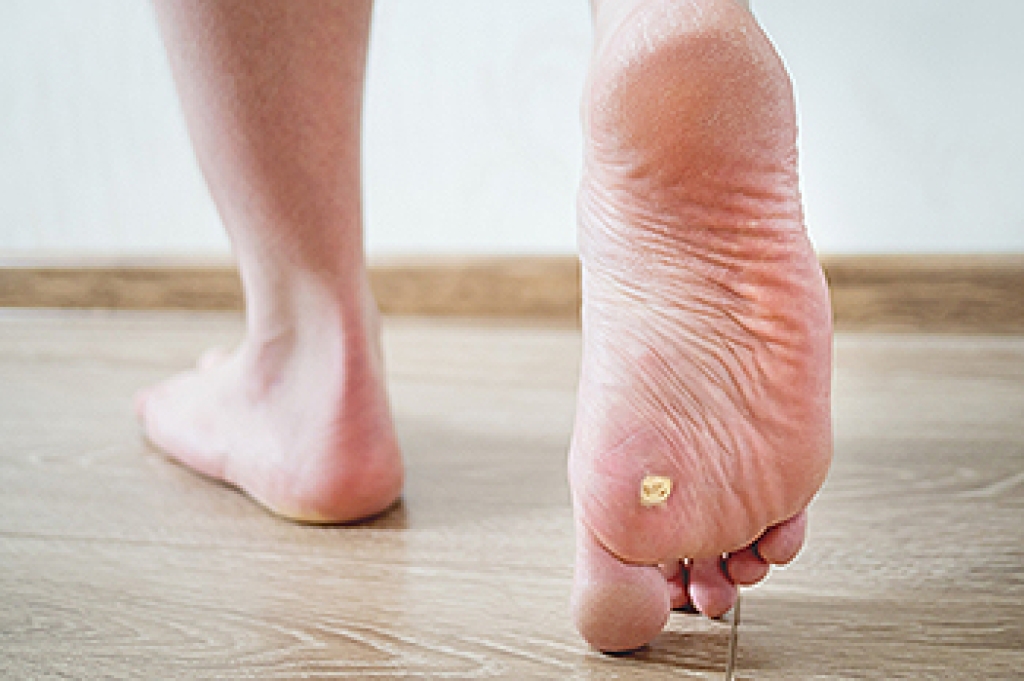
Plantar warts are the result of HPV, or human papillomavirus, getting into open wounds on the feet. They are mostly found on the heels or balls of the feet.

While plantar warts are generally harmless, those experiencing excessive pain or those suffering from diabetes or a compromised immune system require immediate medical care. Plantar warts are easily diagnosed, usually through scraping off a bit of rough skin or by getting a biopsy.

Symptoms

  • Lesions on the bottom of your feet, usually rough and grainy
  • Hard or thick callused spots
  • Wart seeds, which are small clotted blood vessels that look like little black spots
  • Pain, discomfort, or tenderness of your feet when walking or standing

Treatment

  • Freezing
  • Electric tool removal
  • Laser Treatment
  • Topical Creams (prescription only)
  • Over-the-counter medications

To help prevent developing plantar warts, avoid walking barefoot over abrasive surfaces that can cause cuts or wounds for HPV to get into. Avoiding direct contact with other warts, as well as not picking or rubbing existing warts, can help prevent the further spread of plantar warts. However, if you think you have developed plantar warts, speak to your podiatrist. He or she can diagnose the warts on your feet and recommend the appropriate treatment options.

If you have any questions, please feel free to contact our office located in Deerfield Beach, FL . We offer the newest diagnostic and treatment technologies for all your foot care needs.

Read more about All About Plantar Warts

How Podiatrists Can Help You

In our daily lives, there are habits that can harm our foot health, and podiatrists can provide advice to help us break them. Examples of that are provided here. Attempting DIY ingrown toenail removal with non-sterile tools can lead to infections. Believing our shoe size remains constant is a misconception. Periodic foot measurements and trying different brands can help find the best fit. Wearing flats as daily footwear may lack cushioning for shock absorption, causing heel pain or metatarsalgia. Walking barefoot on surfaces like hardwood floors can lead to issues. Worn-out shoes affect body alignment and should be replaced when they show wear. Protect your feet in locker rooms with flip-flops. Running without socks increases the risk of blisters and infections. Using running shoes for different sports can cause injury, and appropriate gear for specific sports should be invested in. Most importantly, if you have foot injuries, infections, or seek appropriate footwear recommendations tailored to your specific foot shape and function, it is suggested that you schedule an appointment with a podiatrist who can help with all foot and ankle-related issues.

If you are dealing with pain in your feet and ankles, you may want to seek help from a podiatrist. Feel free to contact one of our podiatrists from East Ocean Podiatry . Our doctors can provide the care you need to keep you pain-free and on your feet.

What Is a Podiatrist?

A podiatrist is a doctor of podiatric medicine who diagnoses and treats conditions of the foot, ankle, and related structures of the leg. Your podiatrist may specialize in a certain field such as sports medicine, wound care, pediatrics, and diabetic care. Podiatrists have the ability to become board certified through training, clinical experience, and then taking an exam.

What Do Podiatrists Do?

On a daily basis, a podiatrist may perform the following activities:

  • Diagnose foot ailments such as ulcers, tumors, fractures, etc.
  • Use innovative methods to treat conditions
  • Use corrective orthotics, casts, and strappings to correct deformities
  • Correct walking patterns and balance
  • Provide individual consultations to patients

It is very important that you take care of your feet. It’s easy to take having healthy feet for granted, however foot problems tend to be among the most common health conditions. Podiatrists can help diagnose and treat a variety of feet related conditions, so it is crucial that you visit one if you need assistance.

If you have any questions, please feel free to contact our office located in Deerfield Beach, FL . We offer the newest diagnostic and treatment technologies for all your foot care needs.

Read more about What is a Podiatrist?

Connect With Us