Achilles Tendon Injuries and What They Mean for Your Mobility

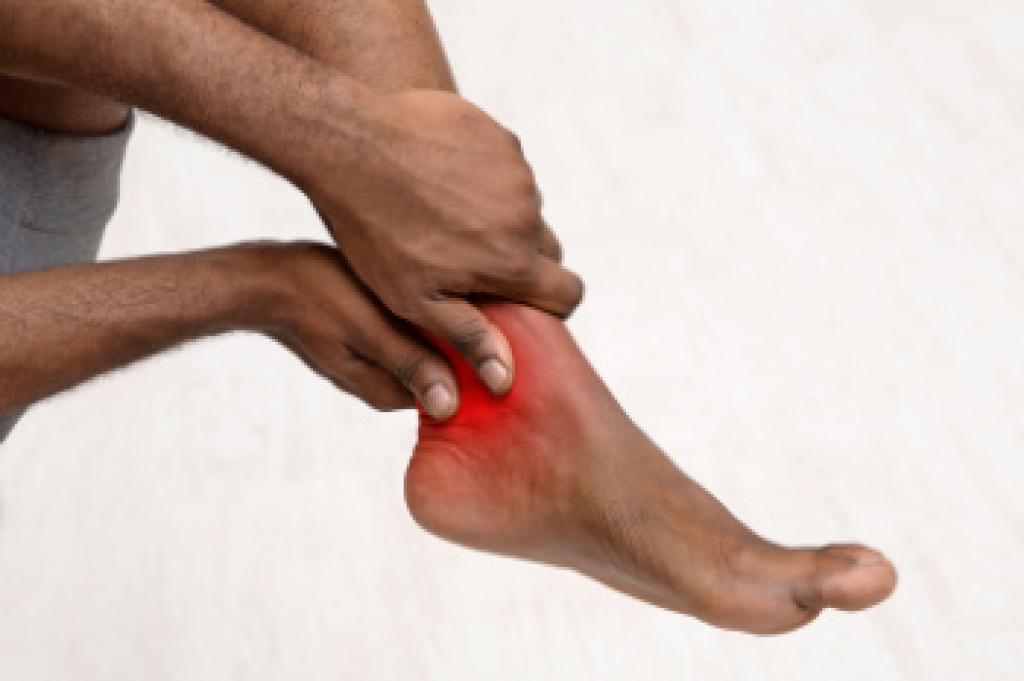
The Achilles tendon plays a crucial role in walking, running, and pushing off the ground, which makes injuries to this structure both painful and limiting. Problems can occur from overuse, tight calf muscles, sudden increases in activity, or wearing improper footwear. Common conditions include tendonitis, which causes inflammation and soreness, and tendinosis, which involves gradual weakening of the tendon fibers. More severe achilles tendon injuries, such as partial tears or complete ruptures, may happen during explosive movements or sports activities. Symptoms often include sharp or aching pain along the back of the heel, stiffness in the morning, swelling, or difficulty rising onto the toes. Early care focuses on reducing strain through rest, stretching, and wearing supportive footwear. More advanced injuries may require immobilization, targeted exercises, or surgical correction. If you notice ongoing pain or difficulty with everyday movement, it is suggested that you see a podiatrist who can provide a thorough evaluation and recommend appropriate treatment.

Achilles tendon injuries need immediate attention to avoid future complications. If you have any concerns, contact one of our podiatrists of East Ocean Podiatry . Our doctors can provide the care you need to keep you pain-free and on your feet.

What Is the Achilles Tendon?

The Achilles tendon is a tendon that connects the lower leg muscles and calf to the heel of the foot. It is the strongest tendon in the human body and is essential for making movement possible. Because this tendon is such an integral part of the body, any injuries to it can create immense difficulties and should immediately be presented to a doctor.

What Are the Symptoms of an Achilles Tendon Injury?

There are various types of injuries that can affect the Achilles tendon. The two most common injuries are Achilles tendinitis and ruptures of the tendon.

Achilles Tendinitis Symptoms

  • Inflammation
  • Dull to severe pain
  • Increased blood flow to the tendon
  • Thickening of the tendon

Rupture Symptoms

  • Extreme pain and swelling in the foot
  • Total immobility

Treatment and Prevention

Achilles tendon injuries are diagnosed by a thorough physical evaluation, which can include an MRI. Treatment involves rest, physical therapy, and in some cases, surgery. However, various preventative measures can be taken to avoid these injuries, such as:

  • Thorough stretching of the tendon before and after exercise
  • Strengthening exercises like calf raises, squats, leg curls, leg extensions, leg raises, lunges, and leg presses

If you have any questions please feel free to contact our office located in Deerfield Beach, FL . We offer the newest diagnostic tools and technology to treat your foot and ankle needs.


Read more about The Causes, Types, and Treatments of Achilles Tendon Injuries

Choosing the Right Running Shoes for Marathon Success

Selecting the right running shoes for a marathon is essential for comfort, performance, and injury prevention over long distances. Shoe qualities such as proper cushioning, adequate support, breathability, and durability help protect the feet from repeated impact and fatigue. These features matter because marathon running places continuous stress on the feet, ankles, and legs, increasing the risk of overuse injuries when shoes do not match individual needs. Running style and gait play an important role, as foot strike patterns and motion affect how forces travel through the body. Finding the right fit ensures the toes have room to move, the midfoot feels supported, and the heel remains secure without rubbing. A podiatrist can help by evaluating gait, foot structure, and training demands to recommend appropriate footwear or custom orthotics. If you are preparing for a marathon or have foot pain from training, it is suggested that you consult a podiatrist who can treat various foot conditions, and guide you on the appropriate shoes to wear, helping you to perform your best on race day.

You should always make sure your running shoes fit properly in order to avoid injury. For more information, contact one of our podiatrists from East Ocean Podiatry . Our doctors can provide the care you need to keep you pain-free and on your feet.

Choosing the Right Running Shoe for Your Foot Type

Improper shoe sizing can cause a myriad of problems for your feet. Shoes that don’t fit you properly can lead to muscular imbalances in your body, which can result in foot, knee, and hip injuries.

Tips for Finding the Right Running Shoe

  • Make sure you have a thumb’s width of wiggle room between the end of your longest toe and the front of the shoe.
  • There should be little to no slipping at the heel
  • Don’t assume your size in one shoe brand will be your size in another
  • Do not lace up your shoes too tightly
  • Walk around in the store with your new shoes before you buy them

If you have any questions, please feel free to contact our office located in Deerfield Beach, FL . We offer the newest diagnostic and treatment technologies for all your foot care needs.

Read more about Differences between Walking and Running Shoes

Plantar Warts Can Be Treated!

Plantar warts are small growths that develop on parts of the feet that bear weight. They're typically found on the bottom of the foot. Don't live with plantar warts, and call us today!

The Importance of Comfortable Shoes for the Medical Profession

Comfortable shoes are essential for doctors who spend long hours standing, walking, and caring for patients. The right footwear helps reduce fatigue and protects the feet from stress caused by constant movement. Quality materials and strong construction provide durability, while proper arch support and cushioning help maintain alignment and absorb impact throughout the day. Slip resistant soles add safety in fast paced clinical environments, and stable designs help prevent strain in the ankles, knees, and lower back. A podiatrist can assess your foot structure and recommend the best shoe features to keep you comfortable and protected during demanding shifts. If foot pain or fatigue is affecting your work, it is suggested that you promptly consult a podiatrist who can treat various foot conditions, and guide you on the correct shoes to wear.

While working on the feet, it is important to take the proper care of them. For more information about working on your feet, contact one of our podiatrists from East Ocean Podiatry . Our doctors will treat your foot and ankle needs.

Working on Your Feet

Standing on your feet for long periods of time can cause stress and pain in your feet. Your whole body may experience change in terms of posture, back pain, bunions, callouses and or plantar warts. There are ways to avoid these conditions with proper foot care, smart choices and correct posture.

Positive Changes

Negative heeled shoe – Choosing this shoe type places the heel slightly lower than the ball of the foot. These are great for overall foot health. Find shoes that fit you correctly.

Go barefoot – Our feet were not designed to be enclosed for all hours of the day. Try to periodically expose your feet to air.

Eliminate Pain

Foot Exercises – Performing simple exercises, incorporating yoga and doing stretches are beneficial. This will allow increased blood flow to the area and muscles of the foot.

Achilles tendon – Stretching the foot out flat on the floor will relax the calf muscles and tendon. These exercises can be performed almost anywhere. Make sure you add these exercises to your daily regimen. 

With a little bit of this information and knowing more about foot health, you will notice changes. Foot stretches and proper footwear will help with pain and prevent further issues.

If you have any questions please contact our office located in Deerfield Beach, FL . We offer the newest diagnostic and treatment technologies for all your foot and ankle needs.

Read more about How to Handle a Long Work Day on Your Feet

Understanding Flat Feet and Arch Types

Flat feet occur when the arches of the feet do not rise off the ground, causing the entire foot to make contact with the surface. You can often find out if you have flat feet by looking at your footprint after stepping on a wet surface or by checking whether your ankles roll inward when standing. Flat feet differ from normal arches, which provide natural support and shock absorption, and from high arches, which place extra pressure on the heel and ball of the foot. A podiatrist can evaluate your arch type, identify any related pain or alignment problems, and recommend treatments such as supportive footwear or custom orthotics. If you have problems related to flat feet, it is suggested that you consult a podiatrist who can confirm this condition, and offer effective management tips.

Flatfoot is a condition many people suffer from. If you have flat feet, contact one of our podiatrists from East Ocean Podiatry . Our doctors will treat your foot and ankle needs.

What Are Flat Feet?

Flatfoot is a condition in which the arch of the foot is depressed and the sole of the foot is almost completely in contact with the ground. About 20-30% of the population generally has flat feet because their arches never formed during growth.

Conditions & Problems:

Having flat feet makes it difficult to run or walk because of the stress placed on the ankles.

Alignment – The general alignment of your legs can be disrupted, because the ankles move inward which can cause major discomfort.

Knees – If you have complications with your knees, flat feet can be a contributor to arthritis in that area.  

Symptoms

  • Pain around the heel or arch area
  • Trouble standing on the tip toe
  • Swelling around the inside of the ankle
  • Flat look to one or both feet
  • Having your shoes feel uneven when worn

Treatment

If you are experiencing pain and stress on the foot you may weaken the posterior tibial tendon, which runs around the inside of the ankle. 

If you have any questions, please feel free to contact our office located in Deerfield Beach, FL . We offer the newest diagnostic and treatment technologies for all your foot care needs.

Read more about Flatfoot

Healing Cracked Heels and Fissures for Healthy Feet

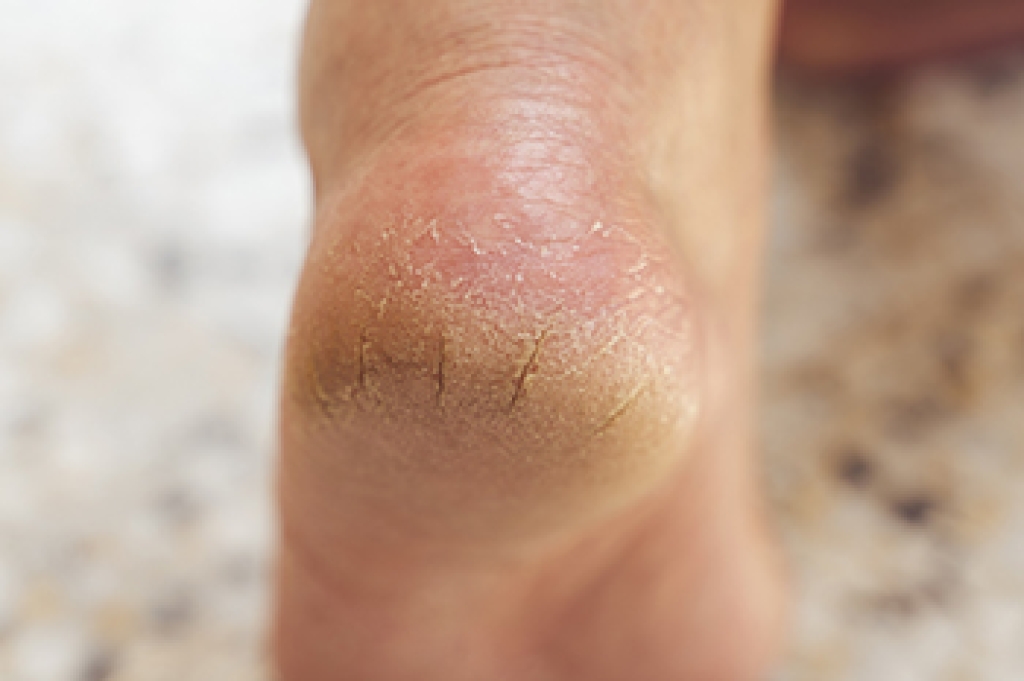
Cracked heels, also known as heel fissures, occur when the skin on the heels becomes dry, thickened, and splits, often caused by obesity, excessive pressure, or underlying conditions like eczema. The heels may look rough, dry, and sometimes develop deep cracks, or fissures. In severe cases, bleeding or infection can set in. Many individuals experience pain, burning, or itching, especially when walking or standing for extended periods. In some cases, heel fissures can worsen during dry seasons or with frequent exposure to open footwear, increasing the risk of discomfort and infection. A podiatrist can assess the severity of the heel fissures, examine the skin condition, and recommend treatments. Included are professional debridement, moisturizing therapies, protective dressings, and guidance on footwear or pressure relief techniques. Early intervention promotes healing, reduces pain, and prevents complications. If you notice persistent dryness, cracking, or discomfort in your heels, it is suggested that you make an appointment with a podiatrist.

If the skin on your feet starts to crack, you may want to see a podiatrist to find treatment. If you have any concerns, contact one of our podiatrists from East Ocean Podiatry . Our doctors can provide the care you need to keep you pain-free and on your feet.

Cracked Heels

It is important to moisturize your cracked heels in order to prevent pain, bleeding, and infection. The reason cracked heels form is because the skin on the foot is too dry to support the immense pressure placed on them. When the foot expands, the dry skin on the foot begins to split.

Ways to Help Heal Them

  • Invest in a good foot cream
  • Try Using Petroleum Jelly
  • Ease up on Soaps
  • Drink Plenty of Water

Ways to Prevent Cracked Heels

  • Moisturize After Showering
  • Skip a Shower
  • Keep Shower Water Lukewarm
  • Don’t Scrub Your Feet

If you are unsure how to proceed in treating cracked heels, seek guidance from a podiatrist. Your doctor will help you with any questions or information you may need. 

If you have any questions, please feel free to contact our office located in Deerfield Beach, FL . We offer the newest diagnostic and treatment technologies for all your foot care needs.

Read more about Solutions for Cracked Heels

Foot and Ankle Joints Affected by Rheumatoid Arthritis

Rheumatoid arthritis can cause painful inflammation in the joints of the feet and ankles, making daily movement difficult. Rheumatoid arthritis, or RA, occurs when the immune system attacks the lining of the joints. It leads to stiffness, swelling, and warmth in areas, such as the toes, midfoot, or ankle. The joints most often affected include the metatarsophalangeal, or MTP, joints at the base of the toes, the subtalar joint beneath the heel, and the ankle joint where the foot meets the leg. Over time, joint damage can cause deformities. Hammertoes, bunions, nodules, and painful calluses can develop from uneven pressure. Circulation problems may also occur, sometimes causing ulcers or skin changes. A podiatrist can evaluate joint involvement through imaging, prescribe orthotics to redistribute pressure, and recommend surgery when necessary. If you have foot or ankle pain from rheumatoid arthritis, it is suggested that you make an appointment with a podiatrist for a diagnosis and treatment.

Because RA affects more than just your joints, including the joints in your feet and ankles, it is important to seek early diagnosis from your podiatrist if you feel like the pain in your feet might be caused by RA. For more information, contact one of our podiatrists of East Ocean Podiatry . Our doctors will assist you with all of your podiatric concerns.

What Is Rheumatoid Arthritis?

Rheumatoid Arthritis (RA) is an autoimmune disorder in which the body’s own immune system attacks the membranes surrounding the joints. Inflammation of the lining and eventually the destruction of the joint’s cartilage and bone occur, causing severe pain and immobility.

Rheumatoid Arthritis of the Feet

Although RA usually attacks multiple bones and joints throughout the entire body, almost 90 percent of cases result in pain in the foot or ankle area.

Symptoms

  • Swelling and pain in the feet
  • Stiffness in the feet
  • Pain on the ball or sole of feet
  • Joint shift and deformation

Diagnosis

Quick diagnosis of RA in the feet is important so that the podiatrist can treat the area effectively. Your doctor will ask you about your medical history, occupation, and lifestyle to determine the origin of the condition. Rheumatoid Factor tests help to determine if someone is affected by the disease.

If you have any questions, please feel free to contact our office located in Deerfield Beach, FL . We offer the newest diagnostic and treatment technologies for all your foot care needs.

Read more about Rheumatoid Arthritis in the Feet

Do You Suffer From Painful Feet?

Painful deformities, such as hammertoes, can be treated. Stop living with foot pain, and have beautiful feet again!

Causes of Foot Cramps

Foot cramps are sudden, involuntary contractions of the muscles in the foot that can cause sharp pain and discomfort. They often occur due to wearing tight or poorly fitting shoes, dehydration, overexertion during physical activity, or low levels of essential minerals such as potassium, calcium, or magnesium. Symptoms include a sudden tightening or knotting of the foot muscles, stiffness, and difficulty moving the affected area. Frequent cramps may indicate underlying issues with circulation, nerve function, or muscle balance. A podiatrist can evaluate the cause of foot cramps, recommend stretching and strengthening exercises, suggest proper footwear, and provide guidance on nutrition and hydration to reduce occurrences. If you have developed foot cramps, it is suggested that you schedule an appointment with a podiatrist to relieve pain and maintain healthy, comfortable feet.

Foot Pain

Foot pain can be extremely painful and debilitating. If you have a foot pain, consult with one of our podiatrists from East Ocean Podiatry . Our doctors will assess your condition and provide you with quality foot and ankle treatment.

Causes

Foot pain is a very broad condition that could be caused by one or more ailments. The most common include:

  • Bunions
  • Hammertoes
  • Plantar Fasciitis
  • Bone Spurs
  • Corns
  • Tarsal Tunnel Syndrome
  • Ingrown Toenails
  • Arthritis (such as Gout, Rheumatoid, and Osteoarthritis)
  • Flat Feet
  • Injury (from stress fractures, broken toe, foot, ankle, Achilles tendon ruptures, and sprains)
  • And more

Diagnosis

To figure out the cause of foot pain, podiatrists utilize several different methods. This can range from simple visual inspections and sensation tests to X-rays and MRI scans. Prior medical history, family medical history, and any recent physical traumatic events will all be taken into consideration for a proper diagnosis.

Treatment

Treatment depends upon the cause of the foot pain. Whether it is resting, staying off the foot, or having surgery; podiatrists have a number of treatment options available for foot pain.

If you have any questions, please feel free to contact our office located in Deerfield Beach, FL . We offer the newest diagnostic and treatment technologies for all your foot care needs.

Read more about Foot Pain

Yoga Poses to Prevent Aching Feet and Improve Foot Health

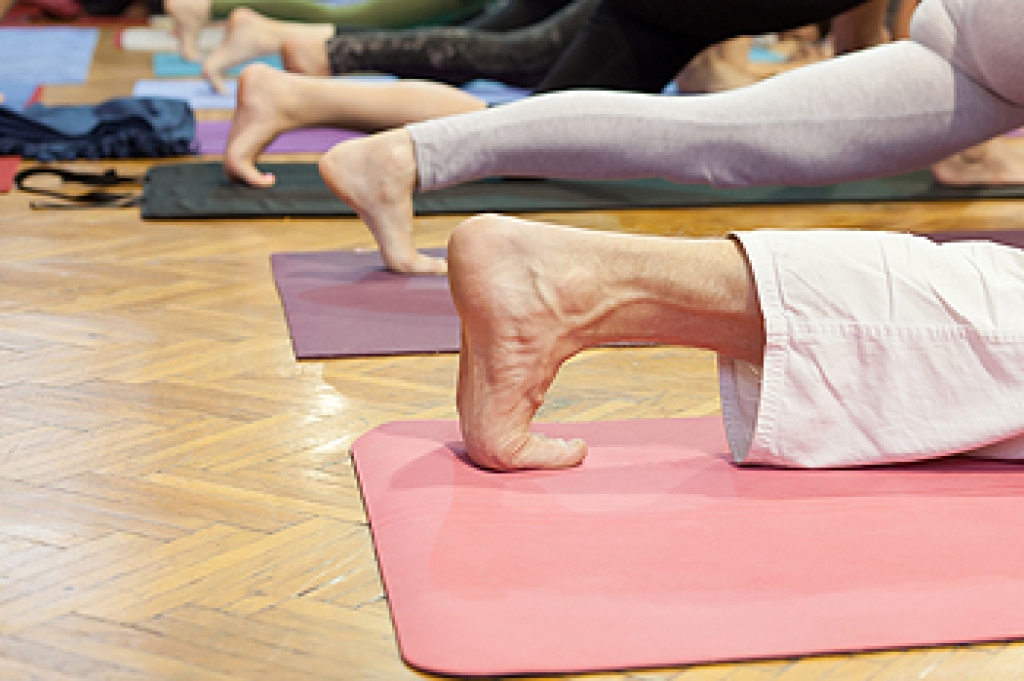
Practicing yoga can help prevent aching feet by stretching, strengthening, and improving circulation in the lower extremities. Hero’s pose stretches the arches and ankles, relieving tension from prolonged standing or walking. Finger threading involves interlacing toes to increase flexibility and mobility in the toes and forefoot. Downward dog elongates the calves and plantar fascia, reducing strain on the heels and arches. The squat position strengthens the muscles supporting the arches and improves balance. Additionally, toe balance exercises focus on lifting and spreading toes to enhance stability and prevent cramping. A podiatrist can provide guidance on proper technique, recommend additional stretches, and assess foot structure to prevent pain. If you have foot pain, it is suggested that you consult a podiatrist who can guide you on relief tips, which may include additional yoga poses. 

Stretching the feet is a great way to prevent injuries. If you have any concerns with your feet consult with one of our podiatrists from East Ocean Podiatry . Our doctors will assess your condition and provide you with quality foot and ankle treatment.

Stretching the Feet

Being the backbone of the body, the feet carry your entire weight and can easily become overexerted, causing cramps and pain. As with any body part, stretching your feet can serve many benefits. From increasing flexibility to even providing some pain relief, be sure to give your feet a stretch from time to time. This is especially important for athletes or anyone performing aerobic exercises, but anyone experiencing foot pain or is on their feet constantly should also engage in this practice.

Great ways to stretch your feet:

  • Crossing one leg over the others and carefully pull your toes back. Do 10-20 repetitions and repeat the process for each foot
  • Face a wall with your arms out and hands flat against the wall. Step back with one foot and keep it flat on the floor while moving the other leg forward. Lean towards the wall until you feel a stretch. Hold for 30 seconds and perform 10 repetitions for each foot
  • Be sure not to overextend or push your limbs too hard or you could risk pulling or straining your muscle

Individuals who tend to their feet by regular stretching every day should be able to minimize foot pain and prevent new problems from arising.

If you have any questions please contact our office located in Deerfield Beach, FL . We offer the newest diagnostic and treatment technologies for all your foot and ankle needs.

Read more about Stretching Your Feet

Connect With Us