Peripheral Artery Disease and Blood Vessel Health

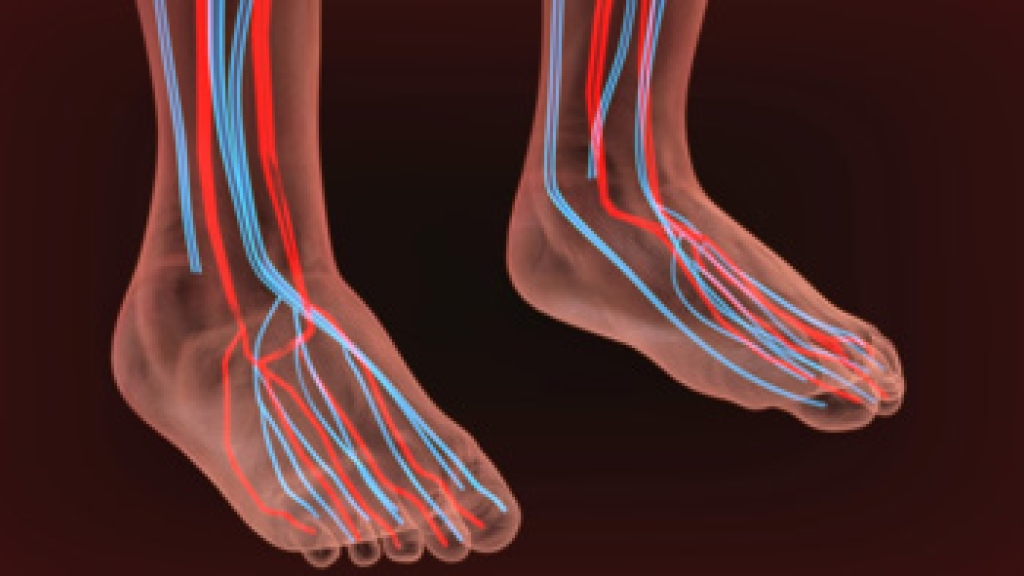
Peripheral artery disease, often called PAD, affects how blood flows to the legs and feet. It is commonly thought of as a problem in the larger arteries, where plaque buildup can limit circulation. However, smaller vessels can also be involved, further reducing blood flow at the tissue level. This combination can make it harder for the body to deliver oxygen and nutrients needed for healing and daily function. People with PAD may notice leg fatigue, cramping with walking, slower healing of cuts, or changes in skin color and temperature. Because both large and small vessels can be affected, symptoms may vary and sometimes appear gradually. Early recognition is important to help manage circulation and reduce the risk of more serious complications. Treatment may include lifestyle changes, medical care, and monitoring of foot health. If you notice signs of poor circulation, it is suggested that you see a podiatrist for a proper diagnosis and appropriate treatment.

Peripheral artery disease can pose a serious risk to your health. It can increase the risk of stroke and heart attack. If you have symptoms of peripheral artery disease, consult with one of our podiatrists from East Ocean Podiatry . Our doctors will assess your condition and provide you with quality foot and ankle treatment.

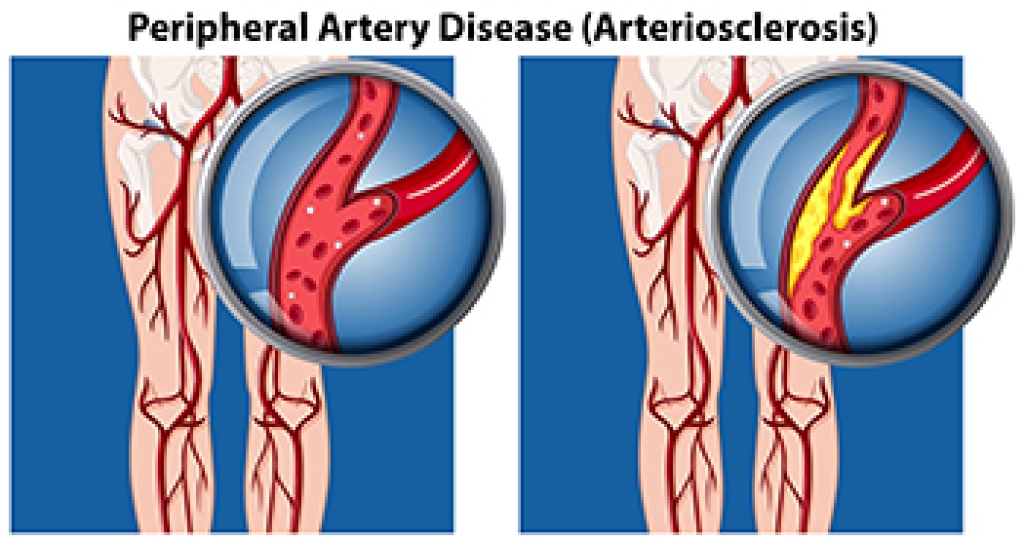
Peripheral artery disease (PAD) is when arteries are constricted due to plaque (fatty deposits) build-up. This results in less blood flow to the legs and other extremities. The main cause of PAD is atherosclerosis, in which plaque builds up in the arteries.

Symptoms

Symptoms of PAD include:

  • Claudication (leg pain from walking)
  • Numbness in legs
  • Decrease in growth of leg hair and toenails
  • Paleness of the skin
  • Erectile dysfunction
  • Sores and wounds on legs and feet that won’t heal
  • Coldness in one leg

It is important to note that a majority of individuals never show any symptoms of PAD.

Diagnosis

While PAD occurs in the legs and arteries, Podiatrists can diagnose PAD. Podiatrists utilize a test called an ankle-brachial index (ABI). An ABI test compares blood pressure in your arm to you ankle to see if any abnormality occurs. Ultrasound and imaging devices may also be used.

Treatment

Fortunately, lifestyle changes such as maintaining a healthy diet, exercising, managing cholesterol and blood sugar levels, and quitting smoking, can all treat PAD. Medications that prevent clots from occurring can be prescribed. Finally, in some cases, surgery may be recommended.

If you have any questions, please feel free to contact our office located in Deerfield Beach, FL . We offer the newest diagnostic and treatment technologies for all your foot care needs.
Read more about Peripheral Artery Disease

Causes of Falls in Older Adults

Falls, a common concern for older adults, can lead to serious injuries like broken bones, long-term pain, or reduced independence. Many factors increase the risk of falling. Aging may affect vision, hearing, and reflexes, making it harder to react quickly. Muscle loss can weaken the legs and reduce stability while walking. Balance and gait problems, which describe how smoothly and safely a person moves, may also contribute to a fall. Some health conditions that affect nerves, blood flow, or heart function can cause dizziness or unsteadiness. A sudden drop in blood pressure when standing may lead to lightheadedness and subsequent falls. Foot pain, deformities, or wearing poorly fitted or backless shoes can further affect balance. A podiatrist can assess foot structure, walking patterns, and sensation, and may recommend supportive footwear, custom inserts, or treatments to improve stability and mobility. If you are at risk of falling, it is suggested that you make an appointment with a podiatrist for an exam, diagnosis, and treatment.

Preventing falls among the elderly is very important. If you are older and have fallen or fear that you are prone to falling, consult with one of our podiatrists from East Ocean Podiatry . Our doctors will assess your condition and provide you with quality advice and care.

Every 11 seconds, an elderly American is being treated in an emergency room for a fall related injury. Falls are the leading cause of head and hip injuries for those 65 and older. Due to decreases in strength, balance, senses, and lack of awareness, elderly persons are very susceptible to falling. Thankfully, there are a number of things older persons can do to prevent falls.

How to Prevent Falls

Some effective methods that older persons can do to prevent falls include:

  • Enrolling in strength and balance exercise program to increase balance and strength
  • Periodically having your sight and hearing checked
  • Discuss any medications you have with a doctor to see if it increases the risk of falling
  • Clearing the house of falling hazards and installing devices like grab bars and railings
  • Utilizing a walker or cane
  • Wearing shoes that provide good support and cushioning
  • Talking to family members about falling and increasing awareness

Falling can be a traumatic and embarrassing experience for elderly persons; this can make them less willing to leave the house, and less willing to talk to someone about their fears of falling. Doing such things, however, will increase the likelihood of tripping or losing one’s balance. Knowing the causes of falling and how to prevent them is the best way to mitigate the risk of serious injury.  

If you have any questions, please feel free to contact our office located in Deerfield Beach, FL . We offer the newest diagnostic and treatment technologies for all your foot care needs.
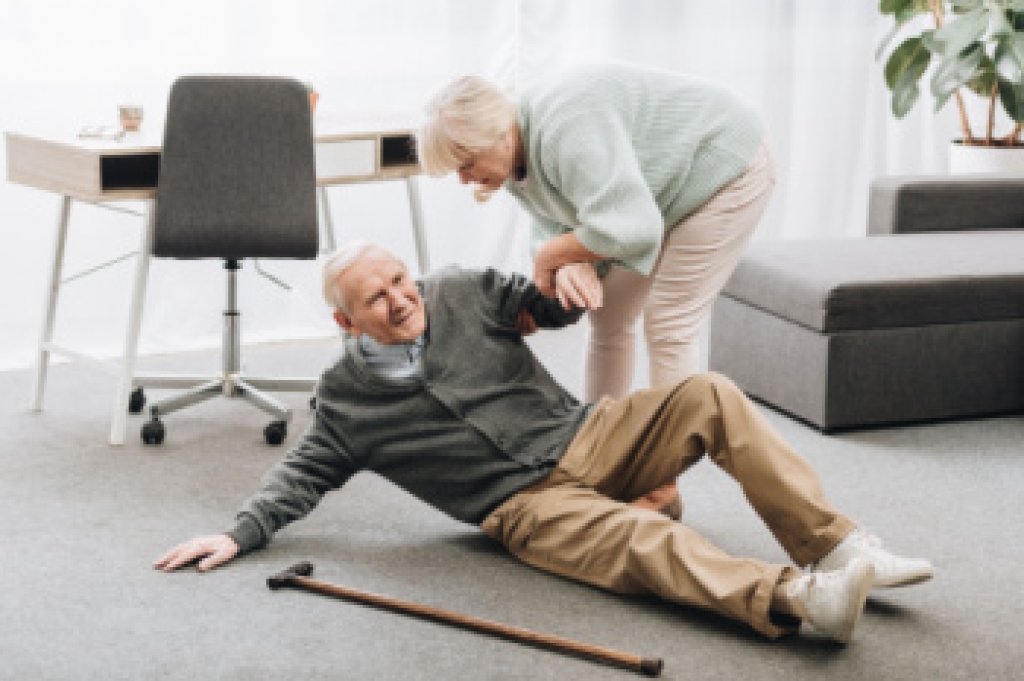
Read more about Falls Prevention

Are Bunions Affecting Your Everyday Life?

Have you noticed a bony protrusion on the side of your big toe? If so, you may have developed the foot condition known as a bunion. Don't let bunions interfere with your daily activities.

Connect With Us