What Causes Pain in the Ball of the Foot?

Pain in the ball of the foot develops when the area behind the toes bears too much pressure. Symptoms include burning, aching, or sharp pain. Tingling or numbness in the toes may also occur. The feeling that a small stone is trapped beneath the foot is common. Discomfort can build gradually and make standing, walking, or exercising difficult. Although the pain occurs in one area, several problems can cause it. A proper diagnosis is important because treatment should address the source of the pressure rather than the discomfort alone.

Possible causes include high-impact sports, excess body weight, and wearing shoes with a narrow toe box. High heels can shift body weight forward and place added stress on the forefoot. Arthritis, diabetes, or changes in foot shape can also contribute to pain. A bunion or hammertoe can alter how weight moves across the foot. Calluses, an irritated nerve, or a stress fracture may produce similar symptoms. Sudden severe pain, swelling, or an inability to bear weight requires prompt medical attention. Patients should also seek care when pain begins without an obvious injury or continues to limit normal activities.

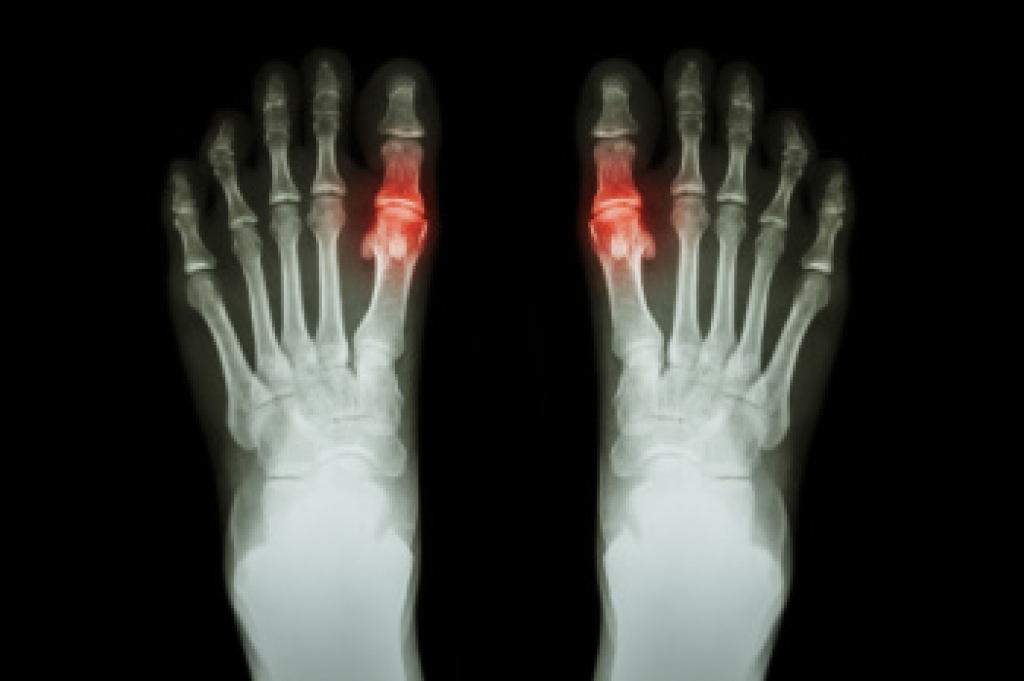
A podiatrist can examine the foot, study how the patient walks, and locate areas of increased pressure. X-rays or other imaging can help identify bone injuries, joint changes, or soft-tissue problems. Based on the findings, treatment options include custom orthotics to improve weight distribution. A podiatrist can also recommend shoes with proper cushioning, support, and enough room for the toes. Padding or off-loading devices can reduce pressure on the painful area. In some cases, an injection can reduce inflammation and provide relief. Regular follow-up visits allow the podiatrist to check progress and adjust the treatment plan, as needed. If you have pain in the ball of the foot, it is suggested that you schedule an appointment with a podiatrist for a diagnosis and appropriate treatment.

Foot Pain

Foot pain can be extremely painful and debilitating. If you have a foot pain, consult with one of our podiatrists from East Ocean Podiatry . Our doctors will assess your condition and provide you with quality foot and ankle treatment.

Causes

Foot pain is a very broad condition that could be caused by one or more ailments. The most common include:

  • Bunions
  • Hammertoes
  • Plantar Fasciitis
  • Bone Spurs
  • Corns
  • Tarsal Tunnel Syndrome
  • Ingrown Toenails
  • Arthritis (such as Gout, Rheumatoid, and Osteoarthritis)
  • Flat Feet
  • Injury (from stress fractures, broken toe, foot, ankle, Achilles tendon ruptures, and sprains)
  • And more

Diagnosis

To figure out the cause of foot pain, podiatrists utilize several different methods. This can range from simple visual inspections and sensation tests to X-rays and MRI scans. Prior medical history, family medical history, and any recent physical traumatic events will all be taken into consideration for a proper diagnosis.

Treatment

Treatment depends upon the cause of the foot pain. Whether it is resting, staying off the foot, or having surgery; podiatrists have a number of treatment options available for foot pain.

If you have any questions, please feel free to contact our office located in Deerfield Beach, FL . We offer the newest diagnostic and treatment technologies for all your foot care needs.

Read more about Foot Pain

Heel Pain Can Be Treated!

Do you suffer from heel pain when you get up in the morning? If so, you should seek professional help and have a proper diagnosis performed. Heel pain can be caused by several different foot-related conditions.

Ingrown Toenails and Why Podiatric Care Matters

An ingrown toenail develops when the edge of a toenail grows into the surrounding skin, most often along the big toe. This condition can lead to irritation, inflammation, and infection if not managed properly. Ingrown toenails are a common foot problem that can affect people of all ages. Understanding the definition and causes of ingrown toenails is essential for preventing complications and maintaining proper foot health.

Symptoms usually begin with tenderness and redness along the side of the nail. As the condition progresses, swelling and increased pain may occur, especially when pressure is applied. In more advanced cases, the area may become warm and produce drainage, which can signal infection. Walking or wearing shoes may become uncomfortable due to the sensitivity. These symptoms should not be ignored, as untreated ingrown toenails can worsen over time.


Several risk factors contribute to the development of ingrown toenails. Improper nail trimming, such as cutting nails too short or rounding the edges, is a leading cause. Tight fitting shoes and socks can place pressure on the toes, increasing the likelihood of the nail growing into the skin. Injury to the toe, poor foot hygiene, and genetic nail shape also play a role. The primary cause is the combination of pressure and improper nail growth direction, which leads the nail to penetrate the skin.


It is important not to treat ingrown toenails at home, as improper care can increase the risk of infection or worsen the condition. A podiatrist can safely trim and manage the nail while addressing any infection or inflammation. Wearing properly fitted shoes and practicing correct nail care can help prevent recurrence. If you have an ingrown toenail, it is suggested that you consult a podiatrist for effective relief and treatment solutions.

Ingrown toenails may initially present themselves as a minor discomfort, but they may progress into an infection in the skin without proper treatment. For more information about ingrown toenails, contact one of our podiatrists of East Ocean Podiatry . Our doctors can provide the care you need to keep you pain-free and on your feet.

Ingrown Toenails

Ingrown toenails are caused when the corner or side of a toenail grows into the soft flesh surrounding it. They often result in redness, swelling, pain, and in some cases, infection. This condition typically affects the big toe and may recur if it is not treated properly.

Causes

  • Improper toenail trimming
  • Genetics
  • Improper shoe fitting
  • Injury from pedicures or nail picking
  • Abnormal gait
  • Poor hygiene

You are more likely to develop an ingrown toenail if you are obese, have diabetes, arthritis, or have any fungal infection in your nails. Additionally, people who have foot or toe deformities are at a higher risk of developing an ingrown toenail.

Symptoms

Some symptoms of ingrown toenails are redness, swelling, and pain. In rare cases, there may be a yellowish drainage coming from the nail.

Treatment

Ignoring an ingrown toenail can have serious complications. Infections of the nail border can progress to a deeper soft-tissue infection, which can then turn into a bone infection. You should always speak with your podiatrist if you suspect you have an ingrown toenail, especially if you have diabetes or poor circulation.

If you have any questions, please feel free to contact our office located in Deerfield Beach, FL . We offer the newest diagnostic and treatment technologies for all your foot care needs.

Read more about Ingrown Toenails

Connect With Us

Advanced Podiatric Procedures & Services in the Broward County, FL: Deerfield Beach (Lighthouse Point, Pompano Beach, Hillsboro Pines, Coconut Creek, Parkland, Sea Ranch Lakes, Lauderdale-By-The-Sea, Hillsboro Beach) and Palm Beach County, FL: Boca Raton, Highland Beach, Sandalfoot Cove, Boca Del Mar, Mission Bay areas