Understanding Inflammatory Heel Pain From Ankylosing Spondylitis

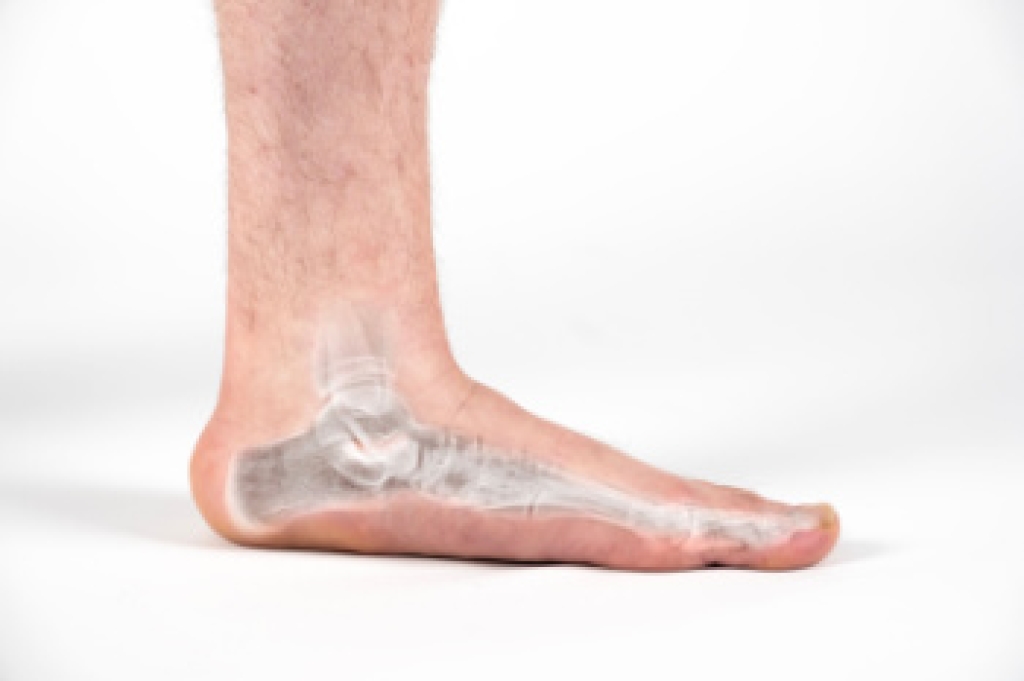
Heel pain is not always caused by overuse or injury. In some cases, it may be a sign of ankylosing spondylitis, a chronic inflammatory disease classified as a type of arthritis. This condition leads to enthesitis, which is inflammation at the points where tendons and ligaments attach to bone. In the foot, the most commonly affected areas include the Achilles tendon and the plantar fascia, both of which play a major role in movement and support.

Symptoms of inflammatory heel pain often differ from typical strain-related discomfort. Patients may notice persistent pain that is worse after rest and improves slightly with activity. The back of the heel may feel sore due to Achilles tendon involvement, while the underside of the heel may be tender from plantar fascia inflammation. Swelling and stiffness can make walking uncomfortable, especially during the early part of the day or after long periods of inactivity.


The causes of this condition are linked to immune system activity rather than physical stress alone. Ankylosing spondylitis triggers inflammation at tendon and ligament attachment sites, leading to pain and irritation. While the exact cause is not fully understood, genetic factors and immune responses play a significant role. Because the heel absorbs repeated pressure throughout the day, it is often one of the first areas where symptoms appear.


Risk factors include a family history of inflammatory arthritis, early adulthood onset, and ongoing joint stiffness. Identifying symptoms early allows for better management and improved outcomes. Supportive care and medical evaluation are key components of treatment. If you have heel pain or symptoms of ankylosing spondylitis, it is suggested that you consult a podiatrist for an accurate diagnosis and effective relief and treatment solutions.

Many people suffer from bouts of heel pain. For more information, contact one of our podiatrists of East Ocean Podiatry . Our doctors can provide the care you need to keep you pain-free and on your feet.

Causes of Heel Pain

Heel pain is often associated with plantar fasciitis. The plantar fascia is a band of tissues that extends along the bottom of the foot. A rip or tear in this ligament can cause inflammation of the tissue.

Achilles tendonitis is another cause of heel pain. Inflammation of the Achilles tendon will cause pain from fractures and muscle tearing. Lack of flexibility is also another symptom.

Heel spurs are another cause of pain. When the tissues of the plantar fascia undergo a great deal of stress, it can lead to ligament separation from the heel bone, causing heel spurs.

Why Might Heel Pain Occur?

  • Wearing ill-fitting shoes                
  • Wearing non-supportive shoes
  • Weight change           
  • Excessive running

Treatments

Heel pain should be treated as soon as possible for immediate results. Keeping your feet in a stress-free environment will help. If you suffer from Achilles tendonitis or plantar fasciitis, applying ice will reduce the swelling. Stretching before an exercise like running will help the muscles. Using all these tips will help make heel pain a condition of the past.

If you have any questions, please feel free to contact our office located in Deerfield Beach, FL . We offer the newest diagnostic and treatment technologies for all your foot care needs.

Read more about Heel Pain

Common Types of Foot Arthritis and Their Impact on Mobility

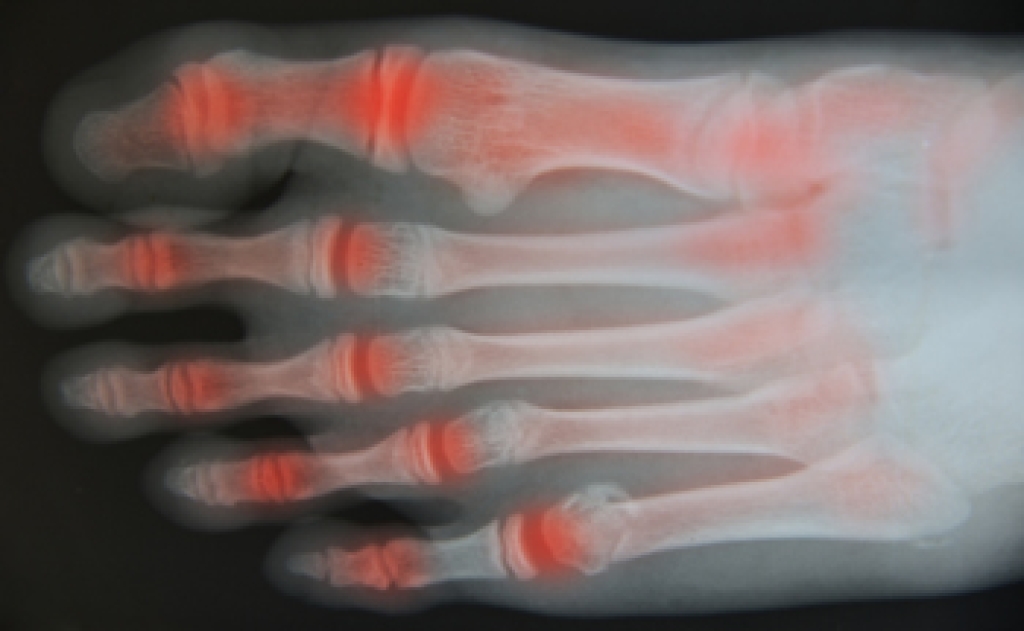
Foot arthritis includes several conditions that affect the joints, causing pain, stiffness, and limited movement. Among these, psoriatic arthritis is a significant inflammatory type that can lead to debilitating foot pain. It differs from other forms of arthritis because it involves both joint inflammation and changes in the surrounding soft tissue. This condition can affect multiple joints in the foot, making walking and standing difficult over time.

Symptoms often include persistent joint pain, swelling, and a feeling of warmth in the affected areas. Dactylitis is a key sign, where toes appear swollen and enlarged, resembling a sausage-like shape. Patients may also notice stiffness after periods of inactivity, as well as tenderness along tendons and ligaments. These symptoms can gradually worsen, leading to decreased mobility and challenges with everyday activities.


The causes of psoriatic arthritis are linked to immune system dysfunction, where the body mistakenly attacks healthy joint tissue. Risk factors include having psoriasis, a family history of autoimmune conditions, and certain environmental influences. Stress, infections, and physical trauma may also contribute to the onset or worsening of symptoms. Understanding these risk factors can help with early identification and management.


Treatment focuses on reducing inflammation, preserving joint function, and improving quality of life. Wearing supportive shoes, custom orthotics, and targeted therapies can help relieve pressure on affected joints. Early intervention is essential to prevent long term damage. Consistent care with a podiatrist allows for monitoring and adjustment of treatment plans. If you have foot arthritis, it is suggested that you consult a podiatrist for effective relief and management solutions.

Arthritis can be a difficult condition to live with. If you are seeking treatment, contact one of our podiatrists from East Ocean Podiatry . Our doctors can provide the care you need to keep you pain-free and on your feet.

Arthritic Foot Care  

Arthritis is a term that is commonly used to describe joint pain.  The condition itself can occur to anyone of any age, race, or gender, and there are over 100 types of it.  Nevertheless, arthritis is more commonly found in women compared to men, and it is also more prevalent in those who are overweight. The causes of arthritis vary depending on which type of arthritis you have. Osteoarthritis for example, is often caused by injury, while rheumatoid arthritis is caused by a misdirected immune system.

Symptoms

  • Swelling
  • Pain
  • Stiffness
  • Decreased Range of Motion

Arthritic symptoms range in severity, and they may come and go. Some symptoms stay the same for several years but could potentially get worse with time. Severe cases of arthritis can prevent its sufferers from performing daily activities and make walking difficult.

Risk Factors

  • Occupation – Occupations requiring repetitive knee movements have been linked to osteoarthritis
  • Obesity – Excess weight can contribute to osteoarthritis development
  • Infection – Microbial agents can infect the joints and trigger arthritis
  • Joint Injuries – Damage to joints may lead to osteoarthritis
  • Age – Risk increases with age
  • Gender –Most types are more common in women
  • Genetics – Arthritis can be hereditary

If you suspect your arthritis is affecting your feet, it is crucial that you see a podiatrist immediately. Your doctor will be able to address your specific case and help you decide which treatment method is best for you.

If you have any questions please feel free to contact our office located in Deerfield Beach, FL . We offer the newest diagnostic tools and technology to treat your foot and ankle needs.

Read more about How to Care for Your Arthritic Foot

It's Time for Beautiful Feet

You don't need an excuse to have beautiful nails. Step outside without worrying about the appearance of your feet.

Connect With Us

Advanced Podiatric Procedures & Services in the Broward County, FL: Deerfield Beach (Lighthouse Point, Pompano Beach, Hillsboro Pines, Coconut Creek, Parkland, Sea Ranch Lakes, Lauderdale-By-The-Sea, Hillsboro Beach) and Palm Beach County, FL: Boca Raton, Highland Beach, Sandalfoot Cove, Boca Del Mar, Mission Bay areas