Understanding Foot and Ankle Pain From Bicycling

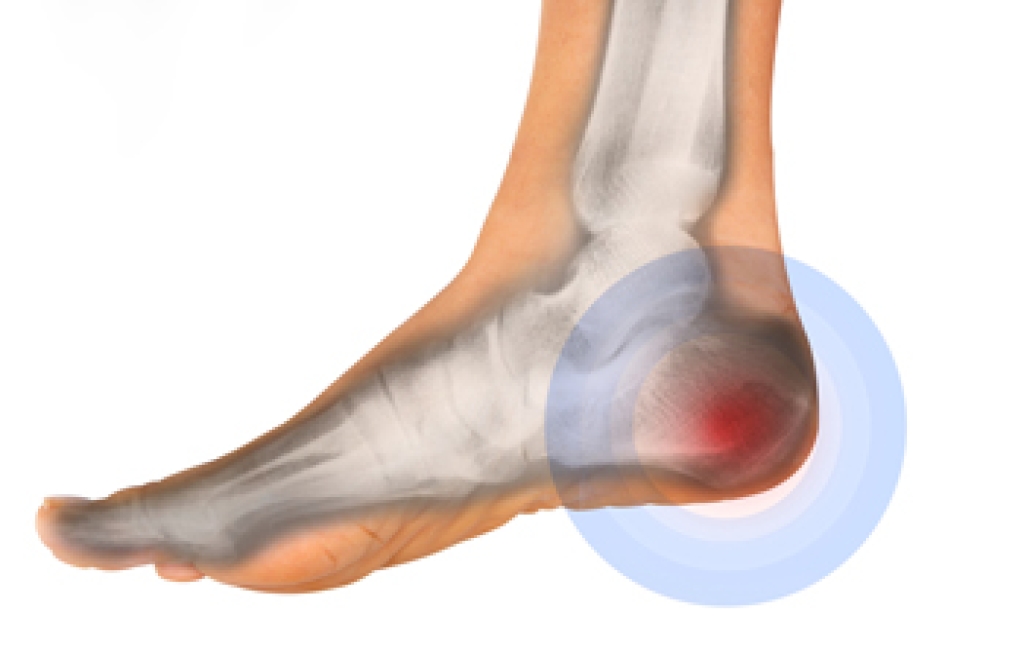
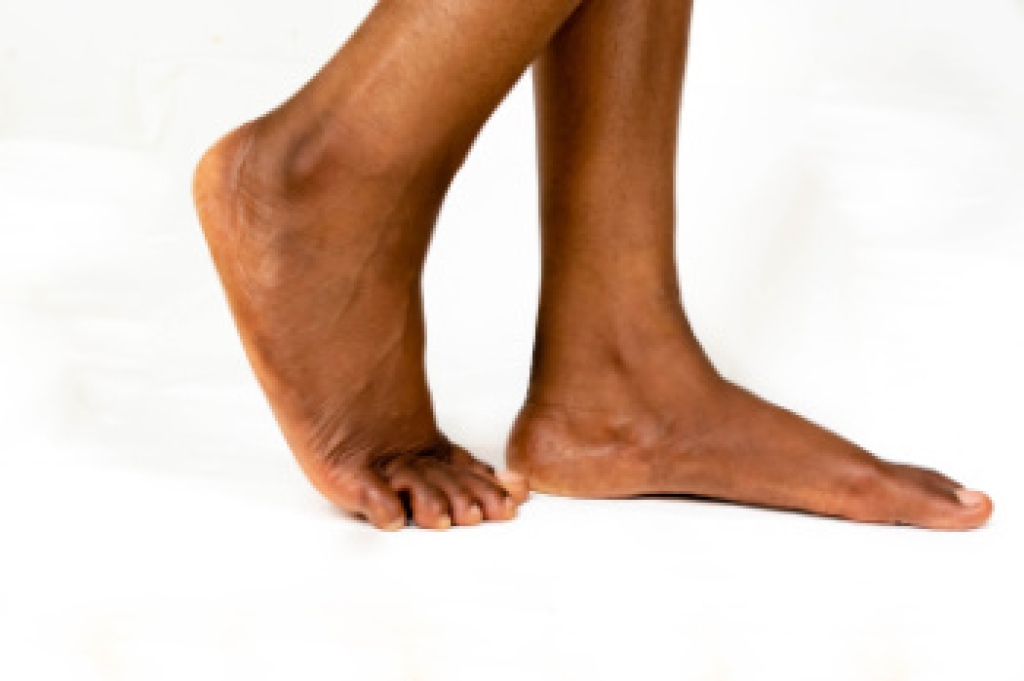
Foot and ankle pain while cycling is often related to bike setup and support. Achilles tendonitis can develop from the pedaling motion, especially when the saddle is set too high. This can lead to tightness and pain in the back of the ankle. Ankle discomfort may also occur in those with flat feet, which can affect stability during each pedal stroke. Foot pain is often linked to wearing shoes that lack proper support or riding in too high a gear. These factors increase pressure against the pedal and cause soreness or burning pain. Risk factors include repetitive motion, poor alignment, and improper equipment. A podiatrist can evaluate your foot mechanics and recommend supportive solutions. If cycling pain is limiting your rides, it is suggested that you consult a podiatrist who can provide effective relief solutions, enabling you to return to this popular activity.

Sports related foot and ankle injuries require proper treatment before players can go back to their regular routines. For more information, contact one of our podiatrists of East Ocean Podiatry . Our doctors can provide the care you need to keep you pain-free and on your feet.

Sports Related Foot and Ankle Injuries

Foot and ankle injuries are a common occurrence when it comes to athletes of any sport. While many athletes dismiss the initial aches and pains, the truth is that ignoring potential foot and ankle injuries can lead to serious problems. As athletes continue to place pressure and strain the area further, a mild injury can turn into something as serious as a rupture and may lead to a permanent disability. There are many factors that contribute to sports related foot and ankle injuries, which include failure to warm up properly, not providing support or wearing bad footwear. Common injuries and conditions athletes face, including:

  • Plantar Fasciitis
  • Achilles Tendinitis
  • Achilles Tendon Rupture
  • Ankle Sprains

Sports related injuries are commonly treated using the RICE method. This includes rest, applying ice to the injured area, compression and elevating the ankle. More serious sprains and injuries may require surgery, which could include arthroscopic and reconstructive surgery. Rehabilitation and therapy may also be required in order to get any recovering athlete to become fully functional again. Any unusual aches and pains an athlete sustains must be evaluated by a licensed, reputable medical professional.

If you have any questions please contact our office located in Deerfield Beach, FL . We offer the newest diagnostic and treatment technologies for all your foot and ankle needs.

Read more about Sports Related Foot And Ankle Injuries

Are You Suffering From Ingrown Toenails?

If left untreated, an ingrown toenail can lead to more serious concerns, such as an infection. Knowing proper nail care can help in the prevention of an ingrown toenail. Give us a call, and get treated!

Dealing With Toenail Fungus

Toenail fungus can cause the nails to become thickened, discolored, and brittle. The nail may appear yellow, white, or brown and can begin to separate from the nail bed over time. While fungal infections often start as a cosmetic concern, they can progress and lead to secondary infection. This may occur if the surrounding skin becomes irritated or broken. The area may feel tender, swollen, or develop redness and drainage if bacteria are involved. Risk factors include warm moist environments, tight footwear, minor trauma, and certain medical conditions that affect circulation or immunity. A podiatrist can evaluate the nail and confirm the type of infection. Treatment options include topical or oral antifungal medications, careful trimming or thinning of the nail, and guidance on proper foot hygiene. Early care helps prevent spread and complications. If you have toenail fungus or signs of infection, it is suggested that you make an appointment with a podiatrist.

For more information about treatment, contact one of our podiatrists of East Ocean Podiatry . Our doctors can provide the care you need to keep you pain-free and on your feet.

Toenail Fungus Treatment

Toenail fungus is a condition that affects many people and can be especially hard to get rid of. Fortunately, there are several methods to go about treating and avoiding it.

Antifungals & Deterrence

Oral antifungal medicine has been shown to be effective in many cases. It is important to consult with a podiatrist to determine the proper regiment for you, or potentially explore other options.

Applying foot powder on the feet and shoes helps keep the feet free of moisture and sweat.

Sandals or open toed shoes – Wearing these will allow air movement and help keep feet dry. They also expose your feet to light, which fungus cannot tolerate. Socks with moisture wicking material also help as well.

If you have any questions please contact our office located in Deerfield Beach, FL . We offer the newest diagnostic and treatment technologies for all your foot and ankle needs.

Read more about Treating Toenail Fungus

Causes and Symptoms of Ingrown Toenails

Ingrown toenails develop when the edge of a nail grows into the surrounding skin, often affecting the big toe. Common causes of ingrown toenails include tight-fitting shoes that crowd the toes, improper nail trimming, and injury to the toe. Naturally curved nails, as well as repeated pressure from walking or sports, can increase risk. Symptoms include pain along the nail edge, redness, swelling, and tenderness when pressure is applied. As the ingrown toenail worsens, the skin may become inflamed. Fluid or pus can form if bacteria enter the area. Some people notice slight bleeding or extra skin forming around the nail. A podiatrist can diagnose the severity of the condition, trim or remove the problem portion of the nail, and provide care to reduce infection and prevent recurrence. If you are experiencing pain from an ingrown toenail, it is suggested that you make an appointment with a podiatrist for a diagnosis and treatment.

Ingrown toenails can become painful if they are not treated properly. For more information about ingrown toenails, contact one of our podiatrists of East Ocean Podiatry . Our doctors can provide the care you need to keep you pain-free and on your feet.

Ingrown Toenails

Ingrown toenails occur when a toenail grows sideways into the bed of the nail, causing pain, swelling, and possibly infection.

Causes

  • Bacterial infections
  • Improper nail cutting such as cutting it too short or not straight across
  • Trauma to the toe, such as stubbing, which causes the nail to grow back irregularly
  • Ill-fitting shoes that bunch the toes too close together
  • Genetic predisposition

Prevention

Wearing proper fitting shoes and using proper cutting techniques will also help decrease your risk of developing ingrown toenails.

Treatment

Ingrown toenails are a very treatable foot condition. In minor cases, soaking the affected area in salt or antibacterial soaps will not only help with the ingrown nail itself, but also help prevent any infections from occurring. In more severe cases, surgery is an option. In either case, speaking to your podiatrist about this condition will help you get a better understanding of specific treatment options that are right for you.

If you have any questions, please feel free to contact our office located in Deerfield Beach, FL . We offer the newest diagnostic and treatment technologies for all your foot care needs.

Read more about Ingrown Toenails

Peripheral Vascular Disease and Foot Health

Peripheral vascular disease affects blood flow to the limbs, especially the legs and feet, due to narrowed or blocked blood vessels. It is often caused by a buildup of fatty deposits in the arteries that restrict circulation. Symptoms include leg pain, cramping, slow-healing foot wounds, and changes in skin color or texture. Also, it may cause the feet to become cold and numb. Risk factors include smoking, diabetes, high blood pressure, high cholesterol, and lack of physical activity. Poor circulation can increase the risk of infection and tissue damage. A podiatrist can help by monitoring foot health, managing wounds, and providing guidance to improve circulation and prevent complications. If you notice changes in your feet, and have symptoms of this condition, it is suggested that you  seek podiatric care for guidance.

Poor circulation is a serious condition and needs immediate medical attention. If you have any concerns with poor circulation in your feet contact one of our podiatrists of East Ocean Podiatry . Our doctors will treat your foot and ankle needs.

Poor Circulation in the Feet

Poor blood circulation in the feet and legs is can be caused by peripheral artery disease (PAD), which is the result of a buildup of plaque in the arteries.

Plaque buildup or atherosclerosis results from excess calcium and cholesterol in the bloodstream. This can restrict the amount of blood which can flow through the arteries. Poor blood circulation in the feet and legs are sometimes caused by inflammation in the blood vessels, known as vasculitis.

Causes

Lack of oxygen and oxygen from poor blood circulation restricts muscle growth and development. It can also cause:

  • Muscle pain, stiffness, or weakness 
  • Numbness or cramping in the legs
  • Skin discoloration
  • Slower nail & hair growth
  • Erectile dysfunction

Those who have diabetes or smoke are at greatest risk for poor circulation, as are those who are over 50. If you have poor circulation in the feet and legs it may be caused by PAD and is important to make changes to your lifestyle in order to reduce risk of getting a heart attack or stroke. Exercise and maintaining a healthy lifestyle will dramatically improve conditions.

As always, see a podiatrist as he or she will assist in finding a regimen that suits you. A podiatrist can also prescribe you any needed medication. 

If you have any questions, please feel free to contact our office located in Deerfield Beach, FL . We offer the newest diagnostic and treatment technologies for all your foot care needs.

Read more about Causes, Symptoms, and Treatment of Poor Blood Circulation in the Feet

Connect With Us