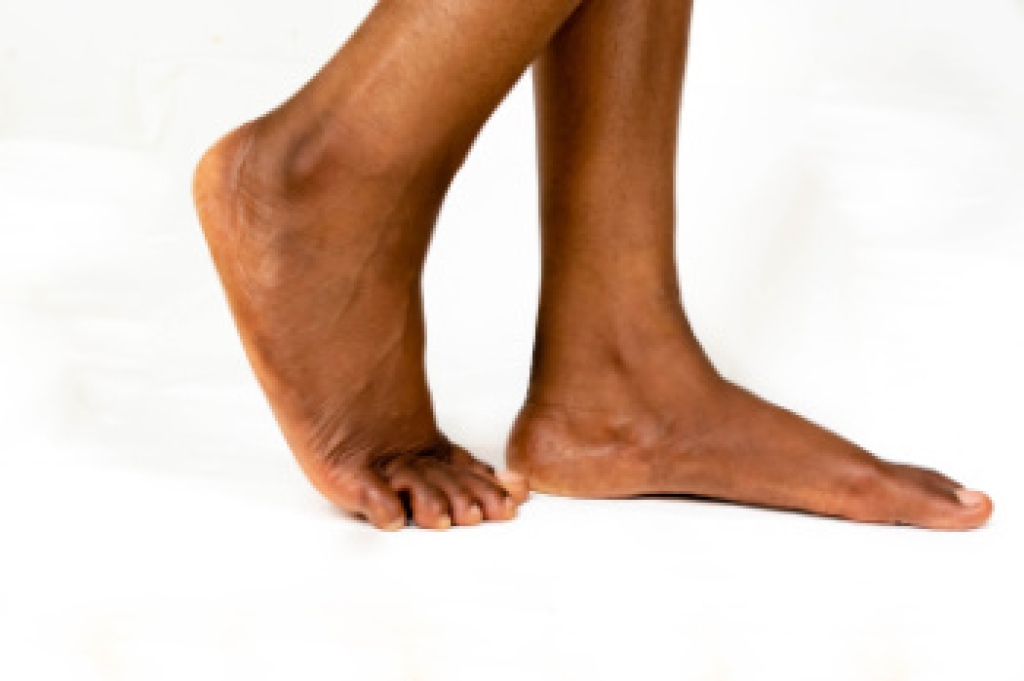
When You Might Need a Walking Boot

A walking boot is a supportive medical device used to protect the foot and ankle after an injury or surgery. It is often prescribed for fractures, severe sprains, torn tendons, and stress injuries. Tendons are strong tissues that connect muscles to bones. The boot limits movement and holds the foot in a stable position, which helps reduce pain and prevents further damage. Many walking boots have rigid outer shells, cushioned liners, and adjustable straps that extend above the ankle to improve stability. This design allows people to move more safely while healing. A podiatrist can evaluate swelling, bruising, and walking ability to decide if a walking boot is needed. They may also order imaging tests or X-rays to confirm a diagnosis and monitor recovery. If you believe you have endured a painful foot or ankle injury, it is suggested that you make an appointment with a podiatrist for an exam, diagnosis, and treatment.

If you are having discomfort in your feet and would like to try orthotics, contact one of our podiatrists from East Ocean Podiatry . Our doctors can provide the care you need to keep you pain-free and on your feet.

What Are Orthotics?

Orthotics are inserts you can place into your shoes to help with a variety of foot problems such as flat feet or foot pain. Orthotics provide relief and comfort for minor foot and heel pain but can’t correct serious biomechanical problems in your feet.

Over-the-Counter Inserts

Orthotics come in a wide variety of over-the-counter inserts that are used to treat foot pain, heel pain, and minor problems. For example, arch supports can be inserted into your shoes to help correct overarched or flat feet, while gel insoles are often used because they provide comfort and relief from foot and heel pain by alleviating pressure.

Prescription Orthotics

If over-the-counter inserts don’t work for you or if you have a more severe foot concern, it is possible to have your podiatrist prescribe custom orthotics. These high-quality inserts are designed to treat problems such as abnormal motion, plantar fasciitis, and severe forms of heel pain. They can even be used to help patients suffering from diabetes by treating foot ulcers and painful calluses and are usually molded to your feet individually, which allows them to provide full support and comfort.

If you are experiencing minor to severe foot or heel pain, it’s recommended to speak with your podiatrist about the possibilities of using orthotics. A podiatrist can determine which type of orthotic is right for you and allow you to take the first steps towards being pain-free.

If you have any questions, please feel free to contact our office located in Deerfield Beach, FL . We offer the newest diagnostic and treatment technologies for all your foot care needs.


Read more about Ankle Foot Orthotics for Athletes

When to See a Podiatrist for Toenail Trauma

A bruised toenail can develop after the toe is injured by a heavy object, repeated pressure, or tight footwear. The injury can cause bleeding under the nail, which leads to dark discoloration that may appear red, purple, or black. This condition, often called a black toenail, occurs when blood is trapped beneath the nail. As the blood collects, pressure can build under the nail and cause throbbing pain or tenderness. In some cases, the nail may lift or loosen as the pressure increases. Although many bruised toenails gradually improve as the nail grows out, a severe injury may require medical evaluation. A podiatrist can examine the toe to determine whether there is significant pressure, infection, or damage to the nail bed, which is the tissue under the nail that supports nail growth. Proper diagnosis helps protect the nail and prevent long-term nail changes. If you have a painful toenail, it is suggested that you make an appointment with a podiatrist for an exam, diagnosis, and treatment.

Toe pain can disrupt your daily activities. If you have any concerns, contact one of our podiatrists of East Ocean Podiatry . Our doctors can provide the care you need to keep you pain-free and on your feet.

What Causes Toe Pain?

Most severe toe pain is caused due to a sports injury, trauma from dropping something heavy on the toe, or bumping into something rigid. Other problems can develop over time for various reasons.

Toe pain can be caused by one or more ailments. The most common include:

  • Trauma
  • Sports injury
  • Wearing shoes that are too tight
  • Arthritis
  • Gout
  • Corns and calluses
  • Hammertoe
  • Bunions
  • Blisters
  • Ingrown toenails
  • Sprains
  • Fractures (broken bones)
  • Dislocations

When to See a Podiatrist

  • Severe pain
  • Persistent pain that lasts more than a week
  • Signs of infection
  • Continued swelling
  • Pain that prevents walking

Diagnosis

In many cases the cause of toe pain is obvious, but in others, a podiatrist may want to use more advanced methods to determine the problem. These can range from simple visual inspections and sensation tests to X-rays and MRI scans. Prior medical history, family medical history, and any recent physical traumatic events will all be taken into consideration for a proper diagnosis.

Treatment

Treatments for toe pain and injuries vary and may include shoe inserts, padding, taping, medicines, injections, and in some cases, surgery. If you believe that you have broken a toe, please see a podiatrist as soon as possible.

If you have any questions please contact our office located in Deerfield Beach, FL . We offer the newest diagnostic and treatment technologies for all your foot and ankle needs.

Read more about Toe Pain

Rheumatoid Arthritis and Foot Health

Rheumatoid arthritis is a chronic autoimmune-related disease. It causes the immune system to attack healthy joint tissue, which leads to inflammation, pain, and long-term damage. This condition often affects small joints in the feet and hands, creating stiffness, swelling, warmth, and joint-related deformities that can limit daily activities. Common risk factors include family history, smoking, hormonal influences, and middle-aged onset, although it can develop at any stage of life. Early-stage symptoms may feel mild, but can quickly progress without proper care. A podiatrist plays a vital role in managing weight-bearing stress, reducing pain, improving mobility, and recommending custom orthotics or supportive footwear. If you have persistent foot discomfort, it is suggested that you consult a podiatrist who can offer helpful relief and management tips.

Because RA affects more than just your joints, including the joints in your feet and ankles, it is important to seek early diagnosis from your podiatrist if you feel like the pain in your feet might be caused by RA. For more information, contact one of our podiatrists of East Ocean Podiatry . Our doctors will assist you with all of your podiatric concerns.

What Is Rheumatoid Arthritis?

Rheumatoid Arthritis (RA) is an autoimmune disorder in which the body’s own immune system attacks the membranes surrounding the joints. Inflammation of the lining and eventually the destruction of the joint’s cartilage and bone occur, causing severe pain and immobility.

Rheumatoid Arthritis of the Feet

Although RA usually attacks multiple bones and joints throughout the entire body, almost 90 percent of cases result in pain in the foot or ankle area.

Symptoms

  • Swelling and pain in the feet
  • Stiffness in the feet
  • Pain on the ball or sole of feet
  • Joint shift and deformation

Diagnosis

Quick diagnosis of RA in the feet is important so that the podiatrist can treat the area effectively. Your doctor will ask you about your medical history, occupation, and lifestyle to determine the origin of the condition. Rheumatoid Factor tests help to determine if someone is affected by the disease.

If you have any questions, please feel free to contact our office located in Deerfield Beach, FL . We offer the newest diagnostic and treatment technologies for all your foot care needs.

Read more about Rheumatoid Arthritis in the Feet

Exercises Play a Role in Ankle Sprain Recovery

An ankle sprain occurs when the ligaments, which are strong bands of tissue that connect bones, are stretched or torn after the foot rolls or twists. Symptoms often include pain, swelling, bruising, and difficulty bearing weight. Recovery time depends on severity, ranging from a few weeks for mild ligament stretching to several months for more serious tears. Exercise plays a key role in proper long-term healing. Early movement exercises help restore range of motion, which means how far and smoothly the joint can move. As healing progresses, strengthening exercises work to rebuild muscle support around the ankle, allowing it to move up and down. Balance training is also important to improve stability and prevent the ankle from repeatedly giving out, known as chronic ankle instability. A podiatrist can evaluate the sprain, order imaging to rule out fractures, provide bracing, and design a structured rehabilitation plan. If you have sprained an ankle, it is suggested that you make an appointment with a podiatrist for an exam, diagnosis, and treatment.

Although ankle sprains are common, they aren’t always minor injuries. If you need your ankle injury looked at, contact one of our podiatrists from East Ocean Podiatry . Our doctors can provide the care you need to keep you pain-free and on your feet.

How Does an Ankle Sprain Occur?

Ankle sprains are the result of a tear in the ligaments within the ankle. These injuries may happen when you make a rapid shifting movement while your foot is planted. A less common way to sprain your ankle is when your ankle rolls inward while your foot turns outward.

What Are the Symptoms?

  • Pain at the sight of the tear
  • Bruising/Swelling
  • Ankle area is tender to touch
  • In severe cases, may hear/feel something tear
  • Skin discoloration

Preventing a Sprain

  • Wearing appropriate shoes for the occasion
  • Stretching before exercises and sports
  • Knowing your limits

Treatment of a Sprain

In many cases, the RICE method (Rest, Ice, Compression, and Elevate) is used to treat ankle sprains. However, you should see a podiatrist to see which treatment option would work best with your injury. In severe cases, surgery may be required.

It is important to ask your doctor about rehab options after you receive treatment for your injury. Stretching, strength training, and balance exercises may help the ankle heal while also preventing further injury.

If you have any questions, please feel free to contact our office located in Deerfield Beach, FL . We offer the newest diagnostic and treatment technologies for all your foot care needs.
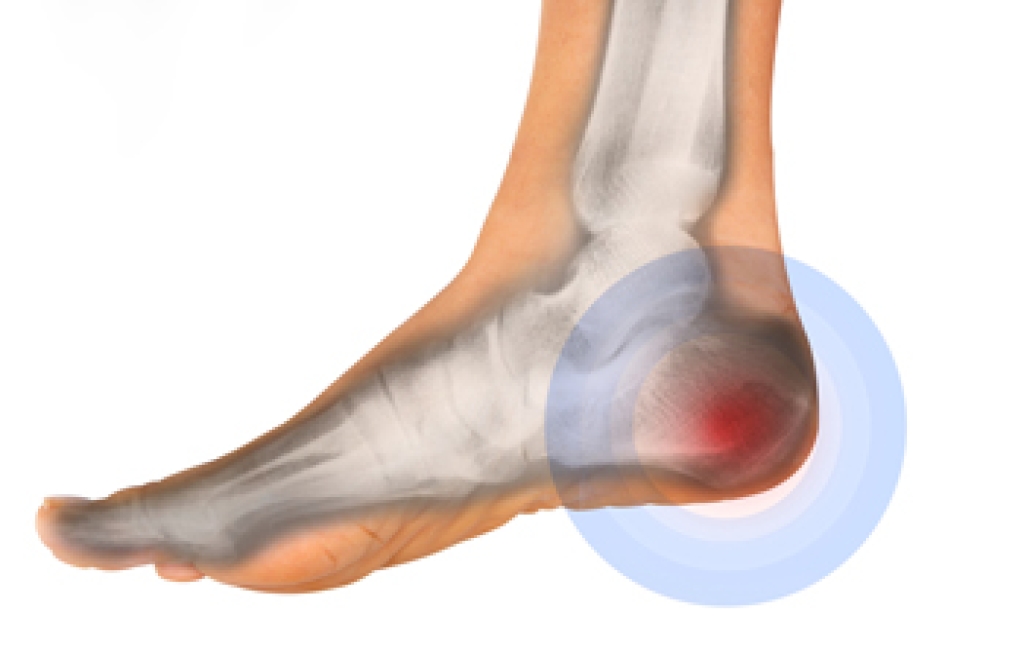
Read more about Three Grades of Ankle Sprains

Gout Pain Can Be Managed

Gout is a painful, inflammatory form of arthritis. Those affected will typically feel an intense stiffness in the joints of their feet, particularly in the big toe. Schedule a visit to learn about how gout can be managed and treated.

Connect With Us